Pinch Me Recipe with Garlic and Herbs
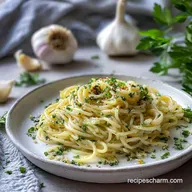
This farmhouse garlic and herb pasta recipe uses a simple emulsification technique to create a smooth coating that clings to every strand without using heavy cream.
garlic herb sauce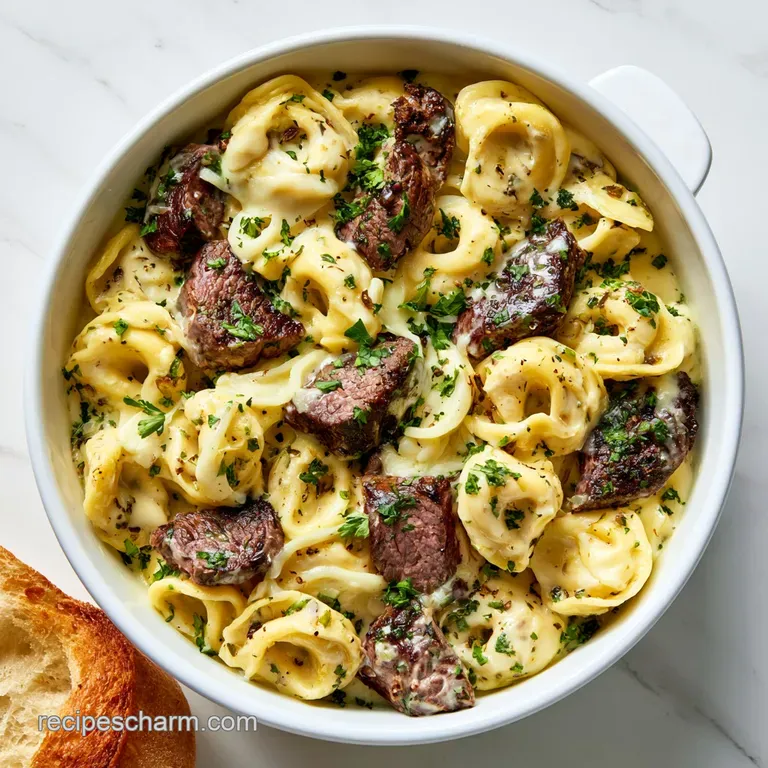
Pasta shows up on weeknight tables for a reason—it cooks quickly, pairs with almost any protein, and serves as the perfect canvas for both light and rich sauces. These recipes are designed for home cooks who need a satisfying meal without spending hours at the stove.
From creamy tortellini dishes to savory stir-fried noodles, this collection offers variety across different cuisines and cooking methods. Whether you are craving a bowl of hot soup or a plate of steak-topped shells, these dishes use simple techniques to ensure consistent results every time.
These dishes focus on rich, dairy-based sauces that provide a smooth texture and a satisfying mouthfeel. They differ from other options in this collection by prioritizing high-fat ingredients like provolone and parmesan to create a decadent meal that feels substantial enough for a weekend yet fast enough for Monday.
This farmhouse garlic and herb pasta recipe uses a simple emulsification technique to create a smooth coating that clings to every strand without using heavy cream.
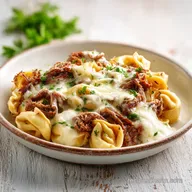
garlic herb sauceThis cheesesteak tortellini provolone sauce brings the flavors of a classic sandwich into a pasta bowl using store-bought tortellini for a fast, rich dinner.
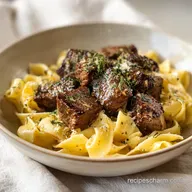
provolone cheese sauceTender steak bites pair with parmesan-coated shells in this dish, making it a great choice for those who want a protein-heavy meal with a silky finish.
seared steak bitesThis grouping highlights dishes that use smaller pasta shapes or noodle alternatives to create unique flavor profiles from around the globe. Unlike the strictly creamy sections, these recipes rely on broth bases or stir-fry techniques to provide a lighter finish that still packs plenty of savory punch.
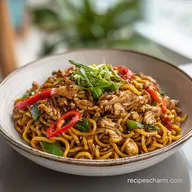
While technically a Japanese noodle dish, this yakisoba uses thin wheat noodles and crisp vegetables to provide a lighter alternative to traditional heavy Italian pasta sauces.
savory stir fryThis Italian sausage orzo soup blends sun-dried tomatoes and cream for a comforting liquid meal that feels substantial enough to serve as a standalone dinner.
creamy soup base| # | Recipes | Best For | Time | Difficulty | Main Protein |
|---|---|---|---|---|---|
| 1 | Pinch Me Recipe with Garlic | meatless Mondays | 25 min | Easy | None |
| 2 | Creamy Provolone Cheesesteak Tortellini | comfort food cravings | 25 min | Beginner | Steak |
| 3 | Garlic Butter Steak Pasta | filling steak dinners | 35 min | Easy | Steak |
| 4 | Chicken Yakisoba | lighter stir-fry nights | 25 min | Easy | Chicken |
| 5 | Marry Me Sausage Orzo Soup | cozy dinner bowls | 30 min | Easy | Italian Sausage |
Discover more curated recipe collections
Explore more recipe collections →