Authentic Chamoy Recipe with Tamarind
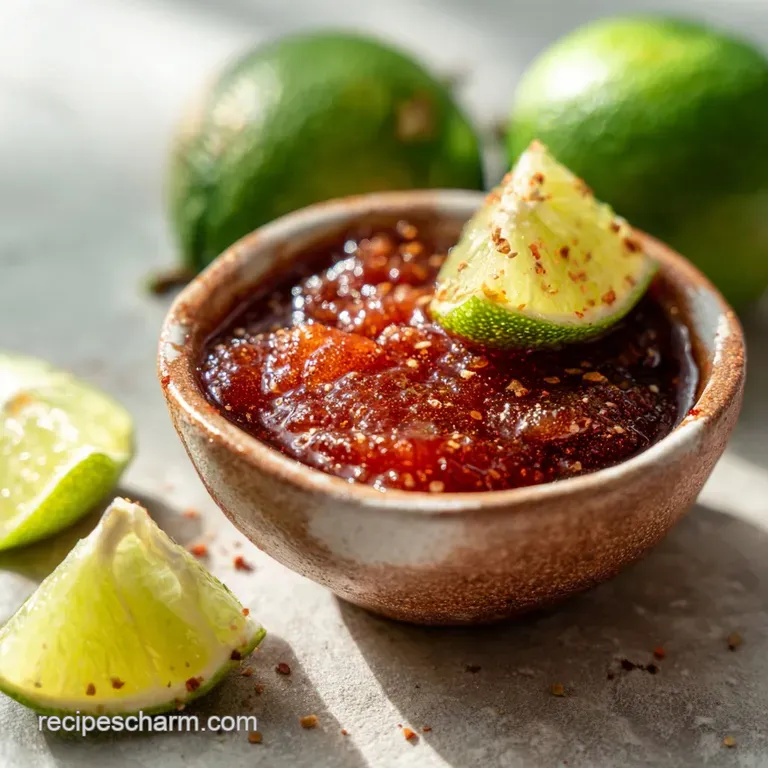
- Time: Active 5 minutes, Passive 15 minutes, Total 20 minutes
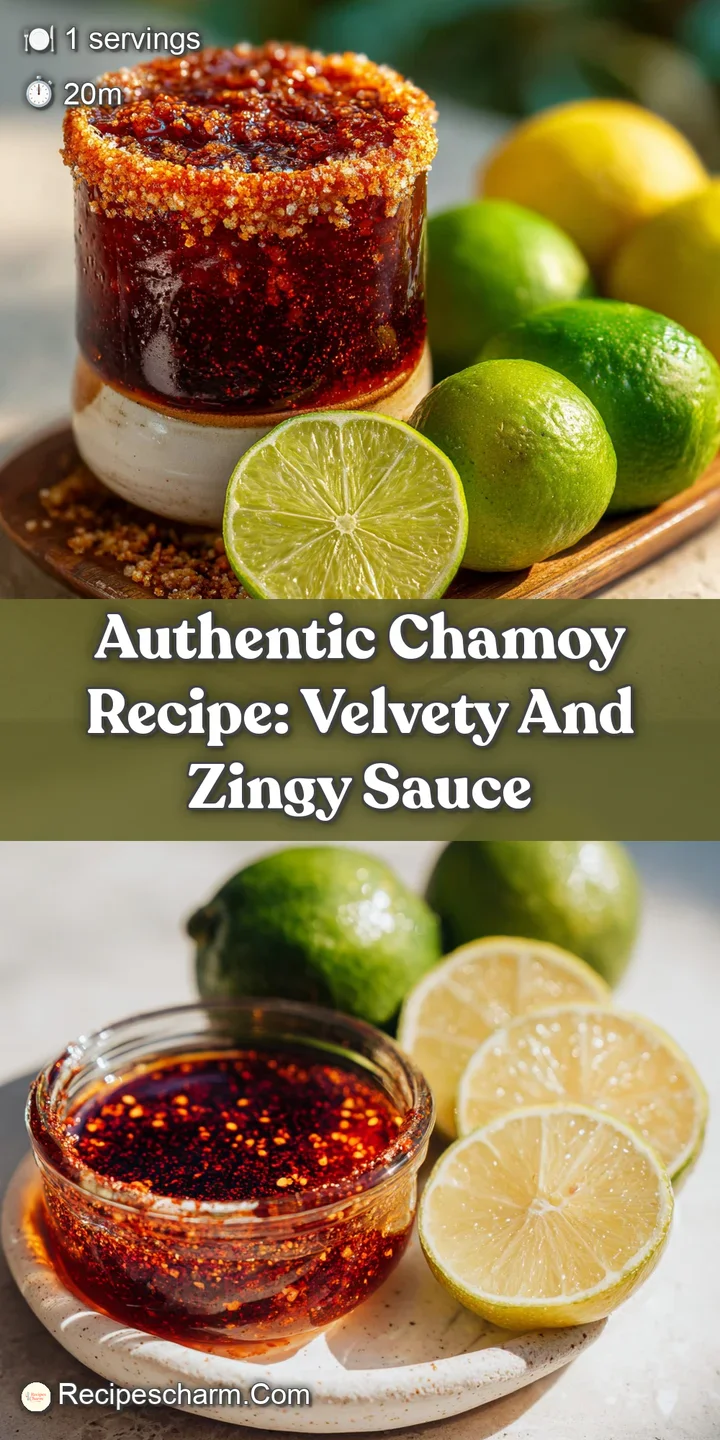
- Flavor/Texture Hook: Velvety, zingy sauce with a syrupy finish
- Perfect for: Family fruit platters or backyard summer cookouts
- Master This Tangy Authentic Homemade Chamoy Recipe
- Reasons to Love This Spicy Sauce
- Key Stats for Your Sauce Prep
- Choosing the Best Dried Fruit Elements
- Tools Required for Silky Smooth Sauce
- Step by Step Stovetop Simmering Guide
- Solving Common Texture and Flavor Issues
- Adjusting the Batch Size
- Debunking Common Sauce Myths
- Storing and Reheating Your Fresh Batch
- Serving Ideas for Your Spicy Sauce
- Chamoy Recipe FAQs
- 📝 Recipe Card
Master This Tangy Authentic Homemade Chamoy Recipe
The first time I smelled hibiscus steeping alongside dried apricots, it was like a floral punch to the senses. I was standing in my aunt's kitchen, watching her stir a pot of deep ruby liquid that looked more like a potion than a snack topping.
The air was thick with the scent of vinegary tang and the low hum heat of dried chilies. When I finally took a bite of a mango slice drenched in that warm sauce, the way the salt hit the back of my throat before the sweetness of the fruit took over well, I was hooked.
Honestly, once you've tasted the version you make on your own stovetop, those neon red bottles from the store just won't cut it anymore. They often lack the depth of real fruit and the floral backbone that makes a truly great chamoy.
This recipe is my attempt to bring that authentic, hearty flavor into a one pan process that doesn't require a culinary degree or a whole afternoon. We're talking about a sauce that is velvety enough to coat a spoon but punchy enough to wake up every taste bud you own.
Reasons to Love This Spicy Sauce
The Pectin Acid Bridge: Simmering dried apricots and prunes releases natural pectins that thicken the sauce into a syrupy glaze without needing cornstarch. The apple cider vinegar then stabilizes this structure, ensuring the sauce stays pourable but clingy.
The Hydration Infusion: Dried hibiscus flowers act as a natural acidulant and colorant. By steeping them with the fruit, we extract deep red pigments and a tartness that cuts right through the richness of the tamarind.
Capsaicin Dispersion: The fats in the tamarind paste help carry the heat from the chiles de árbol evenly throughout the liquid. This prevents "hot spots" in the sauce, giving you a smooth, consistent warmth in every bite.
The Osmotic Draw: Salt and coconut sugar work together to draw out any remaining moisture from the rehydrated fruit during the blend. This creates a shelf stable concentrate that won't separate in the fridge.
| Method | Time | Texture | Best For |
|---|---|---|---|
| Stovetop Simmer | 15 minutes | Thick and syrupy | Maximum flavor depth |
| Microwave Blast | 6 minutes | Thinner, more liquid | Quick fruit dips |
| Slow Steep | 2 hours | Floral and light | Delicate fruit salads |
The stovetop method is our gold standard here because it allows the chiles and hibiscus to fully bloom. While the microwave is faster, you lose that slow cooked richness that makes this chamoy feel like it came straight from a roadside stand in Mexico.
Key Stats for Your Sauce Prep
| Ingredient | Science Role | Pro Secret |
|---|---|---|
| Dried Apricots | Pectin provider | Use Turkish apricots for a softer, sweeter base. |
| Hibiscus Flowers | Acidic backbone | Steep longer for a deep purple, tart finish. |
| Tamarind Paste | Emulsifier | Choose seedless paste to save your blender blades. |
| Chiles de Árbol | Heat source | Toast them for 30 seconds before simmering for smokiness. |
Choosing the right base makes all the difference. While some people use only one type of fruit, the combination of apricots and prunes provides a complex sugar profile that doesn't just taste like "sweet." It tastes like sun ripened depth.
Choosing the Best Dried Fruit Elements
To get that signature texture, you'll need a specific set of pantry staples. Don't skip the hibiscus; it provides the color that makes this sauce look as bold as it tastes.
- 1 cup (150g) dried apricots: These provide the body. Why this? High pectin content creates a natural, thick syrup consistency.
- 0.5 cup (75g) dried prunes: Adds a dark, rich sweetness. Why this? Balances the tartness of the lime with earthy sugar notes.
- 0.5 cup (15g) dried hibiscus flowers: Also known as jamaica. Why this? The primary source of natural tartness and vibrant red color.
- 2 cups (475ml) water: The base for rehydration.
- 2 tbsp (30g) tamarind paste: Provides a unique "sticky" tang.
- 3 dried chiles de árbol: For the essential kick.
- 1 tbsp guajillo chili powder: Adds mild heat and a smoky red hue.
- 0.25 cup (50g) coconut sugar: A less refined sweetness. Why this? Adds a hint of caramel flavor that white sugar lacks.
- 0.25 cup (60ml) fresh lime juice: Brightens the entire profile.
- 2 tbsp (30ml) apple cider vinegar: Acts as a natural preservative and acid booster.
- 1 tsp sea salt: To make all the other flavors pop.
| Original Ingredient | Substitute | Why It Works |
|---|---|---|
| Dried Apricots | Dried Mango | Similar sugar content. Note: Result will be much more tropical. |
| Coconut Sugar | Brown Sugar | Adds similar molasses notes but is slightly sweeter. |
| Hibiscus Flowers | Cranberry Juice | High acidity and red color. Note: Use in place of water. |
If you find yourself out of apricots, dried mango is a fantastic pivot. It changes the flavor profile significantly, making it much more like a tropical dip, which is great if you're serving this alongside a hearty meal like a Chicken and Peppers recipe.
Tools Required for Silky Smooth Sauce
You really don't need much for this, which is why I love it for busy weeknights. A simple medium saucepan and a high speed blender are your best friends here. If you have an immersion blender, that works too, though it might leave a few more bits of hibiscus or chili skin behind.
I always suggest having a fine mesh strainer handy. Even the best blenders can struggle with the tiny seeds from the chiles or the fibrous bits of the hibiscus petals. Straining ensures that "velvety" texture we're aiming for.
step-by-step Stovetop Simmering Guide
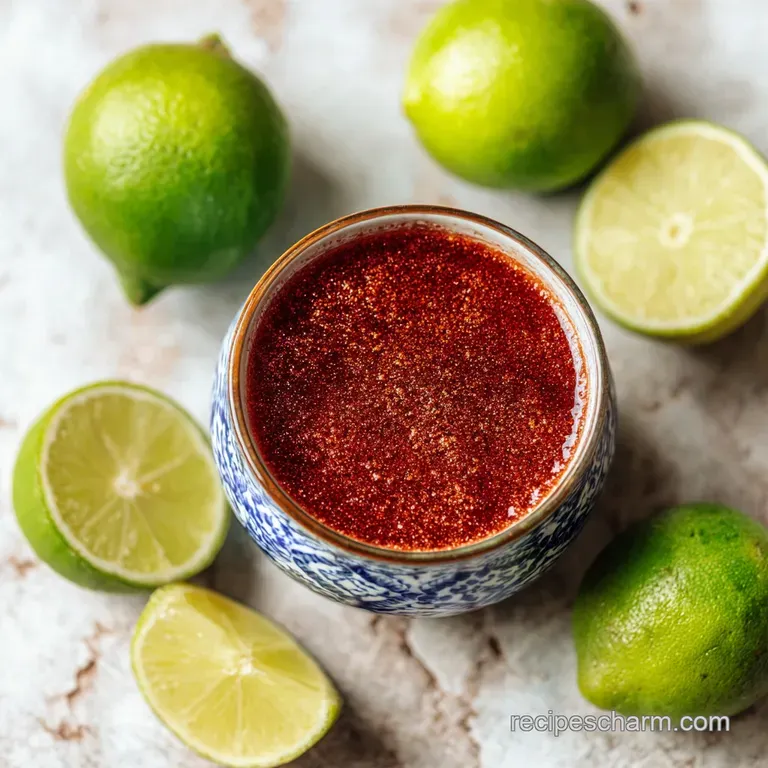
- Place the water, dried apricots, prunes, hibiscus flowers, and chiles de árbol in a medium saucepan. Note: Starting with cold water allows the fruit to hydrate more evenly.
- Bring the mixture to a boil over medium high heat until large bubbles break the surface.
- Reduce the heat to low and simmer for 15 minutes until the fruit is plump and very soft.
- Remove the pan from the heat and let it cool for about 5 minutes. Note: This prevents steam pressure from blowing the lid off your blender.
- Fish out the hibiscus flowers with a slotted spoon and discard them. Note: Leaving them in can make the sauce too gritty.
- Pour the fruit and the remaining liquid into a blender.
- Add the tamarind paste, chili powder, coconut sugar, lime juice, vinegar, and salt.
- Blend on high for 2 minutes until the sauce is completely smooth and glossy.
- Taste and adjust; if it's too thick, add a tablespoon of water at a time.
- Pass the sauce through a fine mesh strainer into a clean jar for a professional finish.
Chef's Tip
For an extra layer of flavor, try toasting your dried chiles de árbol in the dry pan for 30 seconds before adding the water. This releases the essential oils in the skin and gives the final chamoy a subtle, charred undertone that is absolutely irresistible.
Solving Common Texture and Flavor Issues
Why Your Sauce Feels Gritty
Usually, this happens because the hibiscus flowers or chili skins weren't fully strained out. Some dried hibiscus petals can be quite tough, and even a powerful blender might leave microscopic flakes behind.
Rescuing Overly Sour Sauce
If the tang is overwhelming, it's likely the lime juice was very acidic or the hibiscus steeped too long. Balance this by adding an extra tablespoon of coconut sugar or a tiny pinch more salt to neutralize the perceived acidity.
| Problem | Root Cause | Solution |
|---|---|---|
| Sauce is too runny | Too much water or not enough fruit | Simmer the blended sauce for 5 more mins to reduce. |
| Bitter aftertaste | Burnt chiles or hibiscus seeds | Add a touch more sugar or a splash of orange juice. |
| Dull red color | Old hibiscus or low quality chili | Add a teaspoon of beet juice or more guajillo powder. |
Common Mistakes Checklist
- ✓ Always remove the stems from the dried chiles before simmering.
- ✓ Don't skip the straining step if you want that commercial "syrup" feel.
- ✓ Let the mixture cool slightly before blending to avoid "blender explosions."
- ✓ Use fresh lime juice rather than bottled for a brighter, cleaner finish.
- ✓ Check that your tamarind paste is "seedless" before adding it to the mix.
Adjusting the Batch Size
Scaling Down: If you only need a small amount, you can easily halve this recipe. Use a smaller saucepan to prevent the liquid from evaporating too quickly, and reduce the simmer time by about 3 minutes since the smaller volume heats up faster.
Scaling Up: Doubling the recipe is great for parties. However, don't double the chiles de árbol immediately. Capsaicin has a way of magnifying in larger batches. Start with 4 or 5 chiles for a double batch, then add more after tasting the final blend.
You'll also want to extend the simmer time to 20 minutes to ensure all that extra fruit gets soft.
For those hosting a larger family gathering, this sauce is a fantastic companion to appetizers like a Hanky Panky Recipe, providing a spicy contrast to savory snacks.
| Desired Result | Action |
|---|---|
| Thicker "Rim Paste" | Use 50% less water and blend in an extra 1/4 cup of apricots. |
| Mild Heat | Remove the seeds from the chiles de árbol before simmering. |
| Extra Tangy | Increase apple cider vinegar by 1 tbsp and add lime zest. |
Debunking Common Sauce Myths
One big myth is that chamoy has to contain artificial dyes to be red. The hibiscus flowers in this recipe provide a color so deep and vibrant that you’d swear it was food coloring. Natural ingredients always provide a better visual depth.
Another misconception is that you need a specialized "chamoy powder" to get the right flavor. While those powders exist, they are mostly sugar, citric acid, and salt. Using real dried fruit and tamarind gives you a much more hearty and satisfying result.
Storing and Reheating Your Fresh Batch
Storage: Keep your homemade chamoy in an airtight glass jar in the fridge. Because of the high acid content from the vinegar and lime, it stays fresh for up to 3 weeks. Always use a clean spoon to avoid introducing bacteria.
Freezing: You can freeze chamoy! I like to pour it into ice cube trays. Once frozen, pop the cubes into a bag. They’ll last for 3 months. This is perfect for when you just want a single serving for a bowl of mango.
Zero Waste: Don't throw away the leftover hibiscus flowers if you want to be extra crafty. You can toss them with a little sugar and dehydrate them in a low oven to make "hibiscus jerky," or even stir them into a compost bin to add acidity to your soil.
Serving Ideas for Your Spicy Sauce
While fruit is the classic choice, don't stop there. This sauce is incredible on grilled corn or even drizzled over roasted root vegetables. The sweetness of roasted carrots plays beautifully with the heat of the chiles.
If you’re looking for a unique appetizer combo, try serving this alongside a salty snack like my Pinch Me Recipe. The garlic and salt in the dish provide a savory floor that allows the chamoy's fruity notes to really sing. It’s also the ultimate rim paste for a Michelada or a spicy margarita just dip the glass in the sauce and then into some chili lime salt!
Chamoy Recipe FAQs
What is chamoy made of?
It is primarily made of dried fruit, chilies, and salt. Traditional recipes use dried apricots, prunes, tamarind paste, hibiscus flowers (jamaica), lime juice, and chiles de árbol for heat and color.
Is Tajin the same as chamoy?
No, they are completely different condiments. Tajín is a dry seasoning blend made of chili, lime, and salt, while chamoy is a wet, complex, syrupy sauce based on fruit and vinegar.
What does chamoy taste like?
It tastes like a complex balance of salty, sweet, sour, and spicy. The flavor profile is often described as umami rich, tangy, and slightly floral due to the hibiscus infusion.
Why do Mexicans like chamoy?
It perfectly complements the natural sweetness of fresh fruit and snacks. The intense sweet/sour/salty profile cuts through richness and enhances flavors, much like a vibrant dressing.
How do I achieve the thick, syrupy texture without cornstarch?
Simmer dried apricots and prunes until they are fully plump. These fruits release natural pectins when cooked down, which act as the thickening agent for the sauce.
What can I substitute for dried apricots if I don't have any?
Use dried mango as a direct fruit substitute. While it changes the base flavor profile slightly to be more tropical, the sugar content and texture mimic apricots well enough for a great result.
Is it true that toasting the chiles beforehand ruins the final flavor?
No, this is a common misconception. Lightly toasting the chiles de árbol for 30 seconds before simmering actually blooms their essential oils, adding a desirable subtle smokiness to the finished sauce.
Authentic Chamoy Recipe
Ingredients:
Instructions:
Nutrition Facts:
| Calories | 54 kcal |
|---|---|
| Protein | 0.5 g |
| Fat | 0.1 g |
| Carbs | 13.8 g |
| Fiber | 1.1 g |
| Sugar | 10.6 g |
| Sodium | 151 mg |
