Authentic German Frikadellen with Fried Onions
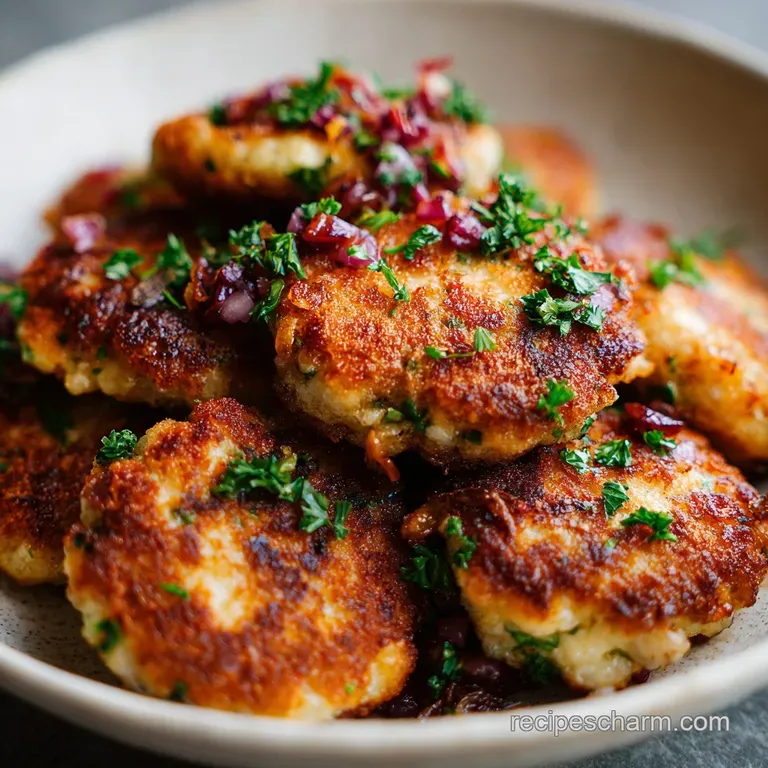
- Time: Active 20 minutes, Passive 20 minutes, Total 40 minutes
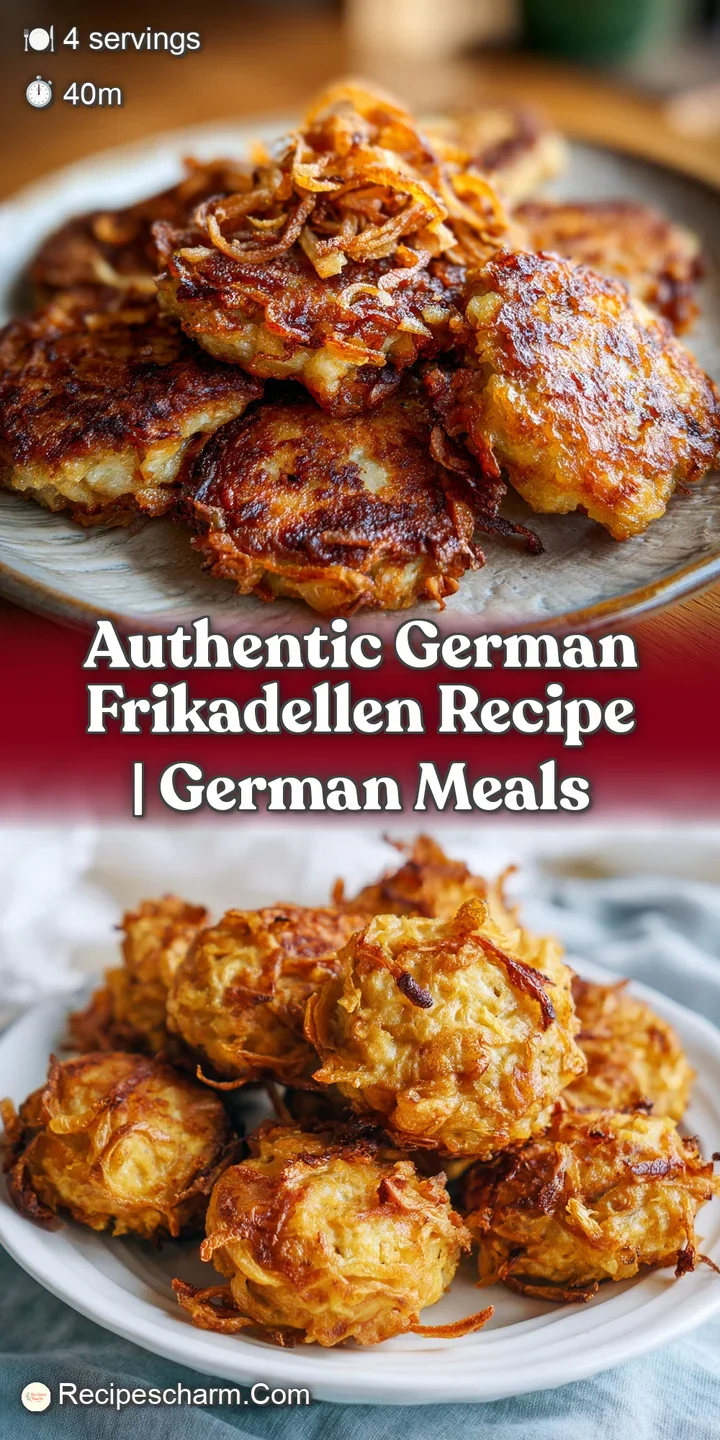
- Flavor/Texture Hook: Savory, onion sweet, and velvety inside with a crisp, brown crust
- Perfect for: A hearty family dinner or a simplified Oktoberfest style feast
- Irresistible Authentic German Frikadellen Recipe with Fried Onions
- The Scientific Secret for Tender Meat
- Recipe Specs and Timing Details
- Essential Ingredients for Meatball Success
- Simple Tools for Better Cooking
- Walking Through the Searing Process
- Solutions for Common Cooking Problems
- Adjusting for Different Batch Sizes
- Debunking German Kitchen Myths
- Keeping Your Leftovers Fresh
- Perfect Pairings for a Family Dinner
- High in Sodium
- Recipe FAQs
- 📝 Recipe Card
Irresistible Authentic German Frikadellen Recipe with Fried Onions
The sound of clarified butter hitting a hot pan is basically my dinner bell. Whenever I smell onions slowly turning that deep, mahogany brown, I am immediately transported back to a tiny kitchen in Bavaria where a friend's grandmother first showed me the ropes.
This article unveils an irresistible authentic German Frikadellen recipe, best savored with fried onions. It is not just about the meat, it is about that specific, nostalgic aroma that fills the house and tells everyone it is time to eat.
We have all had those meatballs that are more like bouncy rubber balls than actual food. This recipe is the antidote to that. We are going for something hearty, rustic, and incredibly tender. By using a mix of beef and pork, we get the best of both worlds: the structure of beef and the juicy fat of pork.
Trust me, once you try this method, you will never go back to using plain breadcrumbs again.
I used to make the mistake of overworking the meat, but I learned that a gentle touch is everything. We want these to feel like home, not like a factory made patty. This dish is the ultimate comfort food for a busy weeknight when you need something that feels like a big hug on a plate.
Let's get into the details of how to make these beauties work every single time in your own kitchen.
The Scientific Secret for Tender Meat
The Panade Principle: Soaking a stale Kaiser roll in warm milk creates a starch paste that coats the protein fibers, physically preventing them from tightening into a tough, dry knot during the cooking process.
Fat to Lean Equilibrium: Mixing ground beef with ground pork introduces different melting points for fats, ensuring the patty remains moist even after the exterior has developed a deep, flavorful crust.
The Maillard Reaction via Heavy Skillet
Using a heavy bottomed pan like a cast iron skillet is non negotiable for that signature brown crust. The heavy metal retains heat better than thin pans, which means the surface of the meat sears instantly instead of steaming in its own juices.
This creates dozens of new flavor compounds that give the Frikadellen their iconic, savory depth.
| Thickness | Internal Temp | Rest Time | Visual Cue |
|---|---|---|---|
| 1 inch | 160°F (71°C) | 5 mins | Juices run clear, not pink |
| 1.5 inch | 160°F (71°C) | 8 mins | Firm to touch with a slight spring |
When you are planning a big gathering, it is much easier to prep these in advance than something like Creamy Tuscan Scallops recipe, which requires last minute attention. Frikadellen are forgiving and stay juicy even if the family is running ten minutes late for the table.
Recipe Specs and Timing Details
| Component | Science Role | Pro Secret |
|---|---|---|
| Kaiser Roll | Structural Binder | Use truly stale bread; it absorbs more milk without turning into mush. |
| German Mustard | Emulsifier/Flavor | The acidity cuts through the fat and helps bind the egg to the meat. |
| Ground Nutmeg | Flavor Enhancer | A tiny pinch acts as a bridge between the savory meat and the sweet fried onions. |
Essential Ingredients for Meatball Success
- 250g lean ground beef: Provides the base structure and rich protein flavor. (Sub: Ground turkey, but it will be significantly drier). Why this? Lean beef ensures the patties don't shrink too much during frying.
- 250g ground pork: Adds essential moisture and a softer texture. (Sub: Ground veal for a more delicate, traditional taste). Why this? The fat content in pork is what keeps the center velvety.
- 1 stale white Kaiser roll: The foundation of the panade. (Sub: 2 slices of thick white bread).
- 120ml warm milk: Hydrates the bread to create the binder. (Sub: Beef broth for a dairy-free version).
- 1 large egg: Holds everything together so the patties don't crumble. (Sub: 1 tbsp tomato paste).
- 1 tbsp medium hot German mustard: Adds a slight tang and depth. (Sub: Dijon mustard).
- 1 small yellow onion, finely minced: Provides moisture and flavor from within. (Sub: Shallots for a milder profile).
- 3 tbsp fresh parsley, chopped: Cuts through the richness with a hit of green. (Sub: 1 tbsp dried parsley).
- 1 tsp dried marjoram: The "secret" herb that makes it taste authentically German. (Sub: Dried oregano).
- 1 tsp salt & 0.5 tsp black pepper: Basic seasoning to make the meat pop.
- 1 pinch ground nutmeg: A traditional German touch for savory meats.
- 2 tbsp clarified butter: For frying the patties without the butter solids burning. (Sub: Neutral oil like avocado oil).
- 2 large yellow onions, thinly sliced: For the signature topping.
- 2 tbsp unsalted butter: For caramelizing the topping onions.
- 0.5 tsp sugar: Helps the onions brown and balance their natural sharpness.
- 1 pinch salt: Draws moisture out of the sliced onions for better browning.
Simple Tools for Better Cooking
You don't need a kitchen full of gadgets for this. A large mixing bowl is essential for combining the meat without squeezing it too much. Use a heavy skillet, preferably cast iron or stainless steel, to get that beautiful sear. A simple fish spatula or a wide turner will help you flip the patties without breaking them.
Chef's Tip: Use an ice cream scoop to portion the meat mixture. This ensures every Frikadelle is the same size, so they all finish cooking at the exact same time.
Walking Through the Searing Process
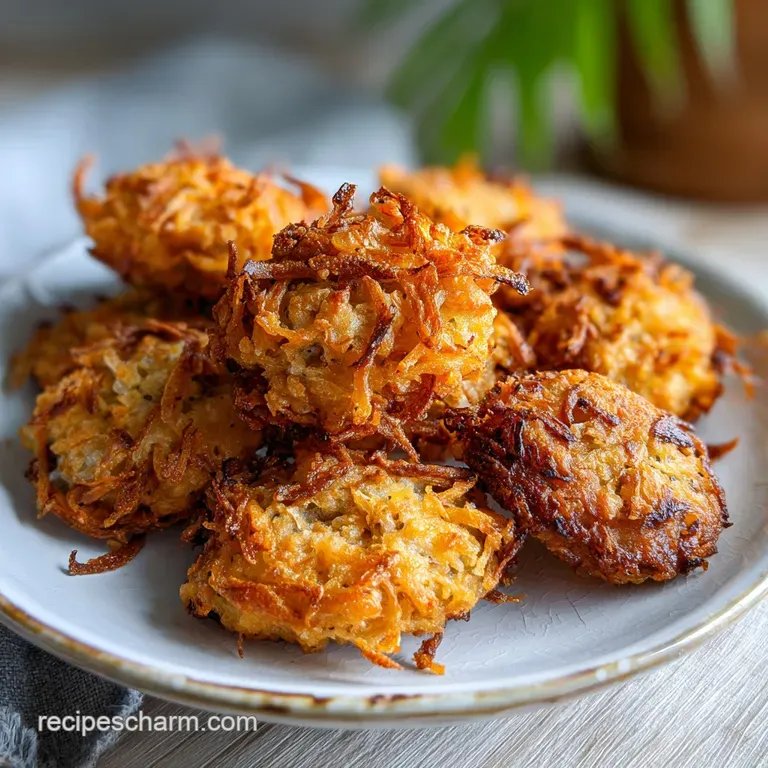
- Soak the bread. Tear the stale Kaiser roll into small chunks and submerge them in the 120ml warm milk for 10 minutes. Note: The bread should be completely saturated and soft.
- Squeeze the roll. Lift the bread out of the milk and squeeze hard with your hands to remove excess liquid. Discard the remaining milk.
- Combine aromatics. In a large bowl, mix the 250g beef, 250g pork, squeezed bread, egg, minced small onion, mustard, parsley, marjoram, salt, pepper, and nutmeg.
- Mix gently. Use your hands to fold the ingredients together until just combined. Note: Over mixing makes the meat tough.
- Shape the patties. Divide the mixture into 4-6 round, slightly flattened patties. Press a small dimple into the center with your thumb to prevent them from bulging while frying.
- Prep the onions. While the meat rests for a few minutes, slice your 2 large onions into thin rings.
- Sear the meat. Heat clarified butter in your skillet over medium heat. Fry the patties for 5-6 minutes per side until deep brown and crusty.
- Rest the meat. Remove the Frikadellen to a warm plate and tent loosely with foil.
- Caramelize onions. In the same pan (don't wipe it out!), add the 2 tbsp unsalted butter, sliced onion rings, sugar, and a pinch of salt.
- Finish the topping. Sauté the onions over medium low heat for about 10 minutes until golden, soft, and slightly sweet. Pile them high on top of the meat.
Solutions for Common Cooking Problems
Solving the Falling Apart Issue
If your patties are crumbling in the pan, it is usually because the binder wasn't strong enough or the meat was too cold when it hit the pan. Make sure you squeeze the bread well; too much milk makes the mix sloppy. Also, resist the urge to flip them too early. Let that crust form!
Avoiding a Dry Texture
Dryness usually comes from using meat that is too lean or overcooking the patties. If you only have lean beef, add a little extra butter to the mix. Use a thermometer to hit that 160°F mark and then stop. Carryover cooking will finish the job while they rest.
| Problem | Root Cause | Solution |
|---|---|---|
| Patties are shrinking | High heat causing protein snap | Start with room temp meat and use medium heat |
| Greasy finish | Pan temperature too low | Heat oil until it shimmers before adding meat |
| Onions are burning | High heat or lack of fat | Reduce heat and add a splash of water to deglaze |
If you are looking for a meal that feels just as hearty but uses different spices, you might enjoy this Jambalaya Recipe to keep things interesting during the week. It is another one pan wonder that feeds a crowd easily.
Common Mistakes Checklist
- ✓ Don't use fresh bread; stale bread holds its structure and absorbs the milk better.
- ✓ Never skip the "dimple" in the center of the patty or they will turn into footballs.
- ✓ Avoid pressing down on the patties with a spatula while they fry; you're just squeezing out the juices.
- ✓ Let the meat rest for at least 5 minutes before serving so the moisture redistributes.
- ✓ Use clarified butter (ghee) for the meat; it has a higher smoke point than regular butter.
Adjusting for Different Batch Sizes
Scaling Down (½ batch): Use one small egg or beat a large egg and use half. Reduce the skillet size so the butter doesn't burn in the empty spaces. The cooking time remains mostly the same, but watch the browning closely.
Scaling Up (2x-4x): Do not crowd the pan. Fry the patties in batches to maintain the oil temperature. You can keep the first batches warm in a 200°F (90°C) oven while you finish the rest.
For the onions, use a second skillet so they have enough room to caramelize properly instead of steaming.
| Feature | Fast Method | Classic Method |
|---|---|---|
| Binder | Breadcrumbs | Milk soaked stale roll |
| Result | Denser, faster | Airier, much juicier |
| Effort | Low | Medium |
Debunking German Kitchen Myths
"You must use a mix of three meats for authenticity." Actually, while some regions use veal, a 50/50 split of beef and pork is the standard across most German households for everyday meals. It provides the perfect balance of flavor and cost.
"Frikadellen are just hamburgers without buns." Not at all! The inclusion of the panade (bread and milk) and the specific seasoning profile (marjoram and nutmeg) creates a completely different texture and flavor profile than a standard American burger.
Keeping Your Leftovers Fresh
Storage: Store leftovers in an airtight container in the fridge for up to 3 days. They actually taste fantastic cold on a piece of sourdough with some extra mustard the next day!
Freezing: You can freeze the cooked patties for up to 2 months. Wrap them individually in plastic wrap before putting them in a freezer bag to prevent freezer burn.
Zero Waste: If you have leftover fried onions, stir them into some mashed potatoes or use them as a topping for a Creamy Provolone Cheesesteak recipe style sandwich. The browned bits in the pan (the fond) can be deglazed with a little beef broth to make a quick gravy.
Perfect Pairings for a Family Dinner
In Germany, we usually serve these with a side of creamy potato salad (the kind with mayo and pickles) or some buttery mashed potatoes. If you want something lighter, a simple green salad with a sharp vinaigrette helps cut through the richness of the fried onions.
Decision Shortcut: If you want a traditional vibe, serve with German Potato Salad and a cold lager. If you want a quick lunch, put the patty on a hard roll with extra mustard. If you want a low carb option, serve over sautéed cabbage or green beans.
This dish is all about the balance of that crispy exterior and the tender, onion topped center. It's a reliable, flavor packed meal that has stood the test of time for a reason. Get that skillet hot and enjoy!
High in Sodium
845 mg mg of sodium per serving (37% of daily value)
The American Heart Association recommends limiting sodium intake to about 2,300mg per day for optimal health.
Tips to Reduce Sodium in Your Meatloaf
-
Reduce Added Salt-25%
Eliminate the 1 tsp of salt added to the meat mixture and the pinch of salt to the onions. Taste and adjust after cooking, if needed. Even reducing salt by half can make a big difference. This meatloaf recipe uses 2 pinches/teaspoons of salt, so reducing it will significantly reduce the sodium.
-
Choose Low Sodium Meats-20%
Both ground beef and ground pork can contain added sodium. Look for varieties labeled as 'low sodium' or 'no salt added'. If unavailable, consider using leaner cuts and trimming any visible fat, as some sodium may be present in rendered fat.
-
Consider Bread Choice-15%
White Kaiser rolls can contain sodium. Check the nutrition label and opt for a lower sodium bread option, or use a smaller quantity. You can also use a saltine cracker substitute.
-
Enhance Flavor with Herbs & Spices
Instead of relying on salt for flavor, experiment with other herbs and spices! The recipe already includes parsley, marjoram, nutmeg, and pepper, and mustard. Consider adding garlic powder, onion powder (no salt added), smoked paprika, or a pinch of red pepper flakes for a more complex flavor profile without added sodium.
Recipe FAQs
What is the crucial step for ensuring Frikadellen stay tender and not tough?
Soak stale bread in warm milk to create a panade. This starch paste coats the meat fibers, physically preventing them from seizing up and becoming dense when cooked.
How to prevent the patties from shrinking excessively during frying?
Form the patties with a slight dimple in the center using your thumb. This technique compensates for the natural shrinkage that occurs as the proteins contract in the heat.
Is it true that I must use clarified butter (ghee) for frying the Frikadellen?
No, you can substitute with a neutral oil like avocado oil. Clarified butter is preferred because its high smoke point prevents the milk solids from burning before the meat achieves a deep brown crust.
How long should the fried onions cook before they are perfectly caramelized?
Sauté them over medium low heat for about 10 minutes until golden and soft. A pinch of sugar added at the start helps draw out moisture and aids the browning process, similar to how sugar balances acid in our Authentic Chamoy Recipe.
Can I make the Frikadellen mixture ahead of time to save time?
Yes, form the patties and refrigerate them for up to 24 hours prior to cooking. This allows the flavors to meld even further, but be sure to let them sit at room temperature for 15 minutes before frying.
What is the correct internal temperature to ensure the patties are safely cooked but still juicy?
Pull them off the heat when they reach 160°F (71°C) internally. Because they are thick, allow them to rest for 5-8 minutes after cooking so carryover heat finishes the process without over drying.
How do I achieve the best crust texture without burning the exterior?
Use a heavy bottomed cast iron skillet heated over medium heat. This type of pan retains consistent heat, searing the exterior rapidly rather than steaming the meat, which is the same heat transfer principle we utilize in our Crispy Parmesan Air recipe for maximum crust development.
Authentic German Frikadellen Recipe

Ingredients:
Instructions:
Nutrition Facts:
| Calories | 492 kcal |
|---|---|
| Protein | 27 g |
| Fat | 31 g |
| Carbs | 19 g |
| Fiber | 2 g |
| Sugar | 6 g |
| Sodium | 845 mg |
