Traditional Blood Sausage Recipe for 10
- Time: Active 45 minutes, Passive 1 hours, Total 1 hours 45 mins
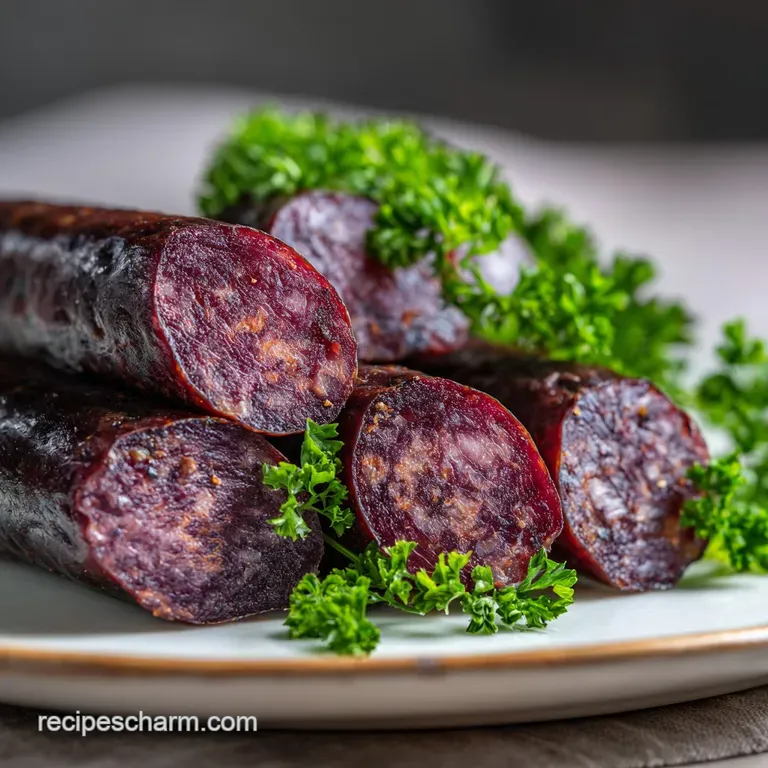
- Flavor/Texture Hook: Rich, earthy interior with a crispy, shatter thin casing
- Perfect for: Weekend projects, heritage dinners, or traditional breakfast spreads
- Crafting an Authentic Homemade Blood Sausage Recipe
- Essential Timing and Serving Strategy
- Analyzing Core Flavor Components
- Required Tools for Sausage Making
- Comprehensive Preparation and Cooking Steps
- Solving Common Production Challenges
- Creative Regional Flavor Adaptations
- Storage and Reheating Best Practices
- Plating Suggestions for Family Dinner
- High in Sodium
- Recipe FAQs
- 📝 Recipe Card
Crafting an Authentic Homemade Blood Sausage Recipe
The first time I stood over a massive bowl of fresh pig blood, I won't lie, I felt a little out of my depth. My kitchen smelled like iron and cold rain, and I had 500g of diced fatback staring back at me. But as the onions hit the pan and that familiar sizzle began, the aroma shifted into something incredibly cozy.
It was the scent of my grandmother's kitchen cloves, allspice, and a warmth that felt like a hug.
Making this blood sausage recipe isn't just about following steps; it's about connecting with a way of cooking that wastes nothing and honors the animal. There’s a specific rhythm to it. You have to be patient with the oats and gentle with the casings.
I’ve definitely had my share of "sausage explosions" in the oven because I got impatient, but those mistakes taught me exactly how to get that velvety, rich texture every single time.
This isn't your average supermarket link. We are talking about a deep, dark, complex flavor profile that feels substantial. When you slice into a finished link and hear that casing shatter, only to find a soft, spice flecked center, you'll realize why this has been a staple in kitchens from Poland to Ireland for centuries.
Let’s get into the nitty gritty of how to make this work in a modern kitchen without the mess.
Essential Timing and Serving Strategy
Getting the internal texture right is the biggest hurdle for most home cooks. If you pull them too early, the blood doesn't set, and you end up with a mess. If you wait too long, the fatback renders out completely and the sausage becomes crumbly and dry.
It's a fine line, but one you can easily manage with a basic thermometer and a little bit of focus.
| Thickness | Internal Temp | Rest Time | Visual Cue |
|---|---|---|---|
| 1 inch (Standard) | 160°F | 10 minutes | Firm to touch, no liquid leaks |
| 1.5 inches (Jumbo) | 160°F | 15 minutes | Casing looks taut and dark |
| 0.5 inches (Snack) | 155°F | 5 minutes | Springs back when pressed |
I usually aim for the 1 inch thickness because it cooks evenly and fits perfectly on a slice of toasted rye bread. This reminds me of the hearty flavors in my Ground Deer Meat recipe where the balance of fat and lean meat is absolutely critical for the best results.
The Physics of the Binder
Starch Gelatinization: The steel cut oats act as tiny sponges, absorbing the liquid blood and milk while releasing starches that create a solid, sliceable matrix. This prevents the sausage from falling apart during the secondary sear.
Protein Coagulation: As the blood reaches 160°F, the albumin and other proteins form a dense network, much like an egg setting in a custard, which gives the dish its signature velvety mouthfeel.
Lipid Suspension: By dicing the fatback finely rather than grinding it, we ensure "pockets" of moisture that melt slightly but remain intact, providing bursts of richness in every bite.
Analyzing Core Flavor Components
The success of this dish relies on the quality of your base. If you can get fresh blood from a local butcher, do it. Strained blood ensures there are no clots, which can create an uneven texture. The 500g of pork fatback is non negotiable it’s what provides the lubrication for the oats.
Without it, you're basically eating a dry brick of grain.
| Ingredient | Science Role | Pro Secret |
|---|---|---|
| Fresh Pig Blood (1 liter) | Primary Protein/Liquid | Strain twice through a fine mesh sieve to remove all micro clots for a silky finish. |
| Steel cut Oats (400g) | Structural Scaffold | Toast them in a dry pan for 3 minutes before soaking to add a nutty depth. |
| Fatback (500g) | Moisture & Palatability | Chill the fat until nearly frozen before dicing to keep the cubes distinct and sharp. |
When you’re mixing the oats with the 250ml of whole milk, you're essentially pre hydrating the grains. This is a trick I learned after a few batches turned out "crunchy" in a way that wasn't pleasant.
The milk also softens the metallic edge of the blood, making the final flavor much more approachable for family dinners.
Required Tools for Sausage Making
You don't need a high tech factory setup, but a few specific items make this 1 hour 45 mins process much smoother. A sausage stuffer is great, but a simple wide mouthed funnel works wonders if you have a bit of patience.
I prefer using a dedicated stuffer because it keeps air bubbles to a minimum, and air is the enemy of a casing that doesn't burst.
- Large mixing bowl (non reactive, like stainless steel or glass)
- Fine mesh strainer
- Sausage stuffer or a large funnel with a wide neck
- Large stockpot for poaching
- Instant read meat thermometer
- Kitchen twine for tying off the links
Make sure your 10 feet of hog casings are rinsed thoroughly. I usually soak mine in warm water with a splash of lemon juice for about 30 minutes. It makes them more pliable and removes that "salty" smell that can be a bit overwhelming. If you're looking for a lighter meal after all this heavy prep, a Starbucks Medicine Ball recipe is a fantastic way to reset your palate.
Comprehensive Preparation and Cooking Steps
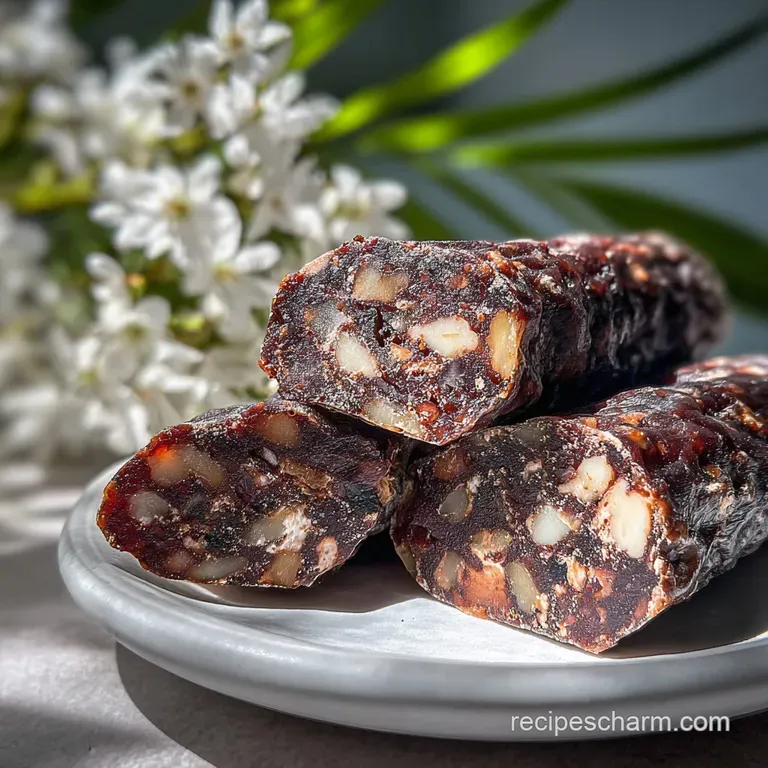
- Prep the casings. Rinse the 10 feet of hog casings inside and out with cool water. Note: This removes excess salt and checks for any large holes before you start filling.
- Sauté the aromatics. Cook the 2 minced onions in a little bit of the fatback until translucent and fragrant but not browned.
- Hydrate the grains. Combine the 400g of oats or groats with 250ml of whole milk in a small bowl. Note: Let this sit for 20 minutes so the grains soften slightly before hitting the blood.
- Strain the blood. Pour the 1 liter of fresh pig blood through a fine mesh sieve into a large bowl. until no lumps remain.
- Mix the base. Add the 25g sea salt, 5g pepper, 3g allspice, 2g cloves, 2g marjoram, and 1g thyme to the blood.
- Incorporate solids. Stir in the diced fatback, the onion mixture, and the soaked oats. Note: Stir gently to avoid creating too many air bubbles.
- Stuff the casings. Feed the casing onto the funnel or stuffer and slowly fill with the mixture until the casing is taut but not overfilled.
- Tie the links. Use kitchen twine to twist and tie the sausage into 4 or 6 inch links.
- Poach the sausages. Simmer a pot of water (around 175°F) and submerge the sausages. Cook for 1 hour until the internal temperature hits 160°F.
- Cool and dry. Remove the sausages and let them air dry on a rack for at least 30 minutes.
Chef's Note: Do not let the poaching water boil. If the water boils, the air inside the casings will expand too rapidly and cause the sausages to explode, leaving you with a pot of blood soup instead of links.
Once they are cooled, I highly recommend frying a few slices in a cast iron skillet. The contrast between the creamy interior and the crisp exterior is what makes this blood sausage recipe truly legendary. It's very similar to the flavor intensity you find in a well seasoned Pinch Me Recipe, where the garlic and herbs do the heavy lifting.
Solving Common Production Challenges
Even if you follow the steps perfectly, sausage making can be unpredictable. The most common issue is the casing. It’s a natural product, so it has thin spots. If you see a bulge forming while you're stuffing, stop immediately and redistribute the filling.
It’s better to have a slightly loose sausage than one that pops the moment it hits the hot water.
Why Your Sausage Texture is Grainy
If your final product feels more like sand than silk, the oats likely didn't hydrate enough, or the poaching temperature was too high, causing the proteins to tighten and squeeze out all the moisture.
| Problem | Root Cause | Solution |
|---|---|---|
| Casing Bursts | Overfilling or Boiling Water | Leave 1 inch of "slack" in each link and keep water below 180°F. |
| Grey Color | Oxidation or Low Salt | Ensure blood is fresh and salt is measured accurately to preserve color. |
| Crumbly Interior | Too much grain, not enough fat | Follow the 500g fatback ratio strictly; fat is the "glue" here. |
Common Mistakes Checklist
- ✓ Never use "old" blood; it should smell metallic and fresh, not sour.
- ✓ Prick each link 2-3 times with a sterile pin before poaching to release air.
- ✓ Keep your fatback chilled until the very last second before mixing.
- ✓ Always use a thermometer; "guessing" doneness is the fastest way to dry sausage.
- ✓ Let the sausages rest completely before slicing; the "set" happens during cooling.
Creative Regional Flavor Adaptations
The beauty of this recipe is how much it changes based on where you are. In a polish blood sausage recipe (Kaszanka), you’d likely use buckwheat groats instead of oats, giving it a much nuttier, bolder flavor.
In a german blood sausage recipe (Blutwurst), you might see more warm spices like cinnamon or ginger added to the mix.
| Original Ingredient | Substitute | Why It Works |
|---|---|---|
| Steel cut Oats | Buckwheat Groats | Traditional in Eastern Europe; adds an earthy, robust flavor profile. |
| Pork Fatback | Lard (melted/cooled) | Easier to mix but results in a smoother, less "textured" interior. |
| Whole Milk | Heavy Cream | Increases richness and creates an even more velvety mouthfeel. Note: Very decadent. |
If you want a truly old fashioned blood sausage recipes experience, try adding a handful of raisins or diced apples. The sweetness cuts through the iron rich blood and the heavy fat perfectly.
If you find yourself out of hog casings, you can actually steam the mixture in heat safe plastic wrap or even bake it in a loaf pan, though you'll miss that satisfying "snap."
Storage and Reheating Best Practices
Once your sausages are poached and cooled, they will stay fresh in the fridge for about 5 to 7 days. I actually think they taste better on day two because the spices have had more time to mingle and the oats have fully set. For long term storage, you can freeze them for up to 3 months.
Wrap them tightly in plastic wrap and then place them in a freezer bag to prevent freezer burn.
When it comes to reheating, avoid the microwave at all costs it turns the casing rubbery and the interior mushy. The best way is to slice the sausage into rounds and sear them in a pan with a tiny bit of butter or oil. You want that "sizzle" to develop a crust.
If you have leftover scraps that fell out of the casing, don't toss them! Fry them up and toss them with some roasted potatoes or fold them into scrambled eggs for a high protein breakfast.
Plating Suggestions for Family Dinner
Presentation is everything with a dish this dark. I love serving these on a wooden board with bright, acidic accompaniments to balance the richness. Think pickled red onions, a sharp grainy mustard, or even a side of sautéed apples with plenty of lemon juice.
- The Classic Spread: Serve seared slices alongside thick cut bacon, eggs, and fried bread.
- The Gastropub Style: Place two whole links over a bed of creamy mashed potatoes with a side of sauerkraut.
- The Modern Appetizer: Thinly slice the sausage, sear until crispy, and serve on a crostini with a dollop of apple compote.
Don't be afraid of the color! Embrace the deep mahogany hues. When you bring a platter of these to the table, the aroma of cloves and toasted oats will win over even the most skeptical eaters. It’s hearty, traditional, and deeply satisfying the ultimate reward for a bit of kitchen bravery.
Debunking Blood Sausage Misconceptions
A common myth is that blood sausage tastes "bloody" or like copper. In reality, when properly seasoned with allspice and cloves, the blood acts more like a rich, savory base much like the way eggs function in a quiche. It provides texture and depth rather than a metallic punch.
Another misconception is that you can't cook it in the oven. While poaching is traditional, you can achieve a great blood sausage recipe oven finish by placing the links in a deep baking dish with an inch of water, covering tightly with foil, and "steaming" them at 300°F until they hit the target temperature.

High in Sodium
968 mg 968 mg of sodium per serving (42% 42% of daily value)
The American Heart Association recommends limiting sodium intake to no more than 2,300mg per day for most adults. This recipe exceeds that limit.
Tips to Reduce Sodium in Your Blood Sausage (Kaszanka)
-
Reduce Added Salt-25%
Carefully measure and reduce the sea salt by 50%, bringing it down to 12.5g. Taste and adjust after cooking. This will significantly decrease the sodium content.
-
Use Leaner Pork-15%
Replace half of the pork fatback with an equal amount of lean ground pork. This lowers the overall amount of ingredient and may help lower the need for salt.
-
Consider Unsweetened Milk Alternative-5%
Try substituting unsweetened almond or oat milk for whole milk. Although this will not reduce much of the salt, it will reduce fat content.
-
Boost Flavor with Herbs and Spices
Experiment with fresh herbs like parsley and bay leaf to enhance flavor without adding sodium. Consider adding a pinch of cayenne pepper for a subtle kick.
Recipe FAQs
How do they make blood sausage?
Mix strained fresh blood with cooked groats or oats, diced fatback, and strong spices. The mixture is stuffed into casings and then slow poached until the proteins coagulate, setting the sausage into a firm, sliceable link.
Is eating blood sausage good for you?
Yes, it is highly nutritious. Blood sausage is incredibly rich in iron and protein due to the primary ingredient, but it is also very high in saturated fat from the required fatback.
What is blood sausage called in the USA?
It is commonly called blood sausage, but often referred to as black pudding. Regional names vary widely, but 'black pudding' is the most recognized term outside of specific ethnic markets.
What does blood sausage taste like?
It tastes rich, earthy, and deeply savory, balanced by warm spices like allspice and clove. It should not taste metallic; the flavor is often compared to dark, heavily seasoned meatloaf.
How do you ensure the blood sausage casing doesn't burst during poaching?
Keep the poaching water temperature consistently below 180°F and avoid overfilling the casing. If you master controlling the heat expansion here, it's the same temperature precision you apply to cooking meat perfectly; check out our Branzino Fillet Recipe for learning precision in different contexts.
What is the best fat substitute for blood sausage?
There is no direct fat substitute that works well for texture. The fatback provides essential structure and lubrication that absorbs spices; trying to substitute it often leads to a crumbly interior.
Can I freeze raw, uncooked blood sausage mixture?
No, it is strongly recommended to poach them first. Uncooked blood mixture has a high risk of texture breakdown and spoilage if frozen; poaching sets the structure, much like tempering eggs, which locks in your texture efforts for later reheating.
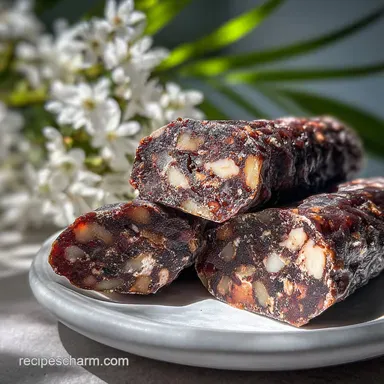
Blood Sausage Recipe Homemade
Ingredients:
Instructions:
Nutrition Facts:
| Calories | 654 kcal |
|---|---|
| Protein | 25.8 g |
| Fat | 47.8 g |
| Carbs | 31.1 g |
| Fiber | 4.2 g |
| Sugar | 2.5 g |
| Sodium | 968 mg |
