Butter Pecan Cake Recipe: Southern Style
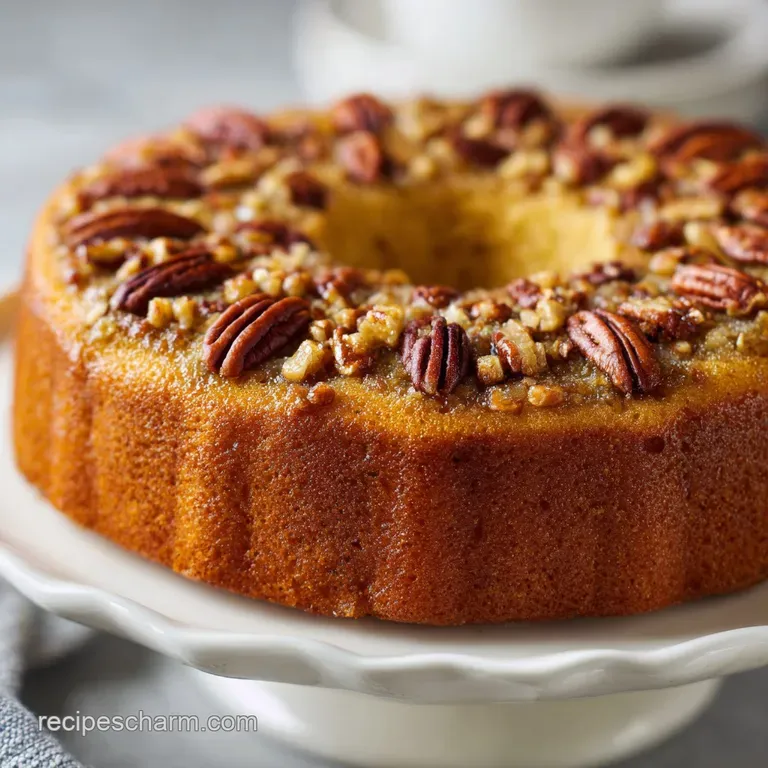
- Time: Active 30 minutes, Passive 50 minutes, Total 1 hours 20 mins
- Flavor/Texture Hook: Velvety crumb with buttery shatter pecan crunch
- Perfect for: Milestone celebrations or an Instagram worthy weekend project
- Create the Ultimate Butter Pecan Cake Recipe
- The Physics of Toasted Fat
- Precise Timing and Serving Specs
- Component Analysis and Selection
- Selecting Your Premium Elements
- Professional Tools for Better Baking
- Master the Multi Stage Method
- Solving Your Baking Challenges
- Creative Variations and Smart Swaps
- Adjusting for Different Sizes
- Kitchen Myths Debunked
- Storage and Zero Waste Tips
- Stunning Presentation and Pairings
- Recipe FAQs
- 📝 Recipe Card
Create the Ultimate Butter Pecan Cake Recipe
The first time I really understood the obsession with a southern butter pecan cake recipe, it wasn't from a bite of cake, but from the air in my kitchen. I was standing over a skillet of 42g of salted butter, watching it foam and dance.
When I tossed in those 225g of roughly chopped raw pecan halves, the sound was like a tiny, aggressive applause. Within two minutes, the aroma hit toasty, deep, and woodsy and I knew this wasn't just another sponge cake. It was a textural event.
I used to make the mistake of using raw pecans straight from the bag. Honestly, don't even bother. The difference between a raw nut and one that has sizzled in butter until it reaches a dark amber hue is the difference between a sketch and a finished painting.
That toasting process creates a nutty intensity that perfumes the entire crumb, ensuring every forkful feels like a warm hug from a Southern grandmother, but with the aesthetic polish of a high end patisserie.
The Physics of Toasted Fat
Developing this pecan cake recipe required a bit of kitchen chemistry to ensure the crumb remained light while carrying the weight of the nuts.
- Maillard Intensity: Toasting pecans in butter triggers a chemical reaction between amino acids and sugars, creating hundreds of new flavor compounds.
- Acid Base Balance: The lactic acid in the 240g of room temperature sour cream reacts with the baking soda to create instant carbon dioxide bubbles.
- Fat Suspension: Coating the nuts in butter before folding them in helps prevent them from sinking to the bottom of the pans.
Baking Progress and Doneness Cues
| Cake Component | Internal Temp | Cooling Time | Visual/Touch Cue |
|---|---|---|---|
| Sponge Layer | 208°F (98°C) | 15 minutes | Springy center, edges pull away |
| Browned Butter | N/A | 30 minutes | Solidified but still spreadable |
| Toasted Nuts | N/A | 10 minutes | Deep mahogany with a glossy sheen |
Precise Timing and Serving Specs
When you are planning for an event, timing is your best friend. This cake is quite substantial, yielding 12 servings that are rich enough to satisfy even the most dedicated sweet tooth.
Because of the high fat content from the 226g of unsalted butter and the sour cream, the layers are remarkably sturdy, making them a dream for stacking and frosting.
If you are looking for another showstopper for your dessert table, you might enjoy the contrast of a White Chocolate Raspberry recipe which offers a bright, tart counterpoint to the deep caramelized notes here. We've found that serving this cake at a slight room temperature around 70°F allows the butter pecan frosting recipe to melt slightly on the tongue, releasing all those toasted notes.
Component Analysis and Selection
| Ingredient | Science Role | Pro Secret |
|---|---|---|
| Sour Cream | Tenderizer | Always use full fat; the acidity breaks down gluten for a velvety finish. |
| Pecan Halves | Structural Crunch | Hand chop for varied sizes to create a more interesting "shatter" in each bite. |
| Almond Extract | Flavor Bridge | It acts as a floral "magnifying glass" for the natural nuttiness of the pecans. |
Selecting Your Premium Elements
To get that viral worthy look, every element needs to be high-quality. We aren't just making a snack; we are building an experience.
- Pecan Halves (225g): Look for raw, unsalted halves. Why this? Toasting them yourself ensures they stay crisp and don't taste stale.
- All Purpose Flour (360g): Provides the structure needed for the nuts. Why this? Cake flour is too weak to support the heavy pecan inclusions.
- Unsalted Butter (226g + 42g + 226g): Used in three stages. Why this? Using unsalted allows you to control the seasoning with sea salt precisely.
- Sour Cream (240g): Must be room temperature. Why this? Cold sour cream will seize your butter and cause a curdled batter.
- Pure Vanilla Extract (2 tsp): Use the good stuff. Why this? Synthetic vanillas can't compete with the complexity of real bean extract here.
Recommended Ingredient Substitutions
| Original Ingredient | Substitute | Why It Works |
|---|---|---|
| Sour Cream (240g) | Full fat Greek Yogurt | Similar acidity and fat. Note: Results in a slightly tangier crumb profile. |
| Pecan Halves (225g) | Walnuts | High fat content. Note: Adds a slightly more bitter, earthy finish than pecans. |
| Granulated Sugar (400g) | Brown Sugar | Adds molasses moisture. Note: The cake will be darker and much denser. |
While this southern butter pecan cake recipe is a classic, I sometimes like to experiment with different flavor profiles. If you’re in the mood for something with a citrusy kick, my Chocolate Orange Cheesecake recipe is another fantastic option for a sophisticated dinner party.
Professional Tools for Better Baking
You don't need a professional kitchen, but a few specific tools will make this old fashioned butter pecan cake recipe much easier to execute. A heavy bottomed stainless steel skillet is essential for browning the pecans and butter without scorching.
I also highly recommend using a stand mixer such as a KitchenAid to ensure the 400g of sugar and 226g of butter are aerated to a pale, fluffy cloud.
Standard 9 inch (23cm) round cake pans are my go to for this recipe. Make sure you have a digital kitchen scale; measuring by weight rather than volume is the only way to guarantee that your 360g of flour is actually 360g. Using cups can result in up to 30% more flour, leading to a dry, leaden cake that nobody wants.
Master the Multi Stage Method
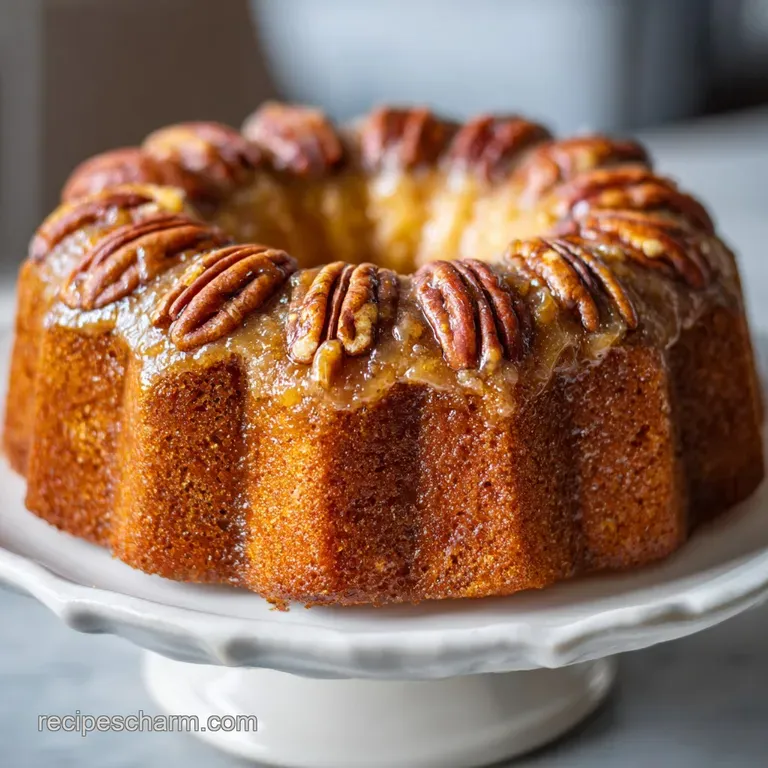
To Achieve an Intense Nutty Aroma
- Toast pecans. Sizzle 42g salted butter in a pan, add 225g pecans, and cook 5 minutes until fragrant and mahogany.
- Cool completely. Spread the nuts on a tray. Note: Adding hot nuts to batter will melt the butter and ruin the rise.
For a Velvety Base
- Cream fats. Beat 226g unsalted butter with 400g sugar for 5 minutes until pale and significantly increased in volume.
- Emulsify eggs. Add 3 eggs one at a time. Note: This creates a stable emulsion that holds the air bubbles in place.
- Incorporate extracts. Mix in 2 tsp vanilla and 1/2 tsp almond extract until the aroma is sweet and floral.
The Golden Bake
- Alternate dry/wet. Add 1/3 of the flour mixture, then 1/2 the sour cream, repeating until the batter is thick and glossy.
- Fold nuts. Gently stir in the toasted pecans by hand. Note: Over mixing here will develop too much gluten and make the cake tough.
- Bake layers. Divide into pans and bake 50 minutes at 180°C until a skewer comes out with a few moist crumbs.
Whipped Brown Butter Frosting
- Brown the butter. Melt 226g butter in a pan until it smells like toasted hazelnuts and shows dark flecks.
- Whip frosting. Beat cooled brown butter with 500g powdered sugar and 60ml heavy cream until light, airy, and spreadable.
Solving Your Baking Challenges
To Fix a Dry Cake
If you accidentally overbaked your layers, don't panic. You can create a simple syrup by boiling equal parts sugar and water with a splash of vanilla. Brush this over the warm cake layers; the liquid will seep into the crumb and restore that silky texture you were aiming for.
To Prevent Pecan Sinking
Sometimes the nuts all end up at the bottom, which ruins the "viral worthy" slice. This usually happens if your batter is too thin. Ensure your sour cream and eggs are at room temperature so the butter stays emulsified and the batter remains thick enough to suspend those heavy pecan pieces.
| Problem | Root Cause | Solution |
|---|---|---|
| Sunken Center | Underbaked or too much soda | Bake until 208°F and check leavener measurements. |
| Grainy Frosting | Sugar not sifted | Always sift the 500g of powdered sugar through a fine mesh sieve. |
| Greasy Crumb | Butter was too soft | Butter should be 65°F (18°C), yielding slightly to pressure but not shiny. |
Common Mistakes Checklist
- ✓ Never use cold eggs; they will break the butter emulsion instantly.
- ✓ Don't skip the sifting of the 360g of flour; it ensures no lumps of soda.
- ✓ Avoid checking the oven before 40 minutes; the sudden temp drop causes sinking.
- ✓ Ensure your pecans are completely cool before adding to the batter.
- ✓ Do not over brown the butter for the frosting, or it will taste burnt rather than nutty.
Creative Variations and Smart Swaps
For a southern maple twist, you can replace the vanilla extract in the frosting with 1 tablespoon of high-quality maple syrup. This deepens the autumnal vibes of the cake and pairs beautifully with the toasted pecans. If you want a and Tasty Spring recipe vibe during the warmer months, try adding a layer of fresh peach preserves between the cake layers to cut through the richness of the butter.
If you are looking for a butter pecan cake recipe with cake mix for a faster version, use a yellow cake mix as the base, but still toast your pecans in butter and use sour cream instead of the water called for on the box.
It won't have the exact same density, but it’s a brilliant shortcut for a busy weeknight when you still want that homemade flavor.
Premium vs. Budget Ingredients
| Component | Premium Choice | Budget Alternative | Impact on Flavor |
|---|---|---|---|
| Pecans | Mammoth Halves | Pecan Pieces | Pieces are cheaper but have less "shatter." |
| Butter | European style | Store Brand | European butter has less water, making a richer crumb. |
| Vanilla | Vanilla Bean Paste | Imitation Vanilla | Imitation lacks the floral complexity of the paste. |
Adjusting for Different Sizes
If you want to scale this recipe down for a small intimate dinner, you can halve the ingredients and bake it in a single 8 inch pan. You will need to reduce the cook time by about 10-15 minutes. For a large party, doubling the recipe works well, but I suggest baking the layers in batches.
When doubling, keep the baking soda and powder at 1.5x the original amount to prevent a metallic aftertaste, while keeping the liquids at a true 2x.
Baking a double batch in a standard oven can be tricky because of air circulation. If you're doing this, lower the temperature to 170°C and rotate the pans halfway through to ensure an even, golden bake across all layers.
Kitchen Myths Debunked
One common myth is that you must toss pecans in flour to stop them from sinking. In a thick batter like this one, it’s actually the viscosity of the batter and the size of the nut pieces that matter more. As long as your batter is properly aerated and thick, those pecans aren't going anywhere.
Another misconception is that sour cream makes the cake taste "sour." In reality, the 240g of sour cream provides moisture and fat without thinning the batter like milk would. The tang is neutralized by the sugar and baking soda, leaving behind only a tender, velvety texture that stays fresh for days.
Storage and Zero Waste Tips
This cake stores beautifully in the fridge for up to 5 days. Because of the high butter content in the frosting, it will firm up significantly when cold, so always let it sit at room temperature for at least 30 minutes before serving.
You can also freeze the unfrosted layers for up to 3 months just wrap them tightly in plastic wrap and then foil.
To practice zero waste, save any pecan dust or small fragments from your chopping board. These can be toasted and folded into your morning oatmeal or sprinkled over a scoop of vanilla ice cream. If you have leftover frosting, it makes a stunning filling for sandwich cookies or a dip for sliced apples.
Stunning Presentation and Pairings
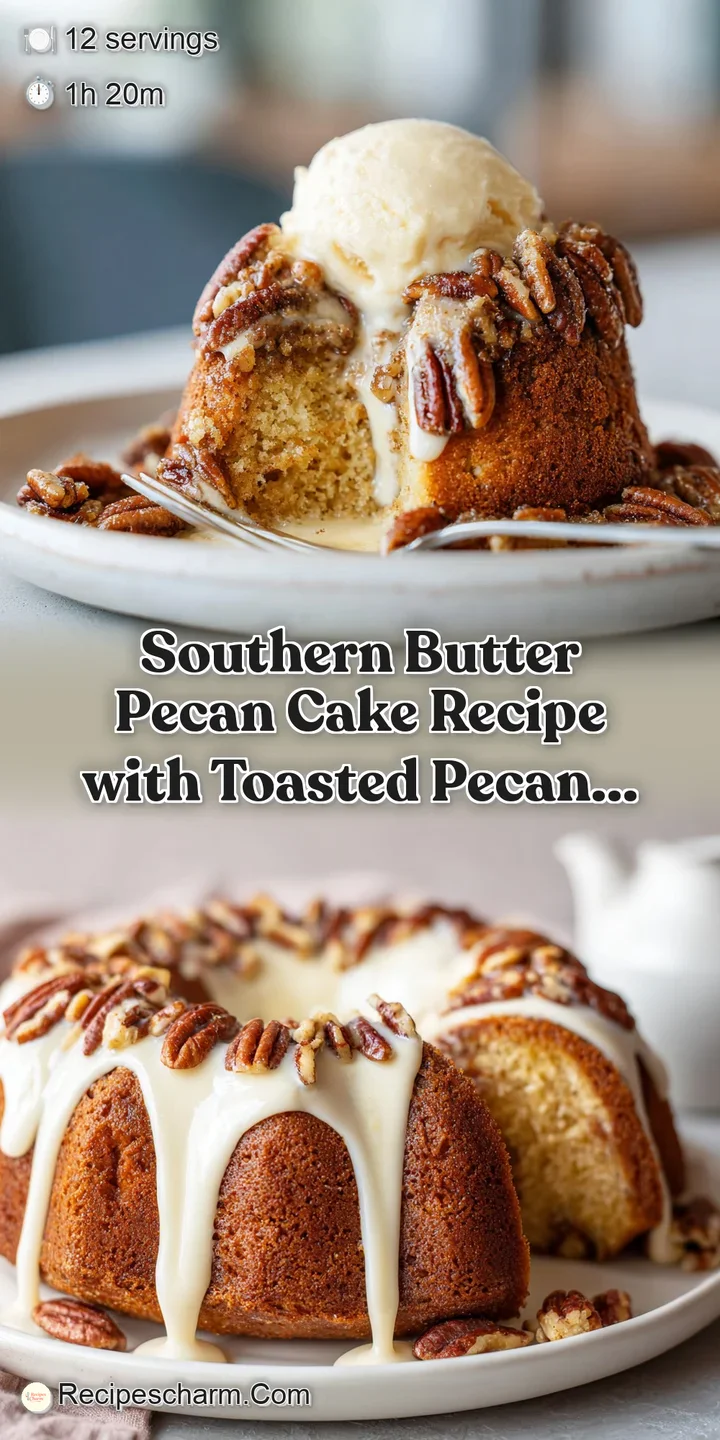
To get that viral worthy look, I like to press a few whole toasted pecans into the base of the frosting around the bottom of the cake. It creates a professional, finished border that hints at the treasures inside.
A light dusting of sea salt over the top of the brown butter frosting also adds a sophisticated sparkle that balances the sweetness.
For a sophisticated dessert pairing, serve a slice of this cake with a small glass of tawny port or a dark, nutty sherry. The oxidized notes in the wine mirror the toasted flavors of the pecans perfectly. If you are serving this for a classic Southern brunch, a strong chicory coffee provides the perfect bitter edge to slice through the rich, buttery crumb. For more inspiration on festive baking, our Sweet Magic 2026 recipe offers another way to use nuts in a decadent, celebration ready format.
Recipe FAQs
What is the best flavor frosting for butter pecan cake?
Brown Butter Frosting is the consensus favorite for this cake. Its deep, toasted hazelnut notes naturally complement the pecans, creating a cohesive flavor profile. A simple cream cheese frosting is also excellent if you prefer a tangier finish to cut through the richness.
What ingredient will make a cake more moist?
Sour cream is the key ingredient for guaranteed moisture retention in this recipe. The high fat content, combined with the acidity, tenderizes the gluten structure, resulting in a velvety crumb that stays fresh longer. This technique is similar to how we use cultured dairy for better structure in our Kodiak Pancakes Recipe.
What are common baking mistakes with butter cake?
Overmixing the batter after adding the flour is the most common error, leading to a tough, dense texture. Once the dry ingredients are incorporated, only mix until streaks just disappear. Also, ensure your eggs and sour cream are at room temperature to maintain a stable batter emulsion.
What are the ingredients in butter pecan cake mix?
A standard homemade butter pecan cake mix base generally includes all-purpose flour, granulated sugar, baking powder/soda, salt, and perhaps some ground spices like cinnamon. For this from scratch recipe, you rely on separate wet ingredients like butter, eggs, and sour cream for flavor and rise.
Is it true I must use a double boiler to brown butter for the frosting?
No, this is a common misconception. Browning butter is best achieved in a light colored, heavy bottomed skillet over medium heat until you see dark flecks and smell hazelnut. Using a double boiler inhibits the rapid water evaporation needed for proper browning.
How do I ensure the pecans don't sink to the bottom of the cake pans?
Gently fold the completely cooled, butter toasted pecans in last using a spatula, avoiding vigorous stirring. The most critical step is ensuring your batter is thick; cold dairy or under creamed butter results in a thin batter that cannot suspend the heavy nuts.
Can I substitute the pecans with another nut?
Yes, walnuts are the best substitute due to their similar high fat content, which contributes to a rich crumb. If you are interested in exploring a different style of rich baked good, you might enjoy the technique used to balance flavor in our Recipe for Ezekiel bread.
Butter Pecan Cake Recipe
Ingredients:
Instructions:
Nutrition Facts:
| Calories | 899 kcal |
|---|---|
| Protein | 6.9 g |
| Fat | 53.6 g |
| Carbs | 101.4 g |
| Fiber | 2.6 g |
| Sugar | 75.6 g |
| Sodium | 291 mg |
