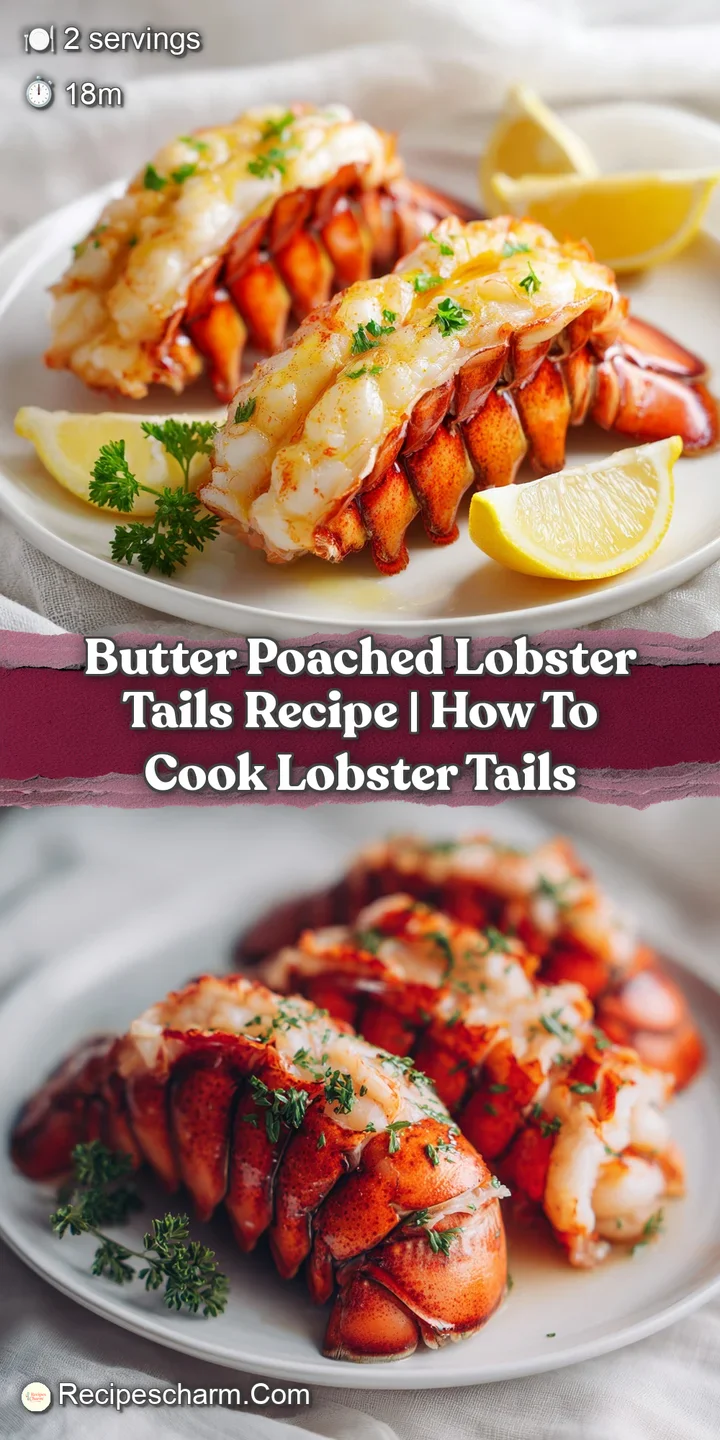
Butter Poached Lobster Tails Recipe
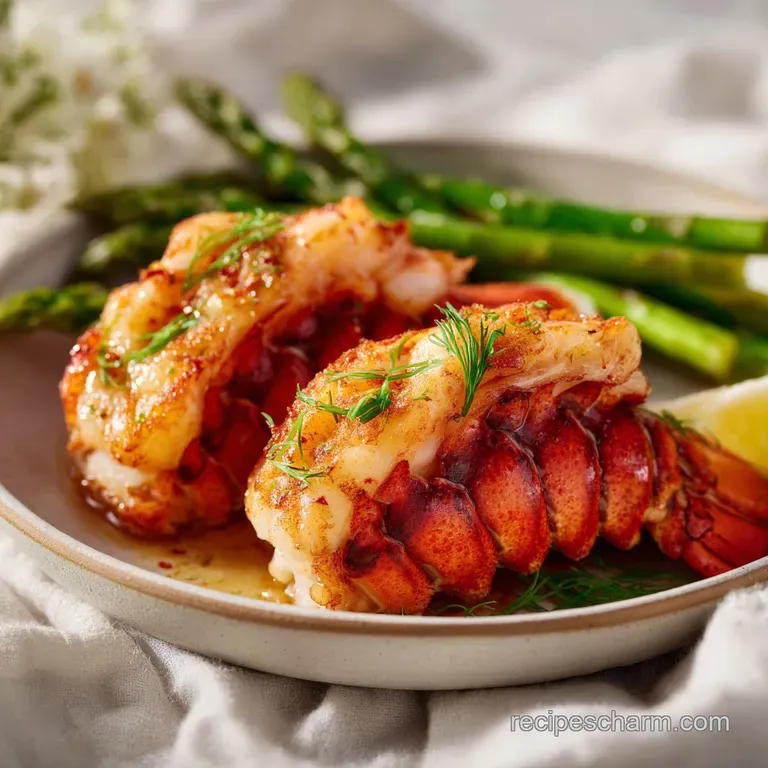
- Time: Active 10 minutes, Passive 8 minutes, Total 18 minutes
- Flavor/Texture Hook: Silky, velvety meat with a rich, herbaceous finish
- Perfect for: Anniversary dinners, quiet celebrations, or a "fancy" Friday night
- The Secret Success: Butter Poached Lobster Tails Recipe
- Recipe Specs and Poaching Physics
- The Component Analysis: Science and Substitutions
- Essential Equipment for a Flawless Poach
- From Prep to Plate: Practical Instructions
- Troubleshooting Mistakes and Solving Common Problems
- Scaling and Myths About Poaching Lobster
- Make It Your Own: Flavorful Variations
- Storage Tips and Zero Waste Guidelines
- Presentation Tips for the Family Dinner
- Very High in Sodium
- Recipe FAQs
- 📝 Recipe Card
The Secret Success: Butter Poached Lobster Tails Recipe
I still remember the first time I tried to cook lobster for my husband. I went the traditional route a massive pot of boiling water, a lot of steam, and a timer that I stared at like a hawk. The result? A rubbery, tough mess that tasted more like a pencil eraser than a delicacy. It was heartbreaking, honestly.
We ended up eating toast that night, and I didn't touch lobster again for two years.
But then I learned about poaching in butter, often called a "Beurre Monté." The first time the aroma of melting butter and fresh tarragon hit my nose, I knew this was different. Instead of the aggressive heat of boiling water, the lobster gently bathes in a warm, golden emulsion.
When I took that first bite, the meat didn't snap; it practically melted. It was a revelation in my own kitchen, and I realized that fancy restaurant food is often just about choosing the right temperature, not the most complex steps.
Trust me, you don't need a culinary degree for this. You just need a little patience and a decent thermometer. Once you see those tails turn that pearly, opaque white while sitting in a pool of garlic infused butter, you'll never go back to the big boiling pot.
It's the kind of hearty, soul warming meal that makes a regular Tuesday feel like a grand occasion.
Recipe Specs and Poaching Physics
When we talk about this butter poached lobster tails recipe, we're really talking about a gentle hug for the protein. Lobster meat is mostly water and delicate muscle fibers that seize up the moment they get too hot. By using a butter bath, we create a thermal buffer that keeps the meat succulent.
- Emulsion Stability: The water in the butter prevents the fat from reaching high searing temperatures, keeping the environment around 160°F to 175°F.
- Protein Denaturation: At low heat, the proteins in the lobster uncoil slowly rather than snapping shut, which prevents the "rubber band" texture.
- Flavor Infusion: Because butter is a fat, it carries the fat soluble compounds from the garlic and tarragon directly into the meat.
- Moisture Retention: The fat coats the exterior of the lobster, creating a barrier that stops the internal juices from leaking out into the pan.
| Thickness | Internal Temp | Rest Time | Visual Cue |
|---|---|---|---|
| 1 inch | 140°F | 2 minutes | Opaque and pearly white |
| 1.5 inches | 140°F | 3 minutes | Firm but bouncy to touch |
| 2 inches | 140°F | 4 minutes | Solid white with red edges |
The key here is the internal temperature. Unlike a steak, lobster doesn't need a long rest, but those few minutes allow the residual heat to finish the center without overcooking the outside. It's a game of precision, but a very rewarding one.
The Component Analysis: Science and Substitutions
Choosing your ingredients for this dish is half the battle. Since there are so few components, each one has a big job to do. I always tell my friends to splurge a little on the butter here it’s the star of the show, after all.
| Ingredient | Science Role | Pro Secret |
|---|---|---|
| Cold water Lobster | Low activity muscle | Cold water tails are sweeter and firmer than warm water ones. |
| Unsalted Butter | Emulsion base | Using unsalted lets you control the seasoning perfectly at the end. |
| Filtered Water | Emulsion starter | Cold water helps the butter cubes incorporate without breaking. |
| Fresh Tarragon | Aromatic layer | Tarragon has a natural licorice note that mimics the sweetness of the sea. |
For the actual list, stick to the basics. You'll need: 2 Cold water lobster tails (5-6 oz each) Why this? Cold water species grow slower, resulting in much denser, sweeter meat. 1 tsp sea salt 1 cup high-quality unsalted butter, cubed and chilled 2 tbsp filtered water 2 cloves garlic, smashed 1 sprig fresh tarragon or thyme 1 tsp fresh lemon juice
Ingredient Swaps
| Original Ingredient | Substitute | Why It Works |
|---|---|---|
| Lobster Tails | Jumbo Shrimp (U-10) | Similar protein structure. Note: Reduce poaching time to 3-4 minutes. |
| Fresh Tarragon | Fresh Chives | Provides a mild onion herb finish without the anise flavor. |
| Filtered Water | Dry White Wine | Adds a subtle acidity. Note: Reduces the richness of the butter slightly. |
If you find yourself craving something sweet after such a rich meal, I highly recommend a slice of a Butter Pecan Cake recipe. The nuttiness of the pecans mirrors the toasted notes of the butter poaching liquid beautifully.
Essential Equipment for a Flawless Poach
You don't need a kitchen full of gadgets, but a few specific items make this butter poached lobster tails recipe much easier to manage. I've tried doing this in a massive stockpot, and it was a disaster because the butter was too shallow.
- Small Heavy Bottomed Saucepan: You want a narrow pan so the lobster can be fully submerged in the butter without needing five pounds of it.
- Kitchen Shears: Essential for "butterflying" or removing the meat from the shell without shredding it.
- Digital Meat Thermometer: This is non negotiable. Guessing the doneness of lobster is a recipe for heartbreak.
- Whisk: For creating that initial water and butter emulsion (the Beurre Monté).
- Tongs: Silky, butter coated lobster is slippery! Good tongs with silicone tips are your best friend here.
Chef's Tip: Freeze your butter for 10 minutes before cubing it. Cold butter incorporates more slowly into the water, which helps prevent the emulsion from "breaking" into a greasy mess.
From Prep to Plate: Practical Instructions
Right then, let's get into the flow of it. The prep is quick, but the poaching requires your full attention. Don't wander off to check your phone once the lobster hits the pan!
- Prep the lobster. Use kitchen shears to cut down the top of the shell. Gently pry the meat out, keeping it in one piece. Note: Keeping the meat whole ensures even cooking.
- Clean and dry. Rinse the meat under cold water and pat it completely dry with paper towels. Wait until it's bone dry so the butter clings to it.
- Start the Beurre Monté. Place 2 tbsp filtered water in your small saucepan over medium low heat. Bring it to a simmer.
- Emulsify the butter. Add two cubes of chilled butter at a time, whisking constantly. Whisk until the butter is creamy and looks like a thick sauce, never letting it boil.
- Add aromatics. Drop in the smashed garlic, tarragon sprig, and a pinch of salt. Let them steep in the butter for 2 minutes.
- Introduce the lobster. Lower the lobster tails into the butter bath. The butter should almost cover them.
- Poach gently. Cook for 6-8 minutes, spooning butter over any exposed meat. Cook until the internal temp hits 140°F and the meat is opaque.
- The finishing touch. Stir in 1 tsp fresh lemon juice right at the end to cut through the richness.
- Remove and rest. Use tongs to lift the lobster out. Let it rest on a warm plate for 2 minutes before serving.
Troubleshooting Mistakes and Solving Common Problems
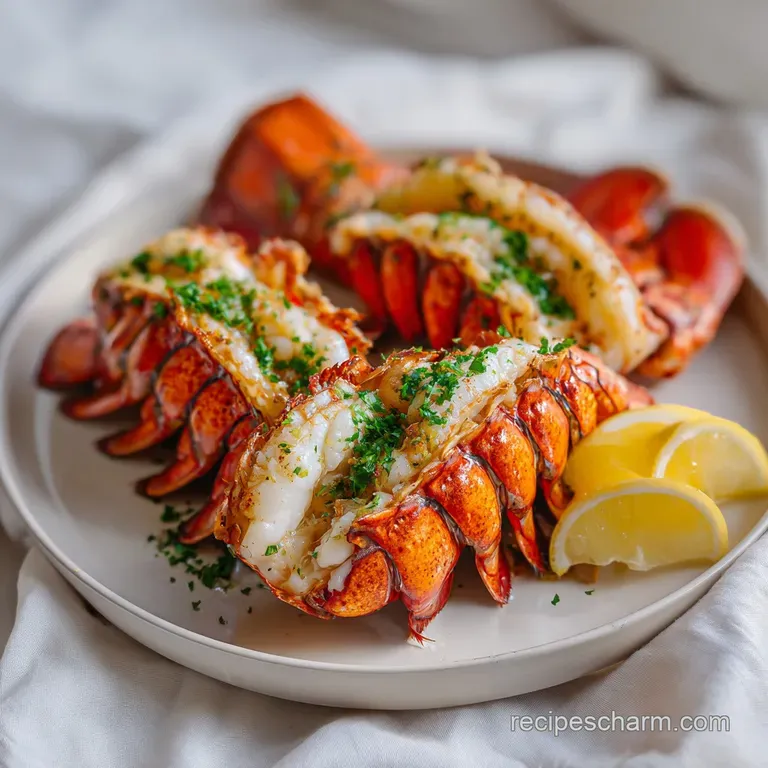
Even the best cooks have days where the kitchen gods aren't smiling. If things look a bit wonky, don't panic. Most issues with this lobster tails recipe are related to temperature control.
Why did my butter separate?
If you see a layer of clear yellow oil on top and milky solids at the bottom, your heat was too high. The water evaporated, and the emulsion broke. You can sometimes fix this by removing the pan from the heat and whisking in a teaspoon of cold water or a fresh cube of cold butter very rapidly.
Why is the lobster meat still translucent?
If the center looks clear or greyish after 8 minutes, your poaching liquid was likely too cold. Check the temperature of the butter; it should be around 170°F. Give it another 2 minutes, but don't rush it by turning the heat to high, or you'll toughen the exterior.
| Problem | Root Cause | Solution |
|---|---|---|
| Tough/Chewy Meat | Overcooked (past 145°F) | Slice thinly and serve with extra butter to mask the dryness. |
| Greasy Texture | Broken Emulsion | Whisk in a splash of cold water off the heat to reform the sauce. |
| Bland Flavor | Lack of Salt/Acid | Add a tiny pinch of flaky salt and an extra drop of lemon juice before serving. |
Common Mistakes Checklist
- ✓ Pat the lobster completely dry; water on the surface prevents the butter from coating the meat.
- ✓ Never let the butter come to a rolling boil; you want a "lazy" bubble at most.
- ✓ Use a small enough pan; if the pan is too wide, the lobster won't be submerged.
- ✓ Don't skip the lemon juice; the acidity is what makes the sweetness of the lobster pop.
Scaling and Myths About Poaching Lobster
If you're cooking for a crowd, scaling up this butter poached lobster tails recipe is fairly straightforward. However, don't just double everything blindly.
Scaling Up (4-6 people): You don't necessarily need to double the butter. If you use a slightly larger pan and nestle the tails closely, you might only need 1.5 times the butter. Increase the garlic and herbs to 1.5x as well, but keep the lemon juice to taste.
Work in batches if your pan is crowded; overcrowding drops the temperature too fast.
Scaling Down (1 person): Use a very small butter melter or a tiny saucepan. You’ll still need about 3/4 cup of butter to ensure the tail is submerged, but you can save the leftover herb butter for steak the next day.
Poaching Myths Debunked
- Myth: You need a gallon of butter. You really don't. The goal is submersion, not volume. A small, narrow pan is the secret to using less butter while still getting that deep poach.
- Myth: Boiling is faster and tastes the same. Boiling actually washes away the lobster's natural briny sweetness. Poaching adds flavor while preserving the delicate texture.
- Myth: Frozen lobster is always bad. Honestly, most "fresh" lobster in grocery stores was previously frozen anyway. high-quality flash frozen tails are often better than "fresh" ones that have been sitting in a tank for a week.
Make It Your Own: Flavorful Variations
Once you've mastered the classic version, you can start playing with the aromatics. I love the traditional tarragon, but sometimes the mood calls for something different.
- The Spicy "Angry" Lobster: Add a half teaspoon of red pepper flakes and a smash of ginger to the butter bath. It gives a slow heat that is incredible with the sweet meat.
- The Citrus Blast: Use lime juice instead of lemon and add strips of grapefruit zest to the poaching liquid. It’s very refreshing for a summer dinner.
- The Smoky Finish: Whisk in a tiny drop of liquid smoke or use smoked sea salt to finish the dish. It mimics the flavor of a grilled lobster without the risk of drying it out.
If you're not in the mood for fancy seafood and want something more nostalgic, my Classic Peanut Butter recipe is the perfect humble dessert to follow a decadent meal. There's something so grounding about a cookie after a "white tablecloth" style main course.
Storage Tips and Zero Waste Guidelines
If you happen to have leftovers (a rare occurrence in my house!), you have to be careful with reheating. Lobster is very unforgiving the second time around.
Storage: Place the cooked lobster in an airtight container and cover it with some of the poaching butter. It will stay good in the fridge for up to 2 days. I don't recommend freezing cooked poached lobster, as the texture becomes grainy.
Reheating: Whatever you do, do not microwave it. Put the lobster and the solidified butter in a small pan over very low heat. Let the butter melt and gently warm the lobster through.
Zero Waste Tips: The Shells: Never throw them away! Boil the empty shells with some onion, carrot, and celery to make a quick lobster stock for risotto or bisque. The Butter: The leftover poaching butter is liquid gold. Strain it and keep it in the fridge.
Use it to sear scallops, toss with pasta, or even just spread it on a piece of crusty sourdough. It’s packed with lobster and garlic flavor.
Presentation Tips for the Family Dinner
You've put in the effort to make a beautiful meal, so let’s make it look the part. You don't need tweezers or edible gold, just a few simple touches.
I like to serve the tails on a warm white plate to let the red and white of the meat stand out. Pour a little extra of that golden poaching butter over the top right before serving it creates a beautiful shimmer.
A few fresh leaves of tarragon scattered around look great, and a wedge of lemon on the side is a must for those who want an extra zing.
If you’re serving this as a full meal, a simple side of roasted asparagus or a light arugula salad works best. You want something with a bit of "crunch" to contrast the velvety texture of the lobster. And honestly? Don't forget the bread.
A warm baguette to soak up that herb infused butter is the best part of the whole experience. Happy cooking!
Very High in Sodium
1245 mg mg of sodium per serving (54% % of daily value)
The American Heart Association recommends limiting sodium intake to no more than 2,300mg per day.
Tips to Reduce Sodium in Lobster with Beurre Blanc
-
Reduce Sea Salt-25%
The sea salt contributes significantly to the sodium content. Reduce the amount of sea salt used in the recipe by half, from 1 tsp to 1/2 tsp (2.5g). This will significantly decrease the sodium content without sacrificing too much flavor.
-
Rinse Lobster Tails-5%
Rinse the lobster tails under cold water before cooking to remove any excess surface salt.
-
Enhance with Lemon
Increase the amount of fresh lemon juice from 1 tsp to 2 tsp (10ml) to enhance the flavor profile and compensate for the reduction in salt.
-
Flavor with Herbs
Experiment with a variety of fresh herbs beyond tarragon or thyme. Try dill, chives, or parsley to add flavor complexity without adding sodium.
Recipe FAQs
How do you poach lobster tails in butter?
Start by preparing a beurre monté (emulsion). Gently simmer 2 tablespoons of cold water in a saucepan, then whisk in chilled butter cubes slowly until a thick, creamy sauce forms, keeping the temperature low (around 170°F).
Is butter poached lobster good?
Yes, it is widely considered the superior method for texture. The low, consistent heat of the butter bath cooks the protein gently, resulting in incredibly silky, moist meat that never becomes tough or rubbery.
How long do I poach lobster for?
Cook until the internal temperature reaches 140°F, which usually takes 6 to 8 minutes. You must use a thermometer for accuracy; visually, the meat should transition from translucent to pearly white and feel firm yet bouncy.
What are common mistakes when cooking lobster tails?
The most common error is overheating the butter, causing the emulsion to break. If the butter separates into clear oil and solids, the heat was too high, which will transfer that aggressive heat to the lobster, making it tough.
Should I use frozen lobster tails for this method?
No, flash frozen raw tails are acceptable, but avoid previously thawed tails whenever possible. For the best texture, start with tails that have been chilled in the refrigerator overnight after purchasing them, allowing them to thaw slowly.
What can I serve with butter poached lobster tails?
Serve with a side that contrasts the richness, like a bright salad or tender vegetables. This pairs beautifully with my Crispy Parmesan Roast Potatoes recipe for a balanced, satisfying plate.
Why does this technique result in such tender meat compared to boiling?
The secret lies in temperature control and fat transference. Boiling aggressively denatures proteins, but poaching in butter at 170°F allows the proteins to relax slowly, and the fat coats the meat, locking in the natural moisture. If you enjoyed mastering temperature precision here, apply that low-heat logic to achieve this silky result.
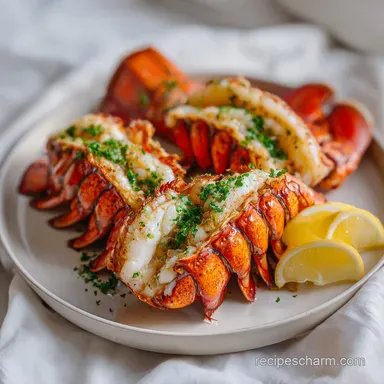
Butter Poached Lobster Recipe
Ingredients:
Instructions:
Nutrition Facts:
| Calories | 947 kcal |
|---|---|
| Protein | 31 g |
| Fat | 93 g |
| Carbs | 1.2 g |
| Fiber | 0.1 g |
| Sugar | 0.2 g |
| Sodium | 1245 mg |
