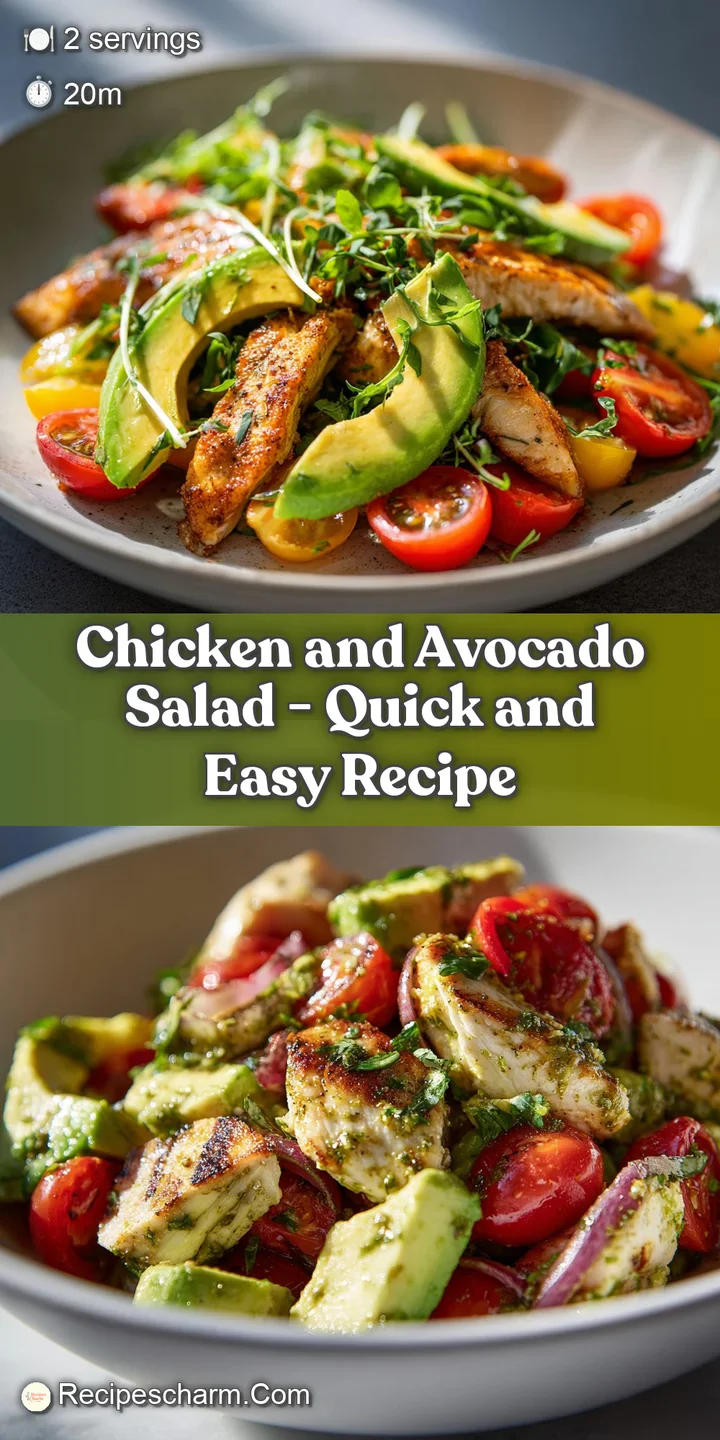
Chicken and Avocado Salad: Zesty and Creamy
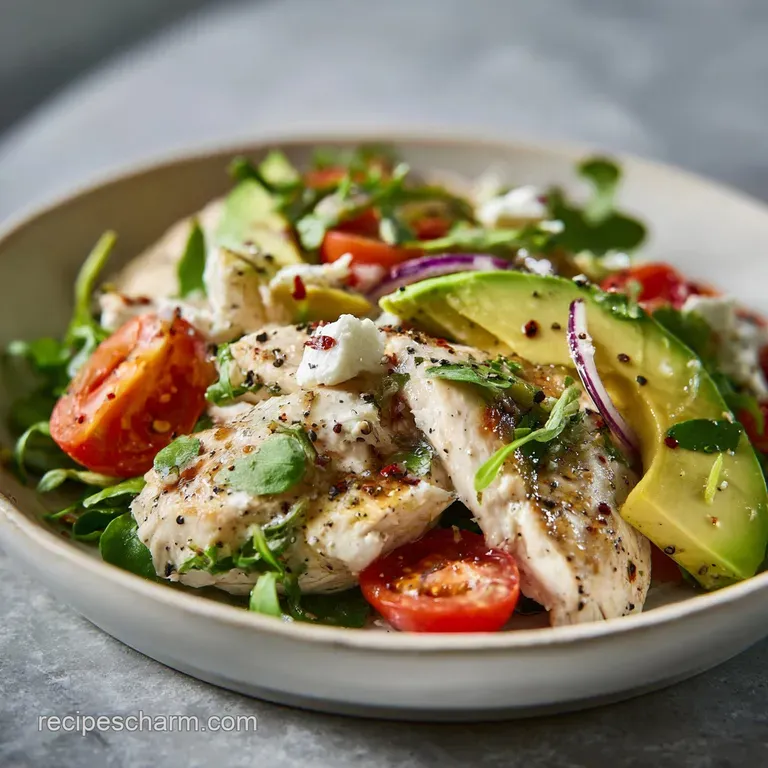
- Time: Active 10 minutes, Passive 10 minutes, Total 20 minutes
- Flavor/Texture Hook: Zesty, smoky, and incredibly creamy
- Perfect for: High energy work lunches or rapid weeknight recovery meals
- Master the Vibrant Chicken and Avocado Salad
- The Chemistry of Balanced Textures
- The Science of Nutritional Fuel
- Fresh Elements and Smart Substitutes
- Step-by-Step Guide to Perfection
- Solving Texture and Flavor Issues
- Scaling for Success
- Common Prep Misconceptions
- Storage and Zero Waste
- Vibrant Side Dishes for Balance
- Recipe FAQs
- 📝 Recipe Card
Master the Vibrant Chicken and Avocado Salad
That sharp, citrusy aroma hitting the air always wakes me up. I remember the first time I ditched the heavy mayo based salads for this version; the sizzle of the chicken medallions hitting the hot oil was the soundtrack to a total kitchen breakthrough.
There is something about the contrast between the hot, smoked paprika crust and the buttery, cold avocado that makes every bite feel like a fresh start.
We have all been there, staring at a wilted, sad desk lunch that leaves us feeling heavy and uninspired. This dish is the exact opposite. It's about fuel and flavor working in harmony.
Discover a delightful Work Idea with Chicken and Avocado Salad recipe for a quick and healthy meal that actually keeps you satisfied until dinner. You'll get that hit of high-quality protein and those essential fats that make your brain feel sharp.
I have made every mistake in the book with this one, from soggy tomatoes to "browned out" avocados that looked less than appetizing by noon. Today, I am sharing the little adjustments that changed everything for me.
We are going to focus on heat control, acid balance, and that specific way of folding ingredients so nothing gets mushy. It’s simple, it's fast, and it is going to become your new favorite way to meal prep.
The Chemistry of Balanced Textures
- Maillard Magnification: High heat triggers a reaction between amino acids and sugars in the chicken, creating a savory crust that contrasts the soft avocado.
- Acidic Inhibition: The lime juice contains citric acid which slows down polyphenol oxidase, the enzyme responsible for turning avocado brown.
- Lipid Emulsification: As you toss the salad, the natural fats in the avocado slightly break down, mixing with lime juice to create a creamy coating.
- Osmotic Pressure: Salting the tomatoes too early draws out water, so we add salt only to the chicken to keep the vegetables crisp.
To get the most out of your protein, you need to know exactly when it has reached that juicy, safe state. Overcooking is the enemy of a good salad, turning tender meat into something resembling a pencil eraser. Use this guide to ensure your chicken medallions stay succulent every single time you fire up the stove.
| Thickness | Internal Temp | Rest Time | Visual Cue |
|---|---|---|---|
| 1 inch | 165°F (74°C) | 3 minutes | Opaque white, clear juices |
| 0.5 inch | 165°F (74°C) | 2 minutes | Golden crust, firm bounce |
| 1.5 inch | 165°F (74°C) | 5 minutes | Slight resistance when pressed |
Understanding the thermal properties of your ingredients is the difference between a mediocre meal and a vibrant one. For instance, searing the chicken with smoked paprika doesn't just add flavor; the sugars in the spice help the exterior caramelize faster, which is a trick I learned while perfecting my Chicken and Peppers recipe. This prevents the meat from drying out while you wait for that golden color.
The Science of Nutritional Fuel
| Component | Science Role | Pro Secret |
|---|---|---|
| Chicken Breast | Lean Protein Density | Slice against the grain for maximum tenderness. |
| Hass Avocado | Monounsaturated Fats | Use "ripe firm" fruit to maintain structure during tossing. |
| Fresh Lime Juice | Enzymatic Denaturation | Grate the zest first to double the aromatic impact. |
| Smoked Paprika | Oil Soluble Aromatics | Bloom the spice in oil to release deep, wood fired notes. |
Each ingredient in this lineup serves a functional purpose. The red onion provides a sharp, sulfuric bite that cuts through the richness of the avocado, while the cilantro offers a cooling finish.
When these elements hit your palate, they hit different taste receptors simultaneously, which is why this dish feels so satisfying.
Fresh Elements and Smart Substitutes
- 1 lb chicken breast: Sliced into 1 inch medallions. Why this? Increases surface area for spices and ensures rapid, even cooking.
- Substitute: Chicken thighs (Adds more fat but stays juicier if overcooked).
- 2 large Hass avocados: Cubed into 1 inch pieces. Why this? Provides the creamy base that replaces traditional mayonnaise.
- Substitute: Large Florida avocados (Lower fat, firmer texture, slightly sweeter).
- 1 cup cherry tomatoes: Halved. Why this? High skin to flesh ratio prevents the salad from getting watery.
- Substitute: Sun dried tomatoes (Intense sweetness, less moisture).
- 0.5 medium red onion: Finely diced. Why this? Adds essential crunch and a sharp flavor contrast.
- Substitute: Shallots (Milder, more delicate onion flavor).
- 3 tbsp fresh lime juice: Freshly squeezed. Why this? Acts as both a flavor brightener and a preservative.
- Substitute: Lemon juice (Sharper, more floral acidity).
- 1 tsp smoked paprika: high-quality. Why this? Mimics a grilled flavor even when using a standard pan.
- Substitute: Chili powder (Adds earthiness and a bit more heat).
- 0.5 tsp ground cumin: Earthy depth. Why this? Bridges the gap between the citrus and the savory meat.
- Substitute: Ground coriander (Lighter, more citrus forward earthiness).
- 1 tbsp extra virgin olive oil: For searing.
- 0.5 tsp sea salt: To season.
- 0.25 tsp cracked black pepper: For a subtle bite.
- 0.25 cup fresh cilantro: Roughly chopped.
- 1 clove garlic: Grated.
- 1 pinch red pepper flakes: For a hint of warmth.
step-by-step Guide to Perfection
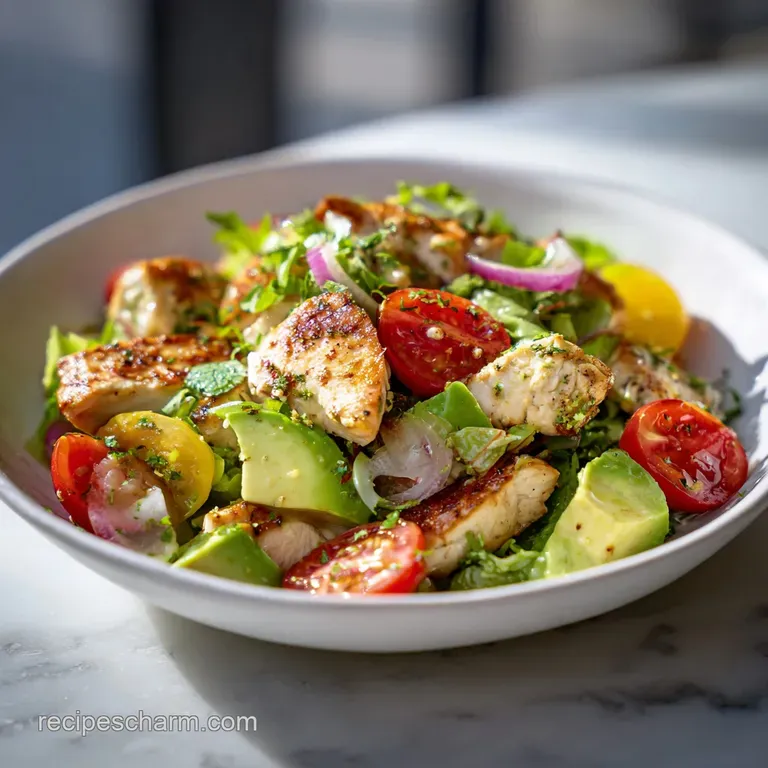
- Prep the chicken. Slice the 1 lb chicken breast into 1 inch medallions. Note: Uniform size ensures every piece finishes cooking at the exact same moment.
- Season the meat. Toss chicken with 1 tsp smoked paprika, 0.5 tsp cumin, 0.5 tsp sea salt, and 0.25 tsp pepper. Note: Dry rubbing the spices directly onto the meat creates a more intense flavor crust.
- Heat the pan. Add 1 tbsp olive oil to a large skillet over medium high heat. Note: Wait for the oil to shimmer to ensure the chicken sears rather than steams.
- Sear the protein. Cook chicken for 5 minutes per side until golden brown and the juices run clear. Note: Avoid moving the pieces for the first 3 minutes to let the Maillard reaction work its magic.
- Macerate the onions. While chicken cooks, combine 0.5 diced red onion with 3 tbsp lime juice and grated garlic in a small bowl. Note: The acid "cooks" the onion slightly, removing that harsh raw bite.
- Prep the vegetables. Halve 1 cup cherry tomatoes and cube 2 large Hass avocados. Note: Keep the avocado cubes large so they don't turn into mash when you mix everything.
- Cool the meat. Remove chicken from the pan and let it rest for 3 minutes. Note: This prevents the hot chicken from immediately wilting the fresh herbs and melting the avocado.
- Combine the base. Place the tomatoes, avocado, and cilantro in a large bowl.
- Add the dressing. Pour the onion and lime juice mixture over the vegetables.
- Final fold. Add the chicken and red pepper flakes, tossing gently until the avocado slightly glazes the meat.
Chef's Tip: If you want to take the texture even further, try the technique used for a Thin Chicken Breast recipe by pounding the meat slightly before slicing; it makes the medallions incredibly tender.
Solving Texture and Flavor Issues
Why Your Salad is Watery
If your bowl ends up with a pool of liquid at the bottom, it's usually an issue with the tomatoes or the timing of the salt. Tomatoes release their juices as soon as they meet salt. If you're packing this for later, keep the dressing separate or use whole cherry tomatoes.
Why Your Avocado is Mushy
Over ripe avocados are great for guacamole, but they fail in a salad where you want distinct cubes. Look for fruit that yields slightly to firm pressure but doesn't feel soft. Also, the way you stir matters use a wide rubber spatula and a "folding" motion rather than a vigorous stir.
| Problem | Root Cause | Solution |
|---|---|---|
| Dry Chicken | Overcooking small pieces | Pull at 160°F; carryover heat hits 165°F |
| Bitter Aftertaste | Lime pith included | Only use juice and the green part of the zest |
| Soggy Vegetables | Dressing sat too long | Toss just before serving or keep separate |
I've found that a few simple habits can prevent almost every common disaster with this dish. Trust me, once you start following these rules, your meal prep game changes forever.
- ✓ Pat chicken completely dry with paper towels before seasoning (ensures a crisp sear).
- ✓ Grate your garlic into the lime juice rather than mincing it (spreads flavor more evenly).
- ✓ Let the chicken cool to room temperature if you want the salad to stay crisp for hours.
- ✓ Use a "ripe firm" avocado that feels like a chilled stick of butter when pressed.
- ✓ Keep the cilantro stems; they hold more flavor than the leaves and add great crunch.
Scaling for Success
When you need to feed a crowd or just want to survive a busy week, scaling this recipe is straightforward. For a half batch (1 serving), use a small 8 inch skillet and stick to the same cook times. You’ll only need one avocado, but keep the lime juice at 2 tablespoons to ensure enough acidity for the dressing.
If you are doubling or tripling the recipe for a weekend gathering, don't crowd the pan. Work in batches to sear the chicken. If you put 2 or 3 pounds of chicken in a single pan, the temperature drops, and the meat will boil in its own juices instead of getting that beautiful brown crust.
For the spices, you don't need to triple the salt start with 1.5 times the amount and adjust to taste.
If you are looking for a high volume version that stays within your macros, checking out a Macro Friendly Chicken recipe can give you ideas on how to bulk this up with high fiber greens like spinach or kale without losing the flavor profile.
Common Prep Misconceptions
One big myth is that leaving the avocado pit in the salad bowl prevents browning. In reality, the pit only protects the area it is physically touching. The only way to truly stop oxidation is to coat the surface area in an acid like lime juice or to create a physical barrier with plastic wrap pressed directly against the fruit.
Another mistake people make is thinking they need to use a non stick pan for the chicken. While it works, a stainless steel or cast iron skillet is actually better. These materials allow for better heat retention and development of "fond" (those little brown bits), which translates to more flavor in your final Chicken and Avocado Salad.
Storage and Zero Waste
Storage Guidelines: This salad is best enjoyed fresh, but you can store it in the fridge for up to 24 hours. The lime juice will keep the avocado green, but the texture will soften over time.
Do not freeze this salad; the cellular structure of both the avocado and the tomatoes will collapse upon thawing, resulting in a mushy mess.
Zero Waste Tips: Don't throw away those cilantro stems! They are packed with flavor and provide a nice crunch; just chop them finely and toss them in with the leaves. If you have leftover red onion, soak the slices in a bit of vinegar and water they make a great topping for tacos the next day.
Also, any leftover chicken medallions are a fantastic addition to a morning egg scramble for a high protein start to your day.
Vibrant Side Dishes for Balance
This salad is quite filling on its own, but if you're serving it for dinner, it pairs beautifully with light, airy sides. A side of quinoa or brown rice can soak up the extra lime and avocado "dressing" that pools at the bottom of the bowl.
If you want to keep things low carb, serving this over a bed of massaged kale or arugula adds a peppery bite that complements the smoky chicken.
For a crunchier contrast, try serving with high-quality seed crackers or even some lightly toasted corn tortillas. The goal is to keep the energy high and the flavors bright. Whether you're eating this at a desk or on your patio, the combination of warm spice and cool creaminess is a total winner.
Recipe FAQs
What are some good sides to go with chicken salad?
Light grains or leafy greens are best. Serving this vibrant salad over a bed of quinoa or massaged kale provides textural contrast without weighing down the meal. This keeps the overall feeling bright and energetic, unlike heavy sides.
What to put in a chicken avocado salad?
You need protein, fat, acid, and crunch. Essential components include the seared chicken, creamy avocado, bright lime juice for acid, and finely diced red onion for textural contrast. Don't forget smoked paprika for depth.
How to make a chicken salad more exciting?
Sear the chicken medallions on high heat to build a robust crust. This contrast between the hot, seasoned exterior and the cool, buttery avocado elevates the entire dish significantly. If you enjoy mastering crust development, see how the same searing principle applies when making a Thin Chicken Breast recipe.
What to mix with avocado salad?
Mix with ingredients that balance the richness of the avocado. Fresh, high acid components like lime or lemon juice, and crunchy elements like diced red onion or toasted seeds, are perfect partners. For a low-fat option, try substituting the avocado with a creamy yogurt dressing following a similar acidic structure to our Kodiak Pancakes Recipe base.
How long can I store leftover chicken and avocado salad?
Store for a maximum of 24 hours refrigerated. The lime juice protects the avocado initially, but texture will soften the longer it sits. For best results, keep the dressing and the avocado separate if meal prepping for more than one day.
Is it true I must use only the avocado flesh and discard the rest?
No, this is a common misconception. While the flesh is key, finely chopping the cilantro stems along with the leaves adds an underrated crunch and strong aromatic quality to the mix. You can learn similar flavor maximizing techniques when preparing a Chia Pudding Recipe by utilizing all parts of the coconut.
How do I prevent the chicken from becoming dry when searing?
Pull the chicken off the heat when the internal temperature hits 160°F. Carryover cooking will safely raise the temperature to the final 165°F while resting, locking in moisture. This precision temperature control ensures a juicy result every time.
Chicken Avocado Salad Recipe
Ingredients:
Instructions:
Nutrition Facts:
| Calories | 689 kcal |
|---|---|
| Protein | 56 g |
| Fat | 42 g |
| Carbs | 24 g |
| Fiber | 15 g |
| Sugar | 5 g |
| Sodium | 620 mg |
