Macro Friendly Chicken and Vegetable Skillet
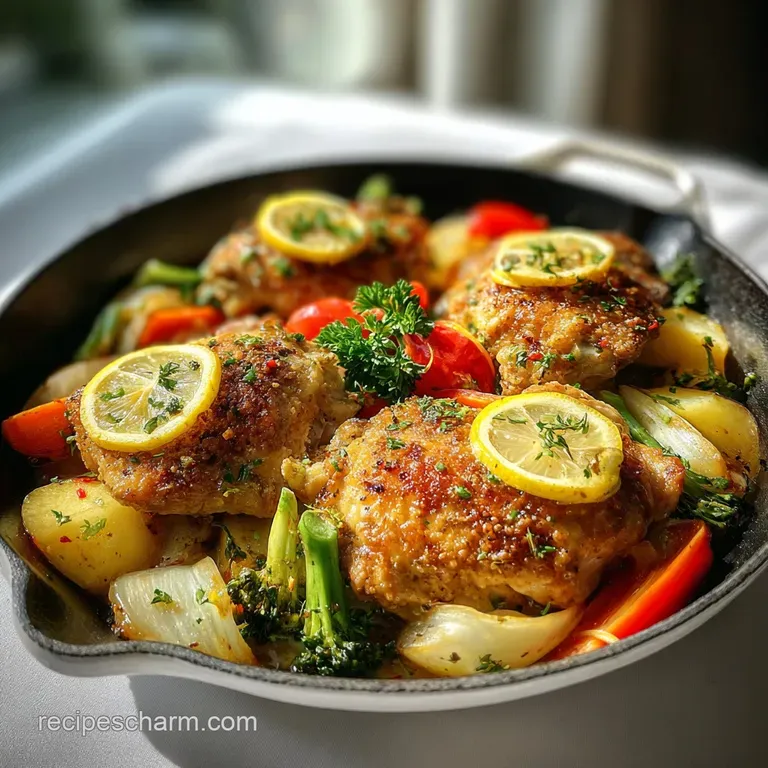
- Time: Active 15 minutes, Passive 15 minutes, Total 30 minutes
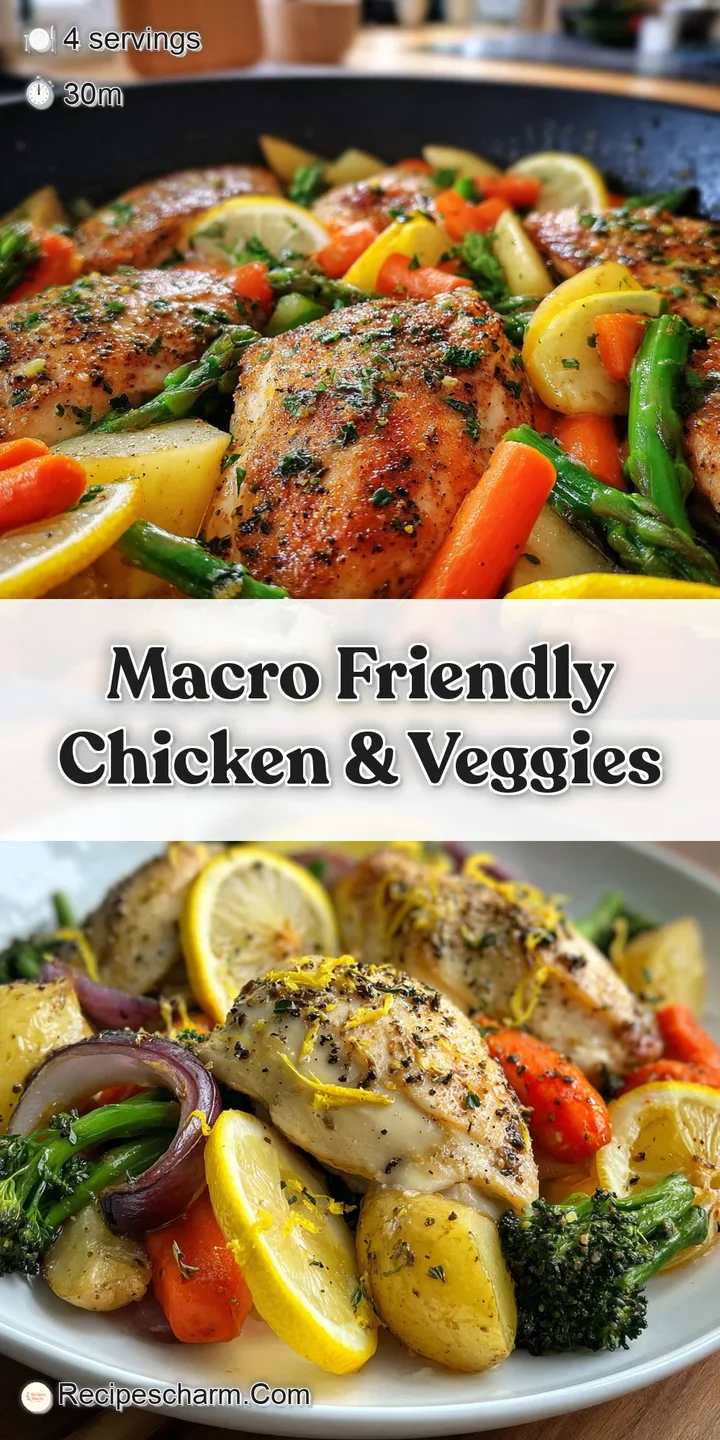
- Flavor/Texture Hook: Zesty lemon glaze with snappy, charred vegetables
- Perfect for: High protein meal prep and busy weeknight family dinners
- Macro Friendly Recipe with Chicken and Vegetables
- Why This Skillet Meal Works
- Selecting High Quality Components
- What You Will Need
- Best Tools for Success
- Bringing the Meal Together
- Avoiding Common Kitchen Disasters
- Adjusting for Different Needs
- Debunking Skillet Cooking Myths
- Storage and Zero Waste
- Macro Friendly Chicken and Vegetable FAQs
- 📝 Recipe Card
Macro Friendly Recipe with Chicken and Vegetables
The sound of 680g of cubed chicken hitting a preheated skillet is easily my favorite part of the day. It starts with that aggressive hiss the sizzle of protein meeting hot olive oil and immediately, the kitchen fills with the earthy, woodsy scent of smoked paprika.
This macro friendly recipe with chicken and vegetables delivers a satisfying and healthy meal that actually tastes like it belongs in a restaurant rather than a meal prep container.
I remember the first time I tried to "eat clean." I ended up with a pile of boiled, grey chicken and soggy broccoli that tasted like disappointment. It was a disaster. But after years of tinkering, I realized that healthy food doesn't have to be boring; it just needs better physics.
We want the chicken to have a golden, savory crust and the vegetables to retain a distinct snap that yields to a tender center.
We've all been there staring at a fridge full of produce, wondering how to make it taste like something you'll actually crave. This dish is the answer. It uses a simple deglazing technique to turn chicken stock and lemon juice into a velvety sauce that coats every single fiber without adding unnecessary fats.
Trust me, once you master the timing, you'll never go back to bland meal prep again.
Why This Skillet Meal Works
Maillard Reaction: By patting the 680g of chicken dry and using a over high heat sear, we create a complex savory crust that provides deep flavor without calorie dense sauces.
Volumetric Satiety: The combination of zucchini, bell peppers, and snap peas adds massive volume to your plate, tricking your brain into feeling full while keeping the carbohydrate count low.
Acidic Brightness: The juice of a large lemon doesn't just add flavor; it acts as a solvent to lift the "fond" (the brown bits) off the pan, creating a natural sauce.
Aromatic Infusion: Smoked paprika is fat soluble, meaning it releases its full flavor profile when it hits the 1 tbsp of olive oil, coating the chicken in a rich, smoky aroma.
| Thickness | Internal Temp | Rest Time | Visual Cue |
|---|---|---|---|
| 1 inch cubes | 74°C (165°F) | 3 minutes | Opaque white center, no pink |
| 1.5 inch cubes | 74°C (165°F) | 5 minutes | Firm to the touch, juices run clear |
| Half inch strips | 74°C (165°F) | 2 minutes | Edges turn golden and slightly crispy |
When you are working with lean proteins like chicken breast, the margin for error is slim. Using the table above ensures you don't end up with "rubber chicken" syndrome. If you find yourself in a rush, smaller cubes are your best friend for a faster turnaround, but keep a close eye on them to prevent drying out.
Selecting high-quality Components
| Ingredient | Science Role | Pro Secret |
|---|---|---|
| Chicken Breast | Lean structural protein | Salt it 10 minutes early to retain moisture |
| Smoked Paprika | Oil soluble aromatic | Toast it in the oil for 30 seconds before adding meat |
| Lemon Juice | Protein denaturant/solvent | Use fresh lemon only; bottled juice lacks the vital oils |
| Red Onion | Flavor base/sugar source | Slice into thick wedges so they char but don't melt |
What You Will Need
- 680g (1.5 lbs) Chicken Breast: Cut into 1 inch cubes. Why this? It provides 55g of protein per serving with minimal fat.
- Substitute: Turkey breast or extra firm tofu (pressed dry).
- 3 cloves Garlic: Minced. Why this? Adds essential aromatics that deepen the savory profile.
- Substitute: 1 tsp garlic powder in a pinch.
- 1 tbsp Extra Virgin Olive Oil: For searing. Why this? High smoke point for the initial sear plus healthy monounsaturated fats.
- Substitute: Avocado oil for even higher heat.
- 1 tsp Smoked Paprika: Why this? Provides a deep, wood fired flavor without using a grill.
- Substitute: Chipotle powder for more heat.
- 0.5 tsp Sea salt & 0.25 tsp Cracked black pepper: Why this? Essential for electrolyte balance and flavor enhancement.
- Substitute: Kosher salt (adjust volume).
- 2 medium Zucchini: Sliced into half moons. Why this? High water content adds moisture to the overall dish.
- Substitute: Yellow squash or eggplant.
- 2 large Bell Peppers (Red and Yellow): Sliced into strips. Why this? Adds Vitamin C and a necessary sweetness to balance the lemon.
- Substitute: Poblano peppers for an earthy kick.
- 1 small Red Onion: Wedged. Why this? Holds its shape better than white onion during over high heat stir frying.
- Substitute: Shallots for a milder, sweeter taste.
- 1 cup Snap Peas: Trimmed. Why this? Provides the "shatter" crunch that contrasts the soft zucchini.
- Substitute: Asparagus tips or green beans.
- 60ml (1/4 cup) Low sodium Chicken Stock: Why this? Creates the steam needed to finish the vegetables without more oil.
- Substitute: Vegetable broth or dry white wine.
- Juice of 1 large Lemon & 1 tsp Zest: Why this? The zest contains essential oils that the juice lacks.
- Substitute: Lime juice for a more tropical vibe.
- 2 tbsp Fresh Parsley: Chopped. Why this? Adds a grassy freshness to finish the plate.
- Substitute: Fresh cilantro or basil.
Best Tools for Success
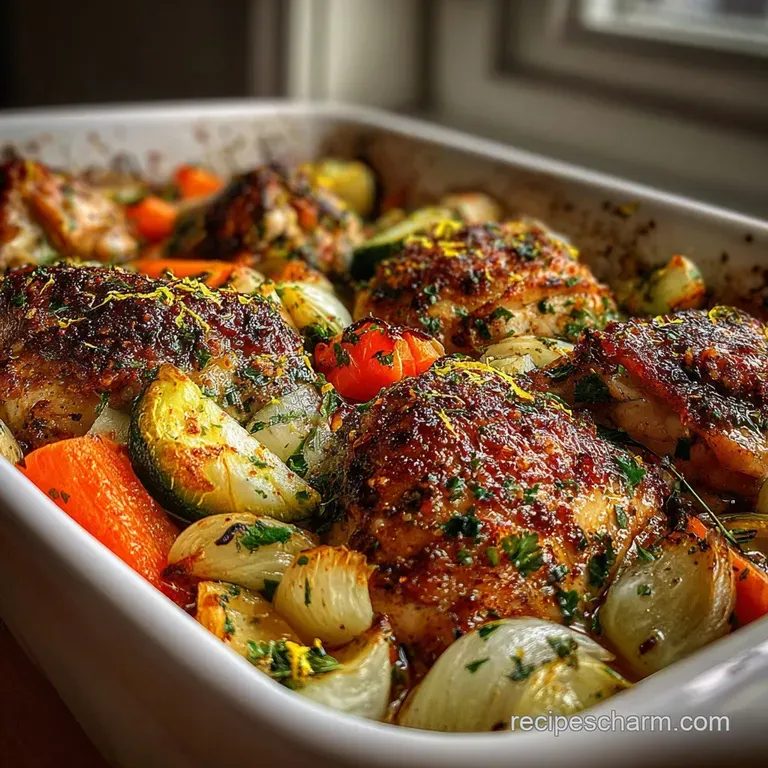
You don't need a professional kitchen, but a heavy bottomed skillet is non negotiable here. I swear by a large cast iron skillet or a heavy stainless steel pan. These materials hold heat much better than thin aluminum, which is the secret to getting that beautiful golden color on your Chicken and Peppers recipe.
A sharp chef's knife is your second best friend. Since there is a fair amount of chopping involved with the zucchini, peppers, and onion, a dull blade will only frustrate you and lead to uneven cooking. Aim for uniform sizes so everything finishes at the exact same time.
Bringing the Meal Together
- Prep the chicken. Pat the 680g chicken breast dry with paper towels and toss with sea salt, black pepper, and smoked paprika. Note: Surface moisture is the enemy of a good sear.
- Heat the pan. Add 1 tbsp olive oil to the skillet over medium high heat until the oil shimmers and barely wisps smoke.
- Sear the protein. Add the chicken cubes in a single layer. Cook for 3 minutes without moving them until a golden brown crust forms.
- Finish the chicken. Flip the cubes and cook for another 2 to 3 minutes, then remove them from the pan and set aside. Note: They will finish cooking later in the sauce.
- Sauté the aromatics. In the same pan, add the red onion wedges and sliced bell peppers. Sauté for 3 minutes until the edges are charred but the centers remain firm.
- Add the greens. Toss in the zucchini half moons and snap peas along with the minced garlic. Stir fry for 2 minutes until the garlic is fragrant and the zucchini turns bright green.
- Deglaze the skillet. Pour in the 60ml chicken stock and lemon juice. Use a wooden spoon to scrape the bottom of the pan until the brown bits dissolve into the liquid.
- Reincorporate and glaze. Add the chicken back into the skillet. Toss everything together for 1 to 2 minutes until the liquid reduces by half and coats everything in a velvety sheen.
- Final touch. Remove from heat and stir in the lemon zest and fresh parsley.
Avoiding Common Kitchen Disasters
Why Your Chicken Is Dry
Overcooking is the primary culprit. Chicken breast is very lean, and once it passes 74°C (165°F), the protein fibers tighten and squeeze out all the moisture.
The trick is to remove the chicken when it's just a few degrees under and let the carryover heat finish the job while it rests.
Why Your Vegetables Are Scurvy
If you add all the vegetables at once, the pan temperature drops, and the vegetables steam in their own juices instead of searing. This results in a grey, mushy mess. Always cook in stages and keep the heat high enough to see a visible sizzle.
| Problem | Root Cause | Solution |
|---|---|---|
| Rubbery Chicken | Cooked too long at low heat | High heat sear; remove early |
| Watery Sauce | Too much stock or zucchini moisture | Reduce stock longer; salt zucchini later |
| Burnt Garlic | Added too early in the process | Add garlic only in the last 60 seconds of sautéing |
If you follow the "Chicken and Peppers" logic, you'll see that timing is everything. For a similar technique with even faster results, you might enjoy my Thin Chicken Breast recipe, which uses higher heat for shorter durations.
Common Mistakes Checklist
- ✓ Pat chicken completely dry before searing (prevents steaming).
- ✓ Do not overcrowd the pan cook chicken in batches if using a smaller skillet.
- ✓ Wait for the oil to shimmer before adding any ingredients.
- ✓ Use low sodium stock to prevent the dish from becoming overly salty as it reduces.
- ✓ Add the lemon zest at the very end to keep the citrus notes bright and floral.
Adjusting for Different Needs
Scaling Down: If you’re cooking for just one or two, don’t just halve the ingredients. Use a smaller skillet to maintain the heat density, or the liquid will evaporate too fast before the vegetables soften. Reduce the total cook time by about 20% to avoid overcooking the smaller portions.
Scaling Up: When doubling the recipe for a family dinner, do not crowd the pan. Cook the chicken in two separate batches to ensure a proper sear. For the vegetables, you may need to increase the chicken stock by only 50% rather than doubling it, as the vegetables will release their own liquid, which can lead to a soupy consistency if you aren't careful.
Batch Prep: This recipe is a champion for meal prep. If you are making a large amount for the week, undercook the vegetables slightly (especially the zucchini). When you reheat the meal in the microwave, the vegetables will finish softening without turning into mush.
Debunking Skillet Cooking Myths
One of the biggest myths is that you must "seal in the juices" by searing the meat. Searing actually doesn't seal anything; it's all about the Maillard reaction, which creates hundreds of different flavor compounds. The juiciness of your chicken comes entirely from the internal temperature, not the crust.
Another misconception is that you need a lot of oil to prevent sticking. If your chicken is sticking to the pan, it’s usually because it isn't finished searing yet. If you wait for the crust to form, the meat will naturally "release" from the pan on its own. Patience is an ingredient just as much as the salt is!
Storage and Zero Waste
Store any leftovers in an airtight container in the fridge for up to 4 days. When reheating, I recommend a quick toss in a hot skillet for 2 minutes rather than the microwave to help the vegetables regain some of their texture.
This dish does not freeze particularly well because zucchini becomes very watery upon thawing, so it is best enjoyed fresh or within a few days.
Don't throw away those parsley stems or the lemon peel after you've used the zest. You can throw the stems into a freezer bag to make your own chicken stock later. If you have leftover red onion wedges, pickle them in a bit of vinegar and salt for a crunchy topping on salads the next day.
Being a "macro friendly" cook is also about being a smart, zero waste cook!
Macro Friendly Chicken and Vegetable FAQs
Will I lose weight if I just eat chicken and vegetables?
Potentially, yes, if you create a calorie deficit. Eating only lean protein and non-starchy vegetables significantly lowers your overall caloric intake and boosts satiety due to high protein/fiber, but weight loss ultimately depends on consuming fewer calories than you burn.
What can I make with chicken and vegetables?
Build a high volume skillet meal using a high heat sear and deglazing technique. Combine cubed chicken with firm vegetables like peppers and onions first, then finish with quick cooking items like zucchini and a low-sodium stock/lemon juice sauce.
What makes a recipe macro friendly?
It prioritizes high protein and high fiber relative to fat and refined carbohydrates. A macro friendly recipe ensures the majority of calories come from nutrient dense sources that promote fullness and muscle maintenance, like lean chicken breast in this dish.
Is 2 chicken breasts a day enough protein?
It depends entirely on your body weight and activity level. For most active individuals, protein needs are calculated based on body weight (e.g., 0.8g to 1.2g per pound of target body weight), so two breasts might be too much or too little depending on the exact serving size.
How do I prevent the chicken from drying out during the sear?
Remove the chicken from the pan just before it reaches 74°C (165°F) internally. The residual heat will carry it to the safe temperature without overcooking the fibers; this principle of managing carryover heat is crucial for lean meats and is also key when making our Banana Pudding Cheesecake Recipe to ensure the center sets perfectly without cracking.
Should I cook all the vegetables at the same time?
No, layer the vegetables based on their density and required cook time. Start with dense items like onions and peppers first to char them, then add softer items like zucchini and snap peas later to prevent them from becoming mushy.
How can I ensure my sauce tastes bright and not heavy?
Finish the sauce with acid and zest off the heat. After reducing the chicken stock slightly, remove the skillet from the burner and immediately stir in the fresh lemon zest and juice; this preserves the volatile oils and keeps the flavor profile vibrant.
Chicken Veggie Macro Meal
Ingredients:
Instructions:
Nutrition Facts:
| Calories | 378 kcal |
|---|---|
| Protein | 55g |
| Fat | 10g |
| Carbs | 13g |
| Fiber | 4g |
| Sugar | 6g |
| Sodium | 415mg |
