Cream Cheese and Olive Spread: Ultra Velvety
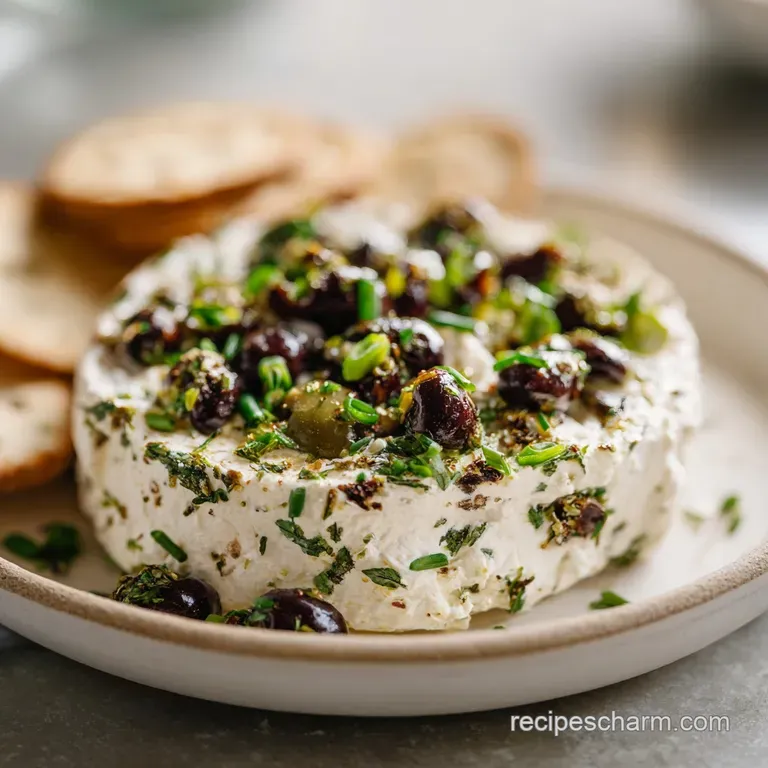
- Time: Active 10 minutes, Passive 30 minutes, Total 40 minutes
- Flavor/Texture Hook: Tangy, briny, and ultra velvety
- Perfect for: Tailgates, family brunches, or busy weeknight sandwich prep
- Savory and Tangy Cream Cheese and Olive Spread Recipe
- How the Brine and Fat Create Perfect Texture
- Crucial Timing and Numeric Checkpoints for Success
- Selecting Quality Ingredients for Maximum Flavor
- Simple Tools for a Stress Free Prep
- Step-by-Step Guide to the Creamiest Spread
- Solving Common Texture and Flavor Issues
- Tasty Variations for Every Palate
- Reliable Storage and Waste Prevention Tips
- Best Ways to Serve This Classic Dip
- Recipe FAQs
- 📝 Recipe Card
Savory and Tangy Cream Cheese and Olive Spread Recipe
Whenever I pop open a jar of green olives, that sharp, salty vinegar aroma instantly takes me back to my grandmother’s kitchen during the holidays. She always had a glass bowl filled with this exact cream cheese and olive spread recipe sitting right next to the ruffled potato chips.
It was the first thing to disappear, usually scraped clean by a swarm of cousins before the turkey even hit the table. There is something so nostalgic about that specific combination of rich, velvety dairy and the punchy, briny snap of a pimento stuffed olive.
It’s hearty, it’s comforting, and it fits perfectly into any family gathering where you need a big flavor impact with almost zero actual cooking.
I used to think you could just mash these ingredients together with a fork and call it a day, but I quickly realized that leads to a lumpy, heavy mess that breaks your crackers. The secret to a spread that actually feels like it belongs in a high end deli is all in the preparation of the base.
We aren't just mixing; we are building a structure that can hold those heavy olive chunks without deflating. This is the kind of recipe that makes people stop and ask, "What is in here that makes it so smooth?" It’s the kind of flavor packed addition to a family dinner that feels special without requiring you to spend hours over a hot stove.
In this guide, we are going to look at how to get that texture just right using a few simple tricks I’ve picked up over the years. We’ll talk about why the temperature of your ingredients matters more than you think and how a splash of the "trash" liquid from the olive jar is actually your most valuable asset.
Whether you’re spreading this on a toasted bagel for a quick breakfast or using it as the centerpiece of a party platter, this spread recipe is going to become a staple in your rotation. It’s simple, reliable, and honestly, a bit addictive once you get that first salty bite.
How the Brine and Fat Create Perfect Texture
Getting a spread to be both stable and light is a bit of a balancing act. Most people just stir things together, but there is a reason we use a mixer for the first half of this cream cheese and olive spread recipe. We want to change the physical structure of the cheese before we ever add the bulky ingredients.
By taking a few extra minutes to whip the base, you are ensuring that every bite is consistent rather than hitting pockets of plain, dense cheese.
- Aeration Structure: Whipping the cream cheese for 2 to 3 minutes incorporates tiny air bubbles, which lightens the density and makes the spread easier to scoop without breaking fragile chips.
- Liquid Integration: Drizzling the brine into the fat slowly allows the liquids to "hang" within the fat molecules, preventing the spread from separating or becoming watery as it sits.
- Flavor Marriage: The 30 minute chill time isn't just for firmness; it allows the salt and vinegar from the olives to penetrate the fats, deepening the overall savory profile.
| Preparation Method | Total Time | Texture Outcome | Best For |
|---|---|---|---|
| High Speed Whip | 10 minutes | Light, airy, and velvety | Delicate crackers and dip platters |
| Hand Mash | 5 minutes | Dense, chunky, and rustic | Hearty bagels or thick sandwich bread |
| Food Processor | 3 minutes | Completely smooth, green tint | Piped appetizers or vegetable fillings |
While many people are tempted to use the food processor for the entire process, I find that it obliterates the olives and turns the whole spread a murky shade of green. For a classic cream cheese and green olive spread, you really want those distinct flecks of red pimento and green fruit visible.
It’s that contrast between the snowy white cheese and the vibrant olives that makes it look so appetizing on a platter. Trust me, the extra step of hand folding at the end is what keeps the texture interesting.
Crucial Timing and Numeric Checkpoints for Success
Consistency is king when you are making a spread that needs to last through a long afternoon of snacking. I’ve found that being precise with a few specific numbers makes the difference between a spread that’s "okay" and one that’s "gone in ten minutes." This isn't just about following instructions; it's about understanding the milestones of the process so you know you're on the right track before the bowl even hits the fridge.
- Checkpoint 1 (Temperature): Ensure your cream cheese is at 68°F (20°C) before you start. If it’s too cold, it will never whip; if it’s too warm, it will turn soupy when you add the sour cream.
- Checkpoint 2 (Whipping Time): 3 minutes of high speed whipping is the sweet spot. You are looking for a visual change where the cheese looks noticeably paler and almost doubled in volume.
- Checkpoint 3 (Chill Time): 30 minutes in the refrigerator is the absolute minimum. This allows the fats to re solidify around the added moisture, giving you that "shatter"-free scoop.
| Feature | Fresh Version | Shortcut Version |
|---|---|---|
| Texture | Voluminous and light | Dense and heavy |
| Flavor Depth | Sharp, briny, and layered | Flat and overly salty |
| Shelf Life | 5-7 days | 2-3 days (separates) |
Using these checkpoints ensures that your homemade olive cream cheese dip has the structural integrity to stand up to being spread on everything from soft bread to crunchy celery. It might feel like overkill to time your whipping, but that aeration is exactly what prevents the spread from feeling like a heavy block of cheese once it’s chilled.
Selecting Quality Ingredients for Maximum Flavor
The beauty of a simple spread like this is that there is nowhere for low quality ingredients to hide. Since we aren't cooking the components, their raw flavors are what shine through.
I always tell my friends to treat the olive selection like they’re picking out a wine - the brine matters just as much as the fruit itself. When I'm making this for a big family dinner, I don't skimp on the dairy, because that fat is what carries all the aromatics of the garlic and onion.
- Full Fat Cream Cheese (8 oz): Use the brick variety, not the whipped tub version. The bricks have less air and more stability, which we need so we can control the aeration ourselves.
- Stuffed Green Olives (1 cup): These provide the salt, the tang, and the texture. The pimento stuffing adds a tiny hint of sweetness and that classic red and green look.
- Sour Cream (2 tbsp): This is our secret weapon for "slumping" the texture just enough to make it dippable without making it runny.
- Worcestershire Sauce (1 tsp): It provides a hidden "umami" backbone that makes people keep coming back for more without knowing exactly why.
| Ingredient | Science Role | Pro Secret |
|---|---|---|
| Cream Cheese | Primary Emulsion Base | Never use "low-fat" as it lacks the structure to hold the brine |
| Olive Brine | Acidic Flavor Carrier | Sieve the brine first to remove any tiny sediment or olive bits |
| Green Onions | Aromatic Crunch | Use only the whites and light green parts for the best bite |
For a hearty, flavor packed result, make sure you aren't using pre minced garlic from a jar. The garlic powder specified in the recipe is actually better here because it distributes evenly throughout the fat without leaving you with a spicy, raw garlic "hot spot" in one bite. If you're looking for another savory hit to round out a brunch spread, this dip goes surprisingly well as a side to a Provolone Cheesesteak Tortellini if you're serving a big crowd.
Simple Tools for a Stress Free Prep

One of my favorite things about this recipe is that it doesn't require a sink full of dishes or any specialized gadgets. I am all about minimal cleanup, and this entire spread can be made using just one bowl.
You don’t need to be a professional chef to get these results; you just need to let your tools do the hard work of building the texture for you.
You'll definitely want a stand mixer or a handheld electric whisk. While you can do this by hand with a stiff whisk, it’s going to be a serious workout and you likely won't achieve the same level of volume. A good silicone spatula is also non negotiable.
You need something flexible to scrape the bottom of the bowl to ensure no pockets of unmixed cheese are hiding down there. Other than that, a sharp knife for the olives and onions is all you need to get the job done.
Chef's Tip: Before you start, run your mixing bowl under hot water for a minute and then dry it thoroughly. A slightly warm bowl helps the cream cheese soften and aerate even faster, especially if your kitchen is on the cooler side.
step-by-step Guide to the Creamiest Spread
Now we get into the actual "doing." This process is fast, so I like to have everything measured out and ready to go. The smell of the green onions being chopped always wakes up the kitchen, and once you start whipping that cheese, you’ll see it transform from a dull block into something that looks like frosting.
This is the part where you see the magic of a simple cream cheese and olive spread recipe come to life.
- Soften the base. Take your 8 oz of cream cheese out of the fridge at least an hour before starting. It should give easily when pressed with a finger.
- Whip for volume. Place the cheese in your bowl and use the electric whisk on medium high speed. Cook 3 mins until pale and voluminous. Note: This aeration is the most important step for a light texture.
- Incorporate the liquids. Turn the mixer down to low. This prevents the liquids from splashing out.
- Drizzle slowly. Gradually add the 1 tbsp of olive brine and 2 tbsp of sour cream. Mix until glossy and uniform.
- Season the mix. While the mixer is still on low, add the 1/4 tsp garlic powder, 1/2 tsp black pepper, and 1 tsp Worcestershire sauce.
- Prep the mix ins. Roughly chop your 1 cup of olives and finely mince the 2 green onions while the base rests for a second.
- Fold by hand. Switch to your silicone spatula. Gently fold in the olives and onions. Stop as soon as they are evenly distributed to avoid over mixing and turning the spread green.
- The final set. Transfer the mixture to a serving dish and cover it tightly.
- Chill and marry. Refrigerate for 30 minutes. Wait until the texture is firm and the flavors have melded.
When you pull that bowl out of the fridge, you'll notice it has firmed up significantly compared to when you were folding in the olives. That’s the fat doing its job! It’s now ready to be the star of your classic cream cheese olive dip platter.
The texture should be velvety but thick enough to hold its shape on the end of a celery stick.
Solving Common Texture and Flavor Issues
Even the simplest recipes can go sideways if the environment isn't quite right. I’ve had batches of this simple appetizer cream cheese spread turn out lumpy because I was too impatient to let the cheese soften, and I’ve had it turn out too salty because I used a heavy hand with the brine.
Don't worry most of these issues are easily fixed without starting over.
Why Your Spread Is Lumpy
If you see little "beads" of cream cheese that won't go away, it's almost always because the cheese was too cold when you started. Once you add cold sour cream or brine to cold cheese, those lumps are locked in.
To fix this, you can let the bowl sit in a warm spot for 15 minutes and then give it another high speed whip. It’s a bit of a hassle, but it saves the batch!
Excessive Liquid Pooling
Sometimes, after a day or two in the fridge, you might see a little watery liquid at the bottom of the container. This is called syneresis. It happens when the structure of the cheese "squeezes" out the moisture. It doesn't mean the spread is bad!
Just give it a quick stir with a spoon, and it will re incorporate perfectly.
| Problem | Root Cause | Solution |
|---|---|---|
| Grainy Texture | Cheese was over whipped or too warm | Chill for 10 mins, then fold gently with a spatula to recombine |
| Overly Salty | Too much brine or low quality olives | Add another 1-2 tbsp of sour cream to dilute the saltiness |
| Too Runny | Added brine too quickly or too much | Fold in an extra 2 oz of softened cream cheese to thicken |
Common Mistakes Checklist:
- ✓ Never use "Spreadable" cream cheese from a tub; it contains added oil and water that prevents a firm set.
- ✓ Always drain your olives thoroughly before chopping to avoid adding excess unmeasured liquid.
- ✓ Don't skip the Worcestershire sauce; it's the "secret" that balances the sour cream's tang.
- ✓ Use a hand fold for the olives to keep those beautiful red pimento pops intact.
Tasty Variations for Every Palate
Once you've mastered the basic olive spread recipe, you can start playing with the "vibe" of the dish. I love the classic version, but sometimes the occasion calls for something a little different.
For example, if I'm making this for a holiday party, I might lean into more festive ingredients to make it feel like a premium experience.
The Mediterranean Upgrade
If you want to take this in a more "Grown up" direction, swap the pimento stuffed olives for a mix of Kalamata and Castelvetrano olives. Replace the green onions with fresh oregano and a squeeze of lemon juice. This version is incredible on toasted pita chips or as a spread for a veggie wrap.
It feels lighter and more vibrant, perfect for a summer lunch.
The Smoky Nut Crunch
For those who like a bit of texture contrast, try folding in 1/4 cup of toasted, chopped pecans or walnuts right at the end. The earthiness of the nuts plays off the salt of the olives beautifully.
You can also add a drop of liquid smoke or a pinch of smoked paprika to the base to give it a "campfire" depth that is absolutely killer with smoked meats on a charcuterie board.
If you want... then do...
- A Spicy Kick: Add 1 tbsp of chopped pickled jalapeños and a dash of hot sauce to the base.
- Extra Creaminess: Swap 1 tbsp of sour cream for 1 tbsp of heavy cream during the whipping phase.
- A Brighter Finish: Stir in 1 tsp of fresh lemon zest right before serving.
If you are looking for a sweet treat to balance out all these savory notes on a party table, my Cinnamon Roll Blondies are always a huge hit and provide that perfect sugary contrast to the briny spread.
Reliable Storage and Waste Prevention Tips
This spread is a meal prepper's dream because it actually tastes better on day two. The flavors have more time to penetrate the cream cheese, making the whole thing taste more cohesive.
However, because it’s a dairy based product, you do have to be a little careful about how you store it to keep it fresh and safe.
- Fridge
- Keep the spread in an airtight container for up to 5-7 days. The surface might darken slightly from the air, so just give it a stir before serving.
- Freezer
- I don't recommend freezing this spread. The emulsion of the cream cheese and sour cream will break when thawed, resulting in a grainy, watery mess that no amount of whipping can fix.
- Zero Waste Tip
- If you find yourself with just a couple of tablespoons left at the end of the week, don't throw them out! Stir the leftovers into a bowl of hot pasta with a splash of pasta water. It creates an instant, creamy olive sauce that is surprisingly hearty for a "clean out the fridge" meal.
Best Ways to Serve This Classic Dip
The versatility of this cream cheese and olive spread recipe is what makes it a "masterclass" staple. It isn't just a dip; it's a multi tool for your kitchen. I've used it as a thickener for chicken salad, a topping for grilled burgers, and even a filling for celery sticks for a retro "ants on a log" adult version.
For a classic party presentation, I like to put the spread in a shallow bowl and create "swooshes" on the top with the back of a spoon. I’ll then sprinkle a few extra chopped olives and a crack of fresh black pepper over the top.
Surround it with a mix of sturdy crackers, pretzel thins, and fresh veggies like cucumber rounds and bell pepper strips. The cool crunch of the vegetables against the rich, briny cheese is a match made in heaven.
Whether you're making this as a quick spread for your morning bagel or as a flavor packed appetizer for a huge family dinner, it’s one of those recipes that proves simple is often best. It’s hearty, reliable, and brings a little bit of that nostalgic kitchen magic to every table it touches.
Enjoy every briny, velvety bite!

Recipe FAQs
How to ensure the spread has the perfect creamy consistency?
Whip the cream cheese on medium high speed for 2 to 3 minutes before adding any other ingredients. This aeration process turns a dense block into a voluminous base similar to the texture achieved in our Banana Pudding Cheesecake.
Is it necessary to refrigerate the spread for 30 minutes before serving?
Yes, chilling is vital for both flavor and structure. Resting the mixture allows the olive brine and seasonings to fully penetrate the cream cheese while letting the spread firm up to a perfect consistency for dipping.
Is it true that I should use a food processor to mix the ingredients?
No, this is a common misconception. A food processor will likely over process the ingredients and turn your spread into a runny paste; always use a stand mixer or handheld electric whisk for better control.
How to prevent the spread from becoming too thin?
Reduce your mixer speed to low when incorporating the liquid ingredients like the olive brine and Worcestershire sauce. Adding liquids slowly ensures the emulsion stays stable and the texture remains thick and spreadable.
How to properly incorporate the olives and green onions?
Use a silicone spatula to gently hand fold the solids into the whipped cream cheese base. Mixing by hand at the final stage prevents the chopped olives from breaking down further and keeps the spread looking uniform.
Can I use low-fat cream cheese for this recipe?
No, stick with full fat brick cream cheese. Lower fat versions contain more water, which prevents the spread from holding its structure and results in a gritty or watery texture.
How to store leftovers effectively?
Keep the spread in an airtight container in the refrigerator. It will stay fresh and flavorful for up to three days, though you may need to give it a quick stir before serving again.
Cream Cheese Olive Spread

Ingredients:
Instructions:
Nutrition Facts:
| Calories | 87 calories |
|---|---|
| Protein | 1.3 g |
| Fat | 8.8 g |
| Carbs | 1.4 g |
| Fiber | 0.4 g |
| Sugar | 0.8 g |
| Sodium | 239 mg |
