Mongolian Chicken: Crispy and Savory
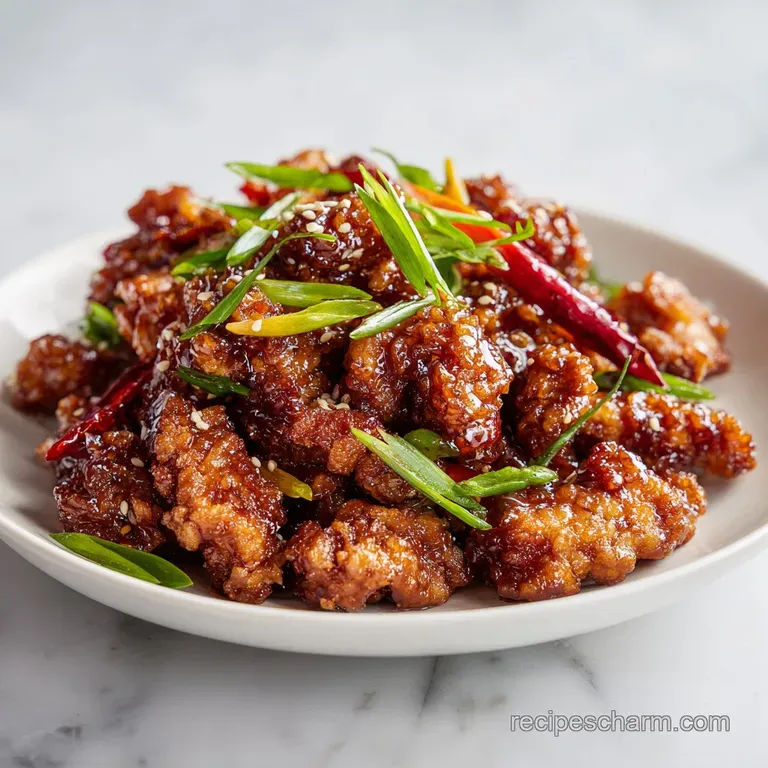
- Time: Active 15 minutes, Passive 10 minutes, Total 25 minutes
- Flavor/Texture Hook: Shattering crisp coating with a velvety, sticky umami glaze
- Perfect for: Busy weeknights and budget conscious family dinners
- Secrets to That Shattering Crust
- Component Analysis and Pro Secrets
- Smart Pantry Swaps for Flavor
- Best Tools for High Heat
- Step by Step Sizzling Method
- Fixing Flavor and Texture Problems
- Making This Recipe Fit Everyone
- Saving Every Bit for Later
- Perfect Pairings for Hearty Meals
- CRITICAL: Very High in Sodium
- Recipe FAQs
- 📝 Recipe Card
Secrets to That Shattering Crust
Starch Dehydration: Cornstarch absorbs the surface moisture of the chicken, creating a dry exterior that fries into a thin, brittle shell rather than a heavy batter.
Tackiness Factor: Letting the coated chicken rest for 2 minutes allows the starch to hydrate slightly, ensuring it sticks to the meat instead of falling off into the oil.
Sugar Polymerization: The high concentration of brown sugar in the sauce causes it to thicken through evaporation and slight caramelization, creating a glossy sheen that clings to every nook and cranny.
Aromatic Infusion: Sautéing the garlic and ginger in the leftover frying oil extracts fat soluble flavor compounds, distributing that "restaurant" taste through the entire sauce.
| Premium | Budget | Flavor Impact | Savings |
|---|---|---|---|
| Rice Vinegar | White Vinegar + pinch sugar | Slightly sharper tang | Save $3-4 |
| Fresh Ginger | Ground Ginger (1/4 tsp) | Less "zing" but still warm | Save $2-3 |
| Dried Chilis | Red Pepper Flakes | Heat is more dispersed | Save $4-5 |
The table above shows that you don't need a pantry full of specialty imports to make a fantastic Mongolian chicken stir fry. While rice vinegar is the classic choice for its mild acidity, a splash of regular white vinegar with a tiny bit of extra sugar does the trick when you're trying to save a few dollars.
Component Analysis and Pro Secrets
| Ingredient | Science Role | Pro Secret |
|---|---|---|
| Cornstarch | Texture Builder | Always press the starch into the meat with your hands for a tighter bond. |
| Dark Brown Sugar | Glaze Catalyst | The molasses in dark brown sugar provides a deeper color and a stickier finish than light brown. |
| Low Sodium Soy Sauce | Umami Base | Using low sodium allows you to reduce the sauce significantly without it becoming a salt bomb. |
Choosing the right ingredients is the difference between a "good" meal and a "request this every week" meal. I always reach for the dark brown sugar because it has that extra hint of molasses that mimics the smoky depth of a over high heat commercial wok. If you're interested in how different chicken preparations can change a meal, you might also enjoy my Street Corn Chicken Rice Bowl for a different take on flavorful poultry.
Smart Pantry Swaps for Flavor
This shopping list focuses on things you likely already have, making it one of the most budget friendly ways to feed four people. We are using 1 lb boneless skinless chicken breast, sliced into 1/4 inch thick bite sized pieces, which is the perfect amount for a family of four when served with rice.
- 1 lb chicken breast: Sliced against the grain. Why this? Breaking the fibers ensures the chicken stays tender during the fast fry.
- Substitute: Chicken thighs (boneless) for more juice, though they take 1 minute longer to fry.
- 0.5 cup cornstarch: For that signature crunch. Why this? It creates a crisper shell than flour.
- Substitute: Potato starch or arrowroot powder both work brilliantly.
- 0.25 cup neutral oil: For frying. Why this? A high smoke point prevents the chicken from tasting burnt.
- Substitute: Canola, vegetable, or grapeseed oil are all fine choices.
- 0.5 cup low sodium soy sauce: The backbone of the sauce. Why this? It provides salt and color.
- Substitute: Tamari for a gluten-free version (check your cornstarch too!).
- 0.5 cup dark brown sugar: Firmly packed. Why this? Essential for the sticky, molasses rich glaze.
- Substitute: Light brown sugar works, or honey (use 0.3 cup) for a different floral sweetness.
- 1 tsp rice vinegar: Adds a bright finish. Why this? Cuts through the sugar's heaviness.
- Substitute: Apple cider vinegar is a great budget alternative.
- 0.5 cup water: To thin the sauce while it cooks. Why this? Prevents the sugar from burning while the flavors meld.
- Substitute: Chicken broth for an even deeper savory profile.
- 1 tsp toasted sesame oil: For the aroma. Why this? Provides that characteristic nutty finish.
- Substitute: Toasted sesame seeds can offer some of that flavor if you're out of oil.
- 2 tsp fresh ginger: Minced. Why this? Adds a spicy, fresh heat.
- Substitute: A squeeze of ginger paste from a tube is a massive time saver.
- 3 cloves garlic: Minced. Why this? Essential aromatic base.
- Substitute: 1 tsp garlic powder added to the sauce if you're in a pinch.
- 3 dried red chilis: For a hint of heat. Why this? Infuses the oil with warmth without being overwhelming.
- Substitute: A half teaspoon of red pepper flakes.
- 1 bunch green onions: Cut into 2 inch lengths. Why this? Adds fresh crunch and a mild bite at the end.
- Substitute: Sliced red onion added during the ginger/garlic step.
Best Tools for High Heat
You don't need a fancy, seasoned carbon steel wok to get great results with this homemade Mongolian chicken, though it certainly doesn't hurt. I usually use a large, heavy bottomed stainless steel skillet or a cast iron pan. The most important thing is that the pan can hold heat well.
When you drop the cold chicken into the oil, you don't want the temperature to plummet, otherwise, the meat will steam instead of fry, and you'll lose that beautiful crust we're aiming for.
A slotted spoon or a wire spider is also a huge help here. It lets you lift the chicken out of the oil quickly without bringing the grease with it. If you’re looking for other ways to use your kitchen tools for easy meals, my Chicken Yakisoba recipe is another fantastic use for a heavy skillet or wok on a busy Tuesday night.
Chef's Tip: Freeze your chicken for about 20 minutes before slicing. It firms up the meat, allowing you to get those perfect, restaurant style thin strips without the knife slipping or the meat squishing.
step-by-step Sizzling Method
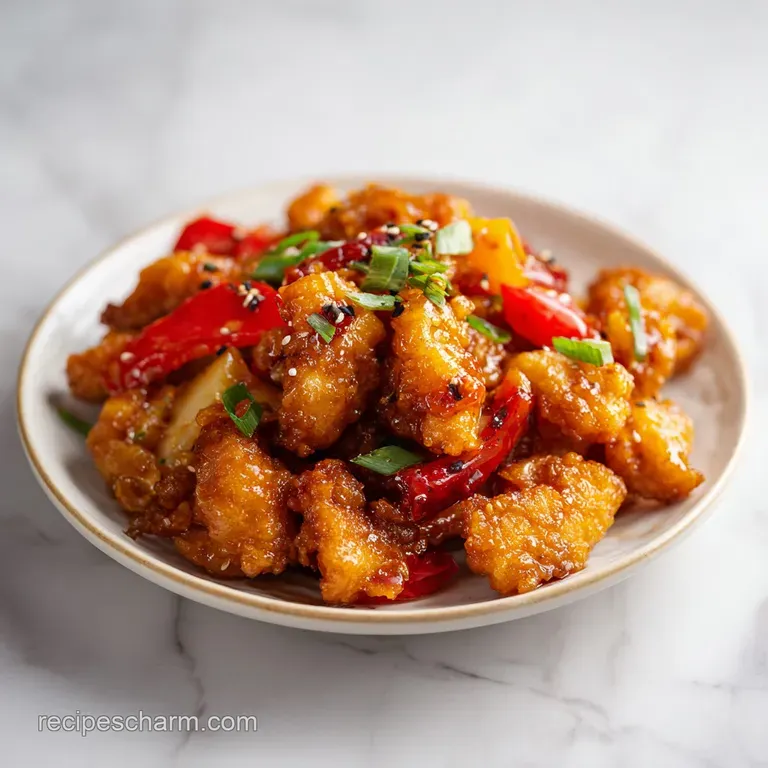
- Prep the meat. Cut the chicken breast against the grain into thin strips to break up muscle fibers. Note: This ensures maximum tenderness.
- Apply the coating. Toss chicken strips in a large bowl with 0.5 cup cornstarch until evenly coated. Let sit for 2 minutes until the starch becomes tacky and clings to the meat.
- Heat the pan. Heat 0.25 cup neutral oil in a heavy bottomed skillet or wok over medium high heat until shimmering and a tiny bit of starch sizzles instantly.
- The first fry. Add chicken in a single layer and fry for 2–3 minutes per side until the edges are golden and the crust is firm. Work in batches to avoid overcrowding.
- Drain the pieces. Remove chicken with a slotted spoon and drain excess oil on a paper towel, leaving about 1 tablespoon in the pan.
- Sauté aromatics. Add 2 tsp ginger, 3 cloves garlic, and 3 dried chilis to the pan, sautéing for 30 seconds until the kitchen smells incredibly fragrant.
- Mix the base. Whisk together 0.5 cup soy sauce, 0.5 cup brown sugar, 1 tsp rice vinegar, 0.5 cup water, and 1 tsp sesame oil. Pour into the pan.
- Reduce the sauce. Allow the sauce to flash reduce over high heat until it thickens into a glossy, dark glaze that coats a spoon.
- The final toss. Toss the crispy chicken and 1 bunch green onions back into the glaze for 30 seconds until every piece is thoroughly and evenly coated.
- Serve immediately. Plate the chicken while it's still piping hot to preserve the crunch of the coating.
Fixing Flavor and Texture Problems
Sometimes things don't go exactly as planned in the kitchen, and that's okay. The most common issue people have with an easy Mongolian chicken recipe is the texture of the chicken. If the oil isn't hot enough, the cornstarch won't "set" quickly, and you'll end up with a gummy mess instead of a crispy one.
Always test the oil with a tiny piece of meat before committing the whole batch.
Fixing a Thin Sauce
If your sauce looks more like soup than a glaze, it usually means it hasn't reduced enough. The sugar needs time to concentrate. Keep the heat high and let it bubble. As the water evaporates, the sugar and the tiny bits of cornstarch left over from the chicken will work together to create that thick, honey like consistency.
| Problem | Root Cause | Solution |
|---|---|---|
| Soggy chicken | Pan was overcrowded | Fry in batches to keep the oil temperature high. |
| Sauce too salty | Used regular soy sauce | Add a splash of water and a teaspoon of extra sugar. |
| Burned garlic | Heat too high/cooked too long | Add aromatics only when sauce ingredients are ready to pour in. |
The transition from a watery liquid to a thick glaze happens fast often in under two minutes so don't walk away from the stove during the reduction step.
Common Mistakes Checklist
- ✓ Pat the chicken strips dry with a paper towel before tossing in cornstarch.
- ✓ Ensure the oil is truly shimmering before adding the first batch of meat.
- ✓ Don't skip the 2 minute "rest" for the starch coated chicken.
- ✓ Use low sodium soy sauce to prevent the salt from becoming overwhelming.
- ✓ Add the green onions at the very last second so they stay bright and crisp.
Making This Recipe Fit Everyone
If you need to scale this recipe down for a solo dinner, it’s quite simple. For a 0.5 lb batch, use a smaller 8 inch skillet to keep the oil depth consistent. Reduce the cook time by about 20% since the pan will maintain heat more easily with less meat.
If you’re doubling the recipe for a party or a big family gathering, do not double the sauce liquid (water) entirely start with 1.5 times the water and add more if needed.
The salt and spices should also be scaled to about 1.5 times first, then adjusted to taste, as these flavors can become exponentially stronger in large batches.
Adapting for gluten-free Needs
To make a gluten-free version, the biggest hurdle is the soy sauce. Swap it for a certified gluten-free Tamari. Most cornstarch is naturally gluten-free, but always double check the label to ensure there’s no cross contamination if you’re cooking for someone with Celiac disease.
The flavor remains almost identical, though Tamari can be slightly richer and less salty than standard soy sauce.
Creating a Lighter Version
If you want to skip the frying step, you can "velvet" the chicken instead. To do this, coat the chicken in the cornstarch but instead of frying in oil, poach the strips in simmering water for about 2 minutes until just cooked through. Then, toss them into the thickened sauce.
You’ll lose the crunch, but the chicken will be incredibly silky and the calorie count will drop significantly.
| Servings | Chicken Amount | Sauce Ratio | Pan Size |
|---|---|---|---|
| 2 People | 0.5 lb | Half recipe | 10 inch skillet |
| 4 People | 1 lb | Full recipe | 12 inch skillet |
| 8 People | 2 lb | 1.5x recipe | Large Wok |
Saving Every Bit for Later
Storage: Keep leftovers in an airtight container in the fridge for up to 3 days. Be aware that the crispy coating will soften as it sits in the sauce, turning into a soft, velvety texture that is still delicious but lacks the initial "shatter."
Freezing: You can freeze the cooked chicken in the sauce for up to 2 months. To reheat, thaw in the fridge overnight. I don't recommend freezing the raw cornstarch coated chicken, as the starch will turn gummy when it thaws.
Reheating: Avoid the microwave if you can. Instead, put the chicken back in a skillet with a tablespoon of water over medium heat. This helps loosen the glaze and warms the meat without making it rubbery.
Zero Waste Tip: Don't throw away those green onion roots! Put them in a small jar of water on your windowsill, and they’ll regrow in about a week. Also, if you have leftover sauce in the pan, toss in some steamed broccoli or shredded carrots to soak up that "liquid gold."
Perfect Pairings for Hearty Meals
Since the authentic Mongolian chicken flavor is so bold and sweet, it needs a neutral base to balance it out. Steamed white jasmine rice is the classic choice, as it acts like a sponge for the extra glaze.
If you want something a bit more substantial, a side of simple garlicky bok choy or snap peas provides a fresh, crunchy contrast to the soft meat.
One myth I hear all the time is that you have to use a blowtorch hot wok to get the "wok hei" or smoky flavor. While that’s true in restaurants, at home, the dark brown sugar and the slight charring of the garlic give you a very similar depth of flavor without the fire hazard.
Another common misconception is that the dried chilis make the dish incredibly spicy. In reality, unless you break them open, they just add a warm, subtle background hum of heat that is very family friendly.
I’ve found that this dish is best served immediately. If you're looking for something you can prep way in advance and just let ride, you might prefer my Slow Cooker Chicken Dumplings recipe, which is much more "set it and forget it" than this fast paced stir fry. But for those nights when you want a meal that feels like an event, nothing beats the sizzle and shine of a fresh batch of Mongolian chicken. Trust me, once you see how that sauce coats the back of your spoon, you'll never look at the takeout menu the same way again. It's a flavor packed win for any home cook looking to impress without spending a fortune.
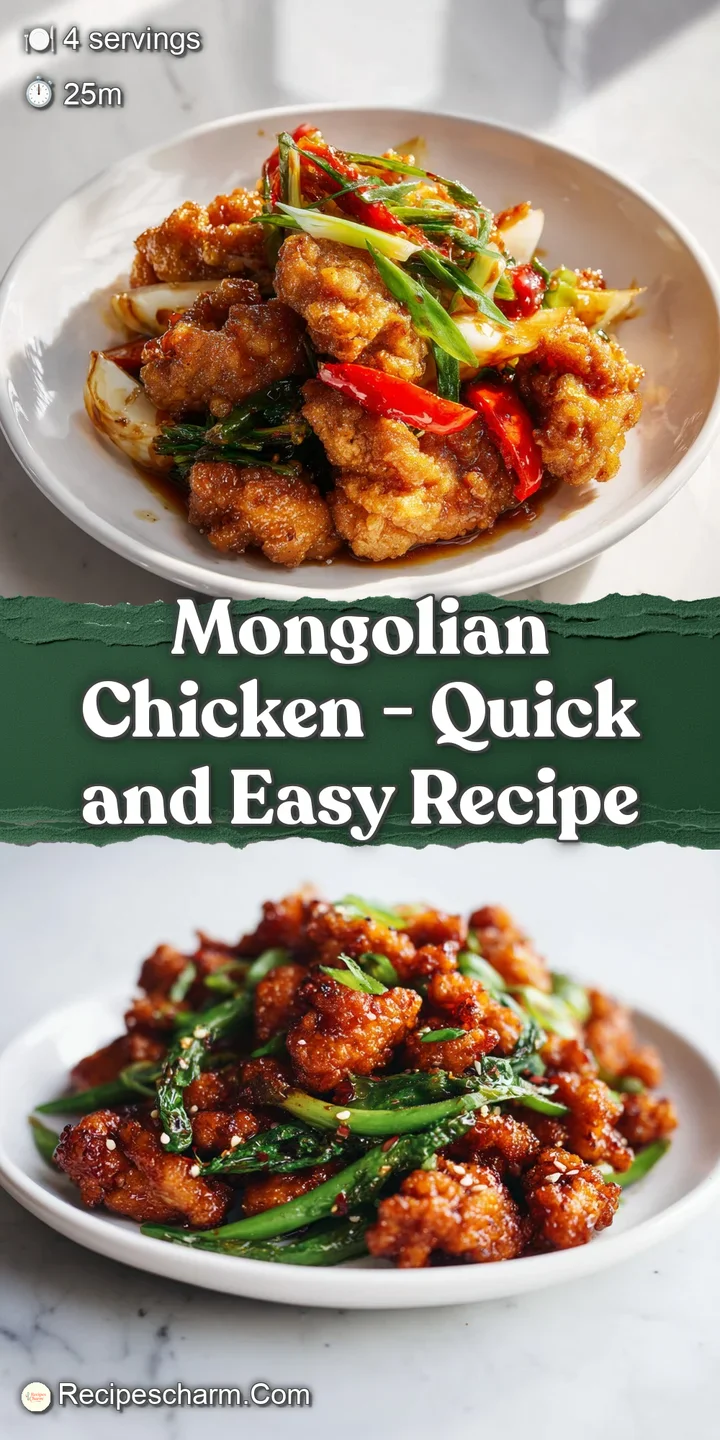
CRITICAL: Very High in Sodium
1380 mg of sodium (60% of daily value)
The American Heart Association recommends limiting sodium intake to less than 2,300mg per day, with an ideal limit of about 1,500mg for most adults.
Tips to Reduce Sodium
-
Halve the Soy Sauce-20%
The majority of sodium comes from the soy sauce. Try using 1/4 cup of low-sodium soy sauce instead of 1/2 cup. This is the most impactful change you can make.
-
Boost Flavor with Spices
Enhance taste without salt by using more aromatic ingredients like the fresh ginger and garlic. Consider adding other non-salty spices such as black pepper, red pepper flakes, or even a pinch of curry powder.
-
Dilute the Sauce-10%
Increase the water in the sauce mixture to 3/4 cup. This will help dilute the remaining sodium from the soy sauce.
-
Add Acidity-5%
A splash of fresh lime or lemon juice at the end of cooking can brighten flavors and make the dish taste less reliant on salt. The 1 tsp of rice vinegar already helps, but adding more or a citrus wedge can further enhance this.
Recipe FAQs
What exactly is Mongolian chicken?
It is a savory stir fry dish featuring crispy chicken strips coated in a sweet and salty glaze. The combination of soy sauce, brown sugar, and aromatics like ginger and garlic defines its signature flavor profile.
How does Mongolian sauce taste?
It tastes predominantly sweet and savory with a slight tang from the rice vinegar. If you enjoyed mastering the reduction technique here to achieve a glossy glaze, you can apply the same principle of viscosity control to our thin lemon chicken to ensure a perfect coating every time.
Is Mongolian chicken like orange chicken?
No, they are quite different. Mongolian chicken focuses on soy sauce, garlic, and ginger, whereas orange chicken relies heavily on citrus zest and juice for a fruit forward profile.
What is in Mongolian sauce?
The base consists of soy sauce, brown sugar, water, rice vinegar, and toasted sesame oil. These ingredients are simmered together and thickened into a glaze to coat the fried chicken.
How to keep the chicken crispy?
Coat the chicken in cornstarch and allow it to sit for 2 minutes until the coating becomes tacky. Frying the chicken in batches ensures the oil stays hot enough to create a firm, golden crust rather than steaming the meat.
Is it true the chicken must be sliced a specific way?
Yes, this is essential for texture. You must cut the chicken against the grain into thin strips to effectively break up the muscle fibers, ensuring the final result is tender rather than chewy.
How to avoid an overly salty dish?
Use low-sodium soy sauce as specified in the ingredient list. Because the sauce is flash reduced over high heat, the salt concentration intensifies, making the low-sodium variety critical for maintaining flavor balance.
Crispy Mongolian Chicken
Ingredients:
Instructions:
Nutrition Facts:
| Calories | 392 kcal |
|---|---|
| Protein | 28.4 g |
| Fat | 11.2 g |
| Carbs | 44.1 g |
| Fiber | 1.2 g |
| Sugar | 25.8 g |
| Sodium | 1380 mg |
