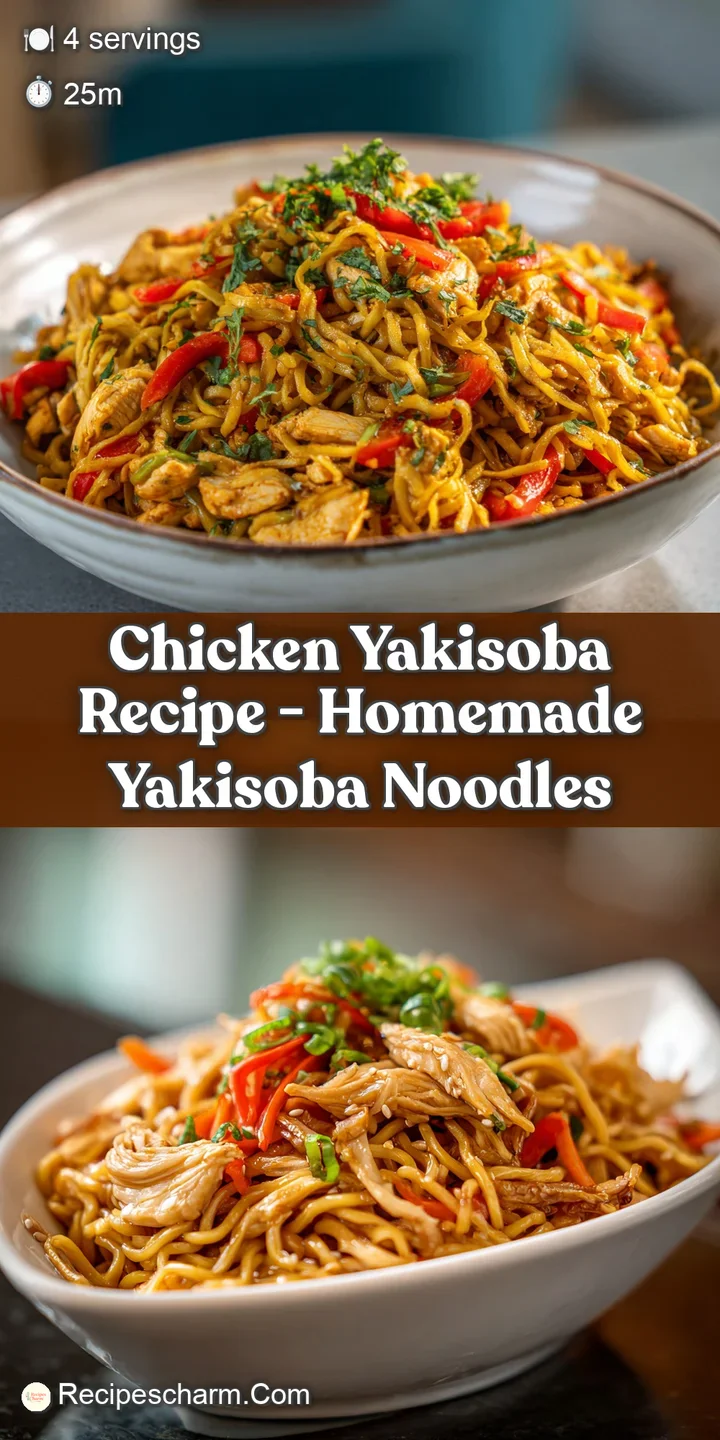
Chicken Yakisoba: Savory Noodle Stir Fry
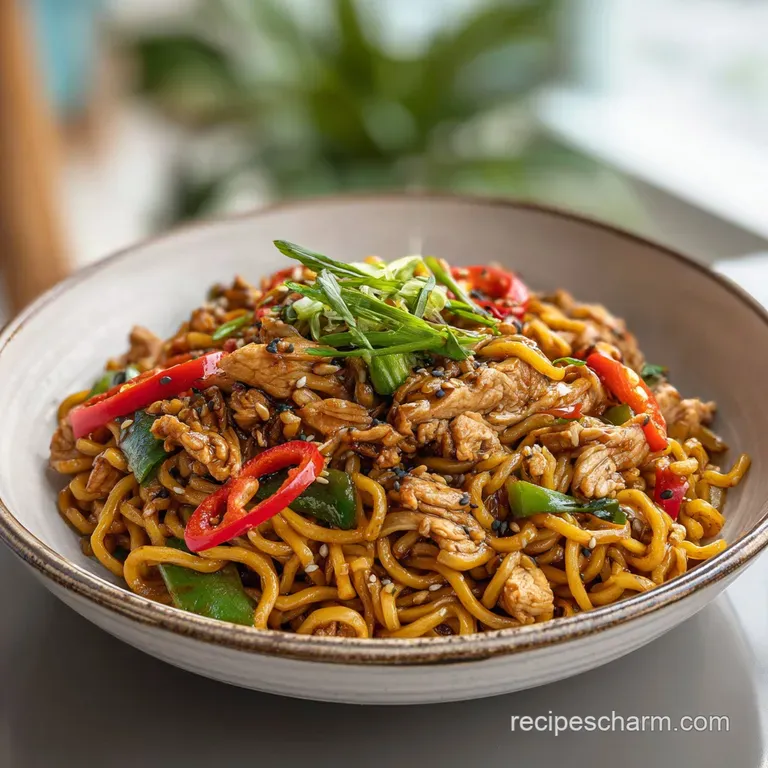
- Time: Active 15 minutes, Passive 0 minutes, Total 25 minutes
- Flavor/Texture Hook: Charred, savory sweet, and springy
- Perfect for: Busy weeknights and budget-friendly meal prep
- The Secrets to Nailing This Chicken Yakisoba Recipe
- Fast Prep and Sizzle Times for Family Dinner
- Choosing the Best Components for Maximum Umami
- The Best Tools for a High Heat Stir Fry
- Step by Step Guide to Stir Fried Noodle Perfection
- Fixing Common Noodle Mishaps and Texture Issues
- Smart Swaps for Healthier or Plant Based Bowls
- Storing and Reheating Your Noodle Scraps
- Making Your Noodle Bowl Look Street Food Chic
- Recipe FAQs
- 📝 Recipe Card
The Secrets to Nailing This Chicken Yakisoba Recipe
The first time I tried making this at home, I ended up with a soggy pile of noodles that looked more like a sad cafeteria lunch than the vibrant street food I remembered from the festivals in Osaka. I could hear the hiss of the steam rather than the crackle of the sear, and that was my first big mistake.
The kitchen smelled like boiled cabbage instead of that intoxicating, smoky sweetness that defines a real stir fry. It was a lesson learned the hard way: heat is your best friend, and water is your absolute enemy when you want those crispy, caramelized edges.
We finally cracked the code after realizing that the "secret" isn't a hidden ingredient it is all about the architecture of the pan. You want those noodles to dance in the oil, catching the flame and absorbing the sauce until they are slick and glossy.
This version uses accessible ingredients like Worcestershire sauce and ketchup, which might sound unconventional, but they provide the acidic punch and depth that mimics the traditional fermented fruit sauces used in Japan.
It is a hearty, one pan meal that makes everyone at the table reach for seconds before you have even finished serving the first round.
Fast Prep and Sizzle Times for Family Dinner
Efficiency in the kitchen is about more than just moving fast; it is about knowing when the pan is ready to transform your ingredients. For this dish, we are looking for over high heat benchmarks that ensure the vegetables stay snappy and the chicken gets a beautiful golden crust without drying out.
| Cooking Phase | Target Temp/Visual Cue | Duration | Expected Texture |
|---|---|---|---|
| Chicken Sear | Sizzling oil, golden brown edges | 4-5 minutes | Juicy and browned |
| Vegetable Flash Fry | Vibrant color, slightly softened | 3 minutes | Tender crisp |
| Noodle Integration | Sauce bubbling and thickening | 2-3 minutes | Glossy and coated |
The beauty of a stir fry lies in the rapid fire succession of steps. Once you start, there is no stopping to chop a stray carrot or search for the soy sauce. I always tell my friends to treat the prep phase like a ritual. Line up your little bowls of chopped cabbage, julienned carrots, and that dark, savory sauce.
If you have ever felt overwhelmed by a 30 minute meal, it is usually because the prep wasn't finished before the flame was lit. Trust me, having everything within arm's reach makes the process feel like a breeze rather than a marathon.
Choosing the Best Components for Maximum Umami
While you can certainly toss any vegetable into the pan, specific choices will dictate whether your dish is a soggy mess or a textural triumph. The combination of Worcestershire and oyster sauce creates a complex base that hits every part of your palate salty, sweet, sour, and savory. If you have tried my Chicken and Peppers recipe, you know I love a good pan sear, and the technique here is very similar.
The Physics of the Char
Maillard Reaction: High heat triggers a chemical reaction between amino acids and reducing sugars, creating the brown crust and complex aromas on the chicken and noodles.
Surface Evaporation: Rapidly sautéing the cabbage allows moisture to escape as steam instantly, preventing the vegetables from braising in their own juices.
| Component | Science Role | Pro Secret |
|---|---|---|
| Cabbage | Provides structure and crunch | Cut into squares for even heat distribution. |
| Worcestershire Sauce | Acidic catalyst and flavor base | Use a brand with high tamarind content for depth. |
| Chicken Thighs | Fat source and protein | Slice across the grain to keep the meat velvety. |
| Mirin | Sugar and shine | The sugar content helps the sauce glaze the noodles. |
Using chicken thighs instead of breasts is a non negotiable for me in a stir fry. Breasts are prone to becoming chalky and dry when exposed to the intense heat needed for a proper yakisoba. Thighs, however, have enough intramuscular fat to stay succulent and tender even as they pick up a bit of char from the pan. If you find yourself with extra chicken, you might consider using it in a Stuffed Chicken Breast recipe for another night, but for this specific noodle dish, stick with the dark meat for the best flavor.
The Best Tools for a High Heat Stir Fry
You don't need a thousand dollar setup to make world class noodles, but you do need a vessel that can handle the heat. A large carbon steel wok is the gold standard because it responds instantly to temperature changes and offers a huge surface area.
However, if you are like most home cooks, a heavy bottomed 12 inch stainless steel or cast iron skillet will work brilliantly. The goal is to avoid non stick pans if possible, as they don't allow for the same level of browning and can't always handle the high temperatures we need.
- Stainless Steel Skillet: Excellent for heat retention and creating those "fond" bits of flavor.
- Sharp Chef's Knife: Essential for julienning carrots into thin, uniform matchsticks.
- Tongs: Far better than a spatula for tossing noodles and ensuring every strand gets coated in sauce.
- Small Whisk: To emulsify the ketchup and sauces into a smooth, pourable glaze.
step-by-step Guide to Stir Fried Noodle Perfection
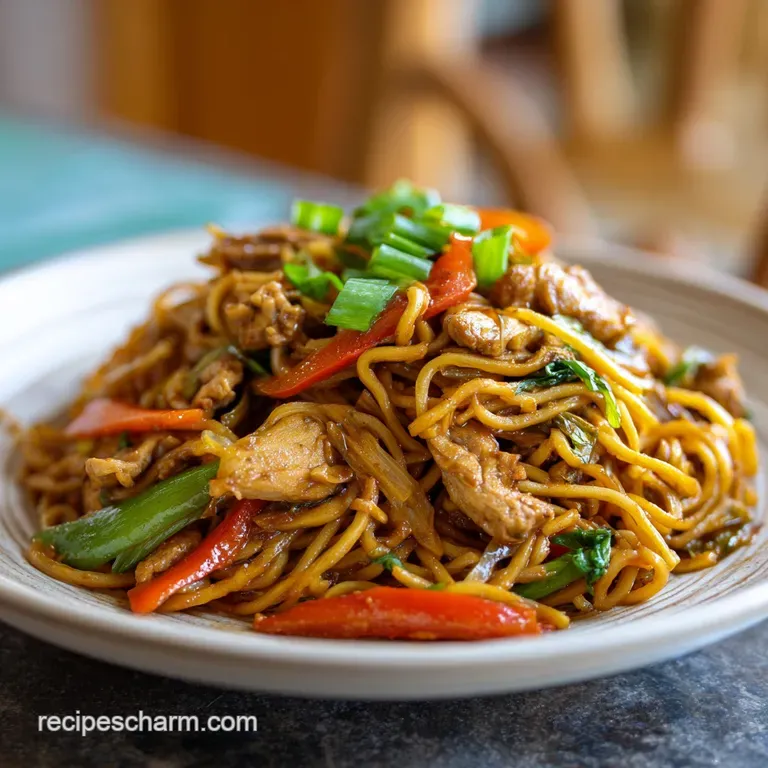
Before you even think about turning on the stove, whisk together your sauce ingredients: 4 tbsp Worcestershire sauce, 2 tsp soy sauce, 2 tsp oyster sauce, 1 tbsp ketchup, 1 tbsp mirin, and 1 tsp toasted sesame oil. This slurry is the soul of the dish.
- Prep the noodles. Rinse the 16 oz pre steamed Yakisoba noodles under warm water to loosen them. Note: This prevents them from breaking into small bits in the pan.
- Heat the oil. Add 2 tbsp neutral oil to a large skillet over high heat until a drop of water dances and evaporates instantly.
- Sear the chicken. Add the 1 lb sliced chicken thighs in a single layer. Note: Don't move them for 2 minutes to get a deep brown crust.
- Sauté the aromatics. Add the 2 cloves minced garlic and the sliced onion. Cook until the onion edges are golden and the garlic smells fragrant.
- Flash fry vegetables. Toss in the 2 cups chopped cabbage and julienned carrot. Stir constantly for 2 minutes until the cabbage begins to wilt but stays bright.
- Integrate the noodles. Add the loosened noodles directly onto the vegetables. Cook for 1 minute to let the noodles pick up some heat.
- Apply the glaze. Pour the whisked sauce over the noodles and vegetables.
- Toss and emulsify. Using tongs, lift and turn the mixture until the sauce thickens and every noodle is dark and glossy.
- Final sear. Let the mixture sit undisturbed for 30 seconds until you hear a distinct crackling sound from the bottom.
- Serve immediately. Transfer to bowls while the steam is still rising.
Fixing Common Noodle Mishaps and Texture Issues
The most common heartbreak in making Chicken Yakisoba is the "noodle break." This happens when the noodles are cold and stiff when they hit the pan. If you try to force them apart with a spatula, they will snap into 1 inch pieces. Always use the warm water rinse trick to wake them up before they ever touch the heat.
Why Your Noodles are Breaking
If your noodles are snapping, they likely haven't been properly tempered. Pre steamed noodles are often packed tightly and cold. By rinsing them or even microwaving them for 30 seconds in the bag, you soften the starches, allowing them to stretch and tumble rather than crack.
| Problem | Root Cause | Solution |
|---|---|---|
| Soggy vegetables | Overcrowding the pan | Cook in two batches or use a larger skillet. |
| Bland flavor | Sauce didn't reduce | Cook for an extra minute until the sauce is a thick glaze. |
| Dry chicken | Sliced too thin | Aim for 1/4 inch strips to maintain juiciness. |
Common Mistakes Checklist
- ✓ Pat chicken completely dry with paper towels to ensure a sear instead of a steam.
- ✓ Slice all vegetables to a similar thickness so they cook at the same rate.
- ✓ Ensure the pan is screaming hot before the first piece of chicken touches it.
- ✓ Avoid adding extra water to the pan; the sauce and vegetable moisture are enough.
- ✓ Use tongs to "fluff" the noodles while mixing to keep them from clumping.
Smart Swaps for Healthier or Plant Based Bowls
We all have those days where we realize the pantry is half empty, but the craving for stir fry is full throttle. Luckily, this dish is incredibly forgiving. If you are looking for a lower calorie option, you can easily double the cabbage and halve the noodles, creating a "cabbage heavy" stir fry that still feels indulgent.
| Original Ingredient | Substitute | Why It Works |
|---|---|---|
| Yakisoba Noodles | Ramen Noodles (cooked al dente) | Similar wheat based texture. Note: Will be softer and less chewy. |
| Oyster Sauce | Hoisin Sauce | Provides sweetness and thickness. Note: Adds a stronger star anise flavor. |
| Chicken Thighs | Firm Tofu (pressed and cubed) | Great protein substitute. Note: Won't have the same savory fat content. |
If you are looking for a truly comforting alternative that uses different techniques, you might love a Slow Cooker Chicken Dumplings recipe. It's the polar opposite of the fast paced stir fry, but it hits those same savory, family favorite notes.
Storing and Reheating Your Noodle Scraps
Leftover yakisoba is arguably better the next day because the noodles have had time to fully absorb the residual sauce. However, storing them correctly is key to preventing them from turning into a solid block of starch.
- Fridge: Store in an airtight container for up to 3 days.
- Freezer: This dish freezes surprisingly well! Place in a freezer safe bag, press out the air, and keep for up to 2 months.
- Reheating: Avoid the microwave if you can. Instead, toss the leftovers in a hot skillet with a teaspoon of water or a tiny splash of soy sauce. This revives the texture and brings back that subtle char.
Zero Waste Tip: Don't throw away the broccoli stalks or the core of the cabbage. Peel the tough outer layer of the broccoli stem, slice it into thin matchsticks, and toss it in with the carrots. It adds a wonderful crunch and ensures you are using every bit of your produce.
Making Your Noodle Bowl Look Street Food Chic
Presentation is the final step in the cooking process. While a pile of brown noodles might not look like much on its own, a few simple garnishes can make it pop. In Japan, it is traditional to top yakisoba with Aonori (dried seaweed powder) and Beni Shoga (red pickled ginger).
- Green Onions: Slice them very thin on a sharp bias for a professional look.
- Sesame Seeds: Toasted white or black seeds add a tiny crunch and visual contrast.
- Pickled Ginger: The bright pink color provides a beautiful counterpoint to the dark, glossy noodles and cuts through the richness of the sauce.
- Kewpie Mayo: A thin drizzle of Japanese mayo over the top adds a creamy, tangy finish that children (and adults) absolutely love.
Decision Shortcuts for the Perfect Bowl
- If you want a smokier flavor, use a cast iron skillet and let the noodles sit for an extra minute to develop a crust.
- If you want it healthier, swap the chicken for shrimp and triple the amount of julienned carrots and snap peas.
- If you are in a rush, use a bag of pre shredded coleslaw mix instead of chopping fresh cabbage and carrots.
Kitchen Myths Debunked
The idea that you need "Authentic Yakisoba Sauce" from a specialty market is a myth. While the bottled stuff is great, the combination of Worcestershire, ketchup, and soy sauce creates a nearly identical flavor profile using ingredients you already have. Another myth is that you must boil yakisoba noodles.
Most store-bought yakisoba noodles are already steamed and only need a quick rinse or a few minutes in the pan to be ready to eat. Boiling them will actually make them too soft and prone to falling apart during the stir fry process. Keep them out of the boiling water to maintain that signature chewy bite!
Recipe FAQs
What is chicken yakisoba?
It is a classic Japanese stir fried noodle dish. It consists of wheat noodles, sliced chicken, and finely cut vegetables tossed in a savory, tangy sauce often based on Worcestershire and soy sauce, then cooked quickly over high heat.
What does chicken yakisoba taste like?
It tastes savory, slightly sweet, and tangy with deep umami notes. The flavor comes from the caramelized sauce clinging to the springy noodles, balanced by the smoky char developed from high heat cooking.
What is yakisoba?
Yakisoba translates directly to "fried buckwheat," but it uses Chinese style wheat noodles. It is a street food staple known for its distinctive sauce profile and quick, high heat preparation method.
What is the difference between chicken lo mein and yakisoba?
The main difference is the sauce and the noodle type. Lo mein often uses thicker, softer noodles tossed in a thinner, soy-forward sauce, whereas yakisoba uses thinner, springier noodles coated in a darker, thicker sauce featuring Worcestershire and sometimes ketchup for tang.
What can I use instead of Worcestershire sauce?
Hoisin sauce mixed with a splash of balsamic vinegar is a close alternative. Worcestershire provides depth and tartness; the Hoisin brings necessary sweetness and thickness. If you enjoy controlling flavor profiles through acid, see how we balance flavors in our Roasted Veggie and recipe.
How do I prevent the noodles from breaking during the stir fry?
Rinse the pre-steamed noodles under warm water first to loosen them completely. Cold, stiff noodles snap under the pressure of tossing; warming them slightly makes them pliable and prevents breakage during the vigorous stir fry.
Is it true that I must use a carbon steel wok for authentic yakisoba?
No, this is a common misconception. While a wok is ideal for heat control, a heavy bottomed stainless steel or cast iron skillet works very well by retaining the high heat necessary for proper searing and char.
Easy Chicken Yakisoba Recipe
Ingredients:
Instructions:
Nutrition Facts:
| Calories | 455 kcal |
|---|---|
| Protein | 29.5 g |
| Fat | 13.5 g |
| Carbs | 46.8 g |
| Fiber | 5.2 g |
| Sugar | 8.4 g |
| Sodium | 785 mg |
