Shirataki Noodles Recipe with Garlic Stir Fry
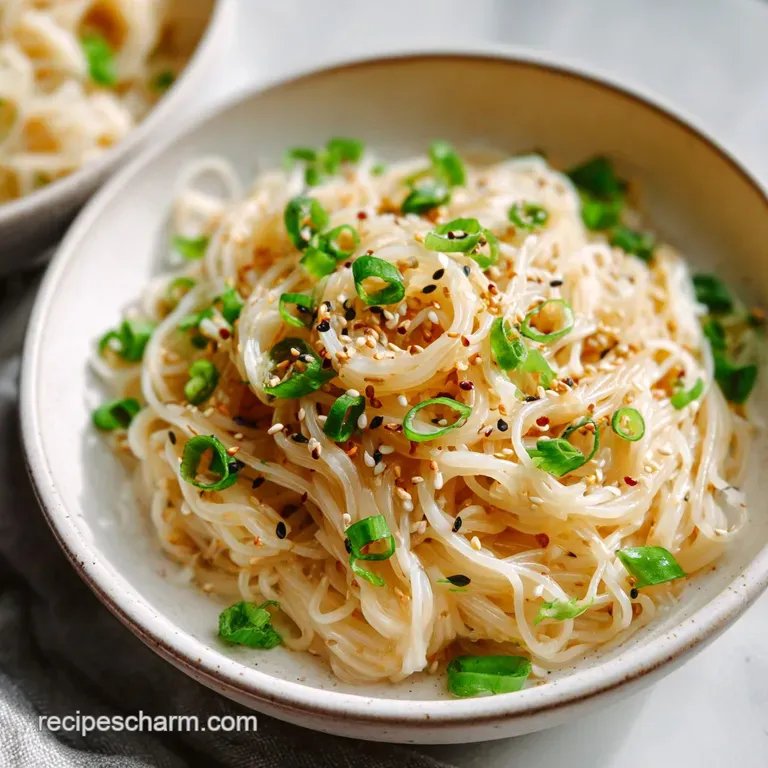
- Time: Active 10 minutes, Passive 5 minutes, Total 15 minutes
- Flavor/Texture Hook: Pungent garlic with a silky, sesame infused finish
- Perfect for: Quick weeknight dinners or low carb meal prep
- Master this Savory Shirataki Noodles Recipe with Garlic
- The Physics of Sauce Grip and Noodle Texture
- Understanding the Components for the Best Garlic Noodles
- Simple Shopping List for Your Garlic Sesame Noodles
- Minimal Kitchen Tools for Maximum Noodle Success
- Essential Steps for Getting a Silky Noodle Glaze
- Avoid These Mistakes for the Best Garlic Noodles
- Adjusting the Scale for Extra Servings
- Proper Storage and Reheating Tips for Leftover Noodles
- How to Serve Your Garlic Shirataki for Dinner
- Debunking Common Noodle Myths
- Recipe FAQs
- 📝 Recipe Card
Master this Savory Shirataki Noodles Recipe with Garlic
You know that slightly suspicious scent when you first tear open a bag of shirataki? It’s a bit like the ocean decided to move into your kitchen. I remember the first time I tried making these; I nearly threw the whole batch in the bin because I thought they’d gone bad.
But don’t let that funky aroma fool you - it’s just the alkaline water they’re packed in, and it’s incredibly easy to fix. Once you master the rinse and fry method, these noodles become a blank canvas for the punchiest flavors you can imagine.
The magic happens when the cold, rinsed noodles hit a screaming hot dry pan. You’ll hear this high pitched squeal - that’s the sound of the excess water evaporating, which is the secret to getting a texture that actually feels like food.
This Shirataki Noodles Recipe with Garlic and Sesame delivers a flavorful, low carb meal in minutes, and honestly, it’s become my go to "I’m too tired to cook" lifesaver.
We are going for a bold, aromatic experience here. Think of the way garlic turns mellow and sweet when it hits sesame oil, or how a tiny bit of ginger can make the whole kitchen smell like your favorite takeout spot.
This isn't just a diet substitute; it’s a legit meal that feels hearty and satisfying without that heavy, post pasta slump. Let’s get that pan hot and transform these konjac wonders into something spectacular.
The Physics of Sauce Grip and Noodle Texture
Surface Evaporation: Dry frying shirataki noodles removes the residual alkaline moisture trapped on the outer layer of the konjac. This creates a porous, "thirsty" surface that allows the soy garlic emulsion to cling tightly to the strands rather than sliding off into a watery puddle.
| Noodle Thickness | Pan Temp | Sizzle Time | Visual/Audible Cue |
|---|---|---|---|
| Standard Angel Hair | Medium High | 5 minutes | High pitched squeaking sound |
| Wide Fettuccine | Medium High | 7 minutes | Strands look matte and white |
| Tofu Shirataki Blend | Medium | 4 minutes | Steam stops rising aggressively |
If you find yourself craving a bit more protein with this meal, it pairs beautifully with the same searing technique used in our Chicken and Peppers recipe. Just cook the chicken first and toss the noodles in at the end to soak up all those leftover juices.
Understanding the Components for the Best Garlic Noodles
| Ingredient | Science Role | Pro Secret |
|---|---|---|
| White Vinegar | pH Neutralizer | A tiny splash in the rinse water completely kills the "fishy" konjac scent. |
| Toasted Sesame Oil | Flavor Carrier | Use this at the very end to preserve the volatile aromatic compounds. |
| Liquid Monk Fruit | Flavor Balancer | Cuts the saltiness of the soy without adding carbs or a grainy texture. |
| Fresh Ginger | Enzyme Action | Provides a sharp, spicy counterpoint to the heavy, earthy garlic notes. |
Simple Shopping List for Your Garlic Sesame Noodles
Gather these items before you start. It’s a fast moving recipe, so having everything on the counter is a must.
- 2 packs (8oz each) shirataki noodles: Why this? The base of the dish; provides bulk with almost zero calories.
- 1 tsp white vinegar: Why this? Essential for neutralizing the natural odor of the noodles.
- 4 cloves garlic, finely minced: Why this? The heart of the flavor; use fresh cloves for the best heat.
- 1 tsp fresh ginger, grated: Why this? Adds a bright, zingy layer that lifts the heavier soy flavors.
- 2 tbsp low sodium soy sauce: Why this? Provides the "umami" saltiness without being overbearingly salty.
- 1 tbsp toasted sesame oil: Why this? Adds a nutty depth and a velvety mouthfeel to the sauce.
- 1 tsp rice vinegar: Why this? Provides a subtle tang to balance the savory elements.
- 0.5 tsp liquid monk fruit sweetener: Why this? A keto friendly way to round out the sharp edges of the vinegar.
- 1 tbsp toasted sesame seeds: Why this? Adds a necessary "shatter" and crunch to the soft noodles.
- 2 scallions, thinly sliced: Why this? Adds fresh color and a mild onion bite at the finish.
| Original Ingredient | Substitute | Why It Works |
|---|---|---|
| Low sodium soy sauce | Tamari (2 tbsp) | gluten-free and slightly richer in flavor. |
| Liquid monk fruit | Stevia drops (3-4) | Provides sweetness without the carbs. Note: Stevia can have a bitter aftertaste. |
| Toasted sesame oil | Peanut oil + 1 drop sesame extract | Similar high smoke point with a nutty undertone. |
Choosing the right soy sauce makes a huge difference. If you’re used to more complex flavors, you might even consider a version similar to the one used in this Pinch Me Recipe, which balances salt and spice brilliantly.
Minimal Kitchen Tools for Maximum Noodle Success
Since this is a hearty family dinner that emphasizes minimal cleanup, you don't need a drawer full of gadgets. I stick to my trusty cast iron or a heavy bottomed non stick skillet.
- Fine mesh strainer: Essential for rinsing the noodles thoroughly without losing them down the drain.
- Heavy skillet: A larger surface area allows for better evaporation during the dry fry phase.
- Microplane or grater: For the ginger. Trust me, biting into a chunk of ginger is no fun you want a paste.
- Silicone tongs: These are much better than a spoon for tossing the noodles and ensuring the garlic gets into every crevice.
Essential Steps for Getting a Silky Noodle Glaze
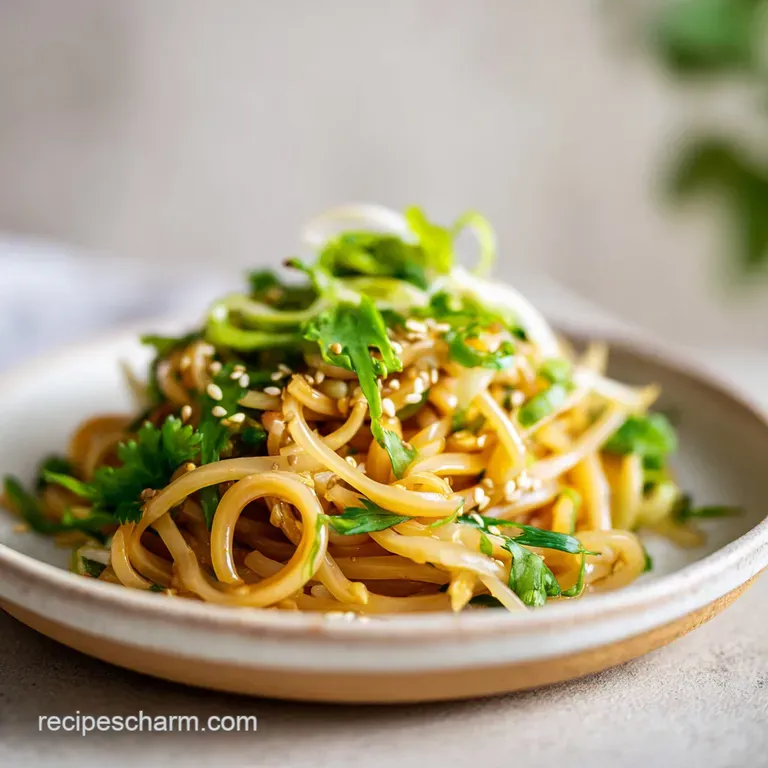
1. Neutralize and Rinse
Open the noodle packs and dump them into a strainer. Rinse them under cold running water for at least 2 full minutes. Note: This is the most important step to remove the packing liquid's scent.
2. Acidify the Bath
Fill a bowl with water and add 1 tsp white vinegar. Submerge the noodles for 1 minute, then drain and rinse again. Note: This double neutralization ensures a completely clean flavor profile.
3. The Essential Dry Fry
Place the damp noodles into a hot, dry skillet over medium high heat. Toss them constantly for about 5 minutes until they start to squeak and look matte. Note: Do not add oil yet; we want to steam off the surface water first.
4. Infuse the Aromatics
Push the noodles to the side of the pan and add the 1 tbsp toasted sesame oil, 4 cloves garlic, and 1 tsp ginger. Sauté for 30 seconds until the aroma fills the room.
5. Combine and Emulsify
Toss the noodles into the garlic oil. Pour in the 2 tbsp soy sauce, 1 tsp rice vinegar, and 0.5 tsp liquid monk fruit. Note: The heat will help the sauce thicken slightly and coat the noodles.
6. The Final Simmer
Cook for another 2 minutes, stirring constantly, until the liquid has reduced to a glossy glaze.
7. The Finishing Coat
Turn off the heat. Sprinkle with the 1 tbsp toasted sesame seeds and 2 scallions. Note: The residual heat will soften the scallions just enough.
8. Final Taste Check
Taste a strand. If it needs more punch, add a tiny drop more soy or a pinch of red pepper flakes.
Avoid These Mistakes for the Best Garlic Noodles
Why Your Noodles Are Rubbery
If the noodles feel too chewy or "plastic like," they likely haven't been cooked in the sauce long enough. While shirataki doesn't absorb liquid like wheat pasta, the heat helps soften the konjac structure.
Why Your Sauce Is Watery
This is the most common pitfall. If you skip the 5 minute dry fry, the noodles will release water as soon as you add the soy sauce. This dilutes everything and prevents the sauce from becoming velvety.
| Problem | Root Cause | Solution |
|---|---|---|
| Bitter Garlic | Burnt garlic bits | Add garlic only after the noodles are dry fried and use medium heat. |
| Fishy Aftertaste | Insufficient rinsing | Rinse for 2 minutes and use the vinegar soak method. |
| Bland Flavor | Sauce didn't stick | Dry fry longer until the noodles "squeak" against the pan. |
Common Mistakes Checklist:
- ✓ Never skip the dry fry; it’s the difference between "pasta" and "wet rubber."
- ✓ Don't use jarred minced garlic; the flavor is too dull for this recipe.
- ✓ Ensure the pan is preheated before the noodles hit it to start evaporation immediately.
- ✓ Use liquid sweetener instead of granulated to keep the sauce smooth and silky.
- ✓ Don't overcrowd the pan; if making more than 2 servings, work in batches.
Adjusting the Scale for Extra Servings
Scaling Down (1 Serving): This is super simple. Use one 8oz pack of noodles and literally halve all ingredients. You can use a smaller 8 inch skillet, and the dry fry time will likely drop to 3 minutes because of the better surface to noodle ratio.
- The Pan
- Use a very large wok or two separate skillets. If the noodles are piled too high, they will steam rather than dry fry.
- The Spices
- Increase the soy sauce and vinegar linearly, but keep the monk fruit and sesame oil to about 1.5x at first, then taste. You can always add more, but it’s hard to fix an overly sweet or oily batch.
- The Cook Time
- Expect the dry fry phase to take up to 10 minutes for a larger volume of noodles.
Proper Storage and Reheating Tips for Leftover Noodles
Fridge: These noodles stay remarkably well in the fridge for up to 3 days. Store them in an airtight glass container. Unlike wheat pasta, they won't get mushy or bloated because they don't absorb water the same way.
Freezer: Honestly, I don't recommend freezing shirataki noodles. The freezing process changes the molecular structure of the konjac, often turning them into something that resembles thin rubber bands once thawed. It’s better to make them fresh it only takes 15 minutes!
Reheating: The best way to reheat is back in a skillet. Add a tiny splash of water or soy sauce to loosen the glaze and toss over medium heat for 2-3 minutes. Avoid the microwave if possible, as it can make the garlic taste a bit "off" and the noodles unevenly heated.
Zero Waste Tip: Don't throw away the scallion whites! Sauté them right along with the garlic and ginger for an extra layer of savory depth, then use the green tops for the garnish.
How to Serve Your Garlic Shirataki for Dinner
To make this a complete flavor packed meal, I love serving these noodles in deep bowls with a side of steamed bok choy or snap peas. If you're not strictly keto, a few crispy wonton strips on top add a brilliant textural contrast. For a fun weekend vibe, you could even serve these alongside a batch of this Hanky Panky Recipe for a retro fusion appetizer spread.
- Decision Shortcut
- If you want...
- Extra Crunch
- Toss in a handful of crushed dry roasted peanuts at the very end.
- More Heat
- Add 1 tsp of chili garlic sauce (like Huy Fong) into the soy sauce mixture.
- A "Creamy" Vibe
- Stir in 1 tbsp of almond butter or peanut butter during step 5 for a satay style sauce.
Debunking Common Noodle Myths
"Shirataki noodles have zero flavor." This is only true if you don't season them! Because they are so high in water, they require more aggressive seasoning than wheat pasta. That's why we use 4 cloves of garlic for just two servings. The noodles themselves are a delivery vehicle for whatever you put on them.
"You can't overcook them." While you can't really make them "mushy" like spaghetti, you can definitely dry them out too much if you fry them for 20 minutes. Stick to the "squeak" rule once they start making noise and look matte, they are ready for the sauce.
"They are only for dieting." Not at all! In many Asian cultures, konjac noodles are prized for their unique, bouncy texture (often called "Q texture") in hot pots and stir fries. They are a legitimate culinary ingredient that happens to be healthy.
Recipe FAQs
Is it okay to eat shirataki noodles every day?
Yes, they are generally safe for daily consumption. Since shirataki noodles are almost entirely glucomannan fiber and water, they are very low in calories and carbohydrates, making them suitable for frequent meals.
How to cook shirataki noodles so they are not rubbery?
Dry fry them vigorously in a hot, dry pan first. This crucial step evaporates the excess surface water that causes the slimy or rubbery texture, allowing them to absorb flavor better.
Are shirataki noodles really healthy?
Yes, they are excellent for digestive health and blood sugar management. They are nearly calorie free and packed with glucomannan, a soluble fiber that promotes satiety and supports gut flora.
What is the best way to cook shirataki noodles?
The best method involves a three step process: rigorous rinsing, dry frying, and quick saucing. This technique ensures the noodles shed their packing liquid odor and develop a satisfyingly chewy texture that holds the glaze, much like mastering the rapid cooking principles in our Macro Friendly Chicken recipe.
Do I have to rinse shirataki noodles extensively?
Yes, thorough rinsing is mandatory for an optimal taste. Rinse them under cold running water for two minutes, followed by a one-minute soak in white vinegar water to completely neutralize the natural, slightly fishy odor.
Can I substitute soy sauce with coconut aminos in this garlic recipe?
Yes, coconut aminos are a suitable low-sodium, soy-free alternative. They are naturally sweeter, so you may want to slightly reduce or entirely omit the added monk fruit sweetener to maintain flavor balance.
What should I do if my sauce slides right off the noodles after cooking?
You did not dry fry the noodles long enough. The sauce slides off if the noodle surface remains slick; ensure you cook them in the dry pan until they squeak and stop steaming, creating a porous surface for the sauce to cling to.
Garlic Shirataki Noodle Stir Fry
Ingredients:
Instructions:
Nutrition Facts:
| Calories | 134 kcal |
|---|---|
| Protein | 2.8 g |
| Fat | 9.5 g |
| Carbs | 9.2 g |
| Fiber | 5.4 g |
| Sugar | 0.6 g |
| Sodium | 585 mg |
