Vibrant Nutritious Instant Pot Lentil Soup
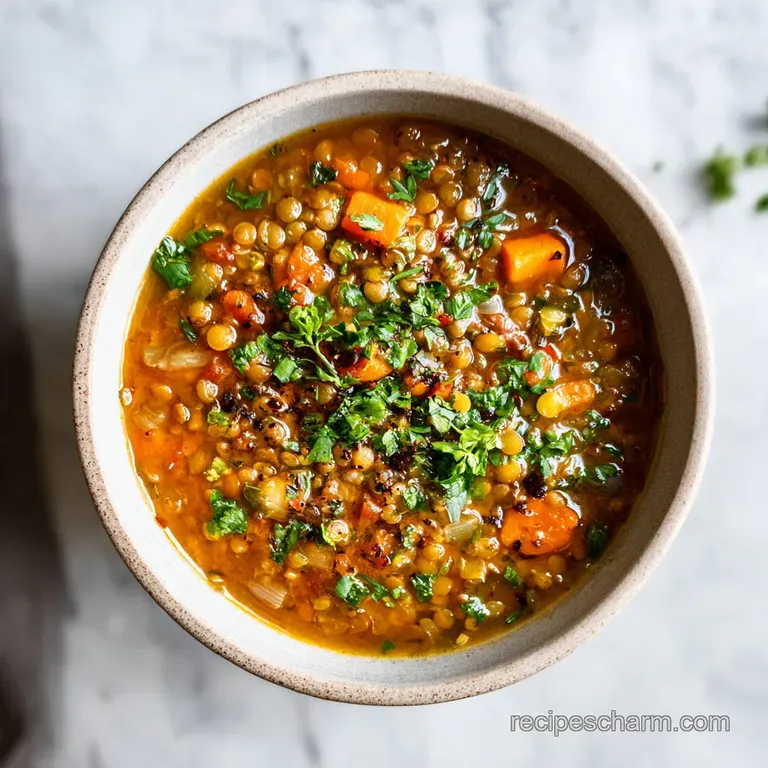
Making the Best Instant Pot Lentil Soup
Forget everything you have ever heard about needing a dusty old ham bone or six hours of simmering on the stove to get a decent bowl of soup. There is a common myth that lentils are bland or "health food" that requires a miracle to taste good. Honestly, that's just not true.
You do not need a complicated stock or a full day of kitchen labor to achieve that velvety, deep flavor that warms you down to your toes. The pressure cooker is the absolute secret weapon here because it forces flavor into the heart of the pulse in a fraction of the time.
I remember the first time I tried making a lentil soup in my old apartment. I didn't own an Instant Pot then, and I spent three hours hovering over a pot, adding splashes of water, and wondering why the lentils still felt like tiny pebbles. I thought I was a terrible cook.
Fast forward to now, and this is my go to "I'm exhausted and the kids are hungry" family dinner. It's flavor packed, requires minimal cleanup, and the result is so hearty that nobody even misses the meat.
We are going to walk through this together, friend. I’ve made all the mistakes, from the dreaded "Burn" notice to over salting, so you don't have to. We'll focus on the prep flow, how to handle the cooking phase, and that final finish that makes a world of difference.
Trust me, once you see how those fire roasted tomatoes and spices meld together under pressure, you’ll never go back to the stovetop version.
Why This Works
- Pressure Softening: The high pressure environment inside the pot forces moisture through the tough outer skin of the brown lentils, tenderizing the starch inside while keeping the shape intact.
- Lipid Soluble Extraction: Sautéing cumin, turmeric, and paprika in olive oil before adding liquid allows the heat to release aromatic compounds that would stay trapped if you just boiled them.
- The Deglazing Mechanism: Using the fire roasted tomatoes and a splash of broth to scrape the bottom of the pot releases caramelized sugars (fond) back into the liquid, deepening the color and flavor profile.
- The Acidity Finish: Adding fresh lemon juice after the pressure cycle breaks down the earthy, metallic notes sometimes found in pulses, creating a bright, balanced profile.
| Texture Goal | Pressure Time | Release Method | Resulting Texture |
|---|---|---|---|
| Al Dente | 12 minutes | Quick Release | Intact seeds, great for meal prep |
| Classic Soup | 15 minutes | 10 min Natural | Tender and velvety with a thick broth |
| Thick Porridge | 18 minutes | Full Natural | Soft, creamy, and naturally pureed |
Choosing the right time depends entirely on your mood. If I'm planning on reheating this for lunch all week, I might lean toward the 12 minute mark because the lentils will continue to soften as they sit in the fridge. For a rainy Tuesday night when we just want comfort, 15 minutes is the sweet spot.
It provides that classic texture where some lentils have broken down to thicken the soup while others remain whole.
Ingredient Deep Dive
Before we get the pot shimmering, let's talk about what actually goes into this pot. We aren't just tossing things in randomly; every component has a job. The base starts with a classic mirepoix (onion, carrot, celery), but we're amping it up with fresh ginger and garlic.
This creates a foundation of flavor that feels layered rather than flat. If you've got extra carrots sitting in the crisper drawer, toss them in.
I always tell people to pick through their lentils. Even the high-quality brands sometimes have a tiny pebble hidden in the bag, and nothing ruins a family dinner faster than a chipped tooth. Give them a quick rinse in a fine mesh sieve to get rid of any dusty coating.
This ensures your soup is clean and the starch behaves properly during the pressure cycle.
| Ingredient | Science Role | Pro Secret |
|---|---|---|
| Brown Lentils | Primary Starch/Protein | Use brown or green; red lentils will turn into mush in this recipe. |
| Fire Roasted Tomatoes | Acid & Char | These add a smoky depth that regular diced tomatoes simply can't match. |
| Fresh Ginger | Enzyme Interaction | Beyond flavor, ginger helps with digestion and adds a subtle heat. |
| Low Sodium Broth | Controlled Salinity | Using low sodium allows you to control the final seasoning at the very end. |
When it comes to the tomatoes, the fire roasted variety is a non negotiable for me. They have those little charred bits that add a smoky quality, making it taste like the soup has been simmering over an open flame.
If you use regular canned tomatoes, the soup will still be good, but it won't have that "is there bacon in here?" mystery that the fire roasted ones provide.
Essential Ingredients & Substitutes
Here is exactly what you need to gather. I like to prep everything before I even turn the pot on. It makes the whole process feel like a breeze rather than a race against the sauté function.
- 2 tbsp extra virgin olive oil: Why this? Essential for sautéing and carrying the fat soluble spice flavors.
- 1 large yellow onion, finely diced: Why this? Provides a sweet, savory base as it breaks down.
- 2 medium carrots, diced (approx. 150g): Why this? Adds natural sweetness and a bit of texture.
- 2 stalks celery, diced (approx. 100g): Why this? Provides an earthy, salty undertone to the broth.
- 4 cloves garlic, minced: Why this? Pure aromatic power that deepens during pressure cooking.
- 1 tbsp fresh ginger, grated: Why this? Adds a bright, zesty heat that cuts through the starch.
- 2 cups dried brown lentils, rinsed and picked over: Why this? The hearty star that holds its shape under pressure.
- 1 tsp ground cumin: Why this? Warmth and earthiness that pairs perfectly with lentils.
- 1 tsp smoked paprika: Why this? Mimics a smoky meat flavor without the actual meat.
- 1/2 tsp ground turmeric: Why this? Adds a beautiful golden hue and subtle woodsy flavor.
- 1/4 tsp red pepper flakes: Why this? Just enough kick to keep things interesting.
- 1 can (14.5 oz) fire roasted diced tomatoes: Why this? Adds acidity and a smoky, charred depth.
- 6 cups low sodium vegetable broth: Why this? The liquid base that allows the lentils to hydrate.
- 2 cups fresh baby spinach, packed: Why this? For a pop of color and extra nutrients at the finish.
- 1 small lemon, juiced: Why this? The "secret" ingredient that wakes up all the other flavors.
- 1 tsp sea salt: Why this? To enhance the natural flavors of the vegetables.
- 1/2 tsp freshly cracked black pepper: Why this? For a sharp, biting finish.
| Original Ingredient | Substitute | Why It Works |
|---|---|---|
| Extra Virgin Olive Oil | Avocado Oil | High smoke point and neutral flavor profile. |
| Yellow Onion | Shallots | Sweeter and milder, use 3-4 shallots to replace one large onion. |
| Fresh Ginger | Ground Ginger (1/2 tsp) | Convenient, though it lacks the zesty "bite" of fresh. |
| Vegetable Broth | Chicken Broth | Adds more body. Note: Recipe will no longer be vegetarian. |
| Baby Spinach | Chopped Kale | Sturdier green. Note: Add 5 minutes earlier to soften properly. |
| Brown Lentils | French Green Lentils | They hold their shape even better than brown lentils. |
If you are a fan of bold flavors, you might want to try adding a little more garlic or even a pinch of curry powder. For a different vibe, this soup actually goes incredibly well with a side like a Mediterranean Chicken Sheet Pan if you aren't worried about keeping the meal strictly vegetarian. Sometimes we make the soup as the main "side" to a protein heavy dinner.
Steps for Success
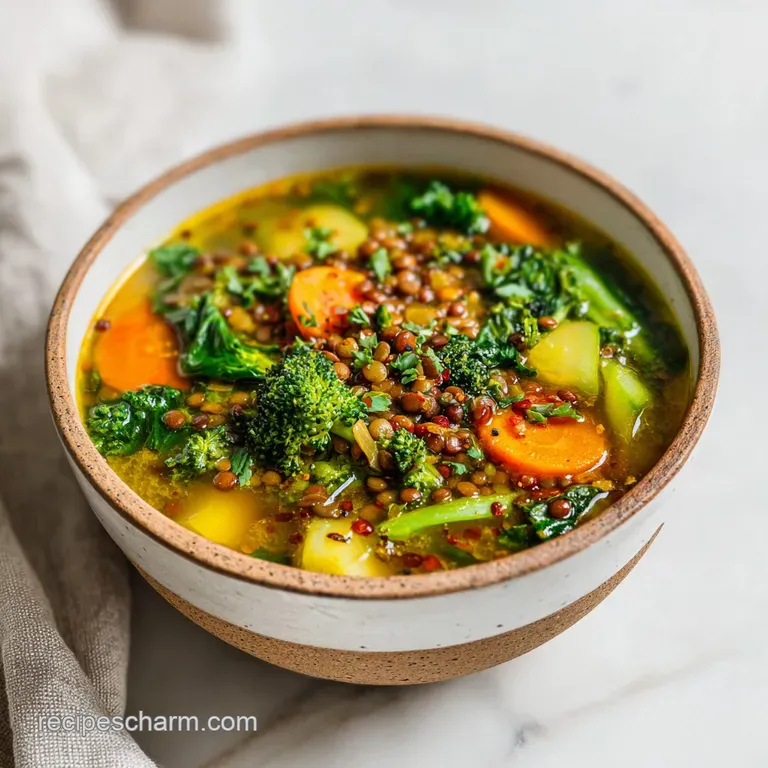
- Sauté the aromatics. Set your Instant Pot to the Sauté function (High or Normal). Pour in the extra virgin olive oil. Once the oil is shimmering, add the diced onion, carrots, and celery. Sauté for 5 minutes, stirring occasionally, until the onions are translucent and the carrots soften slightly. Note: This builds the flavor foundation.
- Bloom the spices. Stir in the minced garlic, grated ginger, cumin, smoked paprika, turmeric, and red pepper flakes. Cook for 60 seconds until the kitchen smells incredibly fragrant. Note: Heat releases the oils in the spices.
- Deglaze the inner pot. Add the fire roasted diced tomatoes and a small splash of the vegetable broth. Use a wooden spoon to scrape the bottom of the pot vigorously until every brown bit is lifted. Note: This is the most important step to prevent the "Burn" warning.
- Add the main ingredients. Pour in the rinsed brown lentils and the remaining vegetable broth. Stir everything together until the mixture is well combined. Note: Ensure no lentils are stuck to the sides above the liquid line.
- Set the pressure cycle. Secure the lid and ensure the steam release valve is set to the 'Sealing' position. Select the Manual or Pressure Cook button on High for 15 minutes. Note: The pot will take about 10 minutes to reach full pressure.
- Allow for natural release. Once the timer beeps, let the pot sit undisturbed for 10 minutes. This is called a Natural Pressure Release (NPR). After 10 minutes, carefully turn the valve to 'Venting' to release any remaining steam until the float valve drops.
- Wilt the greens. Open the lid carefully. Stir in the fresh baby spinach, the lemon juice, sea salt, and black pepper. The residual heat from the soup will wilt the spinach in about 1 to 2 minutes until it turns a vibrant green. Note: Do not cook the spinach under pressure or it will turn grey.
- Taste and adjust. Give the soup a final stir. Taste a spoonful and see if it needs more salt or a bit more lemon. Serve it warm until everyone is asking for seconds.
Chef's Tip: If you want a creamier soup without adding dairy, take an immersion blender and give the soup 2 or 3 quick pulses. This breaks up a few lentils and creates a thick, velvety texture while leaving most of the lentils whole.
Troubleshooting the Process
We've all been there the pot starts beeping at you, or the texture isn't quite what you expected. Don't panic. Most Instant Pot issues are easy to fix even while the cooking is happening.
The most common hurdle with any pot lentil soup is the "Burn" notice, which usually happens because something sugary or starchy is stuck to the bottom of the stainless steel liner.
The Dreaded Burn Notice
If your screen flashes "BURN," it means the sensors detect the bottom of the pot is getting too hot. This usually happens if you didn't scrape the bottom well enough after sautéing the vegetables or if the tomatoes were added first and sat on the bottom.
To fix this, release the pressure immediately, stir in a bit more broth, and scrape the bottom of the pot with a sturdy spatula. Make sure nothing is stuck, then restart the cycle.
Lentils Are Still Tough
If you open the lid and the lentils feel crunchy or like sand, it’s usually one of two things: your lentils are old, or you added too much acid (like the lemon juice) too early. Old pulses can take forever to soften.
If they aren't done, just put the lid back on and pressure cook for another 3 to 5 minutes. The lemon juice should always go in at the end for this exact reason.
Soup is Too Thick
Lentils are starch sponges. They will continue to drink up the liquid even after the pot is turned off. If you open the lid and it looks more like a stew than a soup, just stir in another half cup of broth or warm water. It won't hurt the flavor, and it will give you that spoonable consistency you’re looking for.
| Problem | Root Cause | Solution |
|---|---|---|
| Burn Warning | Bits stuck to bottom | Deglaze better next time; add tomatoes last before sealing. |
| Bland Flavor | Lack of acidity/salt | Add another squeeze of lemon and a pinch of salt after cooking. |
| Mushy Lentils | Cooked too long | Reduce pressure time by 2-3 minutes for the next batch. |
Common Mistakes Checklist:
- ✓ Pat the vegetables dry if they are very wet before sautéing to ensure they brown instead of steaming.
- ✓ Always rinse your lentils to remove dust and debris that can make the broth cloudy.
- ✓ Never skip the deglazing step; even a tiny bit of stuck onion can trigger the burn sensor.
- ✓ Use fresh ginger if possible; the jarred stuff often has a vinegary taste that ruins the soup.
- ✓ Wait to add the salt and lemon until the very end to ensure the lentils soften properly.
Scaling the Recipe
If you are cooking for a crowd or just want to stock the freezer, you might be tempted to double the recipe. You can absolutely do this, but there is one golden rule with the Instant Pot: Never fill it past the "Max Fill" line.
Lentils foam slightly as they cook, and if the pot is too full, that foam can clog the pressure valve.
For a half batch (3 servings), you can cut all the ingredients in half. The cooking time actually stays the same! This is a quirk of pressure cooking the time is based on the density of the food, not the total volume. Just make sure there is at least 1 cup of liquid so the pot can reach pressure safely. If you’re scaling up for a party, this best instant pot lentil soup pairs excellently with something like Duffeyroll Cinnamon Rolls if you enjoy a sweet and savory meal combo.
| Goal | Adjustment | Note |
|---|---|---|
| Double Batch | Use 4 cups lentils, 12 cups broth | Ensure you are using an 8 quart pot to avoid overflow. |
| Half Batch | Use 1 cup lentils, 3 cups broth | Use a 3 quart or 6 quart pot; time remains 15 minutes. |
| Thicker Result | Reduce broth to 5 cups | This creates a hearty, scoopable dal like consistency. |
Flavor and Texture Myths
There is a big misconception that you should soak lentils like you do dried beans. Honestly, don't even bother. Lentils are small and porous enough that they hydrate perfectly fine under pressure without a soak. In fact, soaking them might make them turn into a mushy paste before the flavors have a chance to meld.
Another myth is that salt prevents lentils from softening. Recent kitchen tests have actually shown that salting the liquid slightly can help the skins stay intact while the insides get creamy.
However, for this specific pressure cooker method, we save the bulk of the seasoning for the end just to be safe and to allow the vegetable broth’s saltiness to settle first.
The idea that you need meat for depth is the biggest myth of all. Between the smoked paprika, the fire roasted tomatoes, and the sautéed aromatics, you get a "meaty" umami flavor that satisfies even the biggest carnivores in the family. It's about building layers, not just boiling things.
Storage and Zero Waste
This soup is actually better the next day. As it sits in the fridge, the spices continue to mingle and the lentils release a bit more starch, making the broth even richer. It will keep in an airtight container in the fridge for up to 4 days.
If it gets too thick, just add a splash of water when you reheat it on the stove or in the microwave.
For long term storage, this soup freezes like a dream. I like to freeze it in individual portions (silicone molds or freezer bags) for quick lunches. It will stay fresh in the freezer for up to 3 months.
To reheat, let it thaw in the fridge overnight or just pop the frozen block into a pot with a little water over medium heat until it's bubbling and hot.
Zero Waste Tip: Don't throw away your vegetable scraps! The ends of the carrots, the onion skins, and the celery leaves can all be kept in a bag in the freezer. When the bag is full, boil them with water to make your own homemade vegetable broth for the next batch of soup.
Also, if you have a lemon that is starting to get hard, zest it before juicing; you can stir that zest into the soup for an even bigger flavor punch. Every little bit counts when you're trying to make a flavor packed family dinner with minimal waste.

Recipe FAQs
What is the secret ingredient in lentil soup?
The secret is blooming the spices. Toasting the cumin, paprika, turmeric, and red pepper flakes in olive oil for 60 seconds releases fat-soluble flavors that permeate the entire broth, creating a depth you cannot achieve by just dumping them in with the liquid.
Do lentils need to be soaked before cooking in an Instant Pot?
No, soaking is unnecessary for brown lentils. Because the Instant Pot uses high pressure steam, dried lentils rehydrate and reach the perfect tender texture during the 15-minute pressure cycle without needing pre-soaking.
Is lentil soup good for diabetics?
Yes, it is an excellent choice. Brown lentils are high in dietary fiber and plant based protein, which help regulate blood sugar levels and provide a slow, steady release of energy.
How to avoid the "Burn" notice?
Deglaze the pot thoroughly after adding the tomatoes. Ensure you scrape every bit of caramelized onion and carrot off the bottom of the stainless steel liner with a wooden spoon before adding the lentils and broth to ensure a clean surface.
What are the common mistakes in making lentil soup?
Skipping the Sauté step or failing to release pressure naturally. If you rush the initial cooking of the aromatics, you lose the base flavor; if you quick release the steam, the lentils may break down too rapidly and lose their structural integrity.
How to achieve the perfect soup consistency?
Allow the soup to rest during the 10-minute natural pressure release. This final period allows the lentils to absorb the broth and release starches, resulting in a thick, creamy texture; if you enjoyed mastering this starch thickening technique, see how we apply the same principle to our Crispy Parmesan Roast Potatoes for better structure.
How to reheat leftovers without them getting mushy?
Heat gently on the stovetop or in the microwave. Since the lentils continue to soften as they store, add a splash of broth or water before reheating to loosen the soup and restore the original broth-to-lentil ratio.
Instant Pot Lentil Soup
Ingredients:
Instructions:
Nutrition Facts:
| Calories | 334 kcal |
|---|---|
| Protein | 18.8 g |
| Fat | 5.4 g |
| Carbs | 52.1 g |
| Fiber | 19.8 g |
| Sugar | 6.2 g |
| Sodium | 538 mg |
