Delicious Low Carb Chicken Broccoli Skillet with Garlic
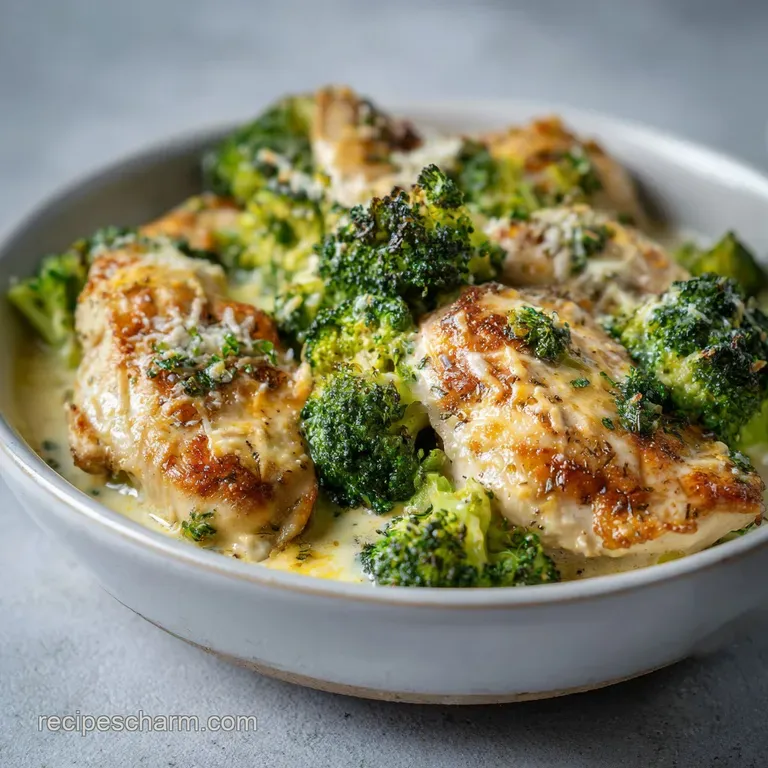
- Time: Active 10 minutes, Passive 15 minutes, Total 25 minutes
- Flavor/Texture Hook: Velvety garlic parm glaze with a golden seared finish
- Perfect for: Busy weeknight family dinners or low carb meal prep
- Master My Delicious Low Carb Chicken Broccoli Skillet Recipe with Garlic and Parmesan
- Why This Flavor Packed Meal Works
- Analyzing Our Key Skillet Components
- Selecting the Best Fresh Ingredients
- Tools for This One Pan Dinner
- Simple Steps for Crispy Results
- Solving Common Skillet Cooking Issues
- Adjusting Servings for Your Family
- Flavor Variations to Try Next
- Debunking Stovetop Cooking Myths
- Storing and Reusing Your Leftovers
- Best Sides for This Meal
- Recipe FAQs
- 📝 Recipe Card
Master My Delicious Low Carb Chicken Broccoli Skillet Recipe with Garlic and Parmesan
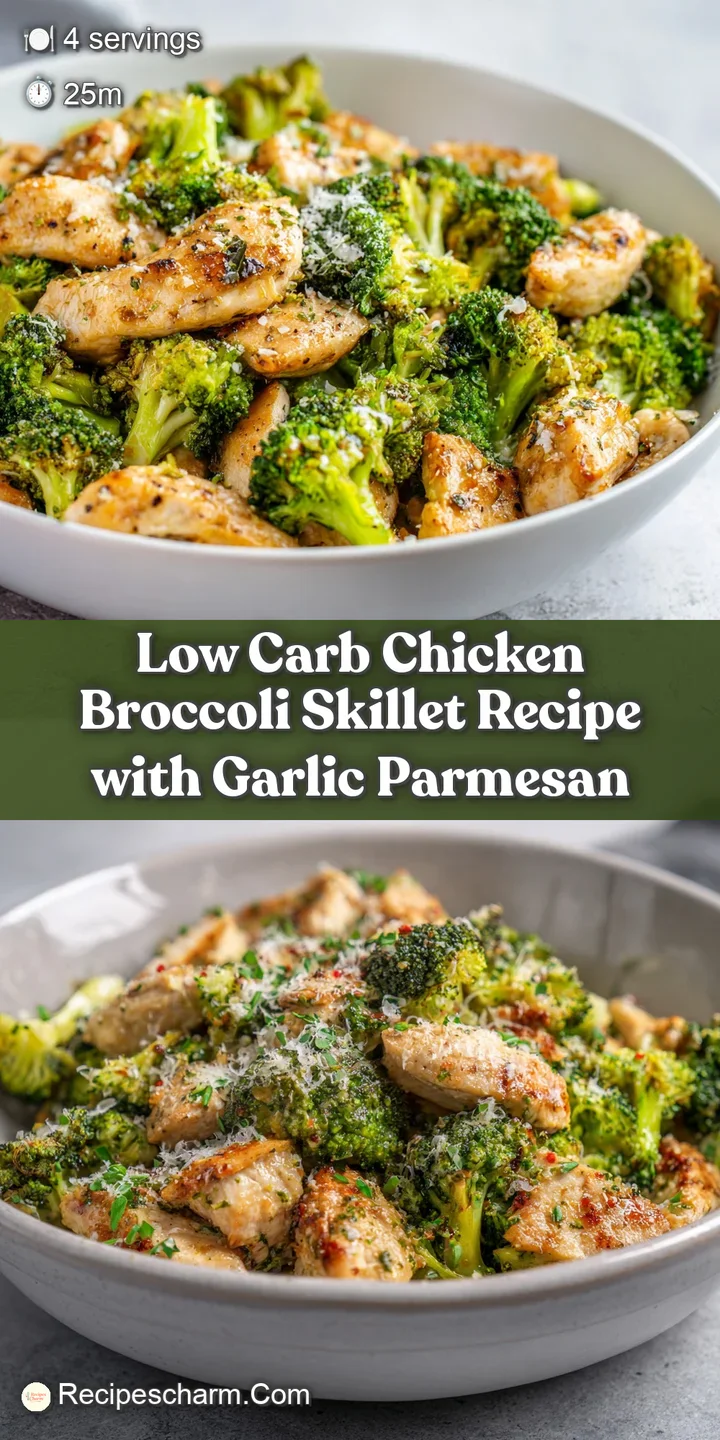
The sound of that initial sizzle when the chicken hits the hot oil is honestly one of my favorite parts of cooking. You know the one that sharp, crackling pop that promises a golden, savory crust. This delicious low carb chicken broccoli skillet recipe with garlic and parmesan is a guaranteed weeknight winner.
I remember the first time I threw this together; I was halfway through a hectic Tuesday, the fridge looked pathetic, and I just needed something that didn't come out of a cardboard box.
It’s funny how the simplest combinations often end up being the ones your family asks for every single week. We’ve all been there, staring at a head of broccoli and wondering how to make it taste like something more than just "health food." The magic happens when that garlic hits the residual heat of the pan and the parmesan melts into a velvety glaze.
It transforms basic ingredients into a meal that feels indulgent but keeps things light.
You don't need a massive grocery list or a degree in culinary arts to pull this off. It’s all about heat management and timing. I’ve made the mistake of crowding the pan before, which just steams the meat into a sad gray pile, but once you nail the sear, everything changes.
Trust me, once you see those charred edges on the broccoli and smell the toasted garlic, you’ll be hooked on this one pan wonder.
Why This Flavor Packed Meal Works
Cooking is essentially a series of chemical reactions, and this skillet meal uses them to build layers of flavor in a very short window. By understanding how heat moves through different textures, we can ensure the chicken stays moist while the broccoli gets that perfect bite. Much like my favorite Chicken and Peppers recipe, this dish relies on high surface area browning to create deep savory notes.
- The Maillard Reaction: Searing the chicken at high heat creates hundreds of different flavor compounds as proteins and sugars break down, resulting in that golden brown crust.
- Thermal Carryover: Pulling the chicken slightly before it hits its final temp allows the internal heat to finish the job, keeping the breast meat from turning into dry "chalk."
- Emulsification Stability: Using chilled butter at the end allows the fat to slowly meld with the chicken broth, creating a thick sauce instead of a broken, oily mess.
- Cellular Softening: The short steam fry period breaks down the tough cellulose in the broccoli stems while leaving the florets intact and vibrant.
The Physics of the Glaze
The secret to the velvety finish is the temperature of your butter; cold fat droplets disperse slowly into the warm broth. This creates a stable emulsion that coats the ingredients rather than sliding off to the bottom of the pan.
| Thickness | Internal Temp | Rest Time | Visual Cue |
|---|---|---|---|
| 1 inch cubes | 165°F (74°C) | 3 minutes | Juices run clear when pressed |
| 1/2 inch strips | 165°F (74°C) | 2 minutes | Opaque white throughout |
| Large florets | N/A | 1 minute | Deep neon green, fork tender |
If you are looking for more ways to keep your kitchen routine efficient, you might find my Macro Friendly Chicken recipe just as helpful for balancing flavor and nutrition. Both recipes prioritize high-quality protein and fiber without wasting time on complicated techniques.
Analyzing Our Key Skillet Components
Every ingredient in this pan has a specific job to do beyond just providing calories. When you’re working with a short list, the quality of each item matters significantly. I always go for the block of parmesan you have to grate yourself because the pre shredded stuff is coated in potato starch, which can make your sauce feel gritty or sandy.
| Ingredient | Science Role | Pro Secret |
|---|---|---|
| Chicken Breast | Protein Base | Pat it dry with paper towels to ensure a shatter crisp sear rather than steaming. |
| Fresh Broccoli | Structure & Fiber | Keep the stalks! Peel them and slice thin; they contain more natural sugars than the florets. |
| Garlic Cloves | Aromatic Depth | Add after the sear to prevent burning, which happens at temperatures above 350°F. |
| Chicken Bone Broth | Solvent & Flavor | Provides the liquid needed to steam the broccoli while adding collagen for a richer mouthfeel. |
When we talk about the difference between fresh and shortcut ingredients, the texture is usually where you notice the most change. Frozen broccoli can work in a pinch, but it will never have that snappy crunch of fresh florets.
| Broccoli Type | Prep Time | Texture Result | Best Use Case |
|---|---|---|---|
| Fresh Florets | 5 minutes | Snappy and charred | This specific skillet recipe |
| Frozen Florets | 0 minutes | Soft and tender | Casseroles or quick stir fry |
| Pre Cut Bagged | 1 minute | Mixed results | High speed weeknights |
Selecting the Best Fresh Ingredients
Right then, let's look at what you need to grab from the store. This is a budget smart meal, so don't feel like you need the most expensive organic brands to get a great result. I usually buy the family pack of chicken and freeze what I don't use.
For the parmesan, if the "fancy" wedge is too pricey, even a generic store brand wedge you grate yourself will beat the green shaker bottle any day.
- 1.5 lbs chicken breast: Cut into 1 inch bite sized pieces. Why this? Even sizes ensure every piece cooks at the exact same rate.
- Substitute: Chicken thighs (boneless) juicier, but requires 3-4 extra minutes of cook time.
- 2 tbsp avocado oil: For the over high heat sear. Why this? It has a high smoke point, so it won't burn or turn bitter.
- Substitute: Grapeseed oil or light olive oil (not extra virgin).
- 1 tsp kosher salt: Use for seasoning the raw meat.
- Substitute: 1/2 tsp table salt (it’s denser, so you need less).
- 1/2 tsp cracked black pepper: For a bit of earthy heat.
- 4 cups fresh broccoli florets: The bulk of our dish.
- Substitute: Cauliflower florets adds a nuttier, sweeter flavor profile.
- 4 cloves garlic: Minced or finely grated. Why this? Fresh garlic provides the essential sulfur compounds for that "restaurant" smell.
- Substitute: 1 tsp garlic powder (add to the chicken seasoning instead).
- 1/4 tsp red pepper flakes: Just enough for a back of-the throat tingle.
- 3 tbsp unsalted butter: Cubed and kept chilled until the very end.
- Substitute: Ghee same fat content but adds a toasted, nutty note.
- 1/2 cup grated parmesan cheese: The glue that holds the sauce together.
- Substitute: Pecorino Romano saltier and punchier; reduce added salt if using.
- 2 tbsp chicken bone broth: To deglaze the pan.
- 1 tbsp fresh lemon juice: To cut through the fat of the cheese and butter.
Tools for This One Pan Dinner
The beauty of this meal is the minimal cleanup. You really only need one solid pan. I swear by my 12 inch cast iron skillet (like a Lodge) because it retains heat so well, but a heavy bottomed stainless steel pan works beautifully too.
Just avoid thin, cheap aluminum pans; they create hot spots that will burn your garlic before the chicken is even halfway done.
You'll also want a good pair of tongs. Spatulas are okay, but tongs give you the control to flip individual pieces of chicken to ensure that golden crust on all sides. A microplane is my "secret weapon" for the garlic it turns the cloves into a paste that dissolves instantly into the sauce, so you never bite into a huge, raw chunk of garlic.
Simple Steps for Crispy Results
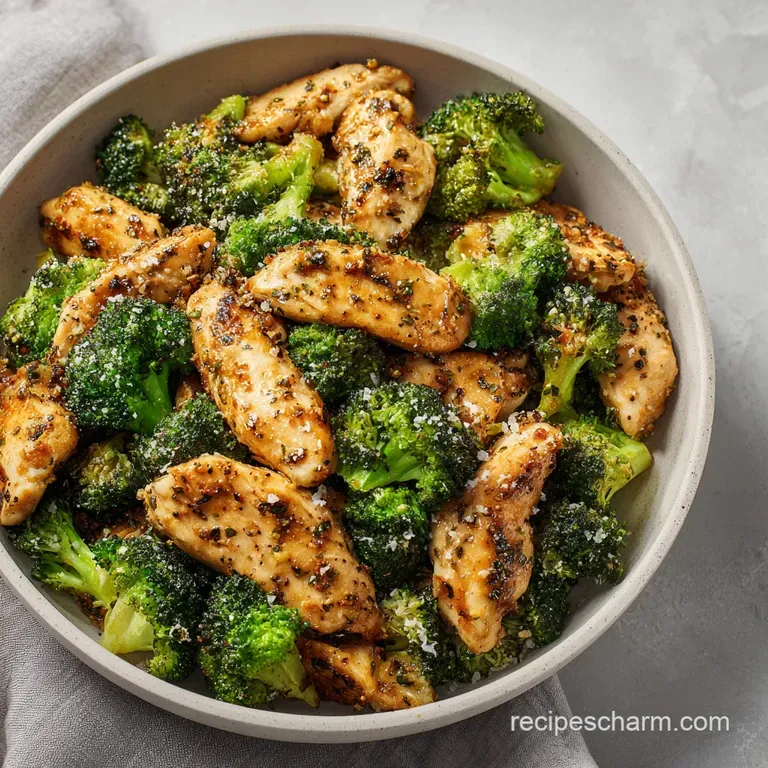
Let's crack on with the actual cooking. Remember, the pan needs to be hot before the oil goes in. If you put cold oil in a cold pan, the chicken is more likely to stick. We want that immediate sizzle!
1. Searing for Mahogany Color
Pat the 1.5 lbs of chicken pieces completely dry. Season with the salt and pepper. Heat the 2 tbsp avocado oil over medium high heat until it shimmers. Add the chicken in a single layer don't crowd them! Cook for 3 minutes without moving them until a deep golden crust forms.
Flip and cook for another 2 minutes.
2. Incorporating the Broccoli and Steam
Add the 4 cups of broccoli florets directly into the pan with the chicken. Pour in the 2 tbsp of chicken bone broth. Note: The liquid will hit the hot pan and turn to steam instantly. Cover with a lid for about 2 minutes until the broccoli is vibrant green and tender crisp.
3. Building the Garlic Aromatics
Remove the lid and push the chicken and broccoli to the edges of the pan. Drop the 4 minced garlic cloves and 1/4 tsp red pepper flakes into the center. Sauté for 30-45 seconds until fragrant but not browned. If the pan looks too dry, you can add a tiny splash of water.
4. Creating the Velvety Parmesan Finish
Turn the heat to low. Add the 3 tbsp of chilled butter cubes and the 1 tbsp of lemon juice. Toss everything together as the butter melts. Once the butter has formed a thin sauce, sprinkle in the 1/2 cup of parmesan cheese. Toss quickly until the cheese melts into a silky glaze that coats everything.
Remove from heat immediately to prevent the cheese from separating.
Chef's Note: If your sauce looks a bit too thick or "clumpy," add one more tablespoon of warm broth. The extra liquid helps re emulsify the cheese and butter into a smooth coating.
Solving Common Skillet Cooking Issues
Even the most experienced cooks have days where things don't go perfectly. The most common heartbreak with this dish is "The Great Cheese Clump." This happens when the pan is too hot when the parmesan is added, causing the proteins in the cheese to tighten up into a rubbery ball.
Preventing Gritty Parmesan Clumps
If you notice your cheese is sticking to the spoon rather than coating the chicken, your temperature is the culprit. Always kill the heat or drop it to "low" before the cheese goes in. The residual heat of the pan is more than enough to melt parmesan.
Fixing Soggy Broccoli
Nobody wants mushy trees. If your broccoli turned out soft, you likely left the lid on too long or used too much broth. Next time, aim for a "flash steam" just enough to take the raw edge off.
| Problem | Root Cause | Solution |
|---|---|---|
| Chicken is tough | Overcooked or pan was too cold | Sear fast on high; check internal temp is exactly 165°F. |
| Sauce is oily | Butter was warm or melted too fast | Use ice cold butter cubes and stir constantly while melting. |
| Garlic is bitter | Burnt during the sauté | Add garlic only in the last minute of cooking; never sear it with the meat. |
Common Mistakes Checklist: ✓ Skip the "pre shredded" cheese; it contains anti caking agents that ruin the sauce texture. ✓ Don't skip the paper towel pat down; moisture is the enemy of a good sear. ✓ Wait for the oil to shimmer before adding the first piece of chicken.
✓ Use a large enough skillet; if the chicken pieces are touching, they will steam, not brown. ✓ Have all ingredients prepped (mise en place) before you turn on the stove; this moves fast!
Adjusting Servings for Your Family
Scaling this recipe is fairly straightforward since it’s a one pan deal, but you have to be mindful of pan surface area. If you're doubling it, don't try to cram 3 lbs of chicken into one skillet. You'll end up with a boiled mess.
- Cutting it in Half: Use a smaller 8 inch or 10 inch skillet. Keep the cook times roughly the same, but watch the garlic closely as it will brown faster in a smaller volume of food.
- Doubling the Recipe: This is where people get into trouble. Cook the chicken in two separate batches to maintain that golden sear. Once both batches are done, return all meat to the pan to finish with the broccoli and sauce. Increase spices and salt to 1.5x rather than a full 2x to avoid over seasoning.
- Baking for a Crowd: If you need to make this for 8 people, sear the chicken in batches on the stove, then toss everything with the broccoli and broth in a large roasting pan. Cover with foil and bake at 400°F (200°C) for 10-12 minutes. Finish with the butter and cheese right before serving.
Flavor Variations to Try Next
Once you've mastered the base version, you can start playing with the profile. This dish is basically a blank canvas for whatever is in your pantry.
Transforming into a Healthy Chicken Broccoli Casserole Low Carb
If you prefer a bubbly, baked texture, transfer the cooked skillet mixture to a baking dish. Top with an extra handful of mozzarella and some crushed pork rinds (for that low carb "breadcrumb" crunch) and broil for 2-3 minutes until the top is shatter crisp and golden.
Swapping for a Low Carb Chicken and Broccoli Stir Fry
To lean into an Asian inspired profile, swap the butter and parmesan for 2 tbsp of soy sauce (or coconut aminos) and 1 tsp of toasted sesame oil. Keep the garlic and red pepper flakes, but add a thumb sized piece of grated fresh ginger at the same time as the garlic.
Decision Shortcut: If you want a creamy finish, stir in 2 tbsp of heavy cream right before the parmesan. If you want a crunchy element, toss in 1/4 cup of toasted slivered almonds at the very end.
If you want more acidity, double the lemon juice and add a teaspoon of lemon zest.
Debunking Stovetop Cooking Myths
There’s a lot of "old school" advice floating around that actually makes cooking harder than it needs to be. Let's clear up a few things so you can cook with confidence.
First off, "sealing in the juices" isn't a real thing. Searing meat creates flavor through the Maillard reaction, but it doesn't actually create a moisture proof barrier. The reason seared meat tastes juicier is simply because the browned crust provides a massive hit of savory umami that makes your mouth water.
Another one I hear a lot is that you should never wash mushrooms or broccoli because they act like sponges. While you shouldn't soak them for an hour, a quick rinse under cold water is perfectly fine and won't ruin the texture.
Just make sure you give them a good shake or a spin in a salad spinner so you aren't adding excess water to your hot oil, which causes splattering.
Storing and Reusing Your Leftovers
This dish keeps surprisingly well, making it a dream for meal prep. The flavors of the garlic and parmesan actually deepen overnight as they sit.
- Storage: Keep leftovers in an airtight container in the fridge for up to 4 days. The sauce will thicken and solidify slightly because of the butter, but it will melt back down perfectly when reheated.
- Freezing: While you can freeze this for up to 2 months, be aware that broccoli can get a bit soft upon thawing. If you plan to freeze it, undercook the broccoli slightly so it maintains some structure during the reheating process.
- Reheating: Avoid the microwave if possible; it tends to make the chicken rubbery. Instead, toss everything back into a skillet over medium low heat with a tiny splash of broth or water. Cover for 2 minutes to let the steam revive the broccoli, then toss until the sauce is velvety again.
- Zero Waste: Don't toss those broccoli stalks! As mentioned before, they are delicious. Also, if you have tiny bits of chicken and broccoli left over, chop them up fine and fold them into an omelet the next morning for a "fridge clearing" breakfast.
Best Sides for This Meal
Since this is a low carb powerhouse, you might want to keep the sides in that same vein. However, if you're feeding kids who aren't on the "keto train," this is incredible served over a pile of buttered egg noodles or fluffy white rice.
For a fully low carb experience, I love serving this over Cauliflower "Risotto." Just sauté some riced cauliflower with a little cream and more parmesan. The nutty flavor of the cauliflower complements the garlic chicken perfectly.
Another great option is a simple Zucchini Noodle Base. Don't cook the noodles; just toss the hot chicken and broccoli directly onto raw zoodles. The heat from the dish will wilt the zucchini just enough without making it watery.
If you're looking for a fresh contrast, a simple arugula salad with a heavy hit of lemon and black pepper cuts right through the richness of the parmesan glaze. It adds a peppery bite that balances the savory, buttery notes of the skillet.
Whatever you choose, just make sure you have a piece of crusty bread (low carb or otherwise) to swipe up every last drop of that garlic parm sauce!
Recipe FAQs
Can I substitute frozen broccoli for fresh in this recipe?
No, fresh is highly recommended. Frozen broccoli releases significant moisture during cooking, which will steam the chicken and prevent the sauce from developing that necessary velvety texture.
How to ensure the chicken breast stays juicy and doesn't dry out?
Sear the chicken quickly over high heat, then remove it from the pan before it’s fully cooked. Pull the meat when it hits 160°F; the carryover heat while it rests with the broccoli will finish it to a safe and moist 165°F.
How to make the parmesan sauce creamy instead of oily or clumpy?
Turn the heat to low or off before adding the cheese and cold butter. The key is slow incorporation; rapid heat causes the proteins in the cheese to seize, leading to separation. If you master this gentle emulsification technique here, you’ll find the same principle applies when thickening other sauces, like in our Chicken and Avocado recipe.
Is it possible to use pre-shredded Parmesan cheese for the glaze?
No, this is strongly discouraged for the best texture. Pre-shredded cheese contains starches like cellulose to prevent clumping in the bag, which results in a gritty or sandy sauce coating rather than a smooth glaze.
How long should the garlic sauté before adding liquid?
Sauté the minced garlic for 30 to 45 seconds until highly fragrant. Be extremely cautious not to let it brown, as burnt garlic turns bitter instantly and will ruin the delicate balance of the final sauce.
What can I serve this with if I need a low carb side dish?
Serve over riced cauliflower or zucchini noodles. For a heartier, more complex low carb side that uses similar aromatics, try the vegetable base from our Street Corn Chicken recipe and substitute cauliflower rice.
What is the maximum time I can safely pre-chop the chicken and broccoli?
Chop the vegetables and chicken up to 24 hours ahead of time. Store them separately in airtight containers in the refrigerator to prevent the raw chicken juices from contaminating the broccoli.
Low Carb Chicken Broccoli Skillet
Ingredients:
Instructions:
Nutrition Facts:
| Calories | 504 kcal |
|---|---|
| Protein | 59.5 g |
| Fat | 24.8 g |
| Carbs | 7.3 g |
| Fiber | 2.3 g |
| Sugar | 1.4 g |
| Sodium | 762 mg |
