Overnight Brioche French Toast Casserole
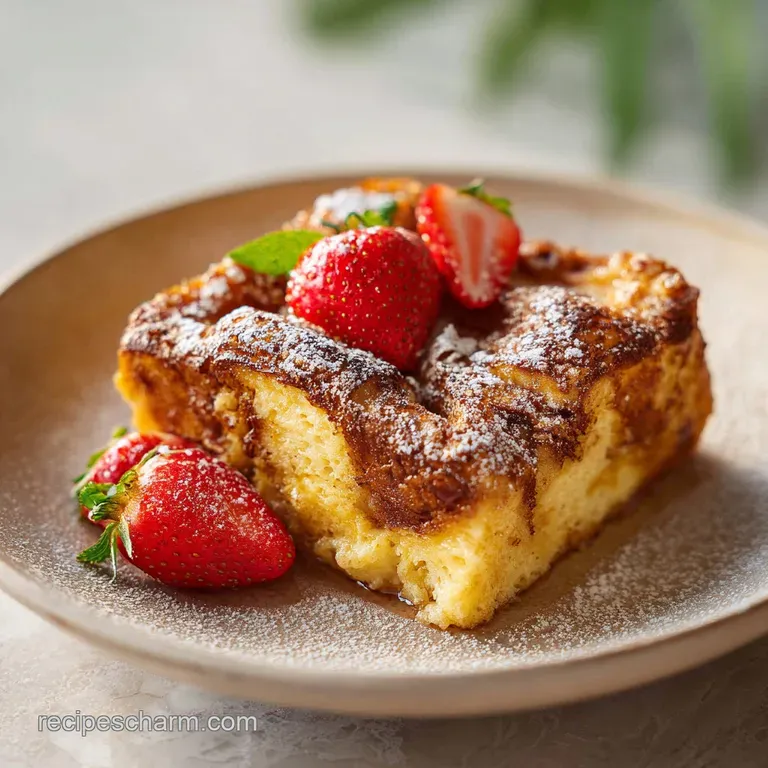
- Time:15 minutes active + 8 hours chilling = 545 minutes total
- Flavor/Texture Hook: A buttery, shatter crisp pecan streusel topping meets a silky brioche center.
- Perfect for: Holiday brunches, family reunions, or a lazy Sunday meal prep.
- Mastering the Best Overnight French Toast Casserole Recipe
- Essential Cooking Timelines and Comparisons
- The Science Behind Rich Custard
- Tools for Easy Morning Prep
- Step by Step Baking Guide
- Fixing Common Casserole Baking Issues
- Flavor Swaps and Ingredient Substitutes
- Essential Scaling Guidelines
- Busting Breakfast Casserole Myths
- Safe Reheating and Storage Tips
- Perfect Serving and Garnish Ideas
- Recipe FAQs
- 📝 Recipe Card
Mastering the Best Overnight French Toast Casserole Recipe
The smell of cinnamon and toasted pecans hitting a hot oven is the only alarm clock I ever want to hear. I remember the first time I tried making this for a big family gathering. I used thin, pre sliced white bread and didn't let it soak long enough.
The result was a sad, soupy mess that looked more like bread pudding gone wrong than the hearty breakfast I promised. It was a total flop, but it taught me everything I needed to know about why bread choice and hydration time are non negotiable.
Now, when I pull this dish out of the fridge on a Saturday morning, I know the payoff is going to be massive. There is something so satisfying about sliding a cold pan into the oven and watching that streusel topping start to sizzle and brown.
You get that incredible contrast between the soft, custard soaked brioche and the crunch of the pecans. It’s the kind of meal that makes everyone linger around the table just a little bit longer, and honestly, that’s why I love it.
We are going for a texture that isn't just "wet bread." We want a velvety, almost souffle like interior that holds its shape when you slice into it. By using a specific ratio of whole milk and heavy cream, we ensure the fat content is high enough to create a rich mouthfeel without being overly greasy.
This recipe is designed to be your reliable go to, whether you are hosting ten people or just want a decadent weekend treat for the kids. Let's get into what actually makes this magic happen in your kitchen.
Essential Cooking Timelines and Comparisons
Success with this dish depends on how you manage your time and your ingredients. While you might be tempted to bake this immediately, the overnight rest is what transforms the bread into a unified casserole.
If you try to rush it, the custard won't reach the center of the bread cubes, leaving you with dry spots and a pool of liquid at the bottom of the dish.
The Overnight Hibernation: Chilling for 8 hours allows the egg proteins to bond with the bread starches, creating a stable structure. This is also when the vanilla and nutmeg really permeate the crumb of the brioche.
Temperature Control: Bringing the dish out of the fridge for a few minutes while the oven preheats helps prevent the glass from shattering and ensures the center cooks evenly.
| Method | Prep Time | Texture Result | Best For |
|---|---|---|---|
| Overnight Soak | 8 to 24 hours | Silky, uniform, and rich | Holidays and planned brunches |
| Quick Soak | 30 minutes | Drier center, crispier edges | Last minute weekend cravings |
| Stale Bread | 15 minutes | Chewier, holds shape well | Reducing food waste |
One thing I have learned is that the type of bread you use changes the "done" cues. Brioche is naturally high in egg and butter, so it browns faster than a crusty French loaf. If you see the top getting too dark before the center is set, just tent it loosely with foil. But what about the liquid?
We will get to that in the science section. Trust me on this, the wait is the most important ingredient.
The Science Behind Rich Custard
Understanding how the custard interacts with the bread will save you from a soggy breakfast. It's not just about pouring liquid over bread; it's about creating a stable emulsion that sets firmly under heat.
- Capillary Action: Dry brioche acts like a sponge, pulling the custard into its air pockets via tiny channels in the crumb.
- Protein Denaturation: The 8 eggs in this recipe act as the "glue," uncoiling and Re bonding during baking to turn liquid milk into a solid, custard like matrix.
- Starch Gelatinization: As the oven hits 350°F (175°C), the starches in the flour and bread swell and absorb any remaining moisture, preventing a "weeping" casserole.
| Component | Science Role | Pro Secret |
|---|---|---|
| 8 Large Eggs | Structural binder | Whisk until no streaks remain to avoid "fried egg" bits. |
| Heavy Cream | Fat based silkiness | The higher fat content prevents the milk from curdling under heat. |
| Brown Sugar | Hygroscopic sweetener | It draws moisture into the bread while adding a deep molasses note. |
If you love the nutty crunch of the pecans in this topping, you'll probably enjoy the flavor profile of a Butter Pecan Cake, which uses similar chemistry to get that perfect crumb. The way sugar caramelizes against the nuts is a total winner for any dessert leaning breakfast.
Tools for Easy Morning Prep
You don't need a professional kitchen, but a few specific items make this much easier. A large 9x13-inch glass or ceramic baking dish is the standard here because it provides enough surface area for the streusel to get crispy. Avoid deep, narrow pots as the center will never cook through before the edges burn.
A heavy duty whisk is essential for getting those 8 eggs fully incorporated with the 2 cups of milk and 1/2 cup of heavy cream. If you leave clumps of egg yolk, they will cook into hard yellow spots in your casserole. I also recommend a pastry cutter or even just two forks for the streusel.
You want to see small, pea sized bits of butter, not a smooth paste.
Finally, aluminum foil is your best friend. You need it to cover the dish during the overnight soak to keep odors out, and again for the first 25 minutes of baking to steam the bread before you let the top shatter and crisp.
step-by-step Baking Guide
- Grease a 9x13-inch baking dish with 1 tablespoon of butter. Note: This prevents the egg custard from sticking to the sides.
- Arrange the 1 lb of cubed brioche evenly in the dish. Keep the cubes lofty and unpacked to allow the custard to flow between them.
- Whisk 8 large eggs in a large bowl until completely smooth.
- Whisk in 2 cups whole milk, 1/2 cup heavy cream, 3/4 cup brown sugar, 1 tbsp vanilla, 1 tsp cinnamon, 1/4 tsp nutmeg, and 1/2 tsp salt.
- Pour the custard slowly over the bread. Press down lightly to ensure the top layer is submerged and hydrated.
- Cover tightly with foil and refrigerate for 8 hours.
- Preheat your oven to 350°F (175°C).
- Mix 1/2 cup flour, 1/2 cup brown sugar, 1 tsp cinnamon, 1/4 tsp salt, and 1/2 cup cold cubed butter with 1/2 cup chopped pecans.
- Sprinkle streusel over the soaked bread.
- Bake covered for 25 minutes, then uncover and bake 20-25 minutes until the center is set and the top is golden brown.
Fixing Common Casserole Baking Issues
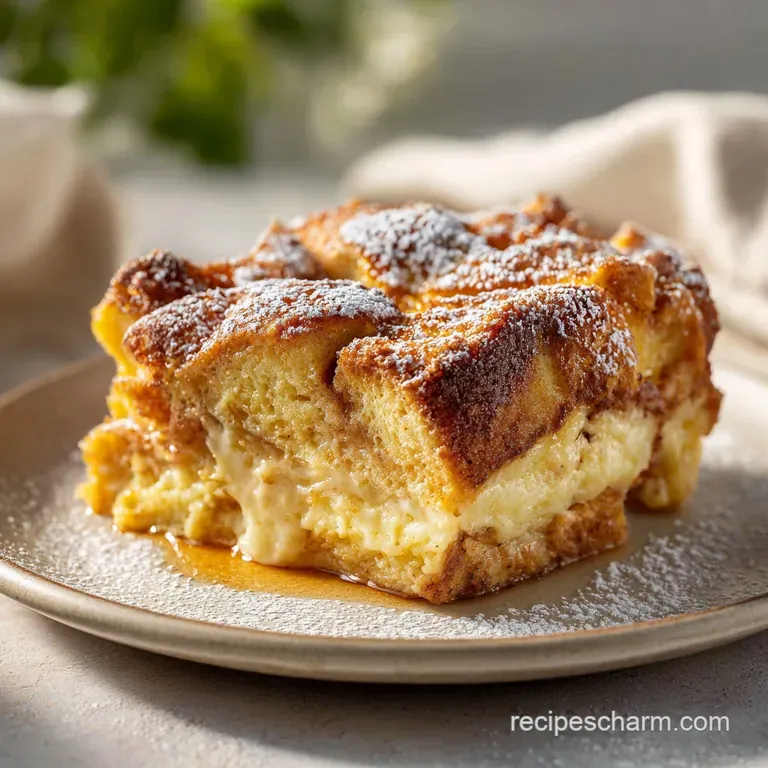
Even with the best overnight french toast casserole recipe, things can go sideways if the oven calibration is off or the bread was too fresh. The most common heartbreak is a center that feels like raw dough while the top looks perfect. This usually happens if the custard was too cold or the dish was too deep.
My Casserole is Soggy
This is usually caused by using bread that is too soft or fresh. If the bread doesn't have enough structural integrity, it collapses into a paste. Another culprit is underbaking; the custard needs to hit an internal temperature of about 160°F (71°C) to set firmly.
The Topping is Burning
If those pecans are looking dark after only 15 minutes, your oven might have a hot spot. Move the rack to the middle position. The sugar in the streusel caramelizes quickly, so don't be afraid to use that foil "tent" to protect it while the custard finishes cooking.
| Problem | Root Cause | Solution |
|---|---|---|
| Liquid at bottom | Inadequate soaking time | Let it sit at least 8 hours; the bread needs time to drink. |
| Tough, rubbery bread | Overmixing the custard | Whisk eggs first, then gently stir in dairy to avoid aerating too much. |
| Streusel is greasy | Butter was too soft | Use butter straight from the fridge and don't overwork the dough. |
Common Mistakes Checklist
- ✓ Never use thin sliced sandwich bread; it lacks the "backbone" for a long soak.
- ✓ Don't skip the salt in the custard; it balances the heavy sugar and fat.
- ✓ Always use cold butter for the streusel to ensure a flaky, non greasy crunch.
- ✓ Check the center with a knife; if it comes out with wet milk, give it 5 more minutes.
- ✓ Resist the urge to press the bread down too hard; you want air pockets for the custard to hide in.
Flavor Swaps and Ingredient Substitutes
I’m a firm believer that a recipe is just a roadmap. If you don't have brioche, challah is the next best thing. It’s a Jewish egg bread that has a similar rich crumb and absorbs liquid beautifully. If you're out of pecans, walnuts or even sliced almonds provide a great textural contrast.
If you are looking for a savory contrast to this sweet breakfast, you might think about serving it alongside some Philly Cheese Steak Quesadillas for a brunch spread that covers all the bases. The saltiness of the beef and cheese really cuts through the rich vanilla of the French toast.
| Original Ingredient | Substitute | Why It Works |
|---|---|---|
| 1 lb Brioche | French Bread or Challah | Challah is similar in fat; French bread is crustier and chewier. |
| 1/2 cup Heavy Cream | Half and Half | Slightly lighter, but still provides enough fat to prevent curdling. |
| 1/2 cup Pecans | Chopped Walnuts | Similar fat content and crunch. Note: Walnuts have a slightly more bitter skin. |
Essential Scaling Guidelines
When you have a house full of people, you might need to double this. Just remember that a 9x13 dish is the sweet spot. If you double the ingredients, use two separate 9x13 dishes rather than one deep one. This ensures the heat can reach the center of both casseroles at the same rate.
For scaling down, you can easily halve this recipe and bake it in an 8x8-inch square pan. The bake time will stay roughly the same because the depth of the casserole remains consistent. If you find yourself with half an egg when dividing, just beat a whole egg and use roughly two tablespoons of it.
If you are scaling up the spices, like cinnamon and nutmeg, I usually recommend only going 1.5x the amount even if you are doubling the bread. Spices can become overpowering very quickly in large volumes. Keep the vanilla at a 1:1 ratio, though you can never have too much vanilla.
Busting Breakfast Casserole Myths
One major myth is that you have to use stale bread. While it helps, you can actually achieve the same result by "toasting" fresh bread cubes in a 300°F (150°C) oven for 10 minutes.
This dries out the exterior so it can absorb more custard without becoming mushy.
Another misconception is that you need to flip the bread halfway through the soak. As long as you pour the custard evenly and give the top a light press, gravity and capillary action will do the work for you. Flipping the bread usually just results in broken cubes and a messy dish.
Finally, some people think you can't over soak this. Actually, after 24 hours, even the sturdiest brioche will start to break down and lose its texture. Aim for that 8 to 12 hour window for the absolute best results.
Safe Reheating and Storage Tips
If you actually have leftovers (a rare occurrence at my house), this casserole keeps surprisingly well. Store it in an airtight container in the fridge for up to 3 days. To reheat, avoid the microwave if you can. It will make the streusel soft and the bread rubbery.
Instead, pop a slice into a toaster oven or the main oven at 350°F (175°C) for about 10 minutes until the edges sizzle again.
For freezing, you can actually freeze the unbaked casserole. Assemble it completely, but don't add the streusel. Wrap it tightly in plastic wrap and then foil. It will stay fresh for up to 2 months. When you're ready to eat, let it thaw in the fridge overnight, then add the fresh streusel right before baking.
Zero Waste Tip: If you have leftover brioche crusts or crumbs from cubing the bread, don't toss them! Toss them with a little melted butter and cinnamon sugar and bake them alongside the casserole for "chef's snacks" or use them as a crunchy topping for yogurt later in the week.
Perfect Serving and Garnish Ideas
While this casserole is a powerhouse on its own, a few garnishes can take it over the edge. A dusting of powdered sugar adds that classic diner feel, and a handful of fresh berries (raspberries or blueberries) provides a necessary tartness to cut through the heavy cream and brown sugar.
I always serve this with warm maple syrup on the side. Some people like a dollop of whipped cream, which turns it into a full blown dessert breakfast. If you want to get really fancy, a drizzle of salted caramel sauce makes this the absolute star of any holiday morning.
If you want a different kind of traditional bake for your next brunch, I highly recommend trying an Irish Soda Bread recipe. It's much less sweet but has that same comforting, homemade vibe that makes a morning special. Whether you go sweet or savory, the most important part is the company you share it with and the fact that you did all the hard work the night before!

Recipe FAQs
What are common mistakes when making French toast casserole?
Using thin bread and packing the dish too tightly are the primary errors. Thin bread loses its structure during the soak, while over packing prevents the custard from coating every cube, leading to dry spots.
Can you prep French toast casserole the night before?
Yes, it is required for the best results. You must cover the dish tightly with foil and refrigerate for at least 8 hours to ensure the brioche fully hydrates with the custard mixture.
What is the best bread for French toast casserole?
Brioche is the superior choice for this recipe. Its high fat content provides the necessary structure to absorb 2 cups of whole milk and 1/2 cup of heavy cream without turning into mush.
How do you keep French toast casserole from getting soggy?
Uncover the dish halfway through the baking process. Removing the foil for the final 20 25 minutes allows excess moisture to evaporate and ensures the center is set.
How to achieve the perfect texture in the crust?
Use cold butter when preparing the streusel topping. If you enjoyed mastering dough texture here, you will recognize that keeping the butter cold is essential for a crumbly, non-greasy crunch once baked.
Is it true that I should use high heat settings to get a faster bake?
No, this is a common misconception. You must bake at 350°F; using a higher temperature will burn the exterior streusel before the interior egg-and-milk custard has finished setting.
How to ensure the center of the casserole is fully cooked?
Insert a knife into the center of the dish after 45 total minutes of baking. If the knife comes out with wet milk, bake for an additional 5 minutes until the custard is completely firm.
Overnight Brioche French Toast
Ingredients:
Instructions:
Nutrition Facts:
| Calories | 656 calories |
|---|---|
| Protein | 15.3 g |
| Fat | 34.5 g |
| Carbs | 71.5 g |
| Fiber | 2.1 g |
| Sugar | 41.8 g |
| Sodium | 438 mg |
