Juicy Stuffed Chicken Breast Recipe with Feta
- Time: Active 20 mins, Passive 25 mins, Total 45 mins
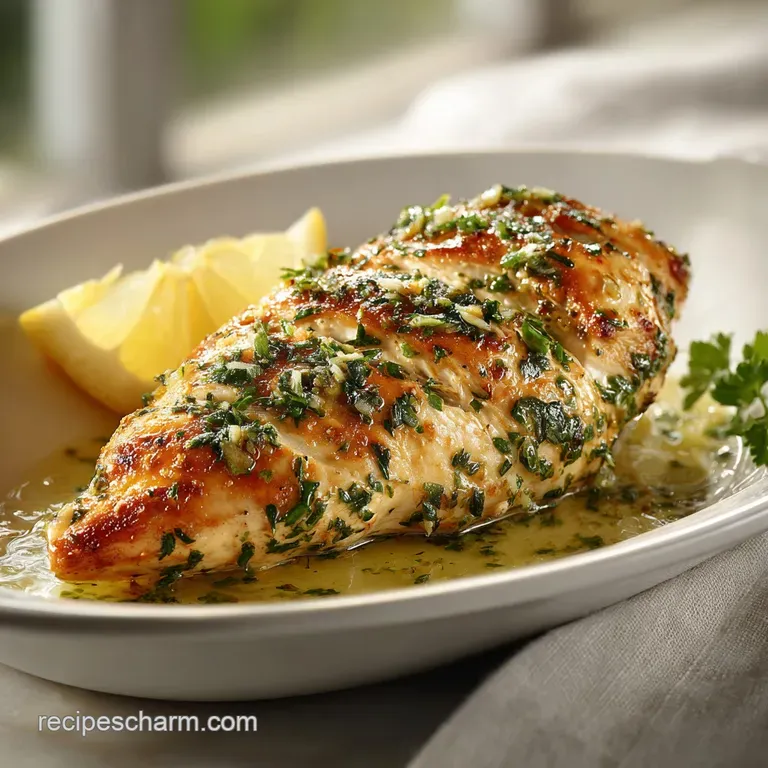
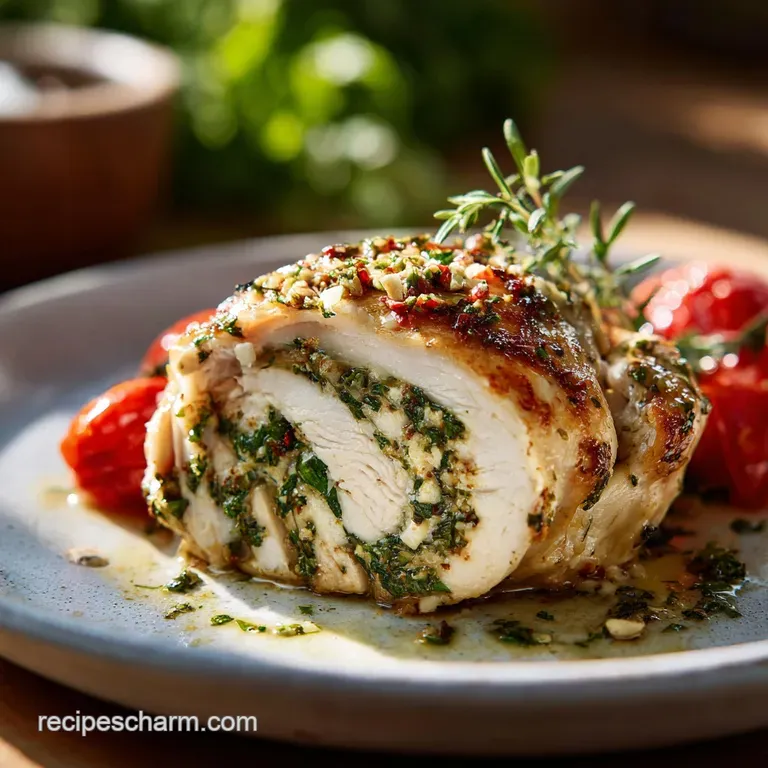
- Flavor/Texture Hook: Golden seared exterior with a velvety, sun dried tomato and herb center
- Perfect for: A hearty family dinner that looks fancy but requires minimal cleanup
- Mastering This Flavorful Stuffed Chicken Breast Recipe
- Reasons This Meal Wins Every Time
- Essential Cooking Specs and Metrics
- Selecting Your Fresh Ingredient Elements
- Minimal Tools for Maximum Flavor
- Simple Steps for Reliable Results
- Fixing Common Kitchen Stumbles Fast
- Creative Ways to Customize Flavors
- Practical Storage and Leftover Ideas
- Perfect Pairings for Family Dinner
- Debunking Searing and Stuffing Myths
- High in Sodium ⚠️
- Recipe FAQs
- 📝 Recipe Card
Mastering This Flavorful Stuffed Chicken Breast Recipe
The first time I tried making a stuffed chicken breast, it was a literal crime scene in my kitchen. I cut the breast all the way through, the cheese escaped like it was fleeing a fire, and I ended up with dry meat and a pan full of burnt dairy.
I almost gave up on the whole concept until I realized the "pocket" doesn't need to be a gaping hole it just needs to be a snug little envelope.
Now, whenever I hear that sizzle as the seasoned skin hits the cast iron, I know I’m in for a win. There is something so satisfying about slicing into a golden brown breast and seeing that bright green spinach and deep red sun dried tomato peeking out.
It’s the kind of meal that makes my family actually sit down and stay a while, mostly because they’re busy chasing every last drop of that lemon butter pan sauce with a piece of crusty bread.
This specific method is all about reliability. We aren't doing anything fussy here; we're just using a few smart tricks to make sure the filling stays put and the meat stays tender. If you've ever struggled with rubbery poultry, this is the version that will change your mind.
We’re going to get that crust crispy, the inside creamy, and the cleanup down to a single pan.
Reasons This Meal Wins Every Time
- Thermal Insulation: The 4 oz cream cheese acts as a heat buffer, protecting the delicate interior of the 8 oz chicken breasts from drying out while the exterior sears.
- Osmotic Seasoning: As the 0.25 cup feta cheese warms, its salt content migrates into the chicken fibers, seasoning the meat from the inside out during the 25 mins bake.
- Emulsion Stability: Adding 1 tbsp cold butter to the warm chicken broth and lemon juice at the end creates a silky glaze rather than a thin, watery liquid.
| Thickness | Internal Temp | Rest Time | Visual Cue |
|---|---|---|---|
| 1 inch | 165°F | 5 minutes | Juices run clear |
| 1.5 inches | 165°F | 7 mins | Opaque through center |
| 0.5 inch | 160°F | 3 mins | Firm to the touch |
You'll notice that thinner pieces cook much faster, so if your 4 large boneless skinless chicken breasts are uneven, give the thicker ones a head start. This is a similar logic to how I handle my Thin Chicken Breast recipe where evenness is the secret to success.
Essential Cooking Specs and Metrics
The Physics of the Pocket
Creating the space for the filling is more about geometry than butchery. By slicing only 3/4 of the way through the thickest part of the breast, you create a natural hinge. This "envelope" design uses the weight of the meat to compress the filling, naturally sealing it without needing a dozen toothpicks.
| Ingredient | Science Role | Pro Secret |
|---|---|---|
| Cream Cheese | Binding Emulsifier | Use full fat for better heat stability and a velvety finish |
| Sun dried Tomatoes | Umami Bomb | Mince them tiny so the flavor disperses through every bite |
| Lemon Juice | Protein Denaturant | The acid brightens the fat and cuts through the heavy feta |
Using the right binder is the difference between a mess and a masterpiece. While some people use just shredded cheese, the cream cheese in this stuffed chicken breast recipe acts like a glue for the 1 cup fresh spinach. It keeps the greens from falling out when you flip the meat in the pan.
Selecting Your Fresh Ingredient Elements
- 4 large boneless skinless chicken breasts: Look for pieces that are roughly 8 oz each for even cooking.
- 4 oz cream cheese: Softened is a must, or you'll have lumps.
- Substitute: Goat cheese for a more earthy, tangy punch.
- 0.25 cup feta cheese: Crumbled. Why this? Feta provides a salty pop that doesn't fully melt away.
- Substitute: Ricotta for a much milder, creamier texture.
- 1 cup fresh spinach: Finely chopped so it wilts instantly.
- Substitute: Kale, but ensure you sauté it for 2 minutes first.
- 0.25 cup sun dried tomatoes: Finely minced. Why this? They offer concentrated sweetness and chew.
- Substitute: Roasted red peppers for a softer, smoky flavor.
- 2 cloves garlic: Minced fresh.
- Substitute: 1 tsp garlic powder in a pinch (but fresh is better here).
- 1 tsp smoked paprika: For that deep golden color.
- 0.5 cup low sodium chicken broth: The base for your pan sauce.
| Original Ingredient | Substitute | Why It Works |
|---|---|---|
| Extra Virgin Olive Oil | Avocado Oil | Higher smoke point; better for the initial sear. |
| Dried Oregano | Dried Thyme | Similar earthy notes; less floral than oregano. |
| Cold Butter | Heavy Cream | Adds richness. Note: Sauce will be thicker and whiter. |
If you find yourself with extra peppers in the fridge after making this, they work beautifully in my Chicken and Peppers recipe which is another great one pan dinner.
Minimal Tools for Maximum Flavor
You don't need a kitchen full of gadgets for this. A sharp chef's knife is your best friend for making that clean pocket. I highly recommend using a large cast iron skillet or a heavy bottomed stainless steel pan that is oven safe.
This allows you to go from the stovetop sear to the oven finish without moving the meat, which keeps all those flavorful brown bits (the fond) in the pan for the sauce.
A small mixing bowl is needed to combine your filling, and a meat thermometer is non negotiable if you want to avoid "guessing" when the chicken is done. Trusting a timer alone is how we end up with dry poultry. Right then, let's get into the actual cooking.
Simple Steps for Reliable Results
- Preheat oven. Set your oven to 400°F (200°C) and ensure the rack is in the middle position.
- Prep filling. Mix the 4 oz softened cream cheese, 0.25 cup feta, 1 cup chopped spinach, minced sun dried tomatoes, 2 cloves garlic, and 0.5 tsp oregano in a bowl.
- Slice pockets. Lay the chicken breasts flat and use a sharp knife to cut a horizontal slit along the side, being careful not to cut all the way through.
- Season meat. Rub the 1 tbsp olive oil over the outside of the chicken, then coat with the 1 tsp smoked paprika, 1 tsp garlic powder, 1 tsp salt, and 0.5 tsp black pepper.
- Stuff breasts. Divide the filling evenly among the 4 breasts, tucking it deep into the pockets. Note: Use a toothpick to secure if they seem too full.
- Sear chicken. Heat a large oven safe skillet over medium high heat until the oil shimmers and barely smokes.
- Brown edges. Place chicken in the pan and sear for 3-4 minutes per side until golden brown and crispy.
- Oven finish. Transfer the skillet to the oven and bake for 10-15 minutes until the internal temperature hits 165°F.
- Make sauce. Remove chicken to a plate; add 0.5 cup broth and 1 tbsp lemon juice to the hot pan, scraping up bits.
- Swirl butter. Whisk in the 1 tbsp cold butter until the sauce is glossy and velvety, then pour over the chicken.
| Method | Flavor Impact | Time Saved |
|---|---|---|
| Fresh Garlic | Pungent and sharp | 0 mins |
| Jarred Garlic | Milder and sweeter | 2 mins |
| Garlic Paste | Concentrated | 1 min |
Fixing Common Kitchen Stumbles Fast
Why Your Filling Leaked Out
This usually happens if the pocket is cut too wide or if the pan isn't hot enough. When the meat hits a hot pan, the proteins contract quickly, which helps "squeeze" the pocket shut. If the pan is lukewarm, the cheese melts before the meat has a chance to firm up.
Why Your Chicken Is Rubbery
If the meat feels bouncy or rubbery, it’s likely overcooked or was cooked straight from the fridge. Try to let your chicken sit on the counter for 15 minutes before cooking so it isn't ice cold when it hits the heat.
| Problem | Root Cause | Solution |
|---|---|---|
| Filling Oozing | Slit too long | Keep the cut to 3 inches and use toothpicks. |
| Pale Chicken | Pan crowded | Sear in two batches to maintain high heat. |
| Dry Meat | No resting | Let the meat rest 5 mins to let juices redistribute. |
Common Mistakes Checklist
- ✓ Pat the chicken completely dry with paper towels before seasoning to ensure a crisp sear.
- ✓ Don't overstuff the pocket; leave about a half inch of space at the edge to prevent spills.
- ✓ Use a meat thermometer to pull the chicken at 160°F; carryover cooking will bring it to 165°F.
- ✓ Always use cold butter for the pan sauce to create a proper emulsion.
- ✓ Avoid moving the chicken once it hits the pan; let it form a crust for at least 3 minutes.
Creative Ways to Customize Flavors
If you want to try a "Greek style" variation, swap the sun dried tomatoes for chopped Kalamata olives and add a pinch of lemon zest directly into the filling. It’s incredibly bright and pairs perfectly with a side of roasted potatoes.
For those looking for a lower carb option, this stuffed chicken breast recipe is naturally keto friendly, especially if you serve it alongside some charred zucchini.
But what about a mushroom version? You can sauté 1 cup of finely diced cremini mushrooms with the garlic before mixing them into the cream cheese. It adds a deep, savory earthiness that feels very "bistro style" without the extra effort.
Honestly, don't even bother with low-fat cheeses here; the fat is what keeps the meat moist during the oven finish.
If you want X, do Y
- If you want a crunchier exterior: Dredge the stuffed breasts in a light coating of Parmesan cheese before searing.
- If you want a spicier kick: Add 0.5 tsp of red pepper flakes into the cream cheese mixture.
- If you want a thicker sauce: Mix 1 tsp of cornstarch into the chicken broth before adding it to the pan.
Practical Storage and Leftover Ideas
You can keep these in an airtight container in the fridge for up to 3-4 days. When reheating, I suggest doing it in a pan over low heat with a splash of water and a lid. This creates a little steam chamber that prevents the chicken from turning into a hockey puck in the microwave.
For zero waste, if you have leftover filling but no chicken, it makes an incredible spread for crackers or a "hack" pasta sauce. Just toss the leftover cream cheese mixture into hot pasta with a little pasta water, and you've got a creamy, sun dried tomato pasta for lunch the next day.
You can also freeze the raw stuffed breasts for up to 2 months; just thaw them overnight in the fridge before searing.
Perfect Pairings for Family Dinner
This dish is quite rich, so I usually lean toward sides that can soak up that lemon butter sauce. A pile of fluffy mashed potatoes or some buttered orzo works wonders. If you're keeping things lighter, a simple arugula salad with a balsamic vinaigrette provides a nice peppery contrast to the creamy feta.
For a more vegetable forward meal, I often serve this alongside the roasted greens found in my Macro Friendly Chicken recipe. The textures complement each other perfectly, and it keeps the whole dinner feeling balanced and hearty without being overly heavy.
Debunking Searing and Stuffing Myths
One of the biggest myths is that searing "seals in the juices." Science tells us that's not true moisture is lost as the muscle fibers contract under heat regardless. However, searing is essential for the Maillard reaction, which creates those deep, savory flavor compounds on the surface of the meat.
Without the sear, your chicken will taste boiled rather than roasted.
Another common misconception is that you must use toothpicks to keep the chicken closed. While they can help, if you sear the chicken "slit side up" first, the top of the pocket begins to firm up and hold its shape before you ever have to flip it. This "anchor sear" technique is a total lifesaver for busy weeknights.

High in Sodium ⚠️
845 mg mg of sodium per serving (37% % of daily value)
The American Heart Association recommends limiting sodium intake to about 2,300mg per day for overall health.
Sodium Reduction Tips for Stuffed Chicken Breast:
-
Low-Sodium Broth-30%
Swap regular chicken broth for a low-sodium or no-salt added version. This simple change can significantly lower the sodium content of the sauce.
-
Reduce Added Salt-25%
Eliminate the added salt (1 tsp) entirely or reduce it by half. Taste the dish after cooking and add a pinch more only if needed. Other ingredients contribute to the overall saltiness.
-
Lower Sodium Cheese-15%
Feta cheese is naturally high in sodium. Substitute with a fresh mozzarella or a part skim ricotta cheese. This will maintain creaminess while significantly reducing sodium.
-
Rinse Sun-Dried Tomatoes-10%
Rinse the sun-dried tomatoes with water before mincing to remove excess salt. Alternatively, use freshly roasted tomatoes instead.
-
Enhance with Lemon-5%
Increase the amount of fresh lemon juice used in the recipe. Its acidity helps to brighten the flavors and reduce the need for salt.
-
Fresh Herbs & Spices
Use plenty of fresh or dried herbs and spices to boost flavor! Consider adding thyme, rosemary, or basil for depth. Experimenting with flavors will reduce reliance on salt.
Recipe FAQs
What is the best way to stuff a chicken breast?
Create a horizontal pocket. Slice about three quarters of the way through the thickest part of the breast, creating an envelope without cutting the meat completely in half.
What can you put inside a chicken breast?
Use a combination of binding agent and flavor solids. Cream cheese or soft goat cheese works best as a binder for ingredients like spinach, sun dried tomatoes, or herbs.
How long does a stuffed chicken breast take to cook in the oven?
Plan for 10 to 15 minutes at 400°F (200°C) after searing. The total time depends heavily on the thickness of the breast; always verify doneness with a thermometer reaching 165°F.
Do you cover a stuffed chicken breast when baking?
No, it is usually best left uncovered. Baking uncovered ensures the exterior stays nicely browned and prevents the moisture from the filling from steaming the top surface of the meat.
Is searing the chicken before baking necessary for flavor?
Yes, searing is crucial for flavor development. This high heat exposure triggers the Maillard reaction, creating deep, savory crust flavors that baking alone cannot achieve.
Why did my cheese filling leak out while cooking?
This likely means the initial pan sear was not hot enough. When the pan is too cool, the cheese melts before the surrounding chicken proteins contract, allowing the filling to escape.
Can I make a side dish that works well with this rich filling?
Absolutely, a simple rice dish complements the creamy filling nicely. If you enjoyed mastering the technique of cooking meat evenly here, see how that same temperature precision works when preparing Steamed Rice Recipe for a tender side.
Stuffed Chicken Breast Recipe Feta
Ingredients:
Instructions:
Nutrition Facts:
| Calories | 584 kcal |
|---|---|
| Protein | 73.8 g |
| Fat | 26.8 g |
| Carbs | 4.6 g |
| Fiber | 1.1 g |
| Sugar | 2.3 g |
| Sodium | 845 mg |
