Delicious Thai Coconut Curry Soup Recipe
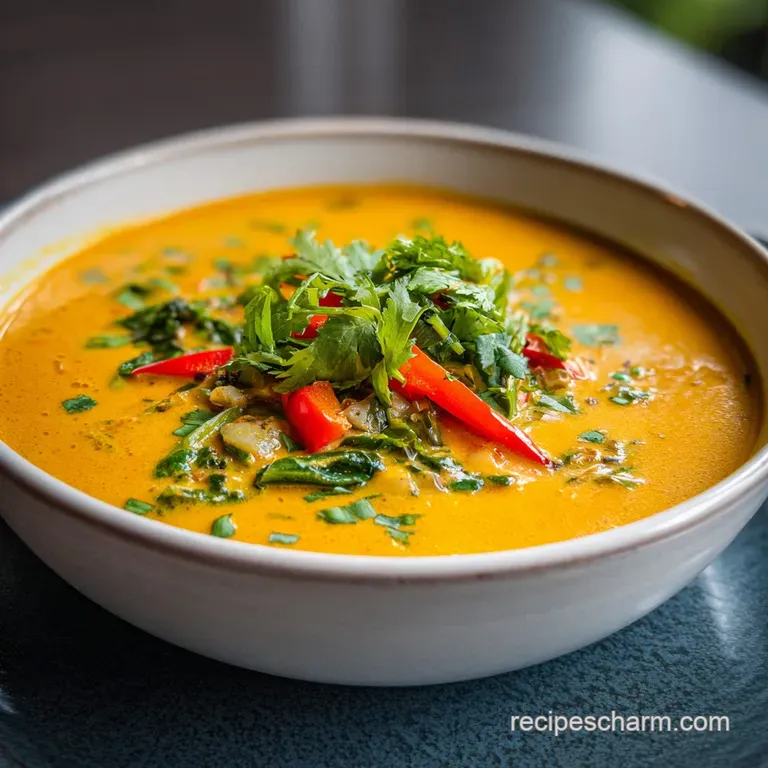
- Time: Active 10 mins, Passive 20 mins, Total 30 mins
- Flavor/Texture Hook: Velvety coconut broth with zesty lime and snappy peppers.
- Perfect for: Busy weeknight dinners or a cozy, budget-friendly date night.
- Mastering Delicious Thai Coconut Curry Soup Recipe
- Why This Comforting Pot Works
- Analyzing Your Essential Components
- Ingredients & Substitutes
- Tools For A Quick Dinner
- Simple Steps To Velvety Broth
- Avoiding Common Kitchen Mistakes
- Customizing For Your Family
- Keeping Leftovers Fresh Longer
- Best Side Dish Pairings
- The Myth of "Seal In The Juices"
- High in Sodium
- Recipe FAQs
- 📝 Recipe Card
Mastering Delicious Thai Coconut Curry Soup Recipe
I still remember the first time I tried to recreate a red curry at home. I basically threw everything into a pot at once and hoped for the best. The result was a watery, gray mess that tasted more like warm coconut juice than the vibrant bowl I’d had at my favorite local spot.
It was a total flop, but it taught me the most important lesson in Thai inspired cooking: the order of ingredients is everything.
You don't need a massive budget or a specialized pantry to make this work. We are focusing on making those 3 tablespoons of curry paste do all the heavy lifting. When that paste hits the hot oil and starts to sizzle, the whole kitchen transforms.
It’s that specific, punchy aroma that tells you you’re about to eat something far better than takeout.
This version is my go to when the family wants something hearty but I’m too tired for a sink full of dishes. We’re using one pot and about 30 minutes to get a meal on the table that feels much more expensive than it actually is.
Trust me, once you see how that coconut milk swirls into the spiced stock, you'll never go back to the canned soup aisle.
Why This Comforting Pot Works
The Alchemy of Aromatic Oils: Sizzling the curry paste in oil releases fat soluble flavor compounds that would otherwise stay trapped if just boiled in stock. This creates a deeper, more rounded heat that carries through the entire velvety broth.
Strategic Protein Poaching: Adding the chicken to the simmering stock rather than searing it hard keeps the fibers relaxed and tender. This prevents the "rubbery chicken" syndrome often found in quick cook soups.
Sequential Acidity Balance: Adding lime juice at the very end preserves the bright, volatile citric acid. Cooking the juice would dull the flavor, but adding it off the heat cuts right through the richness of the full fat coconut milk.
| Cook Method | Time | Texture | Best For |
|---|---|---|---|
| One Pot Stovetop | 30 mins | Snappy veggies, tender chicken | Quick weeknight family dinner |
| Slow Cooker | 4 hours | Fall apart chicken, deep spice | Hands off prep for busy days |
| Instant Pot | 20 mins | Intense flavor infusion | Last minute "forgot to thaw" meals |
Choosing the stovetop method is usually my favorite because you get to control the vegetable crunch. If you prefer a different base, this soup pairs perfectly with a side of Steamed Rice Recipe to soak up every last drop of the broth.
Analyzing Your Essential Components
| Ingredient | Science Role | Pro Secret |
|---|---|---|
| Thai Red Curry Paste | Flavor Foundation | Fry it until the oil starts to turn red and separate slightly for maximum punch. |
| Full fat Coconut Milk | Emulsified Fat | Never use "light" here; the fat is necessary to carry the spice and provide that velvety mouthfeel. |
| Fish Sauce | Umami Catalyst | It smells strong, but it acts like "super salt," deepening the savory notes without adding a fishy taste. |
| Lemongrass | Aromatic High Notes | Smash it with the back of your knife to rupture the cells and release the essential oils. |
If you are looking for a lighter appetizer to start the meal, these Rice Paper Crab recipe are a fantastic crunchy contrast to the creamy soup.
Ingredients & Substitutes
To get this delicious thai coconut curry soup recipe right, we need to be specific about our base. This list is designed to be budget friendly while keeping those big flavors intact.
- 1 tbsp Neutral oil: Avocado or Grapeseed works. Why this? High smoke point allows the paste to fry without burning.
- Substitute: Coconut oil adds an extra layer of tropical aroma.
- 3 tbsp Thai Red Curry Paste: Use a reliable brand like Mae Ploy or Thai Kitchen.
- Substitute: Red curry powder (use 2 tbsp), though the flavor will be less complex.
- 2 cloves Garlic: Minced fresh.
- Substitute: 1 tsp garlic powder added to the broth.
- 1 tbsp Fresh ginger: Grated finely.
- Substitute: 1/2 tsp ground ginger, though it lacks the "zing" of fresh.
- 1 stalk Lemongrass: Bruised and cut into 3 inch lengths.
- Substitute: 1 tsp lime zest if you can't find fresh stalks.
- 1 lb Chicken breast: Thinly sliced into bite sized strips. Why this? Slices cook in under 5 minutes, keeping them juicy.
- Substitute: Sliced tofu or shrimp for a different protein profile.
- 4 cups Low sodium chicken stock: Provides the savory liquid base.
- Substitute: Vegetable broth for a vegetarian thai coconut curry soup base.
- 14 oz Full fat coconut milk: Unsweetened, canned.
- Substitute: Heavy cream (adds richness but loses the Thai profile).
- 1 tbsp Fish sauce: The secret ingredient for depth.
- Substitute: Soy sauce or Tamari (use 1.5 tbsp) for a similar salty kick.
- 1 tbsp Coconut sugar: Balances the heat and salt.
- Substitute: Brown sugar or honey.
- 1 red bell pepper: Thinly sliced for color and crunch.
- Substitute: Snap peas or sliced carrots.
- 1 cup Shiitake mushrooms: Sliced thin. Why this? Adds a earthy, meaty texture to the broth.
- Substitute: Button or cremini mushrooms.
- 2 cups Baby spinach: Folded in at the end.
- Substitute: Bok choy or kale (simmer kale 3 mins longer).
- 1 large Lime: Juiced fresh.
- Substitute: Rice vinegar in a pinch, though it’s less bright.
- 4 oz Thin rice noodles: Provides the "hearty" element.
- Substitute: Zucchini noodles for a keto coconut curry soup recipe.
- Garnishes: Fresh cilantro and sliced red chili.
Tools For A Quick Dinner
You don't need much, but a heavy bottomed pot is a lifesaver here. It distributes heat evenly so your curry paste doesn't scorch in one spot while the rest is raw.
A standard 4 quart Dutch oven or a deep stockpot is ideal. You’ll also want a sharp chef’s knife for those bell peppers and a microplane for the ginger. If you have a mortar and pestle, you can use it to bruise the lemongrass, but the back of a heavy spoon or a rolling pin works just as well.
Honestly, keep it simple the flavor comes from the heat, not the gadgets.
Simple Steps To Velvety Broth
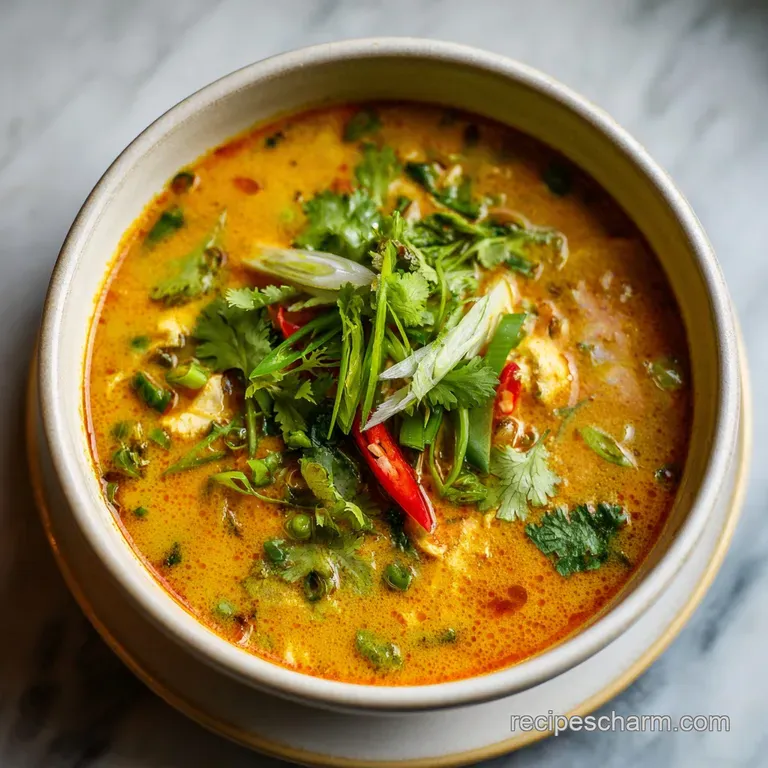
Phase 1: Blooming the Aromatics
Heat the 1 tbsp neutral oil in your pot over medium heat. Once it shimmers, add the 3 tbsp red curry paste. Sizzle the paste for 3 minutes while stirring constantly. Note: You want the paste to darken slightly and become very fragrant; this is where the depth comes from.
Phase 2: Building the Foundation
Stir in the 2 cloves minced garlic, 1 tbsp grated ginger, and the bruised lemongrass stalks. Cook for 1 minute until the scent fills the kitchen. Add the 1 lb sliced chicken breast and stir to coat every piece in the red paste.
Phase 3: Liquid Gold
Pour in the 4 cups chicken stock and the 1 tbsp coconut sugar. Bring the mixture to a gentle simmer. Cook for about 5 to 7 minutes until the chicken is opaque and firm. Avoid a rolling boil, which can toughen the meat.
Phase 4: The Creamy Finish
Lower the heat to medium low and pour in the 14 oz can of coconut milk. Add the sliced red bell pepper and 1 cup shiitake mushrooms. Simmer for 5 minutes until the peppers are tender crisp.
Phase 5: Noodle Prep
While the soup simmers, place the 4 oz rice noodles in a separate bowl of hot water. Let them soak for 8 to 10 minutes until pliable but still firm. Drain and set aside. Note: Don't cook them in the soup or they will soak up all your beautiful broth!
Phase 6: Final Balancing
Stir the 1 tbsp fish sauce and the 2 cups baby spinach into the pot. The spinach will wilt in about 30 seconds. Turn off the heat and stir in the lime juice. Taste the broth—it should be a perfect balance of salty, sweet, and tangy.
Phase 7: Plating
Divide the soaked noodles into four bowls. Ladle the hot soup over the noodles, ensuring everyone gets plenty of chicken and veggies. Garnish with fresh cilantro and sliced red chili.
Avoiding Common Kitchen Mistakes
Why Your Soup Lacks Depth
If your broth tastes "thin" or just like spiced water, you likely skipped the blooming stage. The spices in curry paste need heat and fat to wake up. Another culprit is using low-fat coconut milk; the fat is what carries the flavor across your tongue.
| Problem | Root Cause | Solution |
|---|---|---|
| Curry paste is bitter | Scorched during blooming | Keep heat at medium and stir constantly; add a splash of stock if it sticks. |
| Broth is too salty | Fish sauce / stock combo | Use low sodium stock. If too late, add another squeeze of lime or more coconut sugar. |
| Chicken is rubbery | Boiled too hard | Keep the broth at a gentle simmer (small bubbles, not a rapid boil). |
Common Mistakes Checklist
- ✓ Never boil the soup vigorously after adding coconut milk (it can curdle).
- ✓ Pat the chicken dry before slicing so it doesn't steam in its own juices.
- ✓ Don't skip the sugar; even a tiny amount is needed to balance the intense salt of the fish sauce.
- ✓ Soak noodles separately; adding them directly to the pot turns the soup into a thick porridge the next day.
- ✓ Bruise the lemongrass thoroughly if you don't break the surface, the flavor stays inside the stalk.
Customizing For Your Family
Scaling for a Crowd
If you need to double this delicious thai coconut curry soup recipe, use a large stockpot. Increase the stock and coconut milk as written, but be careful with the curry paste. I recommend starting with 1.5x the amount (about 4.5 tbsp) and tasting before adding more. Spice levels can multiply quickly!
For the noodles, soak them in two separate batches to ensure even hydration.
Scaling Down for Two
This recipe halves beautifully. Use a small saucepan and half a can of coconut milk. Since you'll have half a can left, freeze the remaining coconut milk in an ice cube tray for your next smoothie or curry. Use a small chicken breast (about 0.5 lb) and half a bell pepper.
Chef's Tip: If you want this to be a keto coconut curry soup recipe, replace the rice noodles with shirataki noodles or simply double the spinach and mushrooms for a hearty, grain free bowl.
Keeping Leftovers Fresh Longer
Fridge Storage: Store the broth and the noodles in separate airtight containers. The noodles will absorb all the liquid if stored together, leaving you with a soggy mess. The broth stays fresh for up to 3 days.
Freezing: You can freeze the broth base (chicken and veggies included) for up to 2 months. Do not freeze the noodles or the fresh spinach, as the texture becomes unpleasant once thawed. Thaw the broth overnight in the fridge and reheat on the stove over low heat.
Zero Waste Tip: Don't throw away those cilantro stems! Finely chop them and add them to the pot along with the garlic and ginger. They hold even more flavor than the leaves. Also, the lemongrass stalks can be frozen and reused to flavor a plain pot of rice later.
Best Side Dish Pairings
While this is a complete meal in a bowl, a few additions can make it feel like a feast.
- Decision Shortcut:
- If you want extra crunch, serve with a side of prawn crackers.
- If you want more bulk, add a side of jasmine rice or extra noodles.
- If you want more heat, serve with a small dish of Sriracha or chili oil.
I personally love serving this with a simple cucumber salad dressed in rice vinegar and sesame oil. The cool, crisp cucumbers are a brilliant palate cleanser between spoonfuls of the warm, spicy broth. If you have extra time, a few Rice Paper Crab recipe on the side add a lovely fried element that mimics the best Thai restaurant experiences.
The Myth of "Seal In The Juices"
One common myth is that you must sear the chicken at high heat to "seal in the juices." In a soup like this, that’s actually counterproductive. Hard searing can tighten the muscle fibers, making the chicken tough.
Gently poaching the chicken in the aromatic stock allows it to stay velvety and soak up the curry flavor from the inside out.
Another misconception is that coconut milk shouldn't be heated to a simmer. While you don't want a violent, rolling boil (which can cause the fat to separate and look grainy), a gentle simmer is perfectly fine and necessary to meld the flavors together. If it does separate, don't panic!
A quick whisk usually brings it back together, or you can just call it "rustic" it still tastes incredible.

High in Sodium
1125 mg mg of sodium per serving (49% % of daily value)
The American Heart Association recommends limiting sodium intake to no more than 2,300mg per day for most adults.
Tips to Reduce Sodium in Your Thai Red Curry Noodle Soup
-
Broth Swap-30%
Use sodium free chicken broth instead of low-sodium broth. This can significantly reduce the overall sodium content.
-
Reduce Fish Sauce-20%
Fish sauce is a major source of sodium. Start with half a tablespoon (7.5ml) and adjust to taste, or substitute with a low-sodium soy sauce alternative.
-
Homemade Curry Paste-15%
Many store-bought curry pastes are high in sodium. Consider making your own to control the sodium content. You can find many recipes online.
-
Rinse Canned Coconut Milk-5%
Rinsing canned goods can help reduce sodium. Though less effective with coconut milk compared to other canned goods, it can still contribute to a small reduction.
-
Spice It Up
Enhance the flavor with sodium free herbs and spices like galangal, kaffir lime leaves, turmeric, and extra ginger to compensate for the reduction of salty ingredients.
Recipe FAQs
Can I substitute vegetable broth for chicken stock?
Yes, absolutely. Substituting vegetable broth makes this a delicious vegetarian Thai coconut curry soup. Just ensure your curry paste does not contain shrimp paste if you are strictly vegetarian.
How to thicken the coconut curry broth if it seems too thin?
Remove about 1/2 cup of the hot broth and whisk it vigorously with 1 teaspoon of Tapioca Flour Recipe until smooth. Slowly pour this slurry back into the simmering soup, stirring constantly until it reaches your desired consistency.
Is it true that I must use full fat coconut milk, or will light work?
No, full fat is strongly recommended. Light coconut milk lacks the necessary fat content to properly carry the spicy aromatics and achieve that signature velvety mouthfeel in the broth.
How to maximize the flavor of the red curry paste?
Fry the paste in oil for 2 3 minutes over medium heat until fragrant. This process, called blooming, releases fat-soluble flavor compounds that create a deeper base, much like how searing builds flavor in proteins.
What is the best way to prevent the coconut milk from curdling when simmering?
Reduce the heat to low before adding the coconut milk. Bring it only to a gentle simmer, never a rapid boil, after the milk is incorporated to maintain a stable emulsion.
How do I prep the lemongrass effectively without specialized tools?
Smash the stalk several times with the heavy side of a chef's knife or a rolling pin. This ruptures the tough exterior layers, allowing the essential oils and flavor to leach into the broth during simmering.
Can I cook the rice noodles directly in the soup base?
No, it’s better to cook them separately. Cooking the noodles directly absorbs too much broth, turning leftovers into thick porridge; soak them in hot water and add them to the individual bowls just before serving.
Thai Coconut Curry Soup
Ingredients:
Instructions:
Nutrition Facts:
| Calories | 588 kcal |
|---|---|
| Protein | 42.1 g |
| Fat | 28.6 g |
| Carbs | 36.2 g |
| Fiber | 2.5 g |
| Sugar | 4.3 g |
| Sodium | 1125 mg |
