Vegan Buddha Bowl Recipe
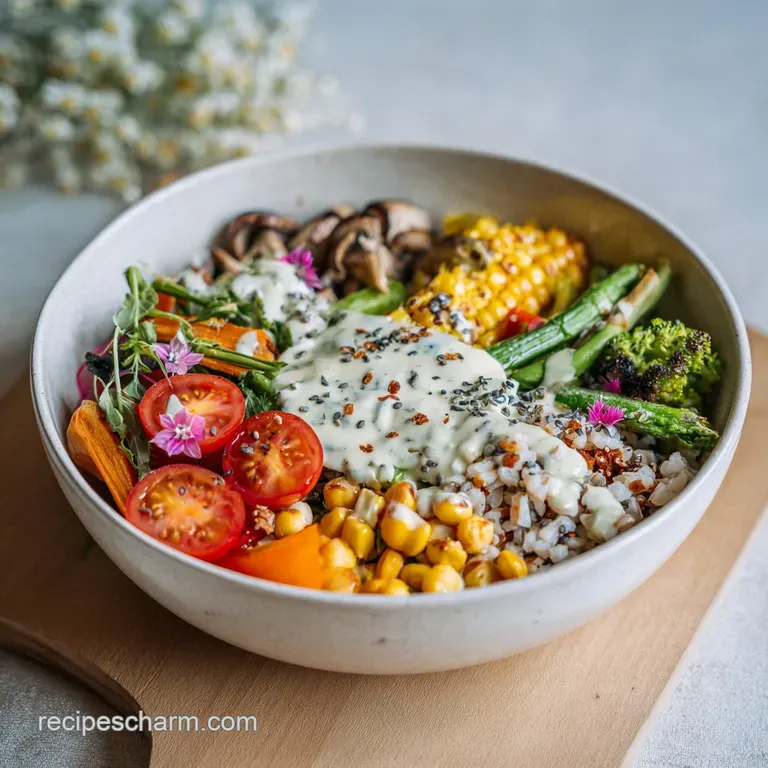
- Time: Active 10 minutes, Passive 20 minutes, Total 30 minutes
- Flavor/Texture Hook: Shatter crisp chickpeas paired with creamy tahini
- Perfect for: High performance fuel or vibrant weekday meal prep
- The Vibrant Energy of a Vegan Buddha Bowl
- Mastering the Science of Texture
- Component Analysis and Vital Roles
- Selecting Every Vibrant Component
- Essential Tools for Efficiency
- Executing the Perfect Assembly
- Resolving Common Texture Issues
- Adaptable Swaps and Flavors
- Optimal Storage and Longevity
- Enhancing the Final Experience
- High in Sodium
- Recipe FAQs
- 📝 Recipe Card
The Vibrant Energy of a Vegan Buddha Bowl
I still remember the first time a bowl of food actually made me feel powerful rather than just full. It was a Tuesday evening, I’d just finished a heavy workout, and the kitchen smelled like the deep, smoky sweetness of roasting sweet potatoes.
When I finally pulled that sheet pan out, the chickpeas were literally rattling against the metal that’s when you know the texture is spot on.
This isn't just a pile of cold vegetables. We’re talking about the contrast between the warmth of the roasted base and the cooling, lime tinted crunch of purple cabbage. It’s the kind of meal where every bite feels intentional, designed to keep you moving without the mid afternoon slump.
Trust me, once you master the "ice water trick" for the dressing, you’ll never look at store-bought sauce again.
Mastering the Science of Texture
Maillard Synergy: over High heat roasting at 400°F (200°C) triggers a chemical reaction between amino acids and reducing sugars, creating that golden, savory crust on sweet potatoes.
Cellular Softening: Massaging kale with lemon juice and salt breaks down the tough cellulose fibers, making the greens tender and easier to digest.
Tahini Emulsification: Adding ice water to tahini forces the fat and water to bond, transforming a thick paste into a light, velvety sauce.
| Method | Time | Texture | Best For |
|---|---|---|---|
| over High heat Roast | 20 minutes | Crispy edges, soft center | Deep savory flavor |
| Air Fryer | 12 minutes | Maximum shatter crunch | Quick single servings |
| Steamed Base | 10 minutes | Soft and hydrating | Gentler digestion |
Selecting the right method changes the entire vibe of your meal. While roasting adds that charred complexity we love, the air fryer is a lifesaver when you're short on time. Experimenting with these methods helps you understand how heat interacts with plant proteins to create different mouthfeel experiences.
Component Analysis and Vital Roles
| Ingredient | Science Role | Pro Secret |
|---|---|---|
| Chickpeas | Protein/Structure | Pat them bone dry for maximum crunch |
| Sweet Potato | Complex Carbs | Dice evenly to ensure uniform roasting |
| Runny Tahini | Healthy Fat/Emulsifier | Use a brand that pours easily |
| Quinoa | Amino Acid Profile | Toast dry grains before boiling for nuttiness |
Selecting high-quality fats is essential for nutrient absorption, especially for the fat soluble vitamins found in the kale and sweet potato. Using a high smoke point oil like avocado oil ensures your fats don't oxidize during the over high heat roasting phase.
Selecting Every Vibrant Component
- 1 can (15 oz) chickpeas: Drained and patted dry. Why this? Essential for plant based protein and that signature crunch.
- Substitute: Cooked edamame for a softer, greener profile.
- 1 large sweet potato: Diced into 1/2 inch cubes (approx. 300g). Why this? Provides slow burning energy and vibrant color.
- Substitute: Butternut squash or pumpkin.
- 1 tbsp avocado oil: High smoke point. Why this? Prevents burning at 400°F while adding richness.
- Substitute: Grapeseed oil.
- 1 tsp smoked paprika: Deep, earthy flavor.
- Substitute: Liquid smoke (use 1/4 tsp).
- 1/2 tsp garlic powder: Savory base.
- 1/2 tsp sea salt: Enhances all natural flavors.
- 1 cup cooked quinoa: Fluffy and light. Why this? A complete protein source to keep you fueled.
- Substitute: Brown rice or farro.
- 2 cups curly kale: De stemmed and massaged.
- Substitute: Baby spinach (no massage needed).
- 1/2 cup purple cabbage: Thinly shredded. Why this? Provides a sharp, peppery crunch and antioxidants.
- Substitute: Shredded carrots.
- 1/2 large avocado: Sliced. Why this? Adds a cooling, velvety mouthfeel.
- Substitute: Hummus.
- 1/4 cup runny tahini: The sauce base.
- Substitute: Almond butter for a nuttier twist.
- 1 tbsp fresh lemon juice: Bright acidity.
- 1 tsp maple syrup: Balances the tahini bitterness.
- 1 tsp tamari or soy sauce: Salt and umami.
- 3 tbsp ice water: For the perfect sauce consistency.
- 2 tbsp hemp hearts: Omega-3 boost.
- 1 tbsp black sesame seeds: Visual contrast and texture.
For an extra layer of depth, I sometimes sprinkle in a little Umami Mushroom Seasoning recipe over the sweet potatoes before they hit the oven. It really amplifies the savory notes of the dish.
Essential Tools for Efficiency
To get that perfect roast, you'll need a large rimmed baking sheet. I prefer heavy duty aluminum or stainless steel because they distribute heat more evenly than thin pans. Using parchment paper isn't just about cleanup; it prevents the chickpeas from sticking, which allows them to roll and crisp up on all sides.
A sharp chef's knife is non negotiable for dicing the sweet potato into uniform half inch cubes. If the pieces vary too much in size, you'll end up with some mushy ones and some burnt ones.
Finally, grab a small whisk or even a fork to emulsify the dressing the goal is a streamable, silky consistency that coats the back of a spoon.
Executing the Perfect Assembly
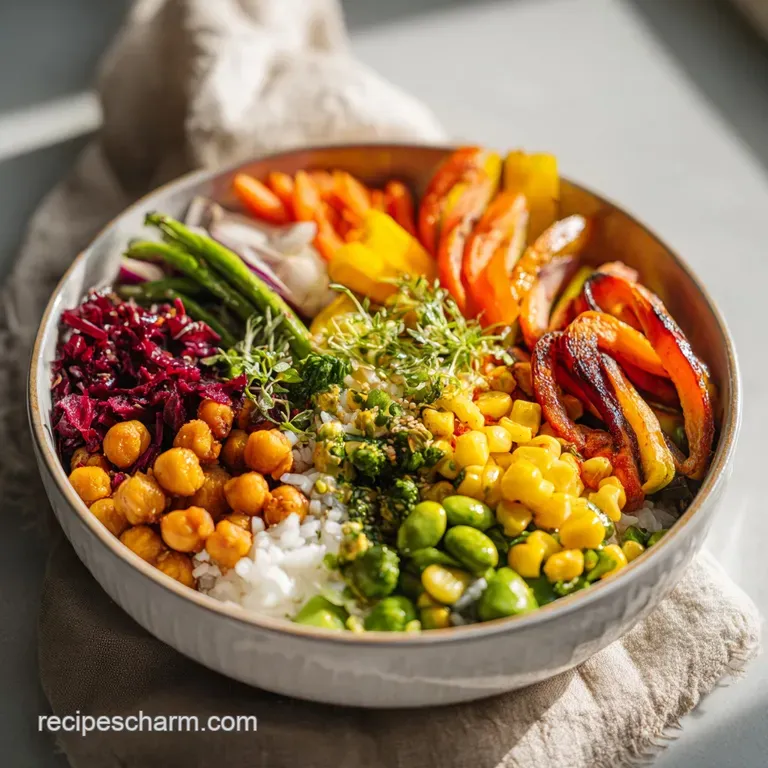
Phase 1: over High heat Roast
- Preheat your oven to 400°F (200°C) and line a baking sheet with parchment paper. Note: A preheated oven is vital for the initial sear.
- Toss the diced sweet potato and dried chickpeas with avocado oil, smoked paprika, garlic powder, and salt.
- Spread them in a single layer, ensuring they aren't crowded.
- Roast for 20 minutes until the sweet potatoes are tender and chickpeas sizzle.
Phase 2: Emulsion Assembly
- Whisk the tahini, lemon juice, maple syrup, and tamari in a small bowl until thick and pasty.
- Slowly add the ice water one tablespoon at a time, whisking vigorously.
- Continue whisking until the sauce turns pale and velvety.
Phase 3: Strategic Layering
- Place the massaged kale and cooked quinoa in the base of two large bowls.
- Top with the roasted sweet potato and chickpea mixture.
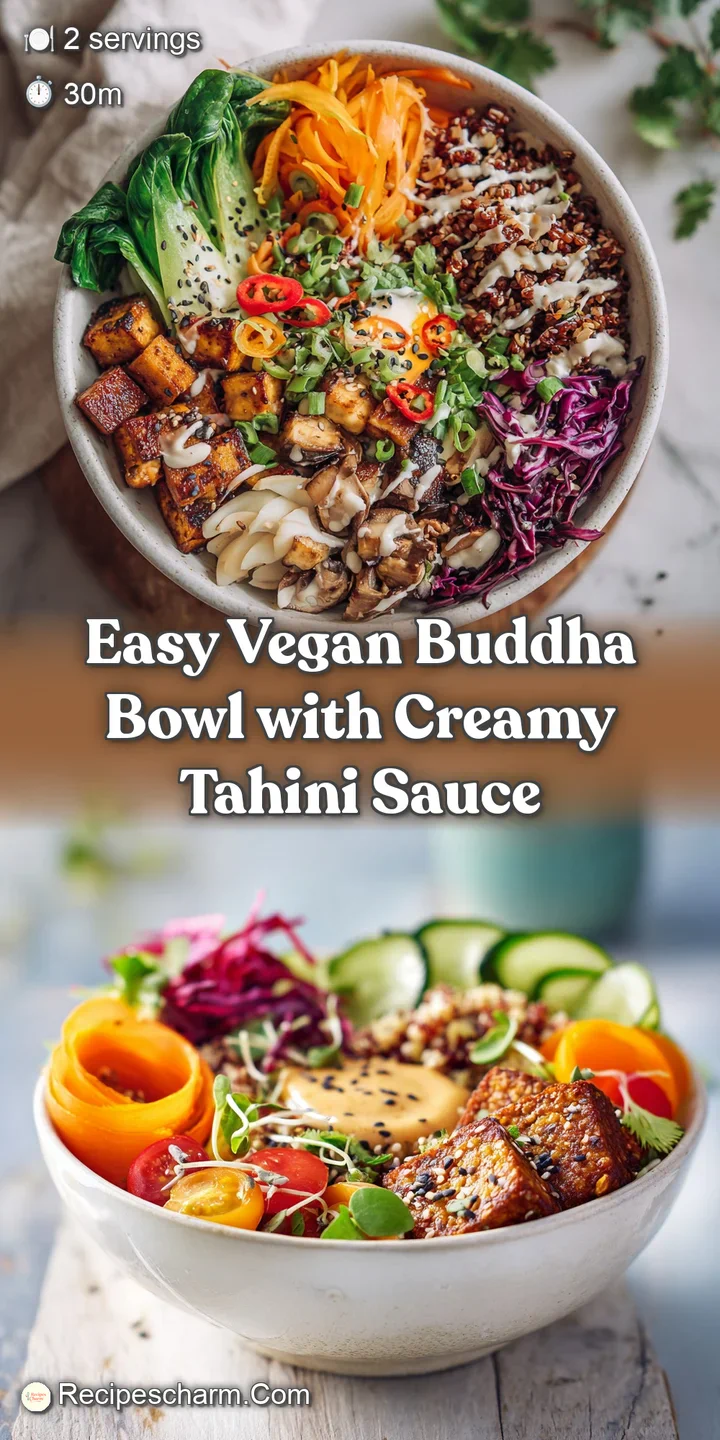
- Add the shredded cabbage and sliced avocado, then drizzle generously with the tahini sauce. Finish with hemp hearts and sesame seeds for that final crunch.
Resolving Common Texture Issues
Why Your Chickpeas Stay Soft
If your chickpeas come out mushy instead of crispy, it’s usually a moisture problem. Even a tiny bit of water left on the skin will cause them to steam rather than fry in the oven. Always use a clean kitchen towel to give them a vigorous pat down before oiling.
Fixing Bitter Dressing Notes
Tahini can vary wildly in flavor. Some brands are naturally sweeter, while others have a strong, bitter bite. If your dressing feels too sharp, don't just add more syrup. A tiny pinch of extra salt or another teaspoon of lemon juice can actually neutralize the bitterness more effectively than sugar.
| Problem | Root Cause | Solution |
|---|---|---|
| Soggy Sweet Potatoes | Overcrowded pan | Use two pans or a larger sheet |
| Broken Tahini Sauce | Adding water too fast | Whisk in water 1 tsp at a time |
| Tough Kale | Inadequate massaging | Rub with lemon and salt for 2 mins |
Chef's Tip: Freeze your tahini jar for 10 minutes before making the sauce; the temperature difference makes the emulsion happen faster and results in a fluffier texture.
Common Mistakes Checklist
- ✓ Forgeting to dry the chickpeas completely (leads to steaming).
- ✓ Crowding the roasting pan (prevents the Maillard reaction).
- ✓ Skipping the kale massage (results in a bitter, tough texture).
- ✓ Using room temperature water for the dressing (ice water is the secret).
- ✓ Dicing potatoes unevenly (causes inconsistent cooking).
Adaptable Swaps and Flavors
When you're scaling this down for a solo lunch, you can easily use half a can of chickpeas and store the rest in an airtight container with a little water. For those cooking for a crowd, doubling the recipe is simple, but remember to keep the spices at about 1.5x the original amount rather than a full 2x to avoid overpowering the natural flavors of the vegetables.
If you're looking for a lighter finish to this meal, a fresh and Tasty Spring recipe makes for a beautiful contrast to the earthy, roasted notes of the bowl. It keeps the energy high without feeling heavy.
Meal Prep Efficiency Tips
To save time during the week, I highly recommend "component prepping." Roast a massive tray of sweet potatoes and chickpeas on Sunday, and cook a big batch of quinoa. Keep the dressing in a separate jar. This way, you can assemble a fresh bowl in under five minutes.
Increasing Total Protein Content
While this bowl is already high in protein thanks to the quinoa and chickpeas, you can easily boost it further. Swapping the quinoa for lentil pasta or adding a scoop of nutritional yeast to the dressing can add an extra 8-10 grams of protein per serving.
Optimal Storage and Longevity
Storage: Keep the roasted components and the fresh vegetables in separate containers in the fridge. The roasted sweet potatoes and chickpeas will last up to 4 days, though they will lose some of their crunch.
To revive them, pop them in the air fryer or oven for 5 minutes at 350°F (180°C).
Zero Waste: Don't throw away those kale stems! Slice them thinly and sauté them with garlic, or toss them into a freezer bag for your next green smoothie. If you have leftover tahini sauce, it makes an incredible dip for raw cucumbers or a spread for wraps the next day.
Enhancing the Final Experience
When serving this Vegan Buddha Bowl, think about the "flavor map." You want a bit of everything in each forkful the warmth of the potato, the cold crunch of the cabbage, and the creamy zip of the dressing.
It’s a sensory experience that’s as much about the varied textures as it is about the nutrition.
Searing the meat does not "seal in juices." Wait, wrong myth! Let's talk about plant proteins. Many people believe you can't get full on plants, but the high fiber and healthy fat content in this bowl are specifically designed for satiety.
Another common misconception is that "fat makes you fat" in reality, the healthy fats from the tahini and avocado are what allow your body to absorb the vitamins from the greens. Stay vibrant, keep fueling well, and enjoy the crunch!
High in Sodium
845 mg mg of sodium per serving (37% % of daily value)
The American Heart Association recommends limiting sodium intake to about 2,300mg per day for overall health.
Tips to Reduce Sodium in Your Chickpea & Sweet Potato Bowl:
-
Low-Sodium Chickpeas-20%
Opt for no-salt added canned chickpeas or cook your own from dried. Rinsing canned chickpeas can also help reduce sodium content.
-
Reduce Added Salt-25%
Cut back on the amount of sea salt used in the recipe. Start by reducing it to 1/4 tsp and adjust to taste. You might not need it at all!
-
Low-Sodium Tamari-20%
Replace regular tamari (or soy sauce) with a low-sodium version. This simple swap can significantly decrease the sodium content of your bowl.
-
Enhance with Lemon-5%
Increase the amount of fresh lemon juice used in the tahini dressing to enhance the flavor and reduce the need for salt.
-
Spice It Up!
Experiment with different herbs and spices like cumin, coriander, or chili powder to add flavor without adding sodium. Get creative with your favorite combinations!
Recipe FAQs
Why do I need to press the tofu first?
No, tofu is not used in this recipe. This bowl relies on chickpeas for its primary protein and crunch, eliminating the need for tofu pressing entirely.
Can I make the peanut sauce ahead of time?
Yes, the tahini dressing can be made up to 4 days in advance. Whisk it together and store it in the refrigerator; you may need to add a splash of water when serving to restore its pourable consistency.
Why isn’t my peanut sauce smooth and creamy?
You likely added the ice water too quickly. Slowly stream in the ice water while whisking vigorously; this rapid mechanical action forces the tahini's natural oils and the water to emulsify into a stable, light sauce.
How can I make my sweet potatoes crispier during roasting?
Ensure your vegetables and pan are not crowded. If components overlap, they steam instead of roast, preventing the Maillard reaction necessary for crisp edges; use two pans if necessary to maintain a single layer.
Is it true that I can skip massaging the kale?
False. Massaging the kale with acid (lemon juice) and salt is critical because it breaks down the tough cellulose fibers, significantly improving texture and digestibility.
How to get a complete amino acid profile without meat or dairy?
Combine quinoa with legumes like chickpeas. Quinoa is already a complete protein, but pairing it with chickpeas ensures a wide spectrum of necessary amino acids, a concept similar to balancing grain and bean ratios in baking.
Can I substitute the maple syrup in the dressing?
Yes, you can use agave nectar or honey as a direct replacement. The key is balancing the bitter tahini with sweetness; if you use a less sweet option, you might need a small adjustment, like you would when modifying our [Classic Peanut Butter recipe].
Vegan Buddha Bowl Recipe
Ingredients:
Instructions:
Nutrition Facts:
| Calories | 834 kcal |
|---|---|
| Protein | 28.6 g |
| Fat | 42.1 g |
| Carbs | 94.8 g |
| Fiber | 19.2 g |
| Sugar | 11.4 g |
| Sodium | 845 mg |
