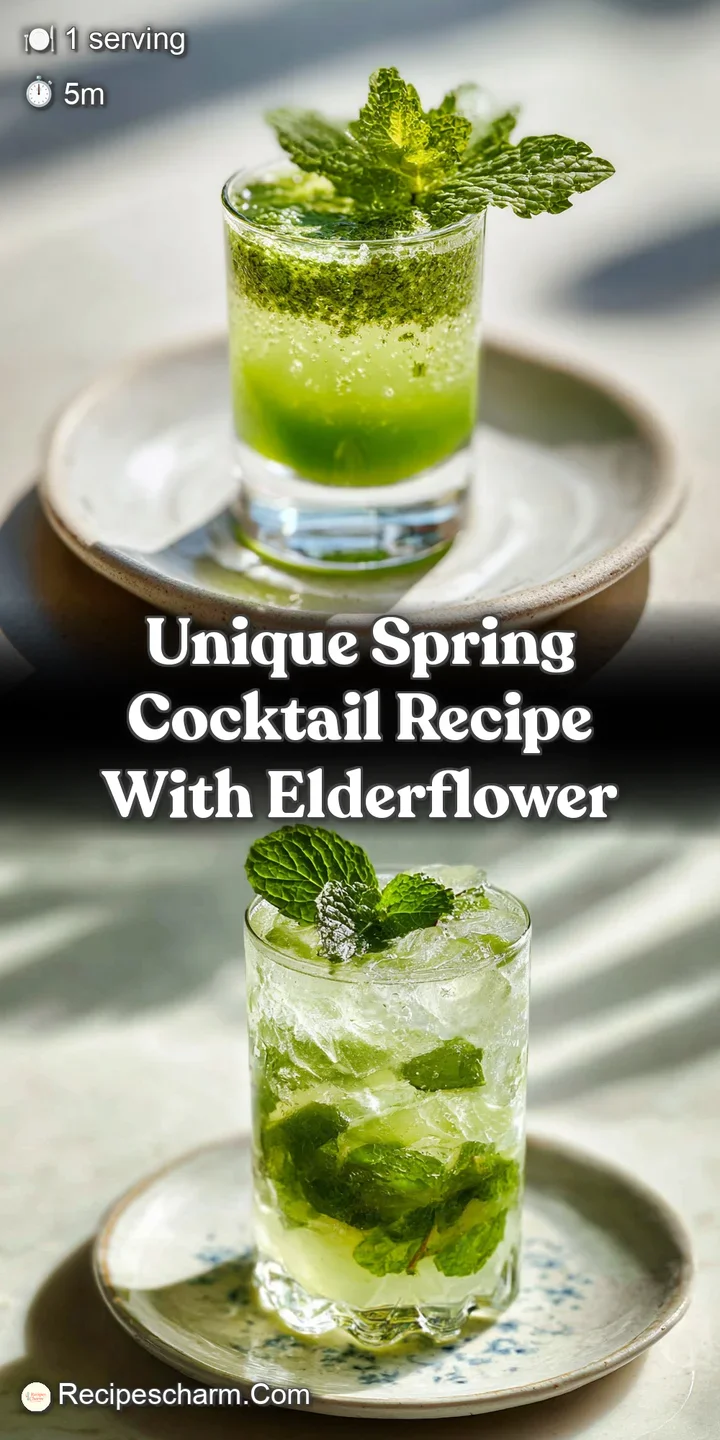
Unique Spring Cocktail Recipe with Elderflower Mint
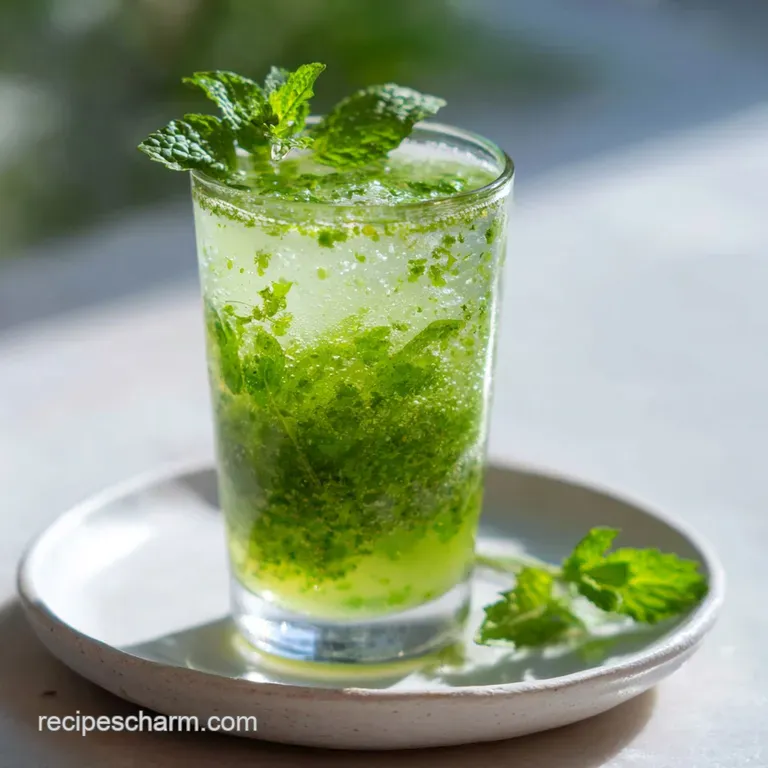
- Time: Active 5 mins, Passive 0 mins, Total 5 mins
- Flavor/Texture Hook: Effervescent, crisp, and floral
- Perfect for: Garden parties and outdoor brunch
- Master This Unique Spring Cocktail Recipe with Elderflower
- The Molecular Physics of the Fizz
- Precise Specifications for Optimal Balance
- Sourcing Components for a Floral Profile
- Necessary Kit for Precision Mixology
- Methodical Steps for Assembly and Fizz
- Correcting Common Structural Flaws
- Innovative Substitutions for Diverse Palates
- Make Ahead Strategies and Storage Logic
- Curated Pairings for Floral Notes
- Recipe FAQs
- 📝 Recipe Card
Master This Unique Spring Cocktail Recipe with Elderflower
The air finally smells like damp earth and crushed greenery, and honestly, that’s my cue to stop drinking heavy stouts and start working on my garden glass. I remember the first time I tried to make a drink like this; I muddled the mint so aggressively it looked like lawn mower clippings and tasted like bitter chlorophyll.
It was a disaster, but it taught me that botanical drinks are about gentle extraction, not brute force.
Discover this unique spring cocktail recipe with elderflower and mint. It’s a drink built on the architecture of a classic Hugo Spritz but refined with the punch of premium gin and the cooling structural integrity of English cucumber ribbons.
We aren't just throwing things in a glass; we are layering density and controlling temperature to ensure that first sip is sharp, cold, and incredibly fragrant.
We've all had those "spring" drinks that are just sugar water with a limp leaf floating on top. This isn't that. We're going to focus on the chemistry of the "slap," the surface area of your ice, and the precise ratio of spirit to sparkle.
Trust me, once you see how the oils in the mint interact with the chilled gin, you'll never go back to basic mixers again.
The Molecular Physics of the Fizz
CO2 Solubility: Keeping all liquids at 2°C ensures the carbon dioxide stays trapped in the liquid phase longer, preventing the drink from going flat.
Solvent Extraction: The high ethanol content in gin acts as a solvent, pulling essential oils out of the mint leaves without needing to tear the plant fibers.
| Method | Preparation Time | Texture Profile | Best Scenario |
|---|---|---|---|
| Traditional Stir | 5 mins | Silky, integrated | Relaxed afternoon |
| Quick Build | 2 mins | Layered, evolving | Large groups |
| Shaken Base | 4 mins | Frothy, aerated | High intensity citrus |
The choice between building in the glass and shaking comes down to how much aeration you want. Building directly over ice, as we do here, preserves the maximum amount of "shatter" in the Prosecco bubbles, creating a more sophisticated mouthfeel than the rounded, softer bubbles of a shaken drink.
Precise Specifications for Optimal Balance
| Component | Scientific Role | Pro Secret |
|---|---|---|
| Premium Gin | Primary Solvent | Use a London Dry for high juniper to cut through the floral notes. |
| Elderflower Liqueur | Surfactant/Flavor | It lowers surface tension, helping the aromatics reach your nose faster. |
| Lime Juice | pH Balancer | Freshly squeezed lime provides citric acid to reset the palate between sips. |
The interaction between the gin's botanicals and the elderflower is delicate. If you use a gin that's too heavy on the spice, you lose the elderflower's lace like quality. I’ve found that a citrus forward or high juniper gin acts as the perfect scaffolding for the more fragile floral notes.
Sourcing Components for a Floral Profile
To achieve the intended flavor profile, precision in ingredient selection is non negotiable.
- 1.5 oz premium gin: Look for something with clean botanical notes. Why this? The ethanol carries the mint oils and provides the drink's structural backbone.
- Substitute: Vodka (cleaner finish, but loses the juniper complexity).
- 1.0 oz elderflower liqueur: St. Germain is the gold standard here. Why this? It provides both the sweetness and the specific floral perfume.
- Substitute: Elderflower syrup (reduce amount by 25% and add 0.25 oz more gin).
- 0.5 oz freshly squeezed lime juice: Must be fresh, never bottled. Why this? It provides the sharp acidity needed to cut the sugar.
- Substitute: Lemon juice (sweeter, less "zingy" profile).
- 10 fresh mint leaves: Use Spearmint for a cleaner taste. Why this? Provides the menthol cooling sensation.
- Substitute: Lemon balm (adds a citrus herbal note).
- 2 thin ribbons of English cucumber: Use a Y peeler for precision. Why this? Adds a vegetal freshness and keeps the drink's temperature stable.
- Substitute: Persian cucumber (smaller, crunchier rounds).
- 3.0 oz dry Prosecco: Ensure it is labeled "Extra Dry" or "Brut". Why this? Provides the effervescence and bulk without excess sugar.
- Substitute: Cava or any dry sparkling wine.
- 1.0 oz chilled sparkling mineral water: High carbonation is key. Why this? Lengthens the drink and lightens the alcohol density.
- Substitute: Club soda.
Necessary Kit for Precision Mixology
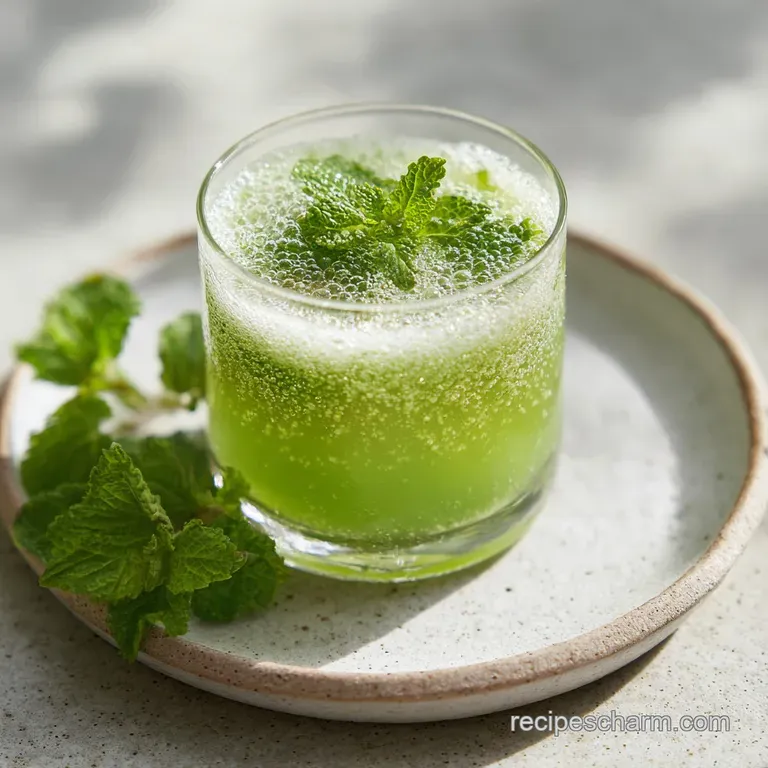
You don't need a full laboratory, but a few specific tools make this unique spring cocktail recipe with elderflower far more successful. A Japanese style jigger is essential for the 1.5 oz and 0.5 oz measurements, as guessing the ratios will almost certainly result in a drink that's either too boozy or cloyingly sweet.
I also highly recommend using a Y peeler to get those translucent cucumber ribbons. They aren't just for looks; the high surface area allows the cucumber's water content to subtly infuse the drink as it sits. If you're looking for more botanical inspiration after this, you might enjoy the floral notes in this and Tasty Spring recipe which uses similar bright, seasonal flavors.
Methodical Steps for Assembly and Fizz
- Prepare the cucumber. Use a peeler to create two long, thin ribbons and press them against the inside of a chilled wine glass. Note: This ensures the flavor is distributed every time you tilt the glass.
- Activate the mint. Place 10 mint leaves in one palm and slap them hard with the other hand. Note: This "slap" ruptures the oil glands without releasing bitter tannins.
- Combine the base. Drop the mint into the glass and pour in 1.5 oz premium gin.
- Add sweetness. Measure and add 1.0 oz elderflower liqueur.
- Balance with acid. Add 0.5 oz freshly squeezed lime juice.
- Chill the core. Fill the glass 3/4 full with large, solid ice cubes. Wait until the glass frosts.
- Introduce the sparkle. Gently pour 3.0 oz dry Prosecco down the side of the glass. Note: Pouring at an angle preserves the carbonation.
- Top and lengthen. Add 1.0 oz chilled sparkling mineral water.
- The final lift. Use a long spoon to reach the bottom and pull upwards once. Do not stir vigorously.
- Garnish. Add an extra sprig of mint near the rim so the aroma hits you before the liquid does.
Correcting Common Structural Flaws
Why the Drink Tastes Like Perfume
If the elderflower is overpowering, it’s usually a temperature or ratio issue. Warm alcohol emphasizes floral scents too much, making them feel cloying. Ensure your gin and liqueur are kept in the fridge or even the freezer.
The Problem of Sogginess
If your mint looks wilted or brown, you likely muddled it. Mint is delicate. When you crush it with a muddler, you break the veins and release polyphenols that taste like grass. The "slap" method is the only way to get the aroma while keeping the leaf intact and beautiful. For another use of botanical extracts, you might find the process in this Elderberry Jelly Recipe quite fascinating from a chemistry perspective.
| Problem | Root Cause | Solution |
|---|---|---|
| Excessive Sweetness | Liqueur/Prosecco imbalance | Add 0.25 oz lime juice or use a drier "Brut" Prosecco. |
| Flat Carbonation | Excessive stirring | Pour the sparkling water over a spoon to minimize bubble breakage. |
| Diluted Flavor | Small ice cubes melting | Use large 2 inch cubes to reduce surface area contact. |
Common Mistakes Checklist
- ✓ Never use bottled lime juice; the preservatives ruin the delicate elderflower.
- ✓ Avoid crushed ice; it melts too fast and turns the drink into a watery mess.
- ✓ Don't skip the "slap" - the aromatics are 50% of the flavor.
- ✓ Ensure the sparkling water is unopened until the moment of use.
- ✓ Use a "dry" Prosecco to prevent the drink from becoming a sugar bomb.
Innovative Substitutions for Diverse Palates
If you are scaling this for a crowd, the math is relatively simple. For a 2x batch, double everything exactly, but for a 4x batch or a pitcher, I recommend reducing the lime juice slightly (about 10%) as acid can become quite sharp in larger volumes.
Chef's Note: If you want to make a mocktail version, swap the gin for a botanical non alcoholic spirit and replace the Prosecco with a non alcoholic sparkling cider. It still works beautifully.
If you are looking for a "skinny" version, you can reduce the elderflower liqueur to 0.5 oz and increase the sparkling mineral water to 2.0 oz. You will lose some of that velvety mouthfeel, but the refreshing qualities of this unique spring cocktail recipe with elderflower will remain.
make-ahead Strategies and Storage Logic
Storage: You can mix the gin, elderflower liqueur, and lime juice in a sealed jar up to 24 hours in advance. Keep this "base" in the back of the fridge. Do NOT add the mint, cucumber, or anything with bubbles until you are ready to serve.
Once the Prosecco is poured, the clock is ticking; you have about 15 minutes before the effervescence loses its sharp "shatter."
Zero Waste: Don't toss those lime husks. You can throw them into a jar of water for a subtle citrus infusion, or zest them before juicing and mix the zest with salt for a rimming garnish on future drinks.
Leftover cucumber ends can be blended with a bit of water and frozen into ice cubes for your next batch.
Curated Pairings for Floral Notes
This drink thrives when paired with high fat, salty snacks that provide a counterpoint to the floral sweetness. Think of a creamy goat cheese rolled in crushed pistachios or a plate of prosciutto wrapped melon.
The salt in the ham makes the elderflower notes pop, while the acidity in the lime cuts through the fat of the meat.
- Salty & Creamy: Whipped feta with honey or a sharp white cheddar.
- Herb Forward Appetizers: Small bruschettas with pea purée and mint.
- Seafood: Chilled shrimp cocktail or oysters with a mignonette.
Myth: Searing the mint or "blanching" it helps. Actually, heat is the enemy of fresh herbs in cocktails. Heat changes the chemical structure of the oils, making them taste "cooked." Always keep your mint cold and raw for that bright, zingy Spring Cocktail Recipe with Elderflower and Mint flavor.
Myth: All sparkling water is the same. Mineral water has a specific salt profile that actually enhances the botanicals in the gin. Plain tap water in a SodaStream is fine, but a high mineral sparkling water like Topo Chico or Perrier provides a much more aggressive, satisfying bubble structure that stands up to the gin.
This Unique Spring Cocktail Recipe with Elderflower and Mint is about more than just mixing liquids; it's about capturing a season in a glass. By respecting the temperature and the physical structure of the ingredients, you're creating something that isn't just a drink, but a crisp, botanical experience.
Next time you see the first buds on the trees, you'll know exactly what to do. Right then, let's get that ice ready. Trust me, it's worth the extra five minutes of prep.
Recipe FAQs
What is the most important technique for achieving the best mint flavor without bitterness?
Slap the mint leaves between your palms before adding them. This ruptures the oil glands to release aromatics without breaking the leaf structure, avoiding the release of bitter tannins associated with muddling.
Can I substitute Prosecco with standard champagne for this cocktail?
Yes, but adjust the sweetener slightly. Champagne is often drier than Prosecco, so if the final cocktail tastes too tart after adding the lime, you may need an extra bar spoon of the elderflower liqueur.
How do I ensure the drink stays fizzy and doesn't go flat quickly?
Keep all liquid components as cold as possible before assembly. Colder liquids have higher CO2 solubility, meaning the bubbles are trapped longer, leading to a crisper finish, similar to how we control solvent extraction when learning techniques like those used in the Umami Mushroom Seasoning recipe.
Is it okay to use bottled lime juice if fresh limes are unavailable?
No, absolutely avoid bottled lime juice. Bottled citrus contains preservatives that dull the bright acidity and clash negatively with delicate floral liqueurs like elderflower.
How far in advance can I prepare the non-carbonated components of this recipe?
Mix the gin, liqueur, and lime juice up to 24 hours ahead. Store this base mixture sealed and chilled; however, do not add the mint, cucumber, or sparkling elements until immediately before serving to maintain freshness and effervescence.
How do I get the cucumber ribbons to look translucent and sophisticated?
Use a high-quality Y-peeler to shave long, thin ribbons. Press these ribbons against the chilled inside of the glass before adding ice; this maximizes surface area contact without adding significant bulk.
What garnish works best to enhance the aroma upon first sip?
Use a fresh sprig of spearmint placed near the rim of the glass. The aroma of the mint oils should greet your nose just before the liquid touches your lips, optimizing the perceived floral complexity.
Elderflower Mint Cocktail Recipe
Ingredients:
Instructions:
Nutrition Facts:
| Calories | 266 kcal |
|---|---|
| Protein | 0.3 g |
| Fat | 0.1 g |
| Carbs | 14.8 g |
| Fiber | 0.4 g |
| Sugar | 12.6 g |
| Sodium | 8 mg |
