Crispy Pan Fried Shrimp Dumplings

- Total25 Mins
- Calories227 kcal
- CuisineAsian
- Time: 15 min active + 10 min cooking
- Texture: Shattering crisp outside with a bouncy center
- Serve with: Soy-ginger dipping sauce or spicy chili oil
Shrimp Dumplings
Ever wonder why the wrappers at dim sum restaurants look like frosted glass? Most home cooks think you need a specialized steamer and a degree in dough-folding to get that look. It feels like a gatekept skill.
But you can actually cheat the system using rice paper. It gives you that translucent finish and a satisfying crunch without the tedious pleating.
These shrimp dumplings are designed for a busy weeknight. You get a high-end result using basic pantry staples and a single skillet.
The Basics
Pulse Technique: Short bursts in the processor keep the shrimp chunky. This prevents the filling from turning into a paste.
The Steam-Fry: Adding a bit of water under a lid cooks the centers through. This keeps the shrimp tender while the bottoms brown.
Wrapper Timing: A quick dip in warm water makes the rice paper pliable. Over-soaking makes them tear, so keep it brief.
| Wrapper Type | Prep Time | Texture | Best For |
|---|---|---|---|
| Rice Paper | 5 mins | Crisp & Chewy | Quick weeknights |
| Flour Dough | 60 mins | Soft & Doughy | Traditional dim sum |
Gathering Your Essentials
| Ingredient | What It Does | Best Swap |
|---|---|---|
| Shrimp | Main protein and bounce | Firm white fish (approximate) |
| Cornstarch | Binds juices to meat | Potato starch (1:1) |
| Rice Paper | Translucent, crisp shell | Wonton wrappers (changes texture) |
- 1 lb raw shrimp, peeled and deveined Why this? Provides the essential bouncy texture
- 2 stalks green onions, finely minced
- 1 tbsp (15 g) fresh ginger, grated
- 2 cloves garlic, minced
- 1 tsp toasted sesame oil
- 1 tbsp (15 ml) reduced-sodium soy sauce
- 1 tsp (5 g) granulated sugar
- 1/2 tsp (3 g) salt
- 1/4 tsp (1 g) white pepper
- 1 tbsp (8 g) cornstarch Why this? Holds the moisture inside the dumpling
- 20 sheets (150 g) circular rice paper wrappers
- 2 tbsp neutral oil
- 1/2 cup warm water (for soaking)
- 1/3 cup water (for steaming)
Tools You'll Need
A food processor is the fastest way to get the right texture, but a sharp knife works if you have the patience to mince. You will also need a large non-stick skillet. A tight-fitting lid is mandatory for the steaming phase, otherwise the water evaporates too fast and the shrimp stays raw.
From Prep to Plate
For the Shrimp Filling
Step 1: Place the shrimp in a food processor. Use short, 1-second pulses (4 to 6 pulses) until coarsely chopped. Note: Avoid over-processing to keep the texture chunky.
Step 2: Transfer the chopped shrimp to a bowl. Stir in the minced green onions, grated ginger, garlic, sesame oil, reduced-sodium soy sauce, sugar, salt, and white pepper.
Step 3: Fold in the cornstarch until the filling becomes slightly tacky.

For the Assembly & Frying
Step 4: Dip one sheet of rice paper into the warm water for 5 to 10 seconds until pliable but still slightly firm.
Step 5: Place the wrapper on a clean surface. Scoop approximately 1½ tbsp (25 g) of the shrimp mixture into the center.
Step 6: Pull the sides of the rice paper over the filling, twisting and pressing to create a tight, rustic pouch.
Step 7: Heat 2 tbsp neutral oil in a large non-stick skillet over medium-high heat until the oil shimmers.
Step 8: Place the dumplings in the pan, leaving space between them. Sear undisturbed for 3 to 4 minutes until the bottoms are a dark golden color.
Step 9: Carefully pour 1/3 cup water into the pan and immediately cover with a tight-fitting lid.
Step 10: Steam for 4 to 5 minutes until the water has completely evaporated and the sizzling sound returns. Ensure shrimp reaches an internal temperature of 145°F (63°C) per USDA guidelines.
Step 11: Remove the lid and cook for one final minute until the bottoms are shattering-crisp.

Common Problems and Fixes
Fixing Sticky Dumplings
If the dumplings fuse together, it usually means the rice paper was too wet or the pan wasn't hot enough. Ensure the wrappers are just pliable, not soggy.
Preventing Wrapper Tears
Tears happen when you over-soak the paper or use too much filling. Stick to the 10-second limit for the dip.
Handling Watery Filling
A runny filling often comes from shrimp that wasn't patted dry before processing. The cornstarch helps, but starting with dry shrimp is key.
| Problem | Root Cause | Solution |
|---|---|---|
| Dumplings stick | Too much moisture/Low heat | Use non-stick pan and limit soak time |
| Wrappers burst | Overfilling or over-soaking | Use exactly 1½ tbsp filling |
| Mushy interior | Over-pulsing in processor | Limit to 6 pulses maximum |
Easy Swaps and Add-Ins
Zesty Ginger-Lime
Stir a teaspoon of lime zest into the shrimp mixture. This adds a bright lift that balances the intensity of the sesame oil.
Spicy Szechuan
Substitute the white pepper for a pinch of Szechuan peppercorns. This introduces a numbing heat that complements the sweet shrimp.
Lighter Sodium Swap
Use coconut aminos as a replacement for soy sauce. It delivers a similar savory flavor with less salt, though it is slightly sweeter.
Freezing and Reheating Guide
These dumplings store well in the fridge for 3 to 4 days if kept in a container with parchment paper between layers to prevent sticking. According to USDA, cooked leftovers should be refrigerated within 2 hours.
You can freeze the wrapped, uncooked dumplings. Place them on a parchment-lined tray and flash-freeze for 2 hours before moving them to a freezer bag. They keep for up to 2 months.
To reheat, avoid the microwave because it makes the rice paper rubbery. Pan-fry them in a lightly oiled skillet over medium heat for 3 minutes per side. For leftovers, ensure they reach an internal temperature of 165°F (74°C) as recommended by USDA.
Pairing Ideas

Since these are rich and crisp, they need something acidic to balance the plate. A simple side of smashed cucumber salad with rice vinegar and garlic works well.
If you want a dip, mix soy sauce, a splash of rice vinegar, and a drop of honey. A handful of steamed bok choy or snap peas provides a fresh, crunchy contrast to the savory shrimp.
The Trick Behind the Texture
The Pulse Method: Pulsing the shrimp creates tiny protein pieces. This results in a springy, juicy texture rather than a homogenized paste.
Starch Binding: Cornstarch serves as a binder. It absorbs the liquid the filling releases, which helps the mixture hold together while it cooks.
Dual Cooking: Searing develops the outer crust, while the steaming stage finishes the center without overcooking. This technique ensures a crispy exterior and a moist interior.
Common Questions
How to steam shrimp dumplings?
Sear the dumplings first, then add 1/3 cup water and cover with a lid for 4 to 5 minutes.
Tip: cook until the water evaporates and the sizzling sound returns.
Can the shrimp be processed in a food processor?
Pulse the shrimp 4 to 6 times using short, 1-second bursts for a coarse chop.
Tip: avoid over-processing to keep the filling from becoming a paste.
Do you have a way to prevent wrappers from tearing?
Dip rice paper in warm water for only 5 to 10 seconds so it remains slightly firm.
Tip: over-soaking makes the sheets too fragile to hold the filling.
What stops dumplings from sticking?
Use a large non-stick skillet and leave space between each pouch.
Tip: ensure the neutral oil shimmers before adding the dumplings.
Which method seals the edges best?
Pull the rice paper sides over the mixture, then twist and press into a tight pouch.
Tip: a tight seal prevents the filling from leaking during the steam-fry.
Where should leftovers be stored?
Keep these in the refrigerator.
Tip: reheat until the shrimp reaches an internal temperature of 165°F (74°C).
Is it possible to use a different wrapper?
Yes, wonton wrappers can be used, although they change the final texture.
Tip: rice paper provides a more translucent, shattering-crisp finish.
Shrimp Dumplings
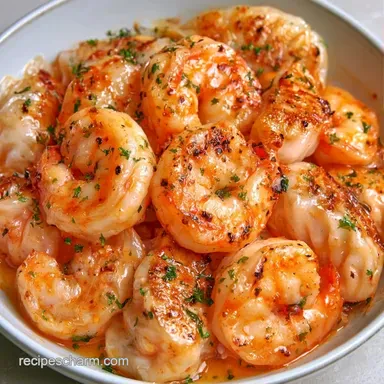
Ingredients:
Instructions:
Try These Next

Garlic Shrimp Sauce
This Garlic Shrimp Sauce creates a glossy glaze for pan seared garlic shrimp.

High Protein Turkey Pasta
Busy parents looking for a hearty High Protein Turkey Pasta will love this.

Chicken Rice Bowl Meal Prep
Includes a clear step by step prep guide for timing. This High Protein Chicken Rice Bowl is…
