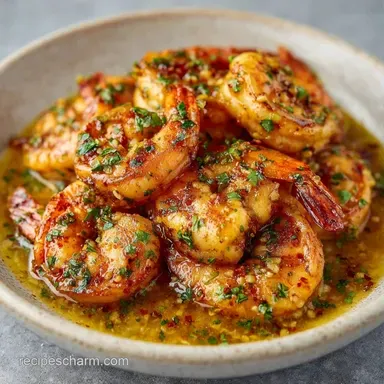
Garlic Shrimp Sauce: Failure-Proof Pan Sauce
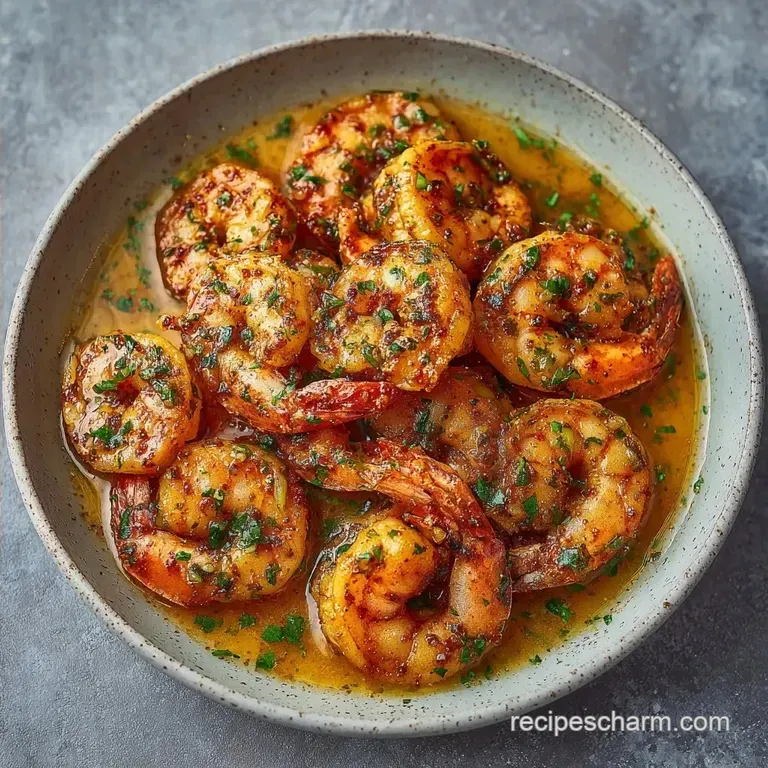
- Time: 5 min active + 10 min cook
- Flavor/Texture Hook: Velvety, glossy glaze with a citrusy zing
- Perfect for: Busy weeknight dinners or a quick date night
Common Sauce Mistakes
Most people treat a pan sauce like a stew, just simmering everything together. But with a Garlic Shrimp Sauce, that's a recipe for disappointment. If you cook the shrimp in the sauce from the start, they release too much water, which thins out the butter and prevents that gorgeous sear. You end up with "boiled" shrimp in a watery broth instead of a rich glaze.
Another huge mistake is the garlic timing. Garlic burns in seconds at high heat. If you throw it in with the oil before the shrimp, it'll be bitter by the time the shrimp are done. The trick is the "remove and return" method.
We sear the shrimp, set them aside, and then build the aromatic base in the leftover browned bits.
What Actually Makes It Glossy
- The Cold Butter Trick: Whisking cold butter into a hot reduction creates a stable emulsion that clings to the shrimp.
- Deglazing: Lemon juice lifts the browned shrimp bits from the pan, incorporating that concentrated flavor into the liquid.
- Pan Volume: Using a wide skillet prevents overcrowding, which ensures the shrimp sear instead of steam.
- Heat Control: Dropping the heat before adding butter prevents the sauce from breaking or separating.
| Method | Time | Texture | Best For |
|---|---|---|---|
| Stovetop | 15 mins | Velvety/Glossy | Fast dinners |
| Oven Bake | 20 mins | Softer/Juicier | Large crowds |
Recipe Specs
Before we crack on with the cooking, let's look at the blueprint. This is a one pan wonder designed for minimal cleanup, which is a must for any family dinner. You're looking at a very tight window of active cooking, so have your ingredients measured and ready to go.
The flavor profile here is balanced between the richness of the butter and the sharp acidity of the lemon. The paprika doesn't add much heat, but it gives the shrimp a beautiful golden hue that makes the dish look professional. Trust me on this, don't skip the paprika if you want that visual pop.
Ingredients You'll Need
For the best results, use large shrimp. They hold up better to the high heat of the sear and don't shrink as much as smaller varieties. Make sure they are completely deveined so you're not dealing with any gritty textures.
- 1 lb (450g) large shrimp, peeled and deveined Why this? Balanced size for quick searing without overcooking
- 1 tbsp (15ml) olive oil Why this? Higher smoke point than butter for the initial sear
- ½ tsp (3g) salt Why this? Basic flavor enhancer
- ¼ tsp (1g) black pepper Why this? Adds a subtle woody heat
- ½ tsp (2g) paprika Why this? Adds color and earthy depth
- 4 tbsp (57g) unsalted butter Why this? Creates the velvety emulsion
- 4 cloves (20g) garlic, minced Why this? The primary aromatic punch
- 2 tbsp (30ml) fresh lemon juice Why this? Cuts through the fat of the butter
- 1 tbsp (15g) fresh parsley, finely chopped Why this? Fresh, grassy finish
- ¼ tsp (1g) red pepper flakes Why this? Tiny bit of back end warmth
| Original Ingredient | Substitute | Why It Works |
|---|---|---|
| Unsalted Butter | Ghee | Higher smoke point. Note: Less "creamy" taste than butter |
| Lemon Juice | White Wine | Adds acidity and complexity. Note: Slightly more sophisticated flavor |
| Fresh Parsley | Fresh Cilantro | Adds a bright, herbal note. Note: Changes profile to more Latin style |
| Olive Oil | Avocado Oil | Very high smoke point. Note: Neutral flavor, great for high heat |
Essential Kitchen Tools
You really only need a couple of things here, but the choice of pan matters. I prefer a 12 inch stainless steel skillet or a cast iron pan. These materials hold heat much better than non stick, which is how you get those browned bits (the fond) that make the Garlic Shrimp Sauce so flavor packed.
If you use a non stick pan, you can still make this, but you might find the sauce is a bit less intense because the shrimp won't "stick" and brown as effectively. Also, have a whisk or a fork handy for the final butter emulsion.
Component Analysis
Understanding how these ingredients interact helps you troubleshoot on the fly. For instance, if your sauce feels too oily, you know you've missed the emulsion stage.
| Ingredient | Science Role | Pro Secret |
|---|---|---|
| Cold Butter | Emulsifier | Keep it in the fridge until the very last second |
| Lemon Juice | Acid/Deglazer | Use a fresh lemon; bottled juice is too metallic |
| Garlic | Aromatic | Mince finely but don't paste it, or it burns faster |
Step by step Flow
Right then, let's get into the cooking. Remember, the shrimp cook incredibly fast. Once they turn opaque, they're done. Any longer and you're eating rubber.
- Pat the shrimp completely dry with paper towels. Note: Wet shrimp will steam instead of sear, ruining the crust.
- Toss shrimp with salt, pepper, and paprika in a bowl.
- Heat olive oil in a 12 inch skillet over medium high heat until shimmering.
- Add shrimp in a single layer. Sear for 1-2 minutes per side until golden brown and just opaque.
- Remove shrimp to a plate immediately. Note: This stops the carryover cooking.
- Reduce heat to medium and add 2 tbsp of butter.
- Once butter is foaming, stir in minced garlic and red pepper flakes. Sauté for 30-60 seconds until fragrant and pale gold.
- Pour in lemon juice, scraping the bottom of the pan.
- Whisk in the remaining 2 tbsp of cold butter constantly until the sauce thickens into a velvety glaze.
- Return shrimp and their juices to the pan. Toss for 30 seconds and garnish with fresh parsley.
Fixing Common Issues
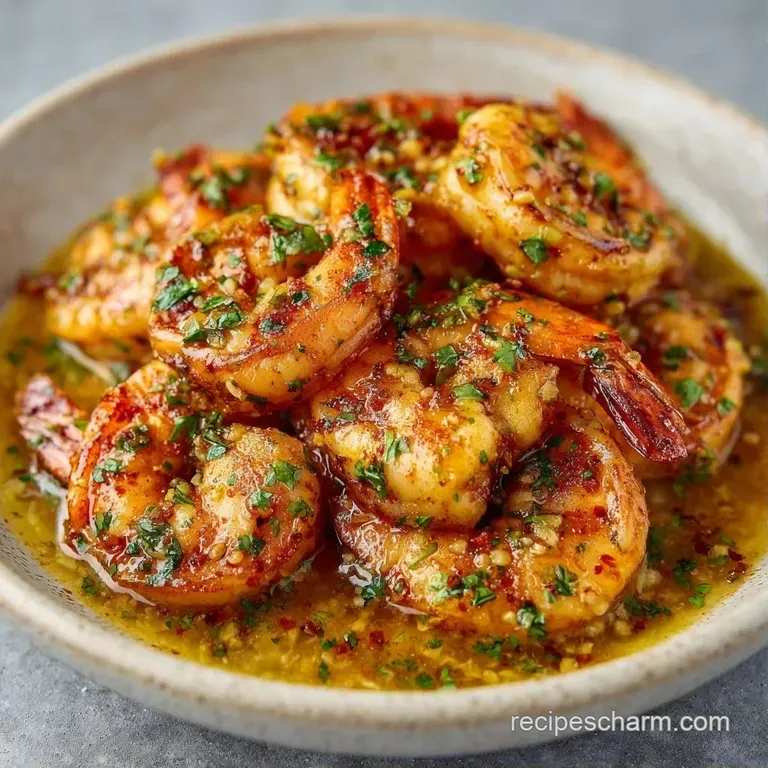
Even with a simple Shrimp Pan Sauce, things can go sideways. Usually, it comes down to temperature management. If the pan is too hot when the butter goes in, the sauce will break, and you'll see oil separating from the solids.
Troubleshooting Common Issues
| Issue | Solution |
|---|---|
| Why Your Shrimp Turn Rubbery | This is almost always due to overcooking. Shrimp only need to reach an internal temperature of about 120°F to be safe and tender. If they curl into a tight "O" shape, they're overdone. |
| Why Your Garlic Turns Bitter | Garlic has a low burn point. If it turns dark brown, it's too late; it will taste acrid. Always ensure your heat is lowered to medium before the garlic hits the butter. |
| Why Your Sauce Separates | This happens when the emulsion breaks. This usually occurs if the sauce boils too violently after the butter is added. Keep the heat gentle during the whisking phase. |
Common Mistakes Checklist
- ✓ Dried shrimp thoroughly with paper towels
- ✓ Used a wide enough pan to avoid crowding
- ✓ Lowered heat before adding the butter and garlic
- ✓ Added the final butter while it was still cold
- ✓ Removed shrimp from the pan before they curled tightly
Variations and Swaps
If you want to turn this into a more substantial meal, you can easily adapt the base. For example, this works brilliantly as a Garlic Butter Shrimp Pasta. Just toss the finished shrimp and sauce with al dente linguine and a splash of the pasta cooking water to help the sauce cling to the noodles.
If you're looking for a dairy-free version, you can swap the butter for a high-quality vegan butter or even a bit of coconut cream, though the flavor will shift. For those who love bold textures, try adding some capers for a salty pop. If you enjoy other hearty dishes, you might also like my Peppers Recipe for 6 for a different kind of family dinner.
For a completely different vibe, if you're craving something plant based, a Vegan Buddha Bowl is a great way to balance out a week of rich seafood dishes.
Decision Shortcut
- If you want it creamier, add 2 tbsp of heavy cream during the lemon step.
- If you want more heat, double the red pepper flakes.
- If you want a deeper flavor, add a teaspoon of Worcestershire sauce.
Pro Scaling Tips
When making this for a crowd, don't just quadruple the ingredients in one pan. If you crowd the pan, the shrimp will release too much moisture, and you'll lose that sear.
Scaling Down (1-2 servings)
- Use a smaller 8 inch skillet.
- Reduce the butter slightly (use 2-3 tbsp total).
- Cook time remains the same, but watch the garlic closely as it burns faster in smaller batches.
Scaling Up (8+ servings)
- Work in batches. Sear the shrimp in two or three groups, then set them all aside on a large platter.
- Scale salt and red pepper flakes to only 1.5x. Spices don't always scale linearly and can become overwhelming.
- Build the Garlic Shrimp Pan Sauce in the full pan after all shrimp are seared, then toss everything back in at the end.
Truth About Shrimp Myths
There's a lot of bad advice out there. One big one is that you need to "seal in the juices" by searing shrimp. In reality, searing is about flavor and texture, not moisture. Whether you sear or steam, you lose roughly the same amount of water. The sear is for that gold brown crust.
Another myth is that you must use fresh garlic for this to work. While fresh is better, a high-quality jarred minced garlic can work in a pinch for a weeknight meal. However, the flavor will be more muted and less "sharp" than fresh cloves.
Storage and Waste
Since shrimp can get rubbery when reheated, this dish is best eaten fresh. But if you have leftovers, store them in an airtight container in the fridge for up to 2 days.
Reheating Don't microwave the shrimp on high. Instead, gently warm the sauce in a pan over low heat, then toss the shrimp in just until they are lukewarm. This prevents them from turning into erasers.
Zero Waste Tips Don't throw away the shrimp shells if you bought them whole! Toss them into a pot with some water, a piece of onion, and a celery stalk. Simmer for 20 minutes to make a quick shrimp stock that's incredible for risottos or seafood soups.
Serving Your Dish
The beauty of this Garlic Shrimp Sauce is its versatility. While it's great on its own, pairing it with the right side makes it a full meal. I love serving this over a bed of fluffy jasmine rice or with a big piece of toasted sourdough bread to soak up every last drop of that buttery glaze.
If you want something lighter, serve the shrimp over sautéed spinach or roasted asparagus. The lemon in the sauce cuts through the earthiness of the greens perfectly. It's a hearty, flavor packed meal that feels special but takes almost no effort to put together.
Trust me, once you try the cold butter method, you'll never go back to the old way.
Recipe FAQs
How to make garlic butter sauce for shrimp?
Sauté minced garlic and red pepper flakes in foaming butter over medium heat for 30-60 seconds. Deglaze the pan with lemon juice and whisk in cold butter until the sauce thickens into a glossy, velvety glaze.
Is it true that shrimp scampi is made with boiled shrimp?
No, this is a common misconception. Boiled shrimp lack the golden brown crust and depth of flavor achieved by searing them in shimmering olive oil over medium high heat.
How to prevent the shrimp from becoming rubbery?
Remove shrimp from the pan as soon as they are opaque and golden brown, usually after 1-2 minutes per side. Overcooking causes them to curl into a tight "O" shape and lose their tenderness.
How to make shrimp scampi from scratch?
Pat shrimp dry and toss with salt, pepper, and paprika. Sear them in olive oil for 1-2 minutes per side, then return them to the pan to coat in a lemon garlic butter glaze.
Why does the garlic in the sauce turn bitter?
Lower the heat to medium before adding the butter and garlic. Garlic has a low burn point, and if it turns dark brown, the flavor becomes acrid.
How to store and reheat leftover shrimp?
Store in an airtight container in the fridge for up to 2 days. Reheat gently and quickly, as shrimp easily become rubbery when subjected to heat a second time.
What is the best way to serve this shrimp sauce?
Toss it with al dente linguine and a splash of pasta water to help the sauce cling to the noodles. If you enjoyed the butter emulsion technique here, apply the same principle to our butter poached lobster for a professional finish.
Garlic Shrimp Pan Sauce