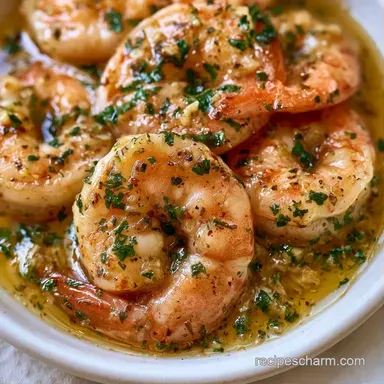
Garlic Lemon Shrimp: Pan-Seared and Zesty
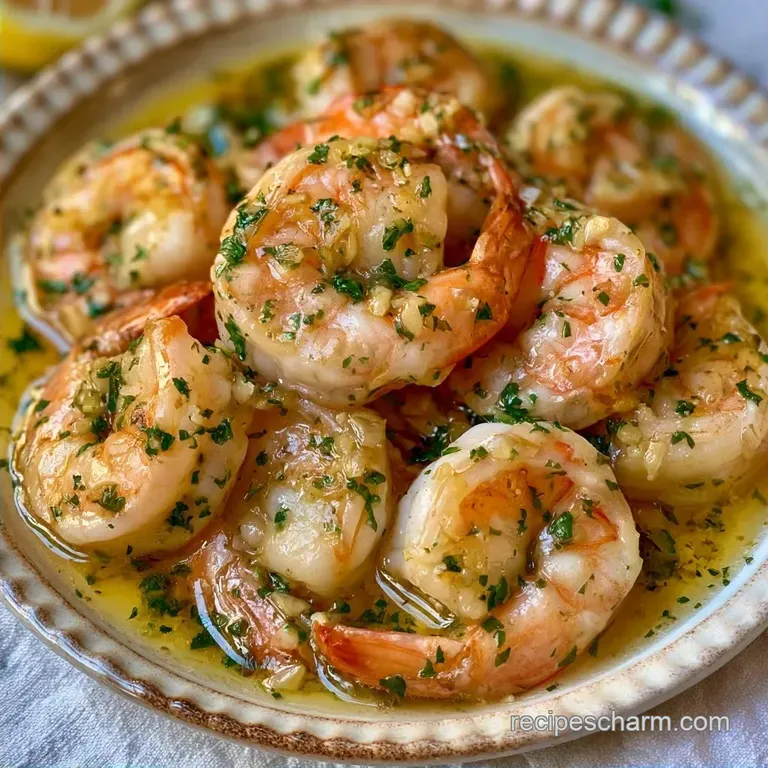
- Time: 5 min prep + 10 min cook = Total 15 minutes
- Flavor/Texture Hook: Zesty, buttery, and snappy
- Perfect for: Weeknight dinner or a fast date night
Garlic Lemon Shrimp Made Easy
Sizzle. That's the only sound you should hear when that first batch of shrimp hits the pan. For a long time, I thought the secret to great seafood was a long, overnight marinade. I'd soak my shrimp in lemon and garlic for hours, thinking I was doing the "right" thing. But here is the truth: you don't need a long soak.
In fact, too much acid for too long actually "cooks" the shrimp (like ceviche), and by the time they hit the pan, they're already halfway to being rubber bands.
I remember one specific dinner party where I spent four hours marinating the shrimp, only to have them turn out tough and grey. I was devastated. Then I tried the "sear and glaze" method, and everything changed. The flavor is actually more intense when you use fresh aromatics in the pan right at the end.
This Garlic Lemon Shrimp is all about speed and heat. We're going for a golden brown crust and a sauce that clings to the seafood rather than pooling at the bottom of the plate. It's a one pan wonder that feels like a restaurant dish but takes less time than ordering takeout.
The Secret to Better Texture
I used to wonder why restaurant shrimp always had that slight "snap" while mine felt mushy. It comes down to how we handle the heat and the moisture. When you crowd a pan or add liquid too early, you're steaming the shrimp instead of searing them.
- Moisture Control
- Patting the shrimp bone dry prevents steam from forming, allowing the surface to brown instantly.
- The Butter Foam
- Adding butter to oil raises the smoke point and creates a foaming action that browns the protein evenly.
- Residual Heat
- Taking the shrimp out before they're 100% done prevents them from overcooking while you make the sauce.
- Acid Timing
- Adding lemon juice at the very end keeps the flavor bright and prevents the sauce from breaking.
| Method | Prep Time | Texture | Best For |
|---|---|---|---|
| Fast Sear | 5 minutes | Snappy & Golden | Weeknight Meals |
| Classic Poach | 15 minutes | Soft & Tender | Seafood Stews |
| Slow Roast | 30 minutes | Dense & Firm | Sheet Pan Dinners |
But what about the sauce? The goal is a velvety emulsion, not a greasy puddle. By simmering the garlic in butter first and then whisking in the lemon juice, we create a stable sauce that coats every single piece of shrimp.
Deep Dive into Ingredients
I'm a big believer in using a few high-quality items rather than a list of twenty random spices. For this recipe, the butter and lemon do the heavy lifting. If you can, use salted butter for the sauce, but since we season the shrimp first, unsalted gives us more control over the final taste.
| Ingredient | Science Role | Pro Secret |
|---|---|---|
| Large Shrimp | Main Protein | Buy "easy peel" to keep more flavor |
| Unsalted Butter | Emulsifier | Use European style for more richness |
| Fresh Lemon | Acidity | Zest first, then juice for max aroma |
| Garlic | Aromatic | Mince by hand for a punchier taste |
The Basic Kitchen Tools
You don't need a fancy kitchen to pull this off. Honestly, don't even bother with a non stick pan if you have stainless steel or cast iron. Those materials create a better "fond" (the brown bits at the bottom), which is where the real flavor lives.
I usually use a 12 inch skillet. If your pan is too small, you'll have to cook the shrimp in two batches. If you pile them on top of each other, they'll release water and boil instead of searing. A simple fish spatula or tongs is all you need to flip them.
For the lemon zest, a microplane is great, but a fine grater works just as well. Trust me, the zest is where the "perfume" of the lemon lives, so don't skip it.
Step by step Cooking Guide
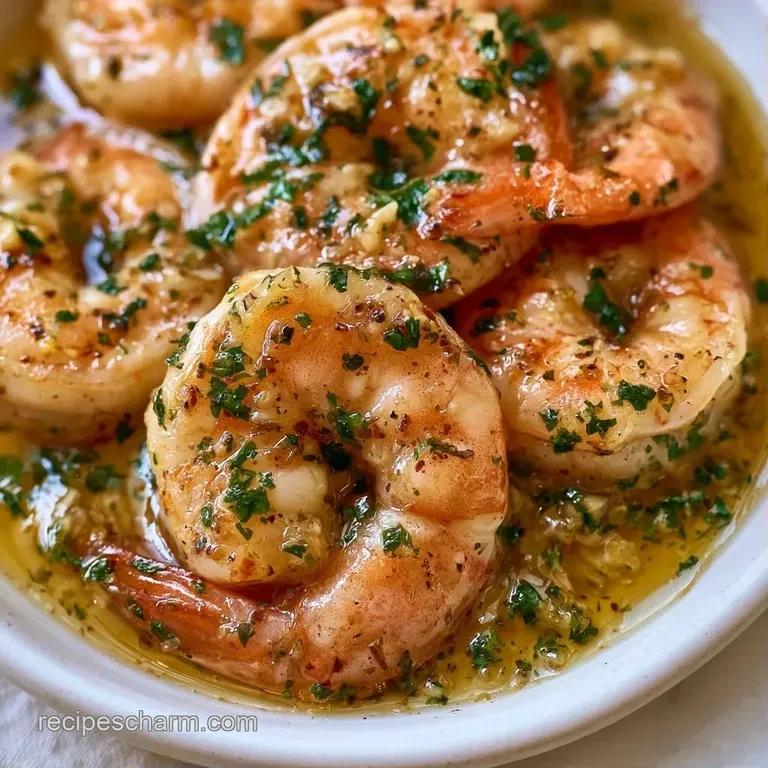
Right then, let's crack on. The key here is the timing. You've only got a few minutes before the shrimp go from "perfect" to "rubbery," so have everything prepped and ready by your side before you turn on the stove.
- Pat the shrimp completely dry with paper towels. Note: This is the most important step for a golden crust.
- Toss the shrimp in a bowl with 1/2 tsp salt and 1/4 tsp black pepper until evenly coated.
- Heat 1 tbsp olive oil and 1 tbsp of butter over medium high heat until the butter foams and sizzles.
- Add shrimp in a single layer and cook for 2 minutes per side until they are opaque pink with a golden crust.
- Remove the shrimp from the pan and set them aside on a plate.
- Lower the heat to medium. Add the remaining 3 tbsp butter, 4 cloves minced garlic, and 1/4 tsp red pepper flakes.
- Sauté for 1 minute until the garlic is fragrant but not brown.
- Stir in 2 tbsp fresh lemon juice and 1 tbsp lemon zest.
- Return the shrimp to the pan, tossing for 30 seconds until they are glazed in the sauce.
- Garnish with 2 tbsp chopped fresh parsley.
Common Mistakes and Fixes
The biggest issue I see is "The Rubber Effect." This happens when people leave the shrimp in the pan while they're fiddling with the garlic. Remember, the shrimp continue to cook even after you take them out of the pan.
Troubleshooting Common Issues
| Issue | Solution |
|---|---|
| Why Your Shrimp Are Rubber | This is usually caused by overcooking or using too many shrimp in a small pan. If the pan temperature drops, the shrimp leak moisture and simmer in their own juices. |
| Why Your Garlic Burned | Garlic has a very low burn point. If you add it to the pan while the oil is screaming hot, it will turn bitter and black in seconds. Always lower the heat before adding your aromatics. |
| Why the Sauce is Watery | This happens if the shrimp weren't dried properly. The excess water mixes with the butter and prevents it from thickening into a glaze. |
Common Mistakes Checklist
- ✓ Did you pat the shrimp dry?
- ✓ Is the butter foaming before adding shrimp?
- ✓ Did you remove shrimp before making the sauce?
- ✓ Is the garlic fragrant but still pale?
- ✓ Did you add the lemon juice at the very end?
Easy Recipe Variations
Depending on what you have in the fridge, you can tweak this easily. If you want a Creamy Lemon Garlic Shrimp Sauce, just stir in 2 tablespoons of heavy cream or a dollop of mascarpone right before you return the shrimp to the pan. It turns the glaze into a velvety sauce that's incredible over pasta.
For those avoiding dairy, swap the butter for a high-quality vegan butter or just use extra olive oil. It won't be as rich, but the lemon and garlic still shine. If you're looking for a more filling, veggie heavy meal, you could serve this alongside some Classic Stuffed Peppers for a healthy, protein packed dinner.
Using Frozen Shrimp
If you're using frozen shrimp, thaw them completely in a bowl of cold water. Never put frozen shrimp directly into the pan, or they'll release too much water and ruin the sear. Once thawed, pat them dry even more aggressively than fresh ones.
Boosting the Heat
The red pepper flakes provide a gentle warmth, but if you love a kick, add a teaspoon of Calabrian chili paste when you sauté the garlic. It adds a deep, smoky heat that pairs beautifully with the citrus.
| Original Ingredient | Substitute | Why It Works |
|---|---|---|
| Unsalted Butter (4 tbsp) | Vegan Butter (4 tbsp) | Similar fat content. Note: May have a slightly different melt point |
| Fresh Parsley (2 tbsp) | Fresh Cilantro (2 tbsp) | Similar herbal freshness. Note: Shifts flavor toward a Mexican profile |
| Lemon Juice (2 tbsp) | Lime Juice (2 tbsp) | Similar acidity. Note: Adds a more tropical, zesty note |
Storage and Waste Tips
Since shrimp are delicate, they don't love being reheated. I recommend eating these fresh, but if you have leftovers, store them in an airtight container in the fridge for up to 3 days.
To reheat, don't use the microwave. It will turn the shrimp into rubber. Instead, put them in a skillet over low heat with a tiny splash of water or a small knob of butter. Heat them just until they're warmed through about 2 minutes.
As for zero waste, don't throw away the shrimp shells if you bought them head on or shell on! Toss them in the freezer in a bag. Once you have enough, simmer them with some onion and celery to make a quick seafood stock. It's a game changer for risottos or chowders.
According to guidelines on food safety, just make sure you don't keep the shells in the freezer for more than 3 months.
Best Side Dish Pairings
This Garlic Lemon Shrimp is incredibly versatile. If you want something light, serve it over a bed of sautéed spinach or roasted asparagus. For something heartier, I love tossing the finished shrimp and sauce with linguine or angel hair pasta.
If you're hosting a dinner, this dish feels a bit fancy, so pair it with a crisp white wine or a refreshing cocktail. I've found that a chilled Aperol Spritz is the perfect companion the orange bitterness cuts through the rich butter sauce perfectly.
For a low carb option, cauliflower rice or zucchini noodles are the way to go. The sauce is so flavor packed that you don't even miss the carbs. Just remember to keep the noodles al dente so they don't get mushy when you toss them with the zesty shrimp.
Trust me on this the contrast between the snappy shrimp and a fresh side is what makes this meal.
Recipe FAQs
How to make lemon garlic butter sauce for prawns?
Sauté minced garlic and red pepper flakes in butter over medium heat for one minute. Stir in the lemon juice and lemon zest to complete the glaze.
What is the best sauce to eat with shrimp?
A lemon garlic butter sauce. The bright acidity of the lemon balances the richness of the butter and enhances the natural sweetness of the seafood.
How to cook shrimp with garlic sauce?
Sear seasoned shrimp in olive oil and butter for 2 minutes per side. Remove the shrimp, sauté garlic and red pepper flakes, stir in lemon, then return the shrimp to the pan to glaze.
What goes with lemon garlic shrimp?
Pasta, steamed vegetables, or a fresh salad. This dish pairs wonderfully with a light mediterranean chickpea salad for a balanced meal.
How to make shrimp scampi?
Pat shrimp dry and season with salt and pepper. Pan-sear them in butter and oil, then toss them in a quick reduction of garlic, lemon juice, and butter.
Is it true that shrimp scampi is made with boiled shrimp?
No, this is a common misconception. Boiled shrimp lack the golden crust and depth of flavor achieved through pan-searing over medium high heat.
How to avoid rubbery shrimp?
Remove the shrimp from the pan the moment they turn opaque pink. Let them rest while you finish the sauce to ensure they don't overcook from carry over heat.
Garlic Lemon Shrimp