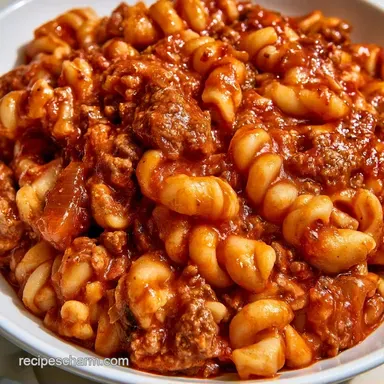
High Protein Ground Beef Pasta in 30 Minutes
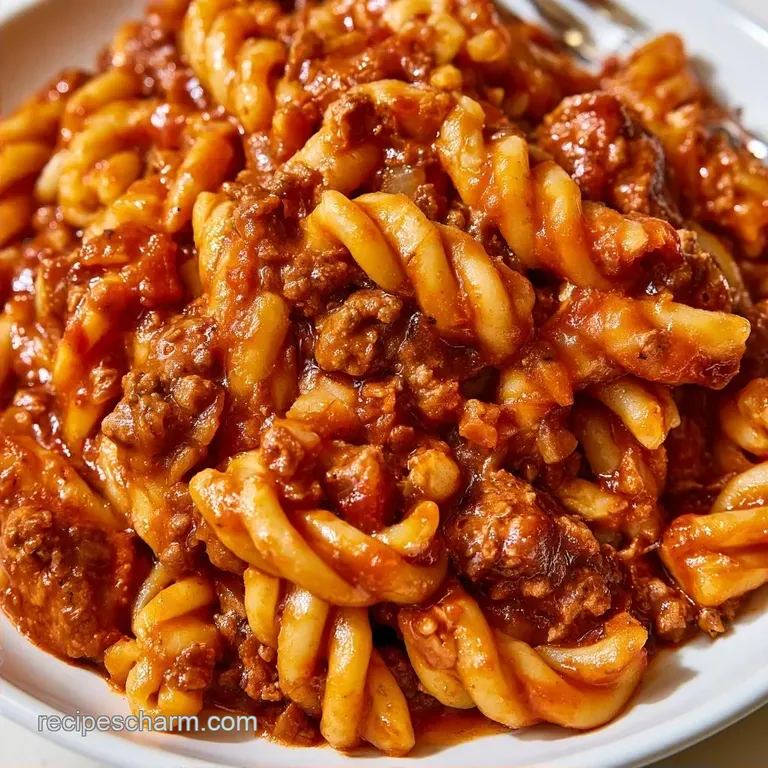
- Time: 5 min active + 25 min cooking
- Flavor/Texture Hook: Hearty, beefy, and velvety
- Perfect for: Weeknight family dinner
- High Protein Ground Beef Pasta
- Key Techniques Explained
- Ingredient Deep Dive
- Equipment Needed
- The Cooking Process
- Key Techniques Explained
- What Can Go Wrong
- Adjusting the Portion Size
- Common Kitchen Myths
- How to Store and Keep Fresh
- Creative Twists and Swaps
- Pairing Ideas
- High in Sodium
- Recipe FAQs
- 📝 Recipe Card
High Protein Ground Beef Pasta
Nothing beats the scent of beef searing in a hot skillet to start my Tuesday. It begins with a sharp sizzle, followed by that rich, savory aroma filling the room. I used to boil my pasta in a separate pot, but that always resulted in a thin sauce that didn't adhere to the noodles.
It felt as though the meat and pasta were merely occupying the same space instead of blending.
I eventually switched to a one-pan approach. Now, the starch from the shells stays put, thickening the liquid into a glossy glaze that clings to every morsel of beef. This High Protein Ground Beef Pasta came from those late night culinary trials.
The result is a meal that tastes like a treat but still nails your protein targets. It’s a filling, flavor heavy dish that ensures you won't be searching for snacks shortly after eating. I've used a few strategic swaps to elevate the nutrition while keeping the comfort factor high.
Key Techniques Explained
Starch Enrichment: Simmering the pasta directly in the beef broth allows the starch to release into the sauce. This acts as a natural thickener, eliminating the need for a flour roux or cornstarch.
Protein Texture: Pureeing the cottage cheese removes the curds, transforming it into a velvety, high protein cream. It blends seamlessly into the beef and pasta without altering the savory profile.
Searing the Paste: Frying the tomato paste for two minutes before adding liquids removes any raw, metallic notes. This process deepens the color to a rich red and concentrates the savory flavor.
| Method | Time | Texture | Best For |
|---|---|---|---|
| Stovetop | 30 mins | Glossy & cohesive | Quick weeknights |
| Oven Bake | 50 mins | Crispy edges | Meal prep / Crowds |
Short on time? My Easy Ground Beef OnePot is a perfect alternative for those nights when you need dinner on the table immediately.
Ingredient Deep Dive
The beef is the foundation here. I use 90% lean ground beef because it provides the structure without leaving a layer of grease on top of the pasta. If you use 80/20, just be more aggressive with the draining process.
The shells are a strategic choice. They act like little scoops that hold the minced beef and the creamy sauce inside. I prefer protein enriched versions or chickpea pasta, which adds a few extra grams of protein per serving.
For the "cream" part, blended cottage cheese is the real hero. It's a high protein alternative to heavy cream or mascarpone. When blended, it becomes a smooth base that carries the Parmesan cheese and beef broth perfectly.
The baby spinach is added at the very end. It provides a hit of iron and color without needing a separate side dish. It wilts in about 30 seconds from the residual heat alone.
Equipment Needed
You'll need a 12 inch deep skillet or a Dutch oven. A wide base is important because it gives the beef more surface area to brown. If the pan is too small, the meat will steam in its own juices rather than searing.
A blender or food processor is mandatory for the cottage cheese. If you stir in cottage cheese whole, you'll have lumps of cheese throughout the pasta. Blending it creates that smooth, professional looking sauce.
A sturdy spatula or wooden spoon helps break up the beef and scrape the browned bits (the fond) off the bottom of the pan. Those bits are where the most flavor lives.
The Cooking Process
1. Searing the Beef
Heat your 12 inch skillet over medium high heat. Add the 1 lb ground beef, breaking it apart with your spatula. Cook for 5–7 minutes until the meat is mahogany colored and no longer pink. Drain any excess fat.
2. Building the Flavor Base
Lower the heat to medium. Stir in the diced onions and garlic. Sauté for 3 minutes until the onions are translucent and fragrant.
3. Toasting the Aromatics
Add the tomato paste, Worcestershire sauce, smoked paprika, Italian seasoning, salt, and pepper. Stir constantly for 2 minutes. Note: This "toasts" the paste for a deeper flavor.
4. Adding the Pasta
Pour in the 2 cups of beef broth, 1/2 cup water, and 8 oz of dry pasta shells. Stir to ensure every shell is submerged in the liquid.
5. The One Pot Simmer
Bring the mixture to a gentle boil, then immediately reduce heat to low. Cover with a lid. Simmer for 10–12 minutes until the pasta is al dente and the liquid has reduced by half.
6. The Creamy Integration
Turn off the heat entirely. Stir in the 1/2 cup of blended cottage cheese (or Greek yogurt) and the 1/4 cup of Parmesan cheese. Stir until the sauce is and integrated.
7. The Final Wilt
Fold in the 2 cups of fresh baby spinach. Stir for about 30 seconds until the leaves have just wilted into the pasta.
8. Final Rest
Let the High Protein Ground Beef Pasta sit for 2 minutes before serving. This allows the sauce to set and cling to the shells more effectively.
Key Techniques Explained
Just a quick note on the liquid: using too much water can make the pasta mushy, while too little will leave the shells hard in the center. The ideal balance is 2.5 cups of liquid for every 8 oz of pasta.
USDA FoodData Central highlights that lean beef is a dense source of B12 and zinc, which makes this a great recovery meal after exercise. By keeping the beef in the pan, we ensure these nutrients stay in the meal instead of being drained away.
Chef's Tip: To avoid sticking, try chilling your butter in the freezer for 10 minutes before greasing the pan, or use a high-quality stainless steel pan for the best sear.
What Can Go Wrong
Fixing Thick Sauce
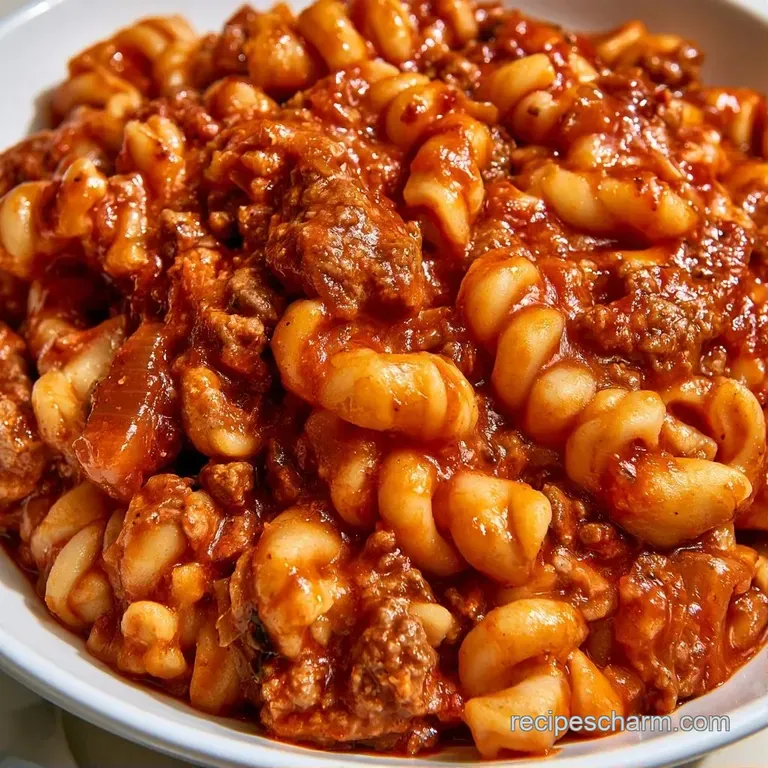
Sometimes the pasta absorbs the liquid faster than expected, especially with chickpea pasta. If the sauce looks like a paste instead of a cream, just stir in an extra splash of beef broth.
Stopping Grainy Texture
Graininess usually happens if the cottage cheese is added to a boiling pan. High heat can cause the proteins in the cheese to clump. Always turn the heat off before stirring in your blended protein base.
Improving Beef Color
If your beef is grey, your pan wasn't hot enough. You need to hear a loud sizzle the moment the meat hits the metal. Don't crowd the pan too much or the temperature will drop.
| Problem | Fix |
|---|---|
| Sauce is too thick | Add 1/4 cup beef broth |
| Texture is grainy | Turn off heat before adding cheese |
| Beef is grey/steamed | Increase heat to medium high for sear |
| Goal | What to change |
|---|---|
| More protein | Use 1 cup blended cottage cheese |
| Lower carb | Swap shells for zucchini noodles |
| Extra spice | Add 1/2 tsp red pepper flakes |
Adjusting the Portion Size
For half sized portions, an 8 inch skillet is ideal. Cut the simmering time by roughly 20%, as liquid evaporates more quickly in smaller quantities. To prepare the cheese, blend a small amount of cottage cheese separately or use a small food processor.
If doubling the batch for a crowd, avoid simply doubling every spice. Increase the salt and smoked paprika to 1.5x first, then adjust to taste. Liquids should be decreased by about 10% when doubling, as a larger pot traps more steam and loses less moisture.
For a 4x batch, divide the work between two separate pans. Crowding a single pot with 4 lbs of beef will cause the meat to boil in its own juices rather than brown, meaning you'll miss out on that mahogany crust.
Common Kitchen Myths
Searing meat doesn't actually "seal in juices." While many believe the browned crust traps moisture inside, evaporation occurs no matter how you sear it. That crust is really about taste, providing a savory depth that raw or steamed meat simply doesn't have.
Similarly, it is a myth that pasta must be rinsed to keep it from sticking. In this High Protein Ground Beef Pasta, rinsing would be a mistake. We rely on that surface starch to help the beef broth and blended cheese emulsify into a cohesive sauce.
How to Store and Keep Fresh
Store leftovers in a sealed glass jar in the refrigerator for a maximum of 4 days. Because the pasta continues to soak up liquid, the sauce will thicken considerably.
To reheat, stir in a tablespoon of beef broth or water before microwaving. This restores the texture and loosens the sauce. Heat in 1-minute increments, stirring in between to ensure the center is thoroughly hot.
You can freeze this meal for up to 2 months. Since the cottage cheese can sometimes split during freezing, stir vigorously after reheating to re-emulsify the fats.
To avoid waste, save your garlic ends and onion skins in a freezer bag for your next batch of homemade beef broth. Any extra spinach can be blended into a morning smoothie.
Creative Twists and Swaps
High Protein Ground Beef Pasta Bake
Transfer the finished pasta to a baking dish, top with an extra layer of mozzarella, and broil for 3-5 minutes. This creates a bubbly, brown crust that's great for families.
Taco Style Beef Pasta
Swap the Italian seasoning for cumin and chili powder. Use a dollop of Greek yogurt instead of cottage cheese and top with fresh cilantro and lime. If you like this vibe, you'll love my Ground Beef Bowl Meal Prep for your weekly lunches.
Low Carb Minced Beef Pasta
Use hearts of palm pasta or spiralized zucchini. Since these don't release starch, you'll need to simmer the sauce for 5 minutes longer to reduce the broth before adding the vegetables.
Dairy-free Creamy Version
Replace the cottage cheese and Parmesan with blended silken tofu and nutritional yeast. It mimics the creaminess and saltiness without any dairy.
Pairing Ideas
Because this meal is quite hearty, it benefits from a refreshing side. A zesty arugula salad tossed in lemon dressing balances the deep beefy notes and lifts the entire plate.
For a more substantial pairing, serve it alongside sourdough toast rubbed with garlic. The crisp texture of the bread complements the softness of the shells perfectly.
If you prefer something lighter, try steamed broccoli or roasted asparagus. These greens are great for mopping up any extra sauce left in the bowl.
High in Sodium
810 mg 810 mg of sodium per serving (35% 35% of daily value)
The American Heart Association recommends a daily sodium limit of 2,300 mg, and an ideal limit of 1,500 mg for most adults to reduce cardiovascular risk.
Tips to Reduce Sodium
-
Swap the Broth-30%
Replace the low-sodium beef broth with unsalted beef stock or water to drastically lower the base sodium content.
-
Omit Added Salt-25%
Completely remove the 1/2 tsp of salt; the cheese and condiments already provide significant sodium for seasoning.
-
Alternative Tang-20%
Substitute the Worcestershire sauce with a splash of balsamic vinegar or fresh lemon juice to maintain the acidic punch.
-
Adjust the Cheese-15%
Reduce the Parmesan cheese by half or swap it for nutritional yeast to get a similar savory flavor with far less sodium.
-
Enhance Herbs
Double the dried Italian seasoning or add fresh parsley to boost the flavor profile without adding any extra sodium.
Recipe FAQs
Does high protein pasta actually exist?
Yes, these are typically made from legumes or protein concentrates. Look for chickpea, lentil, or protein enriched wheat varieties to increase the amino acid profile of your meal.
Which pasta options offer the most protein?
Chickpea and lentil pastas generally lead the pack. They often contain double the protein of traditional semolina pasta, making them ideal for this one-pan dish.
What makes pasta "high protein"?
Manufacturers often use pea protein, soy, or legume flours. In this specific recipe, we also blend in cottage cheese or Greek yogurt to further boost the protein content of the sauce.
Could I add something to ground beef to increase protein?
Yes, mix in blended cottage cheese or Greek yogurt. These dairy options create a velvety sauce while adding significant protein without the calories of heavy cream.
How to achieve a creamy texture without cream?
Blend cottage cheese until smooth. Fold the blended mixture into the pasta at the very end to achieve a thick, velvety consistency.
Is it true that boiling pasta separately improves the sauce?
No, and here's why. Cooking the pasta directly in the beef broth keeps the starch in the pan, which naturally thickens the sauce so it clings to the beef.
Can I swap the beef for another meat?
Yes, ground turkey or chicken works well. If you enjoyed the lean protein approach used in our beef zucchini noodles, you can apply that same logic here by swapping the pasta for zoodles.
Why is toasting the tomato paste necessary?
Sautéing the paste removes the raw, metallic taste. This process caramelizes the sugars, creating a deeper, more complex savory flavor in the final sauce.
High Protein Ground Beef Pasta