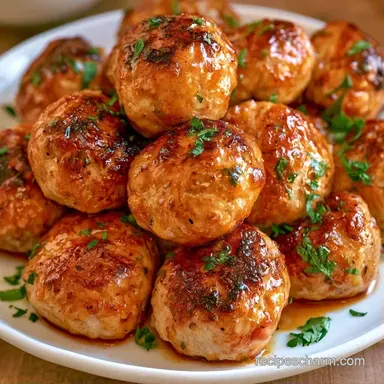
Juicy High Protein Turkey Meatballs
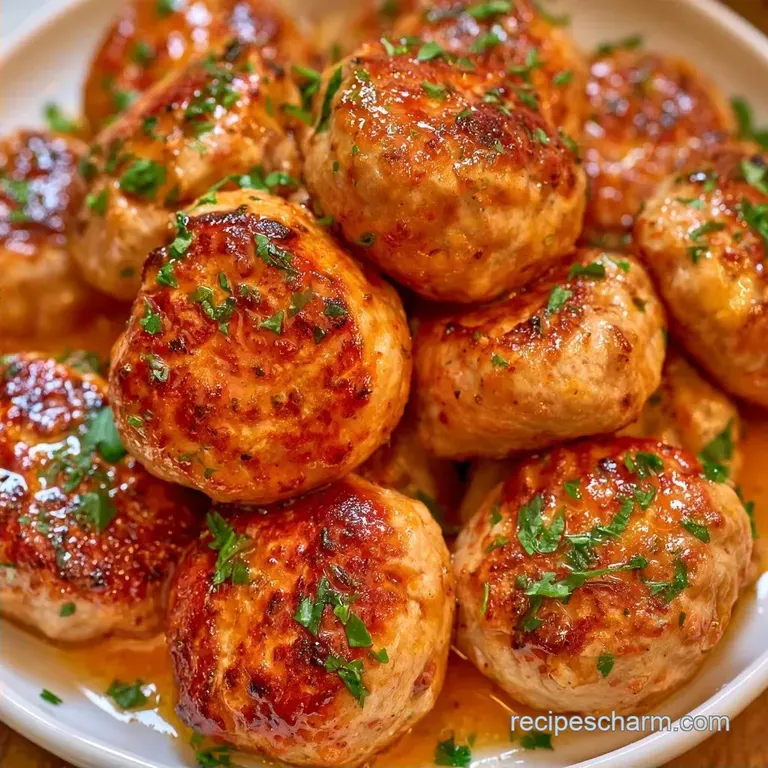
- Time: 15 minutes prep + 20 minutes baking
- The Appeal: A rich mahogany crust paired with a tender interior
- Perfect for: Healthy family meals or weekday meal prep
Juicy High Protein Turkey Meatballs
The smell of garlic and oregano hitting a hot oven always reminds me of Sunday dinners. But for years, I struggled with lean poultry. Every time I tried making Turkey Meatballs, they came out like dry, gray pencil erasers that required a gallon of sauce just to swallow.
The problem is that lean turkey lacks the intramuscular fat that keeps beef tender. I spent a long time trying to fix this by adding too much oil or breadcrumbs, which just made them mushy. Then I tried using a blended moisture base, and it changed everything.
These Turkey Meatballs are different because they rely on a specific blend of cottage cheese and zucchini. This combination keeps the meat hydrated while adding a massive protein boost. You get a hearty, flavor packed result that actually feels satisfying.
Why These Meatballs Stay Juicy
Blended Cottage Cheese: This creates a creamy emulsion that mimics animal fat. It keeps the Turkey Meatballs tender by preventing the protein fibers from tightening too much.
Squeezed Zucchini: The vegetable adds moisture and volume without making the mix runny. If you prefer a beefier flavor, my Ground Beef Meatballs use a different binder to achieve a similar tenderness.
Almond Flour Binder: Instead of heavy breadcrumbs, almond flour absorbs the moisture base and locks it into the meat. This ensures the Turkey Meatballs hold their shape while remaining light.
| Method | Time | Texture | Best For |
|---|---|---|---|
| Oven Baked | 20 min | Uniform & Tender | Meal Prep |
| pan-fried | 12 min | Crispy Exterior | Small Batches |
| air-fried | 15 min | Very Charred | Low Oil |
The Core Ingredients
Getting the right balance of moisture and structure is what makes this work. I've found that using 93% lean turkey is the sweet spot; anything leaner gets too dry, and anything fattier can feel greasy.
| Ingredient | Role | If You Don't Have It |
|---|---|---|
| Cottage Cheese | Moisture & Protein | Greek Yogurt (thicker) |
| Zucchini | Hydration | Finely grated carrots |
| Almond Flour | Structure/Binder | Oat flour or crushed pork rinds |
| Ground Turkey | Main Protein | Ground chicken |
Component Details and Swaps
For the meat, use 1 lb (450g) ground turkey (93% lean). If you can only find 99% lean, add one tablespoon of olive oil to the mix.
For the binder, you'll need 1/2 cup (120g) low-fat cottage cheese and 1/4 cup (30g) almond flour. Why this? Almond flour keeps it low carb and adds a nutty depth.
The vegetables include 1/2 cup (60g) zucchini, finely grated and squeezed dry, and 2 cloves (6g) minced garlic. Why this? Zucchini disappears into the meat but adds essential water content.
You'll also need 1 large (50g) egg, 1/4 cup (25g) grated Parmesan cheese, 2 tbsp (8g) fresh parsley, 1 tsp (2g) dried oregano, 1 tsp (6g) salt, and 1/2 tsp (1g) black pepper.
| Original Ingredient | Substitute | Why It Works |
|---|---|---|
| Almond Flour | Oat Flour | Similar absorption. Note: Adds a grainier texture |
| Parmesan Cheese | Pecorino | Higher salt content. Note: Much punchier flavor |
| Fresh Parsley | Dried Parsley | Same herbal note. Note: Use 1 tsp instead of 2 tbsp |
Tools For The Job
I've streamlined this process to keep cleanup to a minimum. You only need a few basic tools to achieve great results.
A food processor is the only specialized piece of equipment needed. It's essential for blending the cottage cheese until completely smooth, ensuring there are no white chunks in your Turkey Meatballs. Alternatively, a high-powered immersion blender in a deep jar will work.
You'll also need a large mixing bowl, a baking sheet, and parchment paper. The parchment is essential; without it, the lean meat often sticks to the pan, and you'll miss out on those mahogany-colored edges.
Making The Turkey Meatballs
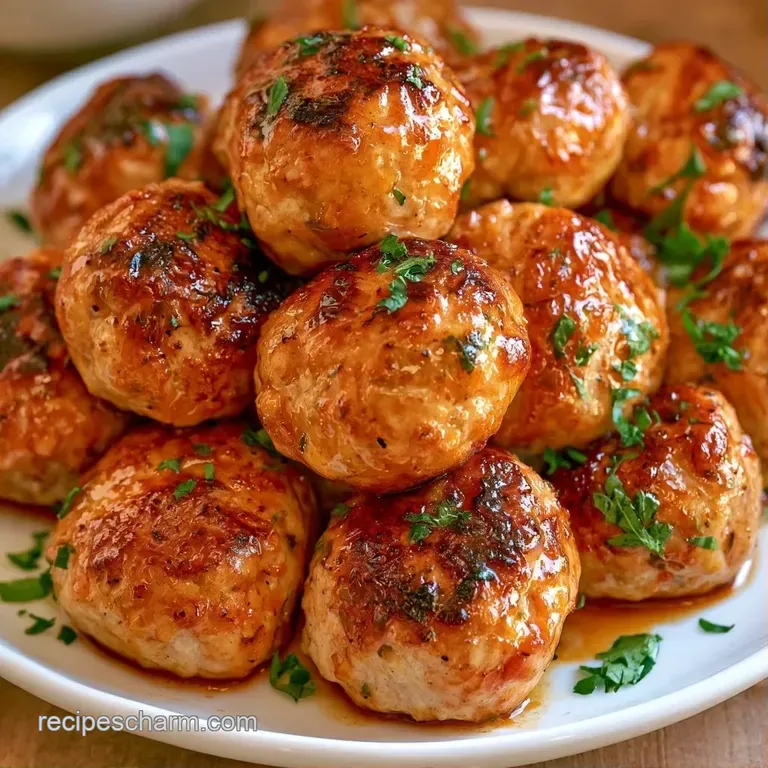
Now, let's begin the assembly. The key is to combine the ingredients without overworking the meat, as this is where many people make a mistake.
- Put the cottage cheese, grated zucchini, egg, and minced garlic into a food processor. Pulse until the consistency is smooth and velvety. Note: This ensures a non-chunky texture.
- In a large mixing bowl, combine the ground turkey, almond flour, Parmesan, parsley, oregano, salt, and pepper.
- Pour the blended base over the meat. Gently fold the ingredients together using a spatula or your hands until just combined. Note: Overmixing results in tough Turkey Meatballs.
- Set the oven temperature to 400°F (200°C) and line a baking sheet with parchment paper.
- Form the mixture into balls roughly 1 inch in diameter, using about 1.5 tbsp per scoop.
- Arrange the meatballs evenly on the sheet to ensure proper air circulation.
- Bake for 18–22 minutes until mahogany colored and smelling of toasted garlic.
- Use a meat thermometer to ensure they reach an internal temperature of 165°F (74°C), which is the USDA's recommended safe temperature for poultry.
Fixing Common Texture Issues
Even with a good plan, things can go sideways. I've dealt with all of these in my own kitchen, so don't sweat it.
Fixing Loose Meatballs
If the mixture feels too wet to roll, it's usually because the zucchini had too much water. Squeeze the grated zucchini in a paper towel or clean kitchen cloth until no more liquid drops. If you've already mixed them, stir in one extra tablespoon of almond flour to tighten the bind.
Avoiding Rubbery Results
Rubbery Turkey Meatballs happen when the meat is overmixed. When you fold in the moisture base, stop the moment you don't see any more streaks of white cottage cheese. If you knead it like bread dough, the proteins bond too tightly, creating a bouncy, rubbery feel.
Preventing Flat Shapes
If your meatballs are flattening out on the pan, they might need a quick chill. Pop the rolled balls into the fridge for 15 minutes before baking. This firms up the fats and binders, helping them keep that round shape.
Adjusting The Batch Size
Depending on who you're feeding, you might need to change the volume. Scaling Turkey Meatballs is pretty straightforward, but there are a few rules to follow.
For a smaller batch (half), use a smaller baking sheet and reduce the bake time by about 20%. Since you can't easily halve an egg, beat one egg in a small bowl and use about two tablespoons of the mixture.
When doubling or tripling the recipe for a crowd, don't just multiply the salt and oregano by three. I find that scaling spices to 1.5x or 2x is usually enough to maintain the flavor without it becoming overwhelming. Always work in batches; if you crowd the pan, the Turkey Meatballs will steam instead of browning.
Chef's Tip: For a deeper flavor, add a teaspoon of espresso powder or a dash of Worcestershire sauce to the meat base. It adds a savory depth that makes the turkey taste more like traditional beef.
Storage and Freezer Tips
These are brilliant for meal prep. I usually make a double batch on Sundays and use them throughout the week.
Seal the cooked Turkey Meatballs in a glass container and keep them chilled for 72 hours. If you're using them for weight loss meal prep, portion them out with steamed veggies for an easy grab-and-go lunch.
For the freezer, let them cool completely before placing them on a tray to flash freeze for one hour. Once they are hard, move them into a freezer bag. They stay good for 3 months. To reheat, I suggest the oven or air fryer at 350°F for 8-10 minutes to bring back the crust.
To reduce waste, don't throw away the zucchini ends or the Parmesan rind. Throw the rind into a pot of simmering water or soup to add a rich, salty depth to your broth.
Serving and Pairing Ideas
You can serve these in a variety of ways. For those seeking a low-carb meal, I recommend pairing the Turkey Meatballs with cauliflower mash or sautéed spinach.
For a more traditional comfort food experience, toss them in marinara sauce and serve alongside Green Bean Casserole for a hearty family dinner. They also taste fantastic in a toasted sub roll topped with pesto and melted provolone.
Decision Shortcut:
- For a firmer set: chill 30 minutes before baking.
- For extra moisture: add 1 tbsp olive oil to the meat.
- For a deeper sear: broil for 2 minutes at the end.
Whether served over pasta or as a standalone protein, these Turkey Meatballs are satisfying and light on heavy fats. Just remember to squeeze the zucchini thoroughly and mix the ingredients gently for a perfect outcome.
High in Sodium
840 mg 840 mg of sodium per serving (37% 37% of daily value)
The American Heart Association recommends a daily limit of 2,300mg of sodium to help manage blood pressure and reduce the risk of heart disease.
Tips to Reduce Sodium
-
Reduce Added Salt-30%
Eliminate or reduce the 1 tsp of salt. Replacing it with a salt-free seasoning blend can drastically lower the total sodium.
-
Swap Cottage Cheese-20%
Use a no-salt-added or low-sodium cottage cheese instead of standard low-fat cottage cheese to reduce hidden processed sodium.
-
Modify Parmesan-15%
Reduce the amount of grated Parmesan cheese or replace it with nutritional yeast for a similar nutty, cheesy taste with far less salt.
-
Add Brightness-10%
Add a squeeze of fresh lemon juice or a dash of apple cider vinegar to the mixture to provide a 'tang' that mimics the taste of salt.
-
Enhance Herbs & Spices
Double the amount of fresh parsley and dried oregano to build a deeper flavor profile, making the reduction of salt less noticeable.
Recipe FAQs
Are turkey meatballs high in protein?
Yes, lean ground turkey and cottage cheese provide a significant protein boost.
Tip: add extra Parmesan for a small amount of additional protein and sharp flavor.
How to make meatballs high in protein?
Mix ground turkey with cottage cheese and almond flour to increase nutrient density. These specific ingredients maximize the protein-to-calorie ratio.
Tip: if you like the moisture balance here, see how it's handled in a beef rice skillet.
What's a good binder for turkey meatballs?
Almond flour and egg work together to hold the turkey and vegetables in place.
Tip: ensure the grated zucchini is squeezed dry so the binder doesn't become too wet.
Is it true that turkey meatballs are unhealthy?
No, this is a common misconception. Using 93% lean turkey and fresh zucchini makes them a nutritious choice.
Tip: bake them at 400°F instead of frying to keep the calorie count lower.
Do turkey meatballs always end up dry?
No, and here's why. Blending cottage cheese and zucchini creates a moisture base that prevents the lean meat from drying out.
Tip: avoid overmixing the meat and moisture base to keep the texture tender.
Can I store these in the freezer?
Yes, they stay good for 3 months if flash frozen before bagging.
Tip: reheat them in the oven at 350°F for 8-10 minutes.
Turkey Meatballs with Cottage Cheese