Garlic Butter Shrimp in 18 Minutes

- Total18 Mins
- Calories254 kcal
- CuisineAmerican
- Time: 10 min active + 8 min cooking
- Flavor & Texture: Buttery, savory, and bright
- Perfect for: Weeknight dinner or a romantic meal
Quick Garlic Shrimp in 15 Minutes
Garlic and butter are the universal language of coastal dining. In Spain, Gambas al Ajillo is a classic tapas dish that relies on high heat and plenty of garlic. This version blends those Mediterranean roots with a bit of a Cajun twist using paprika.
It's a fast, flavor-packed meal that feels fancy but takes almost no time. Using a single pan keeps the cleanup simple, which is a win for any busy family dinner.
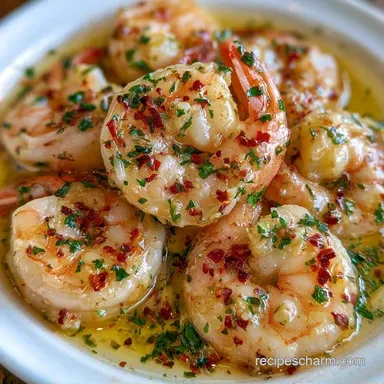
This style of garlic shrimp has a bright, citrusy finish that cuts through the richness of the butter. You'll get a chestnut brown sear on the outside while the inside stays tender.
What Makes It Work
- Cold Butter Finish: Adding cold butter at the very end creates a glossy sauce that clings to the shrimp instead of splitting into oil.
- Dry Searing: Removing surface moisture ensures the shrimp brown quickly, which is what makes garlic shrimp so savory.
Choosing the right shrimp size changes your timing. Use this guide to keep them tender.
| Size | Cook Time (Per Side) | Visual Cue | Best For |
|---|---|---|---|
| Large | 1-2 minutes | Opaque and pink | Main course |
| Jumbo | 2-3 minutes | Opaque and pink | Appetizers |
| Small | 1 minute | Opaque and pink | Pasta |
The result depends on the pan you use. Stainless steel is great for getting a deep crust, while cast iron holds heat better for larger batches.
The Right Gear
A large stainless steel or cast-iron skillet is the best tool for this. Avoid non-stick pans if you want a deep, golden crust, as they don't sear as effectively. A fish spatula or tongs will help you flip the shrimp without breaking them.
Ingredients & Substitutes
- 1 lb large shrimp, cleaned and deveined Reason: Maintains a plump texture without overcooking
- 1 tbsp olive oil Reason: High smoke point is ideal for searing
- 1 tsp kosher salt
- 1/2 tsp black pepper
- 1/2 tsp paprika Reason: Provides a warm, earthy hue
- 4 tbsp unsalted butter, divided Reason: Creates a decadent sauce foundation
- 5 cloves garlic, minced Reason: The primary flavor agent
- 1 tbsp fresh lemon juice Reason: Cuts through the richness of the butter
- 1 tbsp fresh parsley, finely chopped
| Original Ingredient | Substitute | Why It Works |
|---|---|---|
| Unsalted Butter | Vegan Butter | Comparable fat content. Note: Verify salt levels first |
| Fresh Parsley | Dried Parsley | Aligned flavor profile. Note: Use 1 tsp instead of 1 tbsp |
| Lemon Juice | White Wine Vinegar | Strong acidity. Note: Use slightly less than 1 tbsp |
Cooking Steps
Phase 1: Prepping for Success
Use paper towels to ensure the shrimp are free of moisture, as any surface water will cause them to steam rather than brown. In a small bowl, combine the shrimp with 1 tsp kosher salt, 1/2 tsp black pepper, and 1/2 tsp paprika until well-seasoned.

Phase 2: The High-Heat Sear
Heat 1 tbsp olive oil in a large cast-iron or stainless steel skillet over medium-high heat until it begins to shimmer. Place the shrimp in a single layer, making sure they aren't touching; work in batches if necessary.
Sear undisturbed for 1 to 2 minutes until a golden crust forms, flip, and cook for another 60 seconds. Remove the shrimp to a plate immediately. They are ready when they look opaque and hit an internal temperature of 145°F (63°C).

Phase 3: Emulsifying the Sauce
Lower the skillet temperature to medium and melt 2 tbsp unsalted butter. Sauté 5 cloves of minced garlic for roughly 1 minute until fragrant but not brown, then stir in 1 tbsp fresh lemon juice.
Return the shrimp and any pan juices to the skillet. Stir in the remaining 2 tbsp cold unsalted butter and 1 tbsp chopped parsley, whisking constantly for 30 seconds to create a velvety glaze.

Common Problems and Fixes
Rubbery Shrimp
Overcooking is the most common issue. This happens when the heat is too low (causing them to stew) or too high for too long. Stick to the internal temp of 145°F.
Bitter Garlic
Garlic burns quickly at high temperatures. If it turns dark brown or black, it becomes bitter. Always lower the heat before adding the garlic.
Watery Sauce
If you don't dry the shrimp, they release water into the pan. This prevents the butter from emulsifying, leaving you with a thin, greasy liquid.
| Problem | Root Cause | Solution |
|---|---|---|
| Rubber texture | Overcooked or crowded pan | Cook in batches; use a thermometer |
| Bitter taste | Burnt garlic | Lower heat to medium before sautéing |
| Thin sauce | Shrimp were damp | Pat shrimp dry with paper towels |
Flavor Twists
You can easily change the vibe of this meal. For a honey garlic shrimp version, stir in 1 tbsp of honey along with the lemon juice for a sweet and savory glaze.
If you prefer a Hawaiian style, add a pinch of red chili flakes and a splash of soy sauce. These variations of garlic shrimp work best when you keep the high-heat sear technique.
Storage Guidelines
Keep remaining portions in a sealed container and refrigerate for 3 days. It is normal for the butter sauce to harden while chilled.
Avoid reheating in the microwave, which can make shrimp rubbery due to uneven heating. Instead, warm them in a skillet over low heat with a teaspoon of water or butter until they reach an internal temperature of 165°F (74°C).
Serving Suggestions

Serving this garlic shrimp over a bed of steamed white rice is the best way to soak up the extra butter sauce. If you want something lighter, serve it over sautéed spinach or roasted asparagus.
For a heartier meal, toss it with linguine or angel hair pasta. I like adding a squeeze of fresh lemon over the top right before eating to wake up the flavors.
Kitchen Myths
Searing meat or seafood does not "seal in juices." The crust is there for flavor and texture, not to lock in moisture. Shrimp lose moisture regardless of the sear, so the real trick is stopping the cook the moment they hit 145°F.
Your Questions, Answered
How do I make these garlic shrimp?
Pat shrimp dry, season, sear in olive oil, and toss in a sauce of melted butter, garlic, and lemon juice.
Tip: Use a stainless steel or cast-iron skillet to achieve the best golden crust.
Can I use boiled shrimp?
Boiled shrimp will not develop the golden crust that results from searing in a hot pan.
Tip: Pat the seafood completely dry with paper towels before cooking to ensure a proper sear.
How is the garlic butter sauce prepared?
Sauté minced garlic in melted butter for one minute before stirring in fresh lemon juice.
Tip: Stir in cold butter and chopped parsley at the very end to create a velvety glaze.
Is it possible to use garlic powder and butter for sautéing?
This recipe uses fresh garlic and olive oil to achieve a better sear and a more aromatic flavor.
Tip: Avoid using only butter for the initial sear as it can burn at the high temperatures needed for the crust.
Garlic Shrimp in 18 Minutes
Ingredients:
Instructions:
Try These Next

Vegan Buddha Bowl with Tahini Sauce
Master the ultimate Vegan Buddha Bowl recipe featuring shatter crisp chickpeas and creamy tahini…

High Protein Turkey Pasta
Busy parents looking for a hearty High Protein Turkey Pasta will love this.

Chicken Rice Bowl Meal Prep
Includes a clear step by step prep guide for timing. This High Protein Chicken Rice Bowl is…

15-Minute Garlic Shrimp Scampi
Ready in 15 minutes, Shrimp Scampi is a rich dinner. Searing the shrimp separately keeps them…
