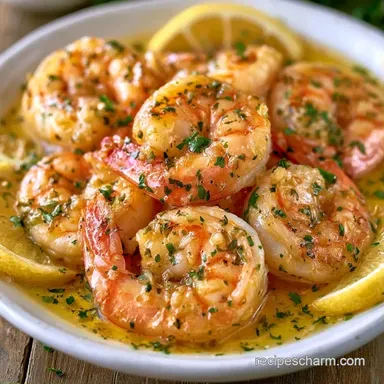
Shrimp Scampi: Garlic Butter and Zesty
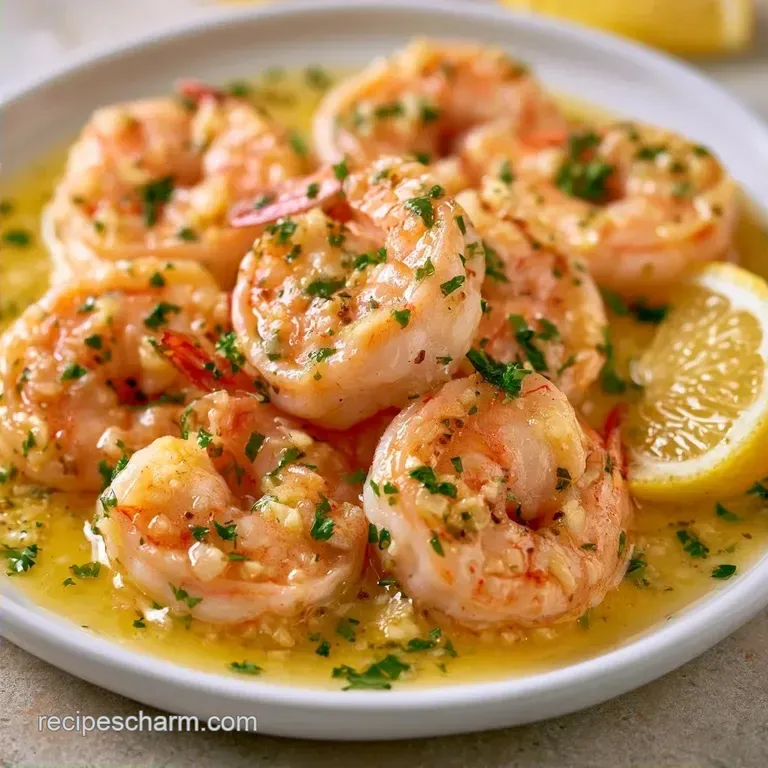
- Time:5 mins active + 10 mins cooking = Total 15 mins
- Flavor/Texture Hook: Buttery, zesty, and velvety
- Perfect for: Weeknight dinner or a fast date night
- The Ultimate Fast Shrimp Scampi
- Secrets for a Silky Sauce
- Quick Timing and Yield
- Essential Ingredients for Flavor
- Minimal Tools for Quick Prep
- Step by Step Cooking Guide
- Troubleshooting Common Cooking Errors
- Ways to Change the Flavor
- Storage and Reheating Tips
- The Best Side Pairings
- Recipe FAQs
- 📝 Recipe Card
That aggressive sizzle when the shrimp hit the hot oil is the best part. I remember the first time I tried making this for my family, I thought the secret was using a bottle of wine that actually cost more than ten dollars.
I spent twenty minutes reducing the sauce and ended up with something that tasted more like a syrup than a dinner, and the shrimp were so overcooked they felt like pencil erasers.
Trust me, you don't need fancy ingredients or a culinary degree to get this right. The real trick isn't the price of the wine, it's how you handle the heat and the timing of the butter. Once I stopped overthinking the "fancy" side of it and focused on the actual mechanics of the pan, everything changed.
We're going for a flavor packed meal that feels high end but uses basically one pan and a pot. This Shrimp Scampi is all about balance, cutting through that rich butter with a sharp hit of lemon and garlic. It's the kind of meal that makes the whole house smell like a bistro in ten minutes.
The Ultimate Fast Shrimp Scampi
Right then, let's look at why this actually works. Most people just toss everything in a pan and hope for the best, but there are a few specific things happening here that make the sauce stick to the pasta instead of puddling at the bottom of the bowl.
Starch Binding: The reserved pasta water contains gelatinized starch that acts as a bridge between the fat in the butter and the water in the wine.
Temperature Control: Searing the shrimp first and removing them prevents the protein from overcooking while the sauce reduces.
Acid Balance: Adding lemon juice at the end brightens the heavy fats, preventing the dish from feeling too greasy.
Butter Foaming: Cooking the garlic in foaming butter ensures the aromatics are infused into the fat without burning.
| Method | Time | Texture | Best For |
|---|---|---|---|
| Fast (This one) | 15 mins | Silky & Bright | Weeknight meals |
| Classic | 45 mins | Rich & Deep | Sunday dinner |
| Oven Baked | 25 mins | Soft & Stewed | Large crowds |
It's all about that quick hit of heat. When you're in a rush, you want the most flavor with the least amount of scrubbing later. That's why we use the same skillet for the protein and the sauce.
Secrets for a Silky Sauce
To get that restaurant style finish, you have to understand the "mount" of the sauce. This is just a fancy way of saying we're whisking cold fat into a hot liquid. When you return the shrimp to the pan and add that splash of pasta water, you're creating an emulsion.
If the pan is too hot, the sauce breaks and you get a pool of oil. If it's too cold, it stays watery.
The goal is a velvety coating. You'll know you've hit the mark when the sauce looks glossy and clings to the linguine like a second skin. This is where most home cooks trip up, usually by skipping the pasta water or adding the butter too early.
Another key is the garlic. If you brown the garlic too much, it turns bitter. We want it fragrant and soft, not crispy and burnt. By lowering the heat before adding the second knob of butter, we keep the garlic in that sweet spot of flavor.
| Ingredient | Science Role | Pro Secret |
|---|---|---|
| Pasta Water | Emulsifier | Always reserve more than you think you need |
| Dry White Wine | Deglazing Agent | Use a crisp wine like Pinot Grigio for better acidity |
| Unsalted Butter | Fat Base | Divide it to control the smoke point |
Keep in mind that the quality of your shrimp matters. Whether you're using fresh or thawed, make sure they are patted bone dry with paper towels. If they're wet, they'll steam instead of sear, and you'll lose that beautiful golden crust. For a detailed look at prep, check this shrimp guide to make sure they're cleaned properly.
Quick Timing and Yield
This is a heartbeat of a recipe. You can literally have this on the table in the time it takes for the pasta to boil. Because we're using a over high heat method for the shrimp, the active work is minimal.
- Prep time: 5 minutes
- Cook time: 10 minutes
- Total time: 15 minutes
- Yield: 4 people
Since the cook time is so short, I recommend having all your garlic minced and your lemon squeezed before you even turn on the stove. This is a "mise en place" situation because once that butter starts foaming, things move fast.
Essential Ingredients for Flavor
I've kept this list tight. No unnecessary fillers, just the stuff that actually contributes to the taste. Don't bother with low-fat butter or "light" olive oil here, as the fat is what carries the garlic and lemon flavors.
- 1 lb (450g) large shrimp, peeled and deveined Why this? Large shrimp hold their shape and don't overcook as fast
- 4 tbsp (60g) unsalted butter, divided Why this? Control salt levels while getting that rich finish
- 2 tbsp (30ml) extra virgin olive oil Why this? Raises the smoke point for the initial sear
- 5 cloves garlic, minced Why this? Provides the signature aromatic punch
- 1/4 cup (60ml) dry white wine Why this? Adds acidity and depth to the butter
- 1 tbsp (15ml) fresh lemon juice Why this? Cuts through the richness
- 2 tbsp fresh parsley, chopped Why this? Adds a fresh, herbaceous finish
- 1/2 tsp red pepper flakes Why this? Subtle warmth without being "spicy"
- 8 oz (225g) linguine Why this? Flat noodles hold the velvety sauce better
- 1/4 cup (60ml) reserved pasta water Why this? The secret to the sauce emulsion
- Salt to taste
- Black pepper to taste
| Original Ingredient | Substitute | Why It Works |
|---|---|---|
| White Wine (1/4 cup) | Chicken Broth (1/4 cup) | Similar savory depth. Note: Lacks the acidity of wine, so add an extra squeeze of lemon |
| Linguine (8 oz) | Zucchini Noodles | Great low carb option. Note: Don't use pasta water; use a splash of the veggie liquid |
| Unsalted Butter | Ghee | Higher smoke point. Note: Slightly nuttier flavor, less creamy finish |
I once tried using a "garlic powder" substitute when I ran out of fresh cloves. Honestly, don't even bother. The flavor profile of a Simple Shrimp Scampi relies on the fresh, pungent oils of raw garlic hitting the butter. It's a completely different experience.
Minimal Tools for Quick Prep
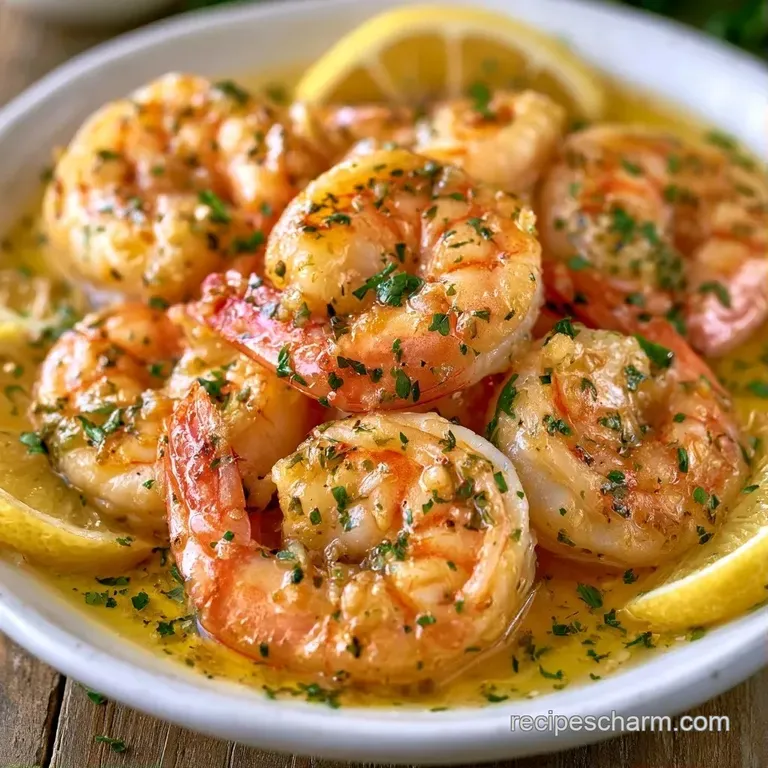
You don't need a kitchen full of gadgets for this. In fact, using too many pans just means more cleanup, which defeats the purpose of a 15 minute meal. Stick to the basics and you'll be fine.
- Large Skillet: Use one with high sides (like a sauté pan) so you can toss the pasta without it flying onto the stove.
- Large Pot: For boiling the linguine.
- Tongs: Much better than a spoon for tossing the pasta in the sauce.
- Microplane or Mincer: To get the garlic very fine so it distributes evenly.
If you have a cast iron skillet, it works great for the sear, but be careful with the lemon juice as it can react with unseasoned pans. A stainless steel skillet is the gold standard here because you can see the brown bits (fond) forming on the bottom.
Step by step Cooking Guide
Let's crack on. Follow these steps exactly, and you'll avoid the rubbery shrimp trap.
- Boil a large pot of salted water. Cook the linguine according to package directions until al dente. Reserve 1/4 cup of the starchy pasta water before draining. Note: Al dente is key since the pasta finishes in the sauce.
- Heat 1 tablespoon of butter and the olive oil in a large skillet over medium high heat. Once the butter foams, add the shrimp in a single layer, season with salt and pepper, and sauté for 1–2 minutes per side until they just turn pink.
- Remove shrimp to a plate immediately. Note: This stops the cooking process so they stay tender.
- Lower the heat to medium and add the remaining butter to the same pan. Stir in the minced garlic and red pepper flakes, sautéing for 1 minute until fragrant but not brown.
- Pour in the dry white wine and lemon juice. Simmer and reduce the liquid by half, approximately 2–3 minutes.
- Return the shrimp and their juices to the pan.
- Toss in the cooked pasta and the reserved pasta water. Stir vigorously over heat for 1 minute until the sauce is velvety and coats the pasta.
- Stir in the fresh parsley and remove from heat.
Chef's Tip: If you want a deeper flavor, try adding a tiny pinch of espresso powder to the butter. It sounds wild, but it mimics the depth of a long simmered sauce in a fraction of the time.
Troubleshooting Common Cooking Errors
Even with a simple recipe, things can go sideways. Usually, it's a matter of temperature. If your pan isn't hot enough, the shrimp will boil in their own juices. If it's too hot, the garlic will burn before the wine hits the pan.
| Issue | Solution |
|---|---|
| Why Your Shrimp Scampi Shrimp are Rubbery | This happens when the protein is overcooked. Shrimp cook incredibly fast. As soon as they curl into a "C" shape and turn opaque, they are done. If they curl into a tight "O", they've gone too far. |
| Why Your Sauce Is Greasy | This is usually a sign that the emulsion broke. If the butter separates from the wine and lemon juice, you've likely overheated the pan or forgot the pasta water. |
| Why The Garlic Tastes Bitter | Bitter garlic is burnt garlic. If the heat is too high when you add the minced cloves, they will scorch in seconds. |
Common Mistakes Checklist:
- ✓ Patted shrimp dry before searing
- ✓ Reserved pasta water before draining
- ✓ Removed shrimp before adding garlic
- ✓ Used fresh lemon juice, not bottled
- ✓ Cooked pasta to al dente, not soft
Ways to Change the Flavor
Once you've nailed the basic Garlic Butter Shrimp Scampi, you can start playing with the profile. If you're feeling like something a bit more citrus forward, you can try a Garlic Lemon Shrimp variation which leans harder into the zest.
For a low carb version, swap the linguine for zucchini noodles or spaghetti squash. Just be careful with the timing; sauté the zucchini noodles for only 2 minutes at the very end, or they'll turn into mush.
If you want more heat, double the red pepper flakes or add a sliced Fresno chili during the garlic sauté. For a richer, more decadent version, you can stir in a tablespoon of heavy cream right before adding the parsley.
Storage and Reheating Tips
Since this is a delicate dish, it doesn't store as well as a beef stew, but it's still great for leftovers.
Fridge: Store in an airtight container for up to 3 days. The pasta will absorb the sauce, so it might look a bit dry when you take it out.
Freezer: I don't recommend freezing the pasta version. However, you can freeze the cooked shrimp and sauce (without the pasta) for up to 2 months.
Reheating: To bring it back to life, heat a skillet over medium heat with a tiny splash of water or butter. Add the pasta and shrimp, tossing gently until heated through. Avoid the microwave if you can, as it often makes the shrimp rubbery.
To avoid waste, don't throw away the shrimp shells if you bought them head on. Toss them in the freezer in a bag; once you have enough, boil them with an onion and carrot to make a quick seafood stock for risotto.
The Best Side Pairings
Because Shrimp Scampi is so rich and buttery, you need something crisp and acidic on the side to cleanse the palate. A heavy side dish will make the meal feel too bogged down.
I love pairing this with a Mediterranean Chickpea Salad because the vinegar and fresh veggies balance the butter perfectly. If you want something warmer, a simple plate of roasted asparagus or sautéed spinach with a bit of lemon zest is the way to go.
Some people love a piece of crusty sourdough bread to mop up the leftover sauce. Just make sure to toast it with a bit of garlic butter to keep the theme going. It turns a quick dinner into a full blown feast.
Right then, that's how you do a restaurant quality meal in under twenty minutes. It's all about the sizzle, the starch, and the timing. Enjoy!
Recipe FAQs
What are the ingredients for shrimp scampi?
Combine shrimp, linguine, butter, olive oil, garlic, white wine, lemon juice, parsley, and red pepper flakes. Season the dish with salt and black pepper, using reserved pasta water to create the sauce.
How do you make shrimp scampi from scratch?
Sauté shrimp in butter and olive oil for 1 2 minutes per side, then remove them from the pan. Simmer garlic, red pepper flakes, white wine, and lemon juice before tossing the shrimp and al dente linguine back in with reserved pasta water.
Why did my shrimp scampi turn out rubbery?
You overcooked the protein. Shrimp are done as soon as they curl into a "C" shape; if they curl into a tight "O", they have become overcooked and tough.
Do you use pre-boiled shrimp to make shrimp scampi?
No, this is a common misconception. Using raw shrimp allows them to sear in the butter and olive oil, which develops the characteristic flavor and maintains a tender texture.
How much garlic is used for a flavorful shrimp scampi?
Use five minced cloves. Sauté them for exactly one minute in butter until fragrant, ensuring they do not burn before you add the wine.
Why is my scampi sauce greasy?
The emulsion failed to bind. Stirring in the reserved starchy pasta water vigorously over heat creates a velvety finish. If you enjoyed mastering the emulsion here, see how the same principle works in our butter poached lobster recipe.
Can you freeze shrimp scampi with pasta?
No, avoid freezing the pasta version. The noodles lose their texture upon thawing, though you can freeze the cooked shrimp and sauce for up to two months.
Garlic Butter Shrimp Scampi