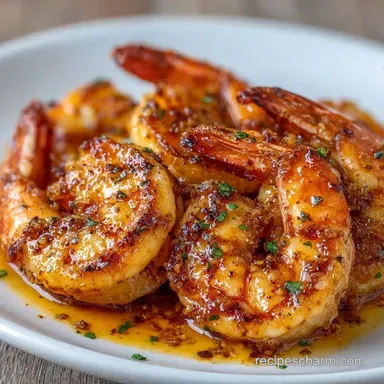
Pan Fried Shrimp: 10-Minute Meal
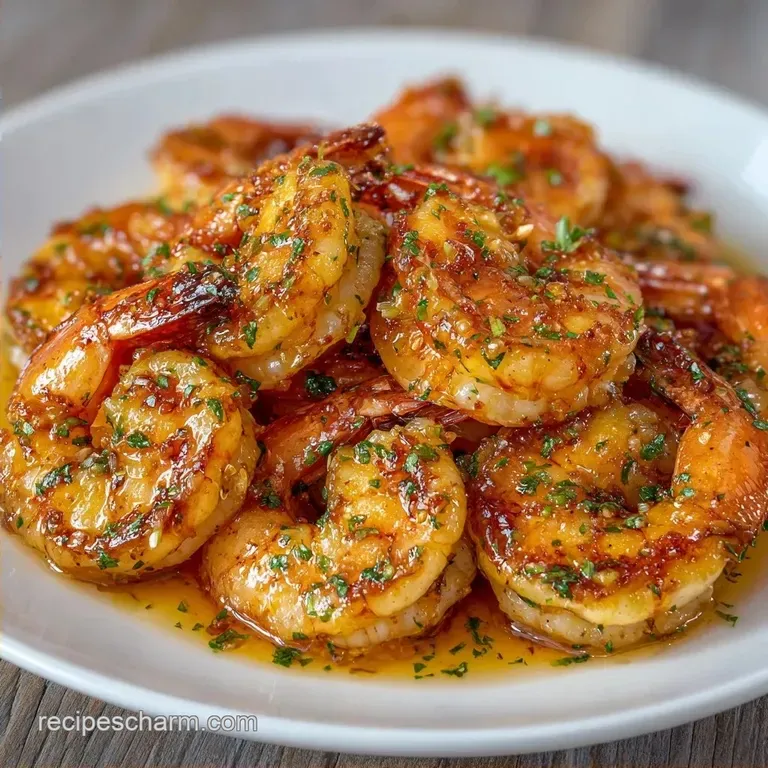
- Time: 5 min active + 5 min cook
- Flavor/Texture Hook: Buttery, savory crust with a snap
- Perfect for: Weeknight dinners or a quick appetizer
You know that disappointing moment when you throw shrimp in a pan and suddenly it's swimming in a gray, watery puddle? I've been there. I used to think it was the pan or the shrimp brand, but the truth is, most of us just don't dry them enough.
When moisture hits hot oil, it steams the meat instead of searing it, leaving you with a rubbery texture and zero color.
The fix is simpler than you think. By getting the shrimp bone dry and using a high smoke point oil first, you get that actual sizzle. This is how you get that deep, savory crust that makes the dish feel like it came from a restaurant, even though it only takes a few minutes of actual work.
If you're looking for a reliable way to make pan fried Shrimp that doesn't require a million tools, this is it. We're keeping the cleanup minimal and the flavor high. You'll get a snap in every bite and a rich garlic butter finish that ties everything together.
The Secret to pan fried Shrimp
Getting the texture right is where most people trip up. Shrimp cook incredibly fast, and the window between "perfectly snappy" and "chewy eraser" is only about 60 seconds. The trick is using a two stage fat approach.
We start with avocado oil because it can take the heat without smoking or tasting bitter, and we finish with butter for that velvety richness.
If you add the butter too early, the milk solids burn before the shrimp even get a tan. By adding the butter and garlic only after the first flip, you create a basting liquid that cooks the top of the shrimp while the bottom finishes its sear. It's a fast process, but the sequence is everything.
Let's talk about the "crowding" issue. If you dump a pound of shrimp into a small skillet, the pan temperature drops instantly. This triggers that dreaded steaming effect. I always recommend a large cast iron or stainless steel pan. If you don't have one, just work in two batches.
It takes an extra three minutes, but the result is a shatter crisp exterior instead of a soggy one.
Common Searing Mistakes
Most recipes tell you to "cook until pink," but that's too vague. By the time they're fully pink, they're often overdone. You want to look for a "C" shape. When shrimp curl into a tight "O," they've spent too much time in the heat. Aim for that relaxed "C" for the best mouthfeel.
Another mistake is seasoning with salt too far in advance. Salt draws out moisture. If you salt your shrimp and let them sit for 20 minutes, you've just created a brine on the surface of the meat. This kills your sear. Season them immediately before they hit the pan.
Finally,, don't be afraid of the smoke. For pan fried Shrimp to actually fry, the oil needs to be shimmering. If it's not almost smoking, you're just sautéing, and you'll miss out on that deep mahogany color.
Cooking Method Comparison
| Method | Time | Texture | Best For |
|---|---|---|---|
| Fast Sear | 10 mins | Crispy exterior, snappy center | Weeknight meals |
| Classic Sauté | 20 mins | Soft, butter poached | Fancy dinner parties |
| Deep Fried | 15 mins | Heavy crunch, breaded | Appetizer platters |
The Recipe Specs
This recipe is designed for a hearty family dinner. It's one pan, meaning you aren't scrubbing five different bowls afterward. Since we're using jumbo shrimp, they hold up better to the high heat and stay juicy inside.
Precision Checkpoints:
- Oil Temp: Must shimmer and smoke slightly before shrimp enter.
- Initial Sear: Exactly 2 minutes undisturbed for the crust.
- Garlic Butter: 60 to 90 seconds of basting before removal.
Understanding the Ingredients
The choice of fat here isn't accidental. Avocado oil is the workhorse, and the butter is the flavor.
Component Analysis
| Ingredient | Science Role | Pro Secret |
|---|---|---|
| Jumbo Shrimp | Main Protein | Pat dry with three paper towels per lb |
| Avocado Oil | over High heat Conductor | Prevents butter from burning early |
| Unsalted Butter | Flavor & Basting | Add at the end for a nutty aroma |
| Garlic | Aromatic | Mince finely to avoid burnt chunks |
The Shopping List
- 1 lb jumbo shrimp, peeled and deveined Why this? Larger size prevents overcooking
- 2 tbsp avocado oil Why this? High smoke point prevents acrid taste
- 3 tbsp unsalted butter Why this? Adds richness and helps basting
- 4 cloves garlic, minced Why this? Fresh is far more potent than jarred
- 1/2 tsp kosher salt Why this? Coarse grains distribute evenly
- 1/4 tsp cracked black pepper Why this? Adds a subtle woody heat
- 1/2 tsp paprika Why this? Helps achieve a deep red color
- 1 tbsp fresh lemon juice Why this? Cuts through the fat with acidity
Ingredient Swaps
| Original Ingredient | Substitute | Why It Works |
|---|---|---|
| Avocado Oil | Grapeseed Oil | Similar high smoke point. Note: Neutral flavor |
| Unsalted Butter | Ghee | Higher smoke point. Note: Lacks the milky sweetness |
| Paprika | Cayenne Pepper | Adds heat instead of just color. Note: Use half the amount |
| Fresh Lemon | Lime Juice | Provides a zesty, tropical twist. Note: Pairs well with cilantro |
Essential Minimal Tools
You don't need a professional kitchen for this. A heavy bottomed skillet is the only non negotiable tool. Cast iron is my go to because it holds heat so well that the pan doesn't cool down when the shrimp hit the surface. If you use a thin non stick pan, you might find the shrimp don't brown as deeply.
A pair of tongs is much better than a spatula here. You want to be able to grab a single shrimp and flip it without disturbing the others. This ensures every piece gets its own space to sear.
Finally,, keep a plate ready. Since these cook so fast, you don't want to be hunting for a serving dish while the garlic butter is foaming. Once they're done, they need to come out of the pan immediately.
The Cooking Process
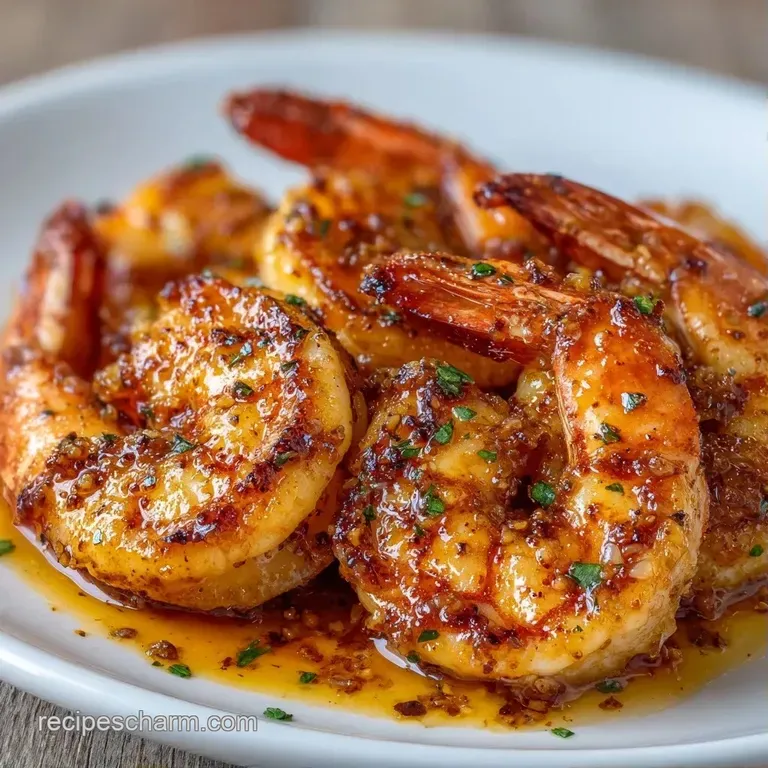
Follow these steps exactly to avoid the "rubbery" trap.
- Pat the shrimp extremely dry using paper towels. Note: This is the most important step for a crust.
- Toss the dried shrimp in a bowl with salt, pepper, and paprika until evenly coated.
- Heat a cast iron or stainless steel skillet over medium high heat and add the avocado oil. Wait until the oil shimmers and begins to smoke slightly.
- Arrange the shrimp in a single layer in the pan. Sear undisturbed for 2 minutes until the undersides are mahogany colored.
- Flip the shrimp.
- Immediately add the butter and minced garlic to the empty spaces in the pan.
- As the butter foams, spoon the garlic butter over the shrimp for another 60-90 seconds.
- Remove from heat immediately and drizzle with fresh lemon juice.
Chef Note: If you're using frozen shrimp, thaw them completely in a bowl of cold water first. Never put frozen shrimp directly into the pan, or you'll create a steam bath that ruins the sear.
Fixing Common Issues
Even with a good plan, things can go sideways. Usually, it's a temperature issue.
Troubleshooting Common Issues
| Issue | Solution |
|---|---|
| Shrimp rubbery | This happens when the protein fibers tighten too much from overcooking. It usually means the shrimp stayed in the pan 2 minutes too long or were cooked on too low a heat for too long. |
| Why doesn't it get a crust | The culprit is almost always surface moisture. If the shrimp aren't bone dry, the water turns to steam and blocks the searing process. Another cause is overcrowding the pan. |
| Why did the garlic turn brown | Garlic burns at a much lower temperature than shrimp sear. If you add the garlic at the start, it will turn bitter and black before the shrimp are done. Always add it during the butter basting phase. |
Common Mistakes Checklist
- ✓ Pat shrimp dry with paper towels (twice!)
- ✓ Use a high smoke point oil for the initial sear
- ✓ Avoid overcrowding the skillet
- ✓ Remove from heat the moment they curl into a "C"
Customizing Your Shrimp
Once you have the base technique for pan fried Shrimp down, you can play with the flavors. If you want a more intense sauce, I highly recommend trying my Garlic Shrimp Sauce recipe to pour over the top.
Decision Shortcut:
- If you want heat, add 1/2 tsp red pepper flakes to the butter.
- If you want a "Zesty Lemon" version, double the lemon juice and add lemon zest.
- If you want Easy pan fried Shrimp Without Breading, just stick to the paprika/salt/pepper rub as listed.
For a dairy-free version, replace the butter with a high-quality vegan butter or just use more avocado oil and a splash of coconut milk at the end for creaminess.
Adjusting Portion Sizes
If you're cooking for just one or two people, use a smaller skillet. A 12 inch pan for 1/2 lb of shrimp means the oil spreads too thin and you lose the sear. Reduce your cook time by about 20% because smaller batches often heat up faster.
When scaling up for a crowd, never double the garlic and salt in a linear way. Use 1.5x the seasoning for 2x the shrimp. Most importantly, work in batches. Trying to fry 3 lbs of shrimp in one pan is a recipe for a soggy disaster.
Preservation Secrets
Leftover pan fried Shrimp are still great, but they can get tough if you aren't careful with the heat.
Storage Guidelines Store shrimp leftovers in the fridge in an airtight container. According to the USDA, cooked shrimp can be refrigerated for 3 to 4 days. For the freezer, use a vacuum sealed bag to prevent freezer burn, and they'll stay good for about 2 months.
Reheating Tips Avoid the microwave if you can. It turns shrimp into rubber almost instantly. Instead, toss them in a hot skillet for 60 seconds with a tiny bit of butter just to warm them through.
Zero Waste Tips Don't throw away the shrimp shells if you bought them head on or peel and eat. Toss the shells into a pot with some water, a carrot, and an onion. Simmer for 20 minutes to make a quick shrimp stock that's incredible for risottos or seafood pastas.
Best Side Dishes
Since this dish is rich and buttery, you need something to balance the weight. I love serving these with a crisp green salad or some steamed asparagus. For a more comforting family meal, this pairs perfectly with a side of homemade green bean casserole.
Serving Suggestions
- For a light appetizer: Serve on a platter with grilled sourdough slices and lemon wedges.
- For a full dinner: Serve over jasmine rice or quinoa to soak up the extra garlic butter.
- For a low carb option: Serve over a bed of sautéed spinach or zoodles.
Right then, you've got everything you need to nail this. Just remember: dry shrimp, hot pan, and don't overthink the timing. Once you see that mahogany crust forming, you'll know you've got it. Happy cooking!
Recipe FAQs
What is the best way to cook shrimp in a frying pan?
Sear them undisturbed on medium high heat. Pat the shrimp dry, season, and cook for 2 minutes per side in avocado oil, finishing with a garlic butter baste.
Is it better to pan fry shrimp in butter or oil?
Use a combination of both. Use avocado oil for the initial high heat sear to avoid burning, then add butter at the end for flavor and richness.
How to sauté shrimp with garlic and butter?
Sear the shrimp in avocado oil first. Once you flip the shrimp, add the butter and minced garlic to the empty spaces and spoon the foaming butter over them for 60-90 seconds.
How to keep shrimp juicy and avoid a rubbery texture?
Remove them from heat immediately after 3-4 minutes of total cooking. Overcooking causes protein fibers to tighten too much, which creates a rubbery consistency.
Why is my shrimp not developing a golden brown crust?
The shrimp likely have too much surface moisture. Use paper towels to get them bone dry before seasoning, as water creates steam that blocks the searing process.
What are some great shrimp dishes to serve at parties?
Serve these as a high protein appetizer. They pair perfectly with other seafood starters, such as a creamy seafood dip.
Is it true that you should add garlic at the beginning of the searing process?
No, this is a common misconception. Garlic burns at a much lower temperature than shrimp, so add it only after the shrimp have been flipped to prevent bitterness.
Garlic pan fried Shrimp