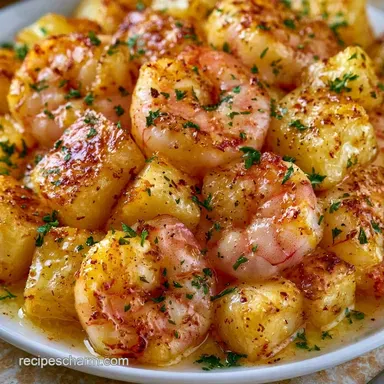
Shrimp Potato Skillet with Garlic Butter
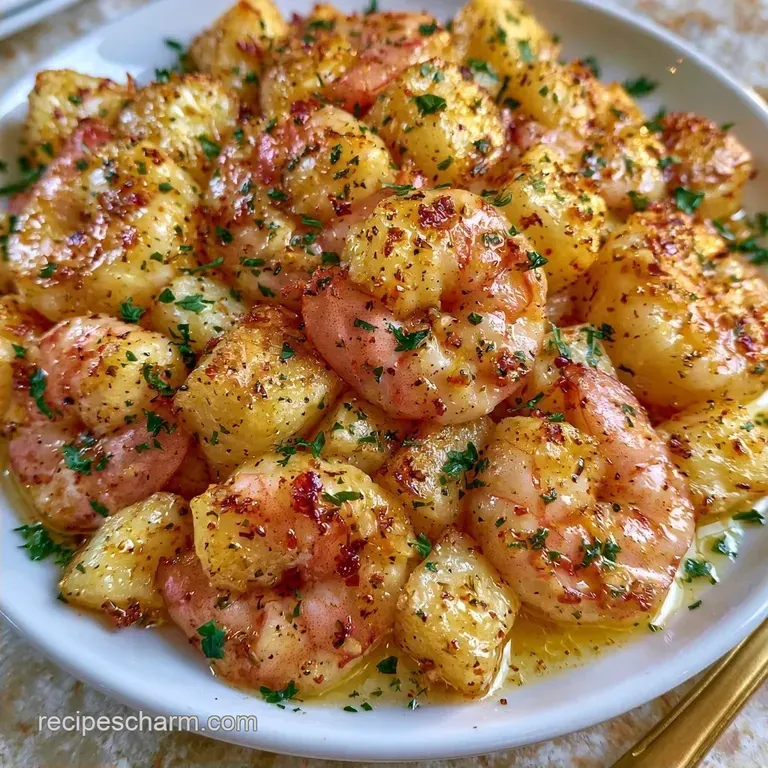
- Time: 10 min active + 25 min cook
- Flavor/Texture Hook: Crispy golden edges with a buttery garlic glaze
- Perfect for: A hearty family dinner with minimal cleanup
The smell of garlic hitting foaming butter is enough to make anyone hungry, but when you add the scent of smoked paprika and searing potatoes, it's something else. I used to struggle with these kinds of pans. Either the potatoes were still raw in the middle, or the shrimp had shriveled into rubbery little pebbles.
The trick is all about the order of operations. You can't just throw everything in and hope for the best. You need that initial sear on the Yukon Golds to build a foundation of flavor and texture.
Once you get the timing down, this Shrimp Potato Skillet becomes a go to. It's a one pan meal that tastes like a seafood boil but doesn't require a giant pot of water or a backyard. Trust me on this, the cast iron makes a huge difference.
Tricks for a Great Result
- Searing First: Letting the potatoes sit undisturbed for a few minutes creates a brown crust. This prevents them from steaming and turning mushy.
- The Butter Well: Pushing the potatoes to the side lets the garlic and spices bloom in the butter without burning.
- Last Minute Shrimp: Adding the protein at the end ensures they stay juicy. According to Serious Eats, overcooking shrimp even by a minute leads to a tough, rubbery texture.
Right then, let's look at whether you should stick to the stove or use the oven. Most of the time, the stovetop is better for that immediate crust, but the oven is easier for huge crowds.
| Method | Texture | Effort |
|---|---|---|
| Stovetop | Crispy edges, glossy sauce | Medium (requires stirring) |
| Oven | Uniformly soft, roasted flavor | Low (set and forget) |
Necessary Kitchen Tools
Basic equipment is all you'll need for this. I prefer a 12 inch cast iron skillet since it retains heat more effectively than stainless steel. Alternatively, a thick bottomed non-stick pan will work, though you might sacrifice some of that deep browning.
A strong spatula is necessary for flipping the potatoes. I also suggest a sharp chef's knife for creating 1/2 inch potato cubes. If the pieces vary in size, some will turn to mush while others stay raw. Keeping them uniform is the only way to ensure they finish cooking simultaneously.
Ingredient Guide
The choice of potato is important here. Yukon Golds are the sweet spot because they hold their shape but have a creamy center. Red potatoes work too, but they can be a bit waxier.
| Component | Purpose | Substitute Notes |
|---|---|---|
| Yukon Gold Potatoes | Hearty base | Red potatoes: slightly firmer texture |
| Avocado Oil | over High heat searing | Grapeseed oil: similar high smoke point |
| Large Shrimp | Main protein | Scallops: cook slightly longer, sear well |
| Unsalted Butter | Flavor and sauce | Salted butter: reduce added salt by 1/2 tsp |
Quick Reference Details
This recipe serves 4 people and takes about 35 minutes from start to finish. It's a flavor packed meal that doesn't require a long prep list.
- Prep time:10 minutes
- Cook time:25 minutes
- Total time:35 minutes
- Yield: 4 servings
Cooking Directions
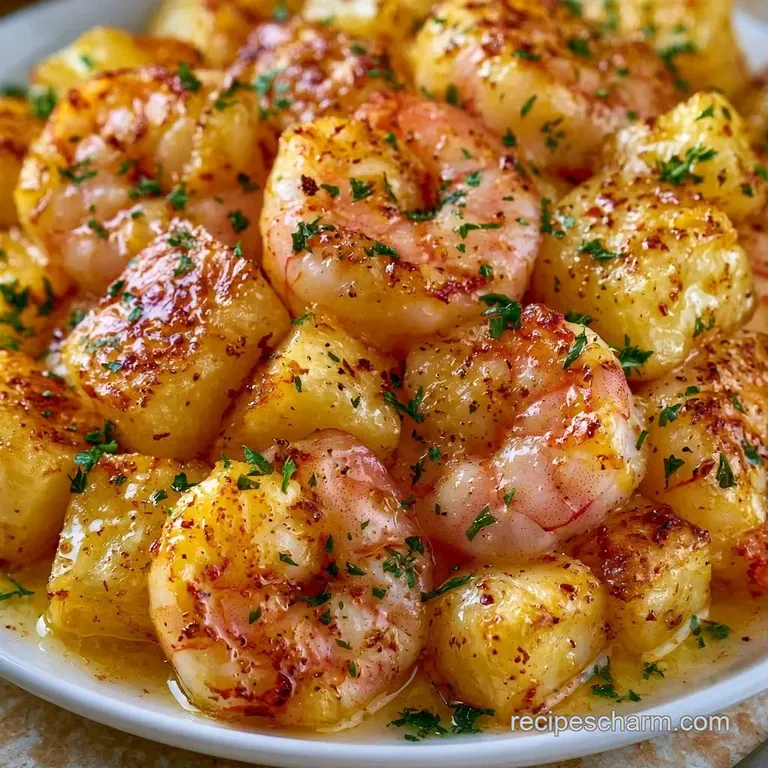
Let's crack on. Make sure your shrimp are patted dry with a paper towel first. If they are wet, they will steam instead of searing, and you'll lose that beautiful color.
Phase 1: Searing the Potatoes
- Heat 2 tbsp avocado oil in a 12 inch cast iron skillet over medium high heat until shimmering.
- Add 1.5 lbs cubed Yukon Gold potatoes in a single layer. Note: Don't crowd the pan or they won't brown.
- Sear undisturbed for 5–7 minutes until a golden crust forms.
- Stir in 1 diced yellow onion and cook for another 5 minutes until potatoes are fork tender.
- Sprinkle in 1 tsp kosher salt and 1/2 tsp black pepper.
Phase 2: Infusing the Aromatics
- Reduce the heat to medium.
- Push the potatoes to the outer edges of the pan to create a well in the center.
- Add 4 tbsp unsalted butter. Once it's foaming, stir in 4 cloves minced garlic, 1 tsp smoked paprika, and 1/2 tsp cayenne pepper for 60 seconds until fragrant.
Phase 3: Finishing the Shrimp
- Add 1 lb peeled and deveined large shrimp to the center of the pan.
- Toss the shrimp in the butter, then stir everything together to coat the potatoes.
- Cook for 3–5 minutes until shrimp are opaque and pearlescent pink.
- Drizzle with 1 tbsp fresh lemon juice and garnish with 2 tbsp chopped parsley immediately.
Fixing Common Problems
Most issues with a Shrimp Potato Skillet come down to heat management. If the pan is too cold, the potatoes soak up the oil and get greasy. If it's too hot, the garlic burns before the shrimp even hit the pan.
When the garlic turns dark brown or black, it becomes bitter. If this happens, it's best to wipe the pan and start the butter phase over. Also, watch your shrimp carefully. The second they turn pink, they are done. If you leave them in while you're plating, they'll overcook from the residual heat.
If you find your potatoes aren't softening, you can add a tablespoon of water and cover the pan for 2 minutes. This creates a quick steam that pushes the heat into the center of the potato. For those who love a different approach, my Shrimp Potatoes for 4 recipe recipe offers a hands off oven version.
| Problem | Root Cause | Solution |
|---|---|---|
| Rubbery Shrimp | Overcooked | Remove pan from heat immediately when pink |
| Soggy Potatoes | Too many in pan | Cook potatoes in two batches if needed |
| Bitter Sauce | Burnt garlic | Lower heat before adding butter and garlic |
| Raw Potato Centers | Cubes too large | Ensure 1/2 inch size for even cooking |
Storage and Leftover Tips
Keep any extras in a tight container in the refrigerator for up to 3 days. The potatoes will continue to absorb the garlic butter, often tasting even better the next day.
For reheating, it's best to skip the microwave, as it can make the shrimp rubbery and the potatoes mushy. Instead, toss everything back into a skillet over medium heat with a small knob of butter for 3–5 minutes to regain some of that crisp texture.
To avoid waste, save your shrimp shells if you started with head-on shrimp. Simmer them with water and onion to whip up a quick seafood stock, which you can later use in a fish stew or risotto.
Flavor Variations
This recipe is a great base for other flavors. If you want something with a kick, you can lean into a Shrimp with Andouille Sausage recipe style by adding sliced sausage during the potato phase.
You can also swap the Yukon Golds for sweet potatoes for a different nutrient profile and a sweeter taste. Just keep in mind that sweet potatoes soften faster than white potatoes, so reduce the initial sear time.
For those looking for a shortcut, here is a quick guide for adjustments: Extra tang? → fold in 1 tsp lemon zest More heat? → increase cayenne to 1 tsp Creamier finish? → stir in 2 tbsp heavy cream at the end
Serving Suggestions
I prefer serving this Shrimp Potato Skillet directly from the cast iron pan to maintain the heat. While it's filling enough to stand alone, pairing it with steamed green beans or a fresh arugula salad helps balance the rich, buttery flavor.
Garnish with chopped chives or sliced green onions for an extra layer of brightness. If you have a loaf of crusty sourdough, it's perfect for soaking up the remaining garlic butter at the bottom of the pan which is easily the highlight of the dish.
And there you have it! A simple one-pan dinner that looks impressive without much stress. Just be sure to get those potatoes nicely browned and keep an eye on the shrimp so they don't overcook, and you're set.
Recipe FAQs
Are shrimp and potatoes good together?
They pair wonderfully because the earthy Yukon Gold potatoes balance the sweet, briny shrimp. The garlic butter creates a cohesive sauce that ties both ingredients together.
Is it true you must boil the potatoes before adding them to the skillet?
That's a myth. Cubing the potatoes into half inch pieces allows them to cook through and crisp up directly in the avocado oil.
How to prevent shrimp from getting rubbery?
Remove the pan from heat the moment the shrimp turn opaque and pearlescent pink. This usually takes only 3 to 5 minutes of cooking.
What side dishes pair best with this skillet?
A simple green salad or steamed broccoli balances the richness of the garlic butter. For another seafood focused meal, you can try our vegetable stir fry.
Can I use frozen shrimp for this recipe?
Use thawed and patted dry shrimp to ensure they sear instead of steaming. Adding wet shrimp to the pan drops the temperature and prevents a golden crust.
Why choose a cast iron skillet for this dish?
Cast iron distributes heat evenly and creates a superior crust on the potatoes. It also allows you to handle the high heat needed for the initial sear.
Which method is best for reheating leftovers?
Toss the mixture back into a skillet over medium heat with a tiny knob of butter for 3 to 5 minutes. This restores the crispness of the potatoes better than a microwave.
Does the shrimp need a long simmer to become tender?
No, and here's why. Shrimp cook very quickly and will become tough and rubbery if they are simmered for too long.
Shrimp Potato Skillet for 4 Servings