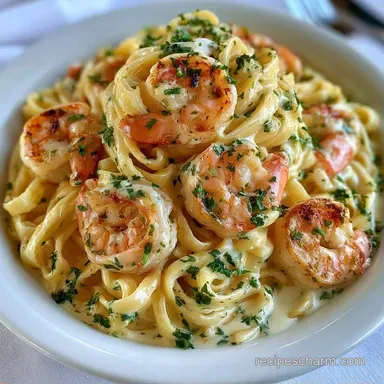
Creamy Garlic Shrimp Pasta: Rich and Savory
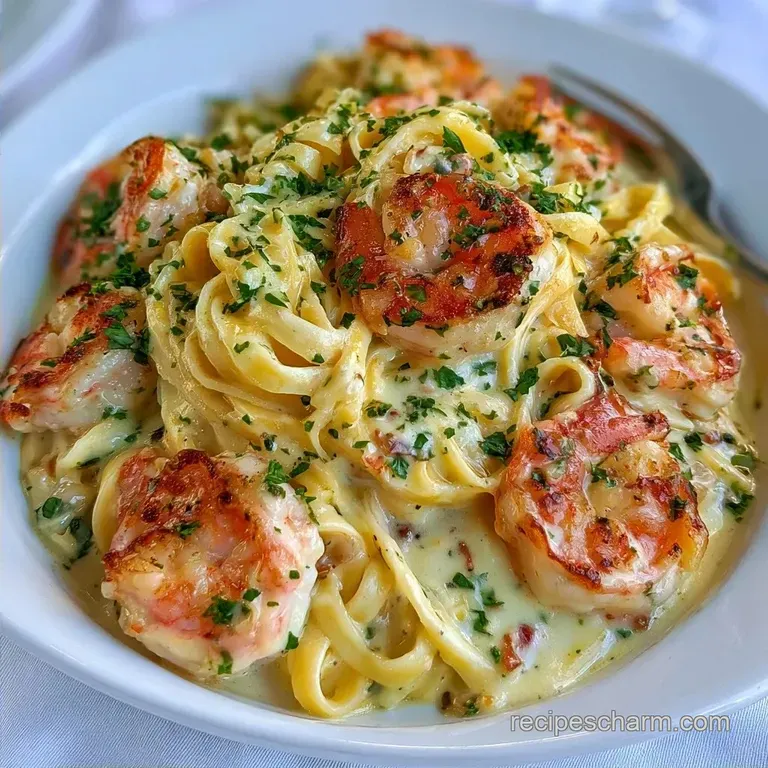
- Time: 10 min active + 15 min cooking
- Flavor/Texture Hook: Rich, buttery sauce with snap fresh shrimp
- Perfect for: Fast weeknight dinner or a simple date night
Ever wonder why restaurant pasta sauces always look so glossy while home versions often separate or look grainy? I used to think it was some fancy equipment, but it actually comes down to how you treat the shrimp and the starch in the water.
I once tried to cook everything in one pot to save on dishes, but the shrimp turned into rubbery little pebbles before the pasta was even soft. Now I stick to a two pan method. It takes a few more minutes, but the difference in texture is massive.
This Creamy Garlic Shrimp Pasta delivers a hearty, flavor packed meal that feels high end but uses basic pantry staples. You'll get a rich, savory base that doesn't overpower the sweetness of the jumbo shrimp.
Why Creamy Garlic Shrimp Pasta Works
- Dry Shrimp: Patting the seafood dry removes surface moisture, which lets them sear and brown in 2 minutes instead of steaming in their own juices.
- Starch Water: Adding a splash of the salty pasta water binds the fat from the butter and cream to the noodles.
- Lemon Finish: Adding citrus at the very end cuts through the heavy parmesan and cream.
| Feature | Fresh Ingredients | Shortcut Versions | Impact |
|---|---|---|---|
| Garlic | Freshly minced | Jarred minced | Fresh has a sharper, punchier bite |
| Parmesan | Freshly grated | Pre shredded | Fresh melts smoother without clumps |
| Shrimp | Fresh/Thawed | Pre cooked | Fresh stays tender and juicy |
What Each Ingredient Does
| Ingredient | What It Does | Best Swap |
|---|---|---|
| Half and half | Creates the creamy base | Heavy cream (richer) or Whole milk (lighter) |
| Parmesan | Adds salt and thickens sauce | Pecorino Romano (saltier/tangier) |
| Lemon Juice | Brightens the heavy fats | White wine or Apple cider vinegar |
| Baby Spinach | Adds color and nutrients | Kale or Frozen peas |
Ingredients and Substitutes
- 1 lb fettuccine Why this? Wide noodles hold the heavy sauce best (Swap: Linguine)
- 1 tbsp salt (for pasta water) (Swap: Kosher salt)
- 1 lb jumbo shrimp, peeled and deveined Why this? Larger shrimp don't overcook as fast (Swap: Scallops)
- 1/2 tsp salt (for shrimp) (Swap: Sea salt)
- 1/4 tsp black pepper (Swap: White pepper)
- 1 tbsp olive oil (Swap: Avocado oil)
- 2 tbsp unsalted butter Why this? Adds a rich, nutty flavor (Swap: Ghee)
- 4 cloves garlic, minced (Swap: 1 tbsp garlic paste)
- 1 cup half and half (Swap: Heavy cream for more thickness)
- 3/4 cup parmesan cheese, freshly grated Why this? Prevents the sauce from breaking (Swap: Asiago)
- 1 tbsp lemon juice (Swap: Lime juice)
- 2 cups baby spinach (Swap: Arugula)
- 1/4 tsp red pepper flakes (Swap: Cayenne pepper)
Bringing It Together
- Bring a large pot of salted water to a rolling boil. Add the pasta and cook according to package directions until al dente. Note: Reserve 1/2 cup of pasta water before draining.
- Pat shrimp completely dry with paper towels. Season with salt and pepper.
- Heat olive oil in a large skillet over medium high heat. Sear shrimp in a single layer for 1-2 minutes per side until pink and opaque, then remove to a plate.
- Lower skillet heat to medium. Melt butter, then add minced garlic and red pepper flakes. Sauté for 60 seconds until fragrant but not brown.
- Pour in the half and half and bring to a gentle simmer for 2-3 minutes.
- Stir in the Parmesan cheese until melted and smooth.
- Fold in fresh spinach and lemon juice, stirring until the spinach wilts.
- Return the seared shrimp and their juices to the pan.
- Add the cooked pasta and toss vigorously.
- Stir in reserved pasta water one tablespoon at a time until the sauce coats the noodles evenly.
Chef's Note: If you want a deeper flavor, try adding a teaspoon of tomato paste when you sauté the garlic. It gives the sauce a subtle golden hue and a bit more body.
Pro Tips and Pitfalls
Dealing with seafood can be tricky because the window between "perfect" and "rubbery" is about 30 seconds. The goal is a quick sear. If you crowd the pan, the shrimp will release water and boil instead of browning. Work in two batches if your skillet is small.
For the sauce, avoid using high heat once the cream is in. If it boils too hard, the fats can separate, leaving you with an oily mess. Keep it at a gentle simmer. If you're looking for a different way to prep your seafood, my sautéed garlic shrimp method works well for appetizers.
Troubleshooting Common Issues
| Issue | Solution |
|---|---|
| Why Your Sauce Clumps | This usually happens because of the cheese. Pre shredded cheese is coated in potato starch to prevent sticking in the bag, which stops it from melting smoothly into the cream. |
| Why Your Shrimp Are Tough | Overcooking is the culprit. Shrimp are done the moment they curl into a "C" shape. If they curl tightly into an "O", they've stayed in the pan too long. |
| Why Your Garlic Is Bitter | Garlic burns fast. If it turns dark brown or black, it becomes bitter and ruins the Creamy Garlic Shrimp Pasta. |
Adjusting the Serving Size
Making a Smaller Batch
For 2 people, halve everything. Use a smaller 10 inch skillet so the sauce doesn't evaporate too quickly. Reduce the simmering time for the cream by about 1 minute, as smaller volumes heat up faster.
Feeding a Crowd
When doubling this recipe, don't double the garlic or red pepper flakes start with 1.5x and taste. Work in batches when searing the shrimp to maintain a high heat. Use your largest pot for the pasta to prevent the noodles from sticking.
If you find yourself making this often, you might also like a quick garlic butter shrimp for those nights when you don't have time for the full pasta process.
Common Kitchen Myths
Many people think you need to "seal" the shrimp to keep them juicy. This is not true. Searing is for flavor and color, not for locking in moisture. In fact, over searing actually dries them out.
Another myth is that you must use heavy cream for a thick sauce. Half and half works perfectly here because the Parmesan cheese provides the necessary thickening power as it melts.
Storage Guidelines
Store any leftover Creamy Garlic Shrimp Pasta in an airtight container in the fridge for up to 3 days. The sauce will thicken significantly as it cools.
To reheat, place the pasta in a skillet over medium low heat. Add a splash of milk or water to loosen the sauce. Avoid the microwave if possible, as it can make the shrimp rubbery and cause the sauce to split.
For zero waste, save the shrimp shells if you bought them whole. Boil them with a bit of onion and celery to make a quick seafood stock for future risottos or soups.
Perfect Complements
Since this dish is quite rich, pair it with something acidic or crisp. A simple arugula salad with a lemon vinaigrette balances the creaminess. Roasted asparagus or steamed broccoli also work well.
If you want a side that's a bit more filling, a toasted baguette is the best way to soak up the extra garlic sauce left on the plate. For those who prefer a different seafood vibe, a lemon garlic shrimp dish is a great alternative for a lighter meal.
Critical Sodium Level
1150 mg 1150 mg of sodium per serving (50% 50% of daily value)
The American Heart Association recommends a daily sodium limit of 2,300 mg, with an ideal limit of 1,500 mg for most adults to reduce cardiovascular risk.
Sodium Reduction Tips for Your Shrimp Fettuccine
-
Omit Pasta Water Salt-30%
Reduce or completely eliminate the 1 tbsp of salt used for boiling the pasta, as much of it is poured away anyway.
-
Season Shrimp Differently-25%
Replace the 1/2 tsp salt on the shrimp with smoked paprika or lemon zest to maintain flavor without the sodium.
-
Reduce Parmesan Cheese-15%
Decrease the parmesan cheese from 3/4 cup to 1/4 cup, as aged cheeses are naturally very high in sodium.
-
Enhance with Aromatics
Increase the garlic and add fresh parsley or extra lemon juice to brighten the dish without adding salt.
Recipe FAQs
How to make shrimp alfredo pasta easily?
Boil pasta and sear shrimp separately before combining them in a butter and parmesan cream sauce. This method ensures the shrimp stay tender while the sauce thickens.
Why are my shrimp tough or rubbery?
You likely overcooked them. Shrimp are done when they curl into a "C" shape; if they curl tightly into an "O," they have stayed in the pan too long.
Can I use pre-shredded parmesan cheese?
No, use freshly grated cheese. Pre-shredded versions are coated in potato starch, which prevents the cheese from melting smoothly into the cream.
How to make a shrimp pasta?
Pat shrimp completely dry and sear them in olive oil over medium high heat. Then, sauté garlic in butter and stir in half and-half and parmesan. For a simpler appetizer version, try our Sautéed Shrimp.
Is it true that garlic should be browned deeply for the best flavor?
No, this is a common misconception. Garlic burns quickly and becomes bitter if it turns dark brown or black, which ruins the sauce.
How to reheat leftover creamy shrimp pasta?
Heat the pasta in a skillet over medium low heat. Add a splash of reserved pasta water to loosen the thickened sauce and avoid the microwave to prevent rubbery shrimp.
How to fix a sauce that is too thick?
Stir in reserved pasta water one tablespoon at a time. This thins the consistency while maintaining a creamy emulsion.
Creamy Garlic Shrimp Pasta