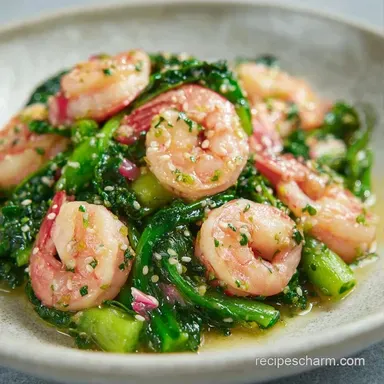
Cantonese Shrimp Vegetable Stir Fry: Velvety Prawns
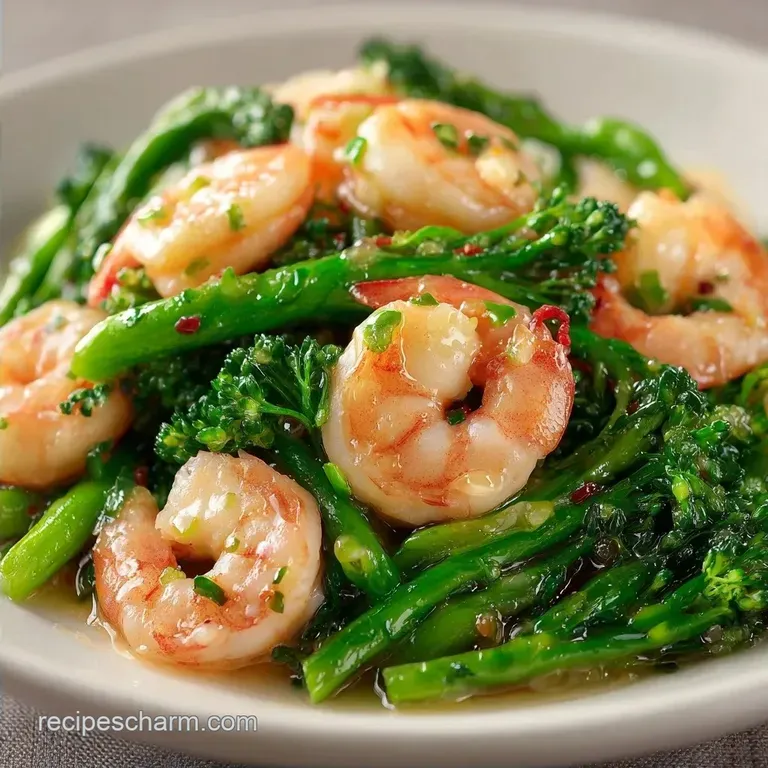
- Time: 15 min prep + 10 min cook
- Flavor/Texture Hook: Savory oyster glaze with crisp tender vegetables
- Perfect for: Busy weeknight family dinner
- Making Cantonese Shrimp Vegetable Stir Fry
- Quick Recipe Specifications
- Shopping and Ingredient Guide
- Essential Cooking Gear
- Simple Step-by-Step Method
- Fixing Common Stir Fry Issues
- Troubleshooting Common Issues
- Easy Flavor Variations
- Saving and Reheating Leftovers
- Perfect Side Dish Pairings
- High in Sodium
- Recipe FAQs
- 📝 Recipe Card
That loud, aggressive sizzle when the shrimp hits the hot oil is the best part of the whole process. I remember the first time I tried this at home, I just threw everything in the pan at once. I ended up with a grey, watery mess of rubbery shrimp and soggy carrots that looked more like a boiled stew than a stir fry.
It was a total disaster, but it taught me that timing is everything in a wok.
Now, this is my go to when the kids are starving and I've only got about 25 minutes to get dinner on the table. It's a hearty meal that doesn't require a ton of cleanup, which is the real win here. You get those bright colors and bold flavors that make it feel like a treat, even on a random Tuesday.
The Cantonese Shrimp Vegetable Stir Fry depends on a few simple tricks. We're talking about "velveting" the shrimp and prepping the sauce in advance so you aren't scrambling while the oil is smoking. Trust me, once you get the rhythm down, you'll realize the hardest part is actually the chopping.
Making Cantonese Shrimp Vegetable Stir Fry
Most people treat stir frying like a sauté, but they're very different. The biggest issue is usually the temperature. If your pan isn't screaming hot, the vegetables release their moisture and steam instead of searing. That's how you get that "boiled" texture.
Another common slip up is overcrowding the pan. When you pile too much in, the temperature drops instantly. The shrimp will release water and simmer in their own juices, which turns them into rubber bands. I always cook the shrimp first, take them out, and then do the veg.
It takes an extra minute, but it's the only way to keep the textures right.
The sauce is where a lot of recipes go wrong by adding too much cornstarch or not enough aromatics. A real Cantonese style sauce should be glossy and cling to the food, not thick like a gravy. By whisking the cornstarch into the stock first, we ensure the glaze is smooth and clear.
The One Step Most People SkipCornstarch Coating: Tossing shrimp in cornstarch and wine creates a thin barrier that locks in moisture and helps the sauce stick.
How the Sauce Stays GlossyCold Slurry: Mixing the starch into cold liquid prevents clumps, allowing it to thicken evenly the second it hits the heat.
Quick Recipe Specifications
Since this is a over high heat dish, the equipment you use changes the outcome. While a wok is traditional, a large stainless steel skillet works if you don't have one. The main goal is surface area and heat retention.
| Method | Time | Texture | Best For |
|---|---|---|---|
| Stovetop Wok | 10 mins | High sear, crisp veg | Authentic texture |
| Stovetop Skillet | 12 mins | Even cook, softer veg | Home kitchens |
| oven roasted Veg | 20 mins | Charred, caramelized | Large crowds |
Right then, let's look at what you'll need. Keep in mind that this recipe is designed to be budget friendly. You don't need the most expensive organic produce to make this taste great.
Shopping and Ingredient Guide
I've found that using frozen shrimp is a great way to save money, just make sure they are fully thawed and patted dry. If they're still icy, they'll drop your pan temperature and ruin the sear.
Ingredient Deep Dive
| Ingredient | What It Does | Best Swap |
|---|---|---|
| Shaoxing Wine | Adds a nutty, fermented depth | Dry Sherry or Vodka |
| Oyster Sauce | Provides salty, savory "umami" | Mushroom Stir Fry Sauce |
| Cornstarch | Thickens the sauce and protects shrimp | Potato Starch |
| Light Soy Sauce | Adds salt and a light brown color | Tamari (for gluten-free) |
Main Ingredients
- 450g large shrimp, peeled and deveinedWhy this? Large shrimp hold their shape better than small ones
- 15ml Shaoxing wine
- 5g cornstarch
- 3g salt
- 1g white pepper
- 5ml vegetable oil
- 120ml chicken stock
- 15ml oyster sauce
- 15ml light soy sauce
- 5g sugar
- 5g cornstarch (for sauce)
- 3ml sesame oil
- 150g broccoli florets
- 100g sliced carrots
- 100g snap peas
- 150g red bell pepper, sliced
- 9g garlic, minced
- 15g fresh ginger, minced
- 30ml neutral oil
If you're looking for something even faster, you might like a zucchini shrimp stir fry which uses fewer ingredients. But for a full family meal, this Cantonese version is the way to go.
Essential Cooking Gear
You don't need a professional kitchen, but a few tools make this way easier. A sharp chef's knife is the most important thing here because uniform vegetable cuts are what prevent some pieces from being raw while others are mush.
- Wok or Large Skillet: Stainless steel or carbon steel is best. Avoid non stick if you want a really high sear.
- Whisk: For getting the cornstarch completely dissolved in the sauce.
- Spatula or Wok Turner: Something that can handle high heat.
- Mixing Bowls: One for the shrimp marinade and one for the sauce.
Simple step-by-step Method
Let's crack on. Make sure all your chopping is done before you even touch the stove. Once the oil starts shimmering, things happen fast.
Phase 1: The Prep & Marinade
- Mix the shrimp with 15ml Shaoxing wine, 5g cornstarch, 3g salt, 1g white pepper, and 5ml oil in a bowl. Toss gently and let it sit for 10-15 minutes. Note: This "velveting" technique is what keeps the shrimp tender.
- Combine 120ml chicken stock, 15ml oyster sauce, 15ml light soy sauce, 5g sugar, 5g cornstarch, and 3ml sesame oil in a small jar. Whisk until the cornstarch is fully dissolved.
- Chop the broccoli, carrots, snap peas, and red pepper into uniform, bite sized pieces.
Phase 2: Searing the Shrimp
- Heat 15ml of neutral oil in your wok over high heat. Wait until the oil shimmers and just begins to smoke.
- Add the shrimp in a single layer. Sear for 1-2 minutes per side until they turn opaque and pink.
- Remove the shrimp immediately from the wok and set them aside on a plate.
Phase 3: The Vegetable Flash Fry
- Add the remaining 15ml of oil to the same wok. Toss in the sliced carrots first since they take the longest.
- Add the broccoli, snap peas, and red bell pepper. Stir fry for 3-4 minutes until the colors are vibrant but the vegetables still have a snap.
- Stir in the minced garlic and ginger. Cook for 30 seconds until you smell the fragrance.
Phase 4: The Final Glaze
- Pour the sauce mixture into the pan. Stir constantly for 1-2 minutes until the sauce bubbles and thickens into a glossy glaze.
- Return the cooked shrimp to the pan. Toss everything together for 30 seconds to coat and heat through.
Fixing Common Stir Fry Issues
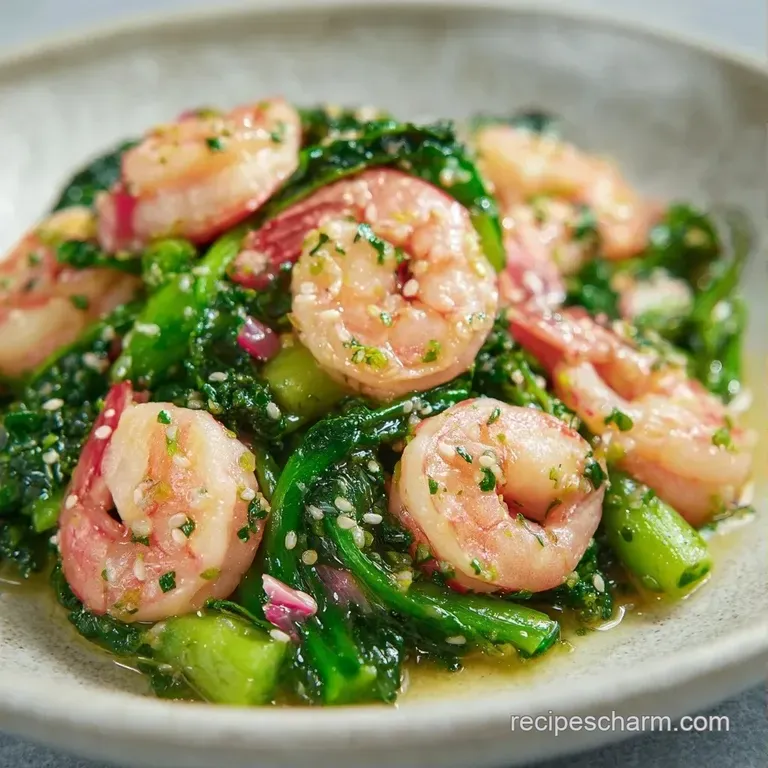
The most frustrating part of this recipe is when the sauce doesn't behave. According to Serious Eats, the key to a great stir fry is maintaining high heat and avoiding moisture buildup.
Troubleshooting Common Issues
| Issue | Solution |
|---|---|
| Why Your Shrimp Get Rubbery | This usually happens because the shrimp were cooked too long or the pan was too crowded. Once they turn pink and form a "C" shape, they're done. If they curl into a tight "O", they're overcooked. |
| Why the Sauce Is Watery | If you don't whisk the cornstarch properly or if you add too many watery vegetables (like raw mushrooms) without searing them first, the sauce won't thicken. |
| Why Vegetables Lose Their Color | Cooking vegetables for too long on medium heat causes them to dump their water. Keep the heat high and the movement fast. |
If you're having trouble with the sauce consistency, you can try a honey garlic shrimp which uses a different thickening method.
Easy Flavor Variations
You don't have to stick to the script. This Cantonese Shrimp Vegetable Stir Fry is a great base for whatever you have in the fridge.
Dietary Swaps
- Low Sodium: Swap light soy sauce for coconut aminos and reduce the salt in the marinade.
- Vegetarian: Replace shrimp with extra firm tofu cubes (press them first to remove water) and use mushroom sauce instead of oyster sauce.
- Extra Heat: Add a tablespoon of chili garlic sauce or a few sliced Thai bird's eye chilies during the aromatic stage.
Flavor Twists
- Cashew Crunch: Toss in a handful of roasted cashews at the very end for a nutty texture.
- Citrus Lift: Squeeze a bit of fresh lime juice over the dish right before serving to cut through the saltiness.
- Bamboo Shoots: Add sliced bamboo shoots with the carrots for a more traditional Cantonese crunch.
Saving and Reheating Leftovers
This dish is best fresh, but it keeps reasonably well. The only issue is that the vegetables can lose their snap after a few days in the fridge.
Storage Guidelines - Fridge: Store in an airtight container for up to 3 days. - Freezer: I don't recommend freezing this. The vegetables turn to mush and the sauce can separate.
Reheating Tips To avoid rubbery shrimp, don't microwave them on high. Instead, use a skillet over medium heat with a splash of water or chicken stock. Cover with a lid for 2 minutes to steam everything back to life, then remove the lid to let the sauce tighten up.
Zero Waste Tips Don't throw away the broccoli stems! Peel the tough outer skin, slice the tender core into thin rounds, and toss them in with the carrots. They have a great crunch and a similar flavor to the florets.
Perfect Side Dish Pairings
Since this Cantonese Shrimp Vegetable Stir Fry has a savory, salty glaze, it needs something neutral to balance it out.
- Steamed Jasmine Rice: The gold standard. It soaks up all that extra oyster sauce.
- Brown Rice or Quinoa: For a nuttier, heartier base that adds more fiber.
- Rice Noodles: Toss the stir fry directly with cooked thin rice noodles for a complete one pot meal.
- Smashed Cucumber Salad: A cold, vinegary cucumber salad provides a refreshing contrast to the hot, savory shrimp.
High in Sodium
840 mg 840 mg of sodium per serving (37% 37% of daily value)
The American Heart Association recommends a limit of 2,300mg of sodium per day for most adults to maintain heart health.
Tips to Reduce Sodium
-
Swap the Broth-30%
Use low-sodium or no-salt added chicken stock instead of regular stock to significantly lower the base sodium level.
-
Omit Added Salt-25%
Remove the ½ tsp of salt from the shrimp marinade; the soy and oyster sauces provide ample salinity.
-
Low-Sodium Soy-20%
Replace light soy sauce with low-sodium soy sauce or coconut aminos to reduce salt without losing the umami flavor.
-
Modify Oyster Sauce-20%
Switch to a reduced sodium oyster sauce or use a smaller amount supplemented with a pinch of mushroom powder.
-
Enhance with Aromatics
Increase the amount of fresh ginger and garlic, or add a squeeze of fresh lime juice to brighten the flavors without adding salt.
Recipe FAQs
How to marinate shrimp to enhance its flavor before stir frying?
Toss shrimp with Shaoxing wine, cornstarch, salt, white pepper, and oil. Let the mixture sit for 10 15 minutes to allow the seasoning to penetrate and create a protective coating.
Can I make this stir fry with a sweet and sour taste?
Yes, by increasing the amount of sugar. While this recipe is designed for a savory Cantonese profile, adding more sugar will shift the balance toward a sweeter taste.
What sauce can I cook in the frying pan with shrimp?
Use a blend of chicken stock, oyster sauce, light soy sauce, sugar, cornstarch, and sesame oil. Whisk these ingredients in a small jar until the cornstarch is fully dissolved before adding it to the heat.
What's the best way to make stir fried shrimp with vegetables?
Sear the shrimp first and remove them from the wok. This ensures the shrimp stay tender while the carrots and other vegetables cook through over high heat without overcooking the seafood.
Is it true that shrimp should be cooked until they curl into a tight "O" shape?
No, this is a common misconception. Shrimp are perfectly cooked when they form a "C" shape; a tight "O" indicates they are overcooked and will be rubbery.
What vegetables can be served with these garlic ginger shrimp?
Use broccoli florets, sliced carrots, snap peas, and red bell pepper. These provide a crisp texture and vibrant color; if you enjoyed mastering this vegetable sear, apply the same technique to our pan fried shrimp.
Why did my stir fry sauce turn out watery?
The cornstarch was likely not whisked properly into the sauce. Ensure the cornstarch is fully dissolved before adding it to the pan to guarantee a thick, glossy glaze.
Cantonese Shrimp Vegetable Stir Fry