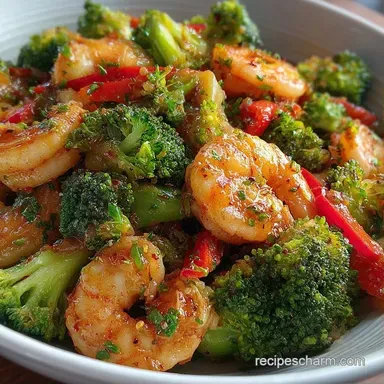
Shrimp Veggie Skillet: One-Pan Dinner
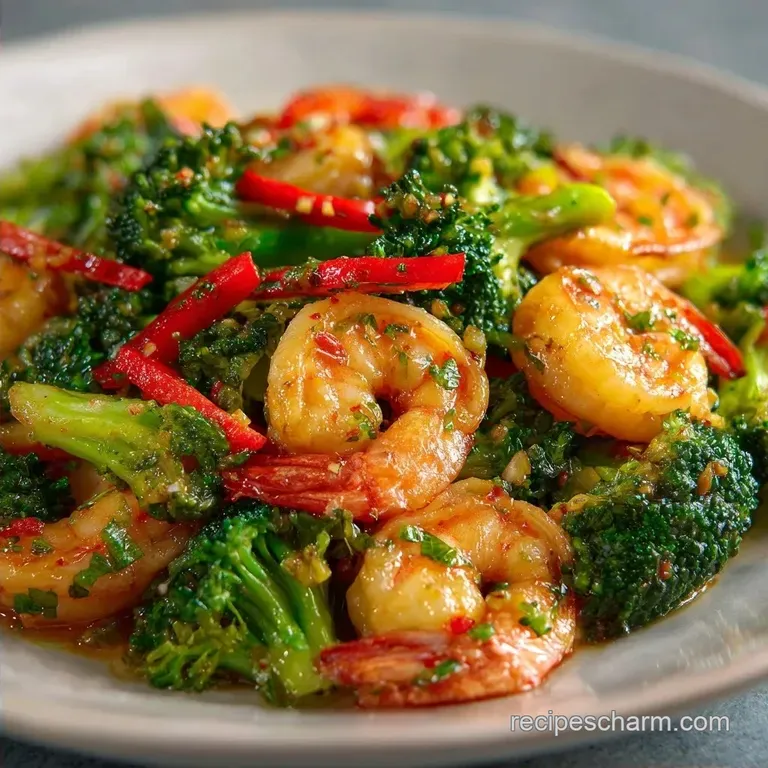
- Time: 15 min active + 15 min cook
- Flavor/Texture Hook: Crisp tender veggies and snap fresh shrimp
- Perfect for: Busy weeknight family dinners
That sharp sizzle when the shrimp hits the hot oil is my favorite part of this meal. There's something about that sound that tells me dinner is actually going to happen on time for once. I usually make this on Tuesdays when the house is chaotic and I need something that feels healthy but tastes like a treat.
I've had my share of soggy stir fries in the past, usually from crowding the pan too much. This Shrimp Veggie Skillet avoids that by handling the protein and veg separately. You get a browned crust on the shrimp and a bright pop of color from the peppers.
It's a straightforward process that doesn't require fancy gear. You'll get a dish that's savory, slightly sweet, and ready in half an hour. Let's crack on with the details.
Why High Heat Changes Everything
The logic here is all about timing and temperature. If you cook everything together, the shrimp turn into rubber bands before the carrots even soften.
High Heat: Searing the shrimp quickly browns the exterior without overcooking the center. This creates a charred crust that helps the sauce cling better.
Staged Cooking: Adding the hard veggies like broccoli first ensures everything finishes at the same time. It prevents the snap peas from turning into mush while you wait for the carrots to cook.
The Cornstarch Trick: Whisking cornstarch into the cold sauce prevents clumps. Once it hits the hot pan, it gelatinizes instantly to create a silky coating.
| Veggie Source | Texture Impact | Prep Time | Cost Savings |
|---|---|---|---|
| Fresh Hand Cut | Maximum crunch | 15 minutes | Base cost |
| Frozen Blend | Softer, more moist | 5 minutes | Save $2-3 |
| Pre cut Bagged | Consistent bite | 2 minutes | Save 10 mins |
The Essential Recipe Specs
Right then, let's look at what we're working. This Shrimp Veggie Skillet is designed for a standard family dinner, providing four solid portions.
The goal is a balance of protein and fiber. By using a variety of peppers and snap peas, you get different textures in every bite. The lime juice is the unsung hero here, as it cuts through the saltiness of the soy sauce.
Your Core Building Blocks
Here is what you'll need to get this on the table. I prefer using a large cast iron or stainless steel skillet because they hold heat better than non stick.
| Ingredient | What It Does | Best Swap |
|---|---|---|
| Cornstarch | Thickens sauce for a gloss | Arrowroot powder |
| Honey | Balances salt with sweetness | Maple syrup |
| Lime Juice | Adds brightness and acidity | Rice vinegar |
The Main List:
- 1 lb large shrimp, peeled and deveinedWhy this? Large shrimp hold their shape better during searing
- 1 tbsp olive oil
- 1/2 tsp salt
- 1/4 tsp black pepper
- 2 cups broccoli florets, bite sized
- 1 red bell pepper, sliced into strips
- 1 yellow bell pepper, sliced into strips
- 1 cup sliced carrots
- 1 cup snap peas
- 3 cloves garlic, minced
- 1 tbsp sesame oilWhy this? Adds a distinct nutty aroma
- 1/4 cup soy sauce
- 1 tbsp honey
- 1 tbsp fresh lime juice
- 1 tsp freshly grated ginger
- 1 tsp cornstarch
- 1/2 tsp red pepper flakes
The Necessary Equipment
You don't need a professional kitchen for this, just a few basics. A 12 inch skillet is the way to go. If your pan is too small, the vegetables will steam instead of sear, and you'll lose that charred edge.
I use a simple whisk for the sauce, but a fork works just as well. A sturdy spatula is essential for tossing the veggies without breaking the broccoli florets. If you're using frozen shrimp, make sure to pat them dry with paper towels before they hit the oil.
The step by step Process
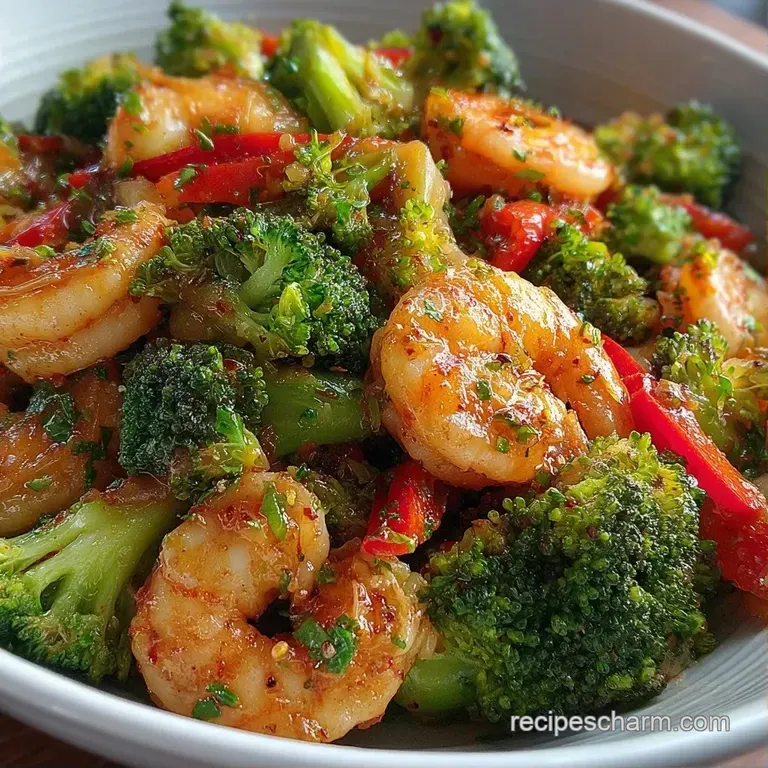
Let's get moving. The key here is the flow - have your sauce mixed and your veggies chopped before you even turn on the stove.
- Whisk the soy sauce, honey, lime juice, ginger, cornstarch, and red pepper flakes in a small bowl. Note: Stir until the cornstarch disappears completely.
- Heat olive oil in the skillet over medium high heat until the oil shimmers.
- Add shrimp in a single layer, season with salt and pepper, and sear 2 minutes per side until opaque pink.
- Remove shrimp to a plate and set aside.
- Add sesame oil to the same pan.
- Toss in carrots and broccoli, cooking for 3–4 minutes until they turn bright green.
- Add bell peppers and snap peas, stirring for another 3 minutes until edges look slightly charred.
- Stir in minced garlic for the final 30 seconds until fragrant.
- Return the cooked shrimp and any juices to the skillet.
- Pour the sauce over the mixture and toss for 1-2 minutes until the glaze is thick and glossy.
The Troubleshooting Guide
Even with a simple Shrimp Veggie Skillet, things can go sideways. Usually, it comes down to heat management or pan volume. If you find your sauce isn't coating the ingredients properly, you might need a bit more reduction time. If the flavor feels flat, you can try the base from my Garlic Shrimp Sauce for a punchier profile.
| Issue | Solution |
|---|---|
| Why are my shrimp rubbery | This happens when the shrimp stay in the pan too long. They cook incredibly fast. As soon as they turn from translucent to pink, get them out of there. |
| Skillet leaking water | This is usually caused by overcrowding the pan. When too many cold vegetables hit the surface, the temperature drops and they release moisture. |
| Why is the sauce too thin | Either the cornstarch didn't dissolve or the pan wasn't hot enough when the sauce was added. The sauce needs to bubble to activate the thickening power of the starch. |
How To Make It Your Own
This recipe is a great base, but you can easily swap things out based on what's in your crisper drawer. I often toss in some sliced water chestnuts for an extra crunch. If you want something even faster, my Zucchini Shrimp Stir Fry is a great alternative that uses fewer ingredients.
Protein Tweaks:
- Tofu: Press extra firm tofu, cube it, and sear it exactly like the shrimp.
- Chicken: Slice breasts into thin strips. Give them 3-4 minutes per side instead of 2.
- Beef: Use flank steak, but sear it on very high heat for only 1 minute per side.
Vegetable Variations: - Asian Blend: Swap the peppers for bok choy and baby corn. - Low Carb: Skip the carrots and add extra broccoli or cauliflower.
Scaling Your Meal: - For Two: Cut everything in half. Use a smaller 8 inch or 10 inch pan so the oil stays hot. - For a Crowd: Double the ingredients but only increase the salt and red pepper flakes by 1.5x.
Most importantly, sear the shrimp and sauté the veg in batches. If you dump 2 lbs of shrimp in one pan, they'll boil in their own juices instead of searing.
Decision Shortcut:
- If you want more heat → double the red pepper flakes.
- If you want it tangier → add an extra squeeze of lime at the end.
- If you want a heartier meal → serve this Shrimp Veggie Skillet over jasmine rice.
Smart Preservation Secrets
Leftovers are great, but shrimp can get tough if you microwave them on high. For the best results, store this in an airtight glass container in the fridge for up to 3 days.
To reheat, I suggest putting a small splash of water or broth in the pan and heating it over medium heat. This steams the shrimp back to life rather than drying them out. According to Food Safety guidelines, make sure the food reaches an internal temperature of 165°F when reheating.
I don't recommend freezing this particular dish. The broccoli and bell peppers lose their structure and become mushy once thawed.
Zero Waste Tips:
- Pepper Stems: Don't toss the pepper tops; throw them in a freezer bag for your next vegetable stock.
- Ginger Scraps: Keep your ginger root in the freezer. It actually grates easier when frozen and lasts for months.
- Lime Rinds: Zest the lime before juicing it and add the zest to the final toss for a more intense citrus punch.
Simple Presentation Tips
You eat with your eyes first, and a one pan meal can sometimes look like a jumble. A few simple touches make this Shrimp Veggie Skillet look like it came from a restaurant.
Start by using a wide, shallow bowl. Pile the vegetables in the center and nestle the shrimp on top so they're visible. This prevents the shrimp from getting lost in the greens.
Final Garnish Ideas:
- Toasted Sesame Seeds: A sprinkle of white and black seeds adds a professional look.
- Sliced Green Onions: Cut them on a sharp bias (diagonally) for a cleaner appearance.
- Fresh Cilantro: A few leaves on top add a pop of bright green and a fresh herbal note.
If you're serving this as a family style meal, put the skillet right in the middle of the table on a wooden trivet. It keeps the food warm and looks rustic and inviting. Just remember to wipe the rim of the pan before serving so there are no messy drips.
High in Sodium
910 mg 910 mg of sodium per serving (40% 40% of daily value)
The American Heart Association recommends a limit of 2,300 mg of sodium per day, and an ideal limit of no more than 1,500 mg for most adults to reduce the risk of cardiovascular disease.
Tips to Reduce Sodium
-
Swap the Soy Sauce-30%
Replace regular soy sauce with low-sodium soy sauce or coconut aminos to drastically lower the primary sodium source.
-
Eliminate Added Salt-25%
Remove the 1/2 tsp of salt completely; the soy sauce already provides enough saltiness for the shrimp and vegetables.
-
Increase Fresh Acidity-10%
Double the fresh lime juice to brighten the flavors, which tricks the palate into needing less salt.
-
Enhance Aromatics
Increase the amount of freshly grated ginger and minced garlic to add complexity and punch without adding any sodium.
Recipe FAQs
How long does it take to prepare the speedy shrimp and veggie skillet?
30 minutes total. This includes 15 minutes of active preparation and 15 minutes of cooking time.
Can I use frozen shrimp in this recipe?
Yes, provided they are fully thawed. Pat them dry with paper towels before searing to prevent them from steaming in the pan.
What vegetables work best in the skillet?
Broccoli, bell peppers, carrots, and snap peas. These specific vegetables hold their structure well under high heat.
Is this dish suitable for meal prep?
Yes, it is an excellent option. Store in airtight containers and reheat gently to keep the vegetables crisp.
How can I increase the spiciness of the dish?
Add more red pepper flakes. Whisk extra flakes into the sauce before pouring it into the pan to increase the heat.
How to marinate shrimp to enhance its flavor before stir frying?
Toss the shrimp in a small portion of the whisked sauce. Let them sit for 15 minutes before searing to deepen the flavor.
What can I serve alongside the shrimp and veggie skillet?
Serve with additional lime wedges. If you mastered the staged cooking method here, apply the same principle to our easy shrimp stir fry for consistent texture.
Shrimp Veggie Skillet