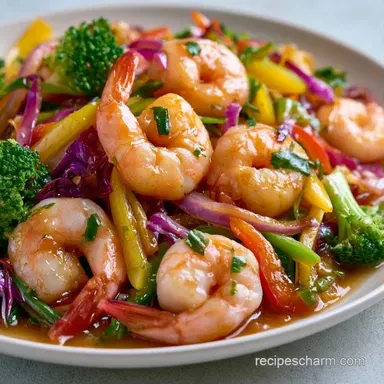
Spicy Shrimp Vegetable Stir Fry: Glossy and Crisp
- Time: 10 min active + 15 min cook
- Flavor/Texture Hook: Spicy, glossy glaze with tender crisp vegetables
- Perfect for: Weeknight family dinner or healthy meal prep
- Spicy Shrimp Vegetable Stir Fry
- The Truth About Stir Frying
- What Each Ingredient Does
- Tools for the Job
- The Cooking Process
- Fixing Common Stir Fry Issues
- Troubleshooting Common Issues
- Flavor and Protein Swaps
- Scaling the Recipe
- Stir Fry Truths
- Storage and Waste Tips
- Serving and Plating Tips
- Critical in Sodium
- Recipe FAQs
- 📝 Recipe Card
That loud, aggressive hiss when the shrimp hit the hot oil is the best part. My kitchen smells like a takeout joint in seconds, and that's when I know dinner is actually happening.
I used to overcook my shrimp every single time. They'd turn into rubber bands that bounced around the pan, and the broccoli would get mushy. It took some trial and error with the heat and the timing to realize that the order of operations is everything in a wok.
This Spicy Shrimp Vegetable Stir Fry is my go to because it's a one pan win. You get the heat from the Sriracha, the sweetness from the honey, and a huge hit of vegetables that actually stay crunchy. It's hearty enough for the kids but has enough kick for the adults.
Spicy Shrimp Vegetable Stir Fry
Right then, let's get into how to handle this. The biggest hurdle for most home cooks is the "soggy veg" syndrome. This happens when the pan isn't hot enough or you crowd the ingredients. We're going to avoid that by searing in batches and keeping the flame high.
If you're looking for a different vibe, my honey sriracha shrimp is a bit sweeter and great for those who want less heat. But for a full meal with all the greens, this is the way to go.
The Truth About Stir Frying
Trust me on this, the heat is your best friend. If the oil isn't shimmering, your vegetables will just boil in their own juices.
High Heat: Searing the shrimp and veg quickly prevents water from leaking out, keeping textures crisp. Cornstarch Slurry: Mixing the starch with cold liquids first prevents clumps and creates a silky sauce.
| Method | Time | Texture | Best For |
|---|---|---|---|
| Stovetop Wok | 25 mins | Crisp & Charred | High heat, fast meals |
| Sheet Pan | 45 mins | Roasted & Soft | Hands off cooking |
| Steamer | 30 mins | Tender & Mild | low fat, subtle flavor |
What Each Ingredient Does
I don't believe in using ingredients just for the sake of it. Everything here has a job to do to make this Spicy Shrimp Vegetable Stir Fry work.
| Ingredient | What It Does | Best Swap |
|---|---|---|
| Low sodium Soy Sauce | Adds salt and deep umami | Tamari (for gluten-free) |
| Cornstarch | Thickens the sauce into a glaze | Arrowroot powder |
| Sriracha | Provides a vinegary heat | Sambal Oelek |
| Avocado Oil | Withstands high heat without smoking | Grapeseed oil |
Tools for the Job
You don't need a professional kitchen, but a few specific tools make this easier. A wide wok is the gold standard because the sloped sides allow you to toss food without it flying across the room. If you don't have one, a large cast iron skillet works great.
For the prep, a sharp chef's knife is non negotiable. You want your carrots and peppers sliced thinly and uniformly. If one piece is thick and another is thin, they won't cook at the same rate, and you'll end up with some raw bits and some mush.
The Cooking Process
Let's crack on. The goal here is to move fast once the heat is on. Have everything chopped and your sauce whisked before you even touch the stove.
Phase 1: The Flavor Base
Whisk together the soy sauce, honey, Sriracha, rice vinegar, sesame oil, and cornstarch in a small bowl. Stir until the cornstarch vanishes into the liquid. Note: This prevents the sauce from having white lumps once it hits the pan.
Phase 2: Searing the Protein
Heat 1 tbsp of avocado oil in your wok or skillet over medium high heat. Season the shrimp with salt and pepper. Add them to the pan in a single layer and sear for 1-2 minutes per side until they are pink and opaque. Transfer the shrimp to a plate immediately so they don't overcook.
Phase 3: The Vegetable Sequence
Add the remaining 1 tbsp of oil to the same pan. Toss in the carrots and broccoli first. Stir fry for about 3 minutes until they start to soften but still have a snap. Add the red bell pepper and snap peas, cooking for another 2-3 minutes.
Stir in the minced garlic and grated ginger. Cook for 30-60 seconds until you can smell the aromatics. If you add these too early, the garlic will burn and taste bitter.
Phase 4: The Final Glaze
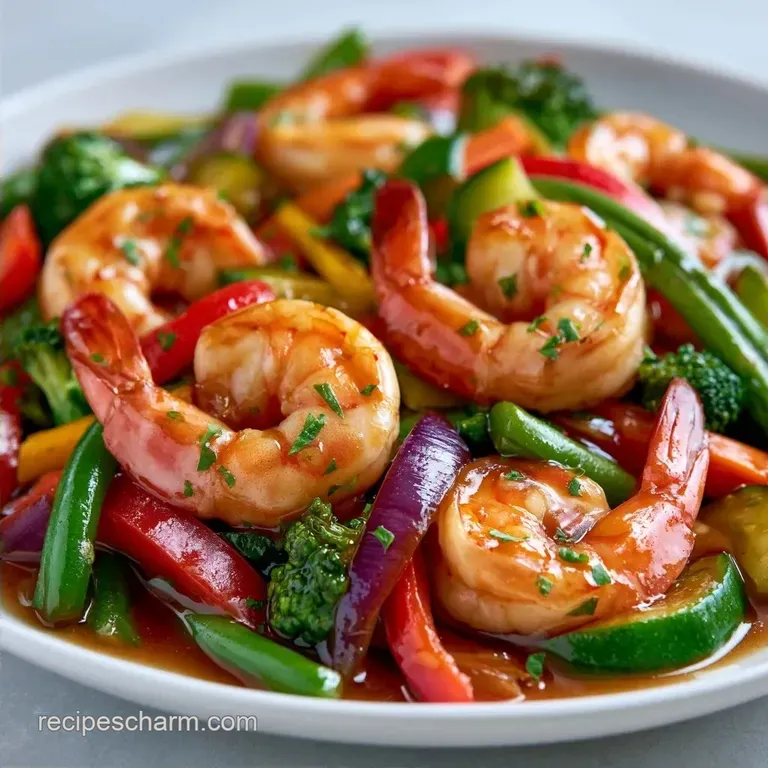
Return the seared shrimp to the pan. Pour the spicy sauce over the whole mixture. Toss everything constantly for 1-2 minutes until the sauce thickens into a mahogany glaze that coats every piece of shrimp and veg.
Garnish with toasted sesame seeds and sliced green onions.
Fixing Common Stir Fry Issues
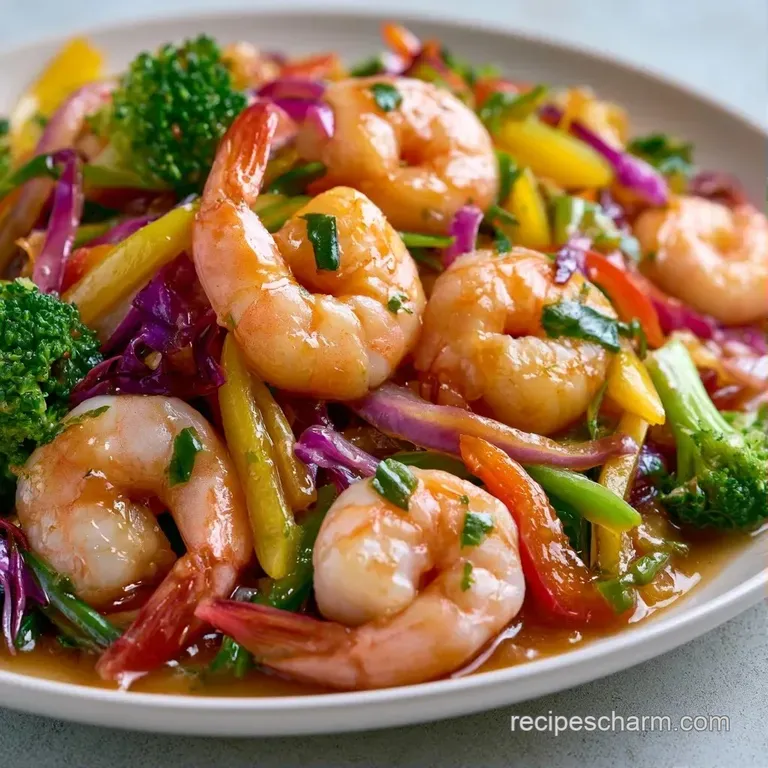
The most common complaint with this dish is the texture. Either the shrimp get rubbery or the vegetables get limp. Most of the time, it's a temperature issue.
Troubleshooting Common Issues
| Issue | Solution |
|---|---|
| Why Your Shrimp Get Rubbery | Shrimp cook incredibly fast. If you leave them in the pan while the vegetables are cooking, they will shrink and toughen. Always remove them after the first sear. |
| Why Your Vegetables Get Soggy | Overcrowding the pan drops the temperature instantly. If the pan cools down, the vegetables release water and steam instead of searing. Work in batches if your pan is small. |
| Why Your Sauce Stays Watery | This usually happens if the sauce wasn't whisked well or the pan wasn't hot enough to activate the cornstarch. Make sure the sauce bubbles for at least a minute to thicken. |
Flavor and Protein Swaps
If you're tired of shrimp, this base works for almost any protein. Just keep in mind that beef or chicken will need more time to cook than shrimp. For a lighter version, you can try a zucchini shrimp stir fry which swaps some of the heavier veg for zucchini.
Decision Shortcut:
- If you want more heat, add a teaspoon of red pepper flakes with the ginger.
- If you want a heartier meal, serve this over brown rice or thick udon noodles.
- If you're avoiding soy, use coconut aminos for a slightly sweeter, saltier finish.
Protein Alternatives:
- Chicken Breast: Slice into thin strips and sear for 4-5 minutes per side.
- Tofu: Press firmly to remove water, cube, and sear until golden before adding veg.
- Beef Flank: Slice against the grain and sear quickly on very high heat.
Scaling the Recipe
When you're cooking for a crowd, don't just double everything in one pan. You'll end up with a steamed mess.
Scaling Down (Half Batch): Use a smaller skillet to keep the heat concentrated. Reduce the cooking time for vegetables by about 20% since there's less mass in the pan.
Scaling Up (Double Batch): Cook the shrimp in two separate batches. Do the same for the vegetables. Only combine everything at the very end when adding the sauce. I recommend increasing the salt and spices to only 1.5x rather than a full 2x, then tasting at the end.
Stir Fry Truths
You might have heard that searing meat "locks in the juices." That's actually a myth. Searing creates a crust that adds a ton of flavor, but it doesn't stop moisture from leaving the meat. The key to juicy shrimp is simply not overcooking them.
Another common misconception is that you need a specialized wok burner to get a good stir fry. While those are great, a heavy cast iron skillet on a standard stove holds heat just as well for home sized portions.
Storage and Waste Tips
This dish keeps well, though the vegetables will lose some of their crunch. Store leftovers in an airtight container in the fridge for up to 3 days.
Reheating for Texture: Avoid the microwave if you can. Instead, toss the leftovers in a hot pan with a teaspoon of water or oil for 2 minutes. This brings back the glaze's gloss and warms the shrimp without turning them into rubber.
Freezer Warning: I don't recommend freezing this recipe. The cell walls of the broccoli and snap peas break down during freezing, meaning they'll be mushy when thawed.
Zero Waste Tips: Don't toss those broccoli stems. Peel the woody outer layer, slice the tender inside into thin rounds, and toss them in with the carrots. They have a great crunch and a mild flavor. Save your ginger scraps in the freezer to throw into a vegetable stock later.
Serving and Plating Tips
For a look that feels a bit more polished, use a wide, shallow bowl rather than a deep plate. This keeps the sauce from pooling at the bottom and prevents the vegetables from getting soggy under the weight of the shrimp.
Pile the vegetables first, then nestle the shrimp on top so they stay visible. A final sprinkle of green onions adds a pop of color that breaks up the deep brown of the glaze.
The Perfect Pairing: This dish is quite bold, so it pairs well with something neutral. Steamed jasmine rice or a simple side of sautéed bok choy balances the heat perfectly. If you want a completely different flavor profile for your next shrimp night, try a garlic shrimp pan sauce for a more buttery, savory experience.
Critical in Sodium
1500 mg 1,500 mg of sodium per serving (65% 65% of daily value)
The American Heart Association recommends a daily sodium limit of no more than 2,300 mg, with an ideal limit of 1,500 mg for most adults to reduce cardiovascular risk.
Tips to Reduce Sodium
-
Swap Soy Sauce-30%
Replace the low-sodium soy sauce with coconut aminos, which provides a similar umami flavor with significantly less sodium.
-
Omit Added Salt-25%
Completely remove the 1/2 tsp of salt; the sauces already provide enough salinity to season the shrimp and vegetables.
-
Modify Sriracha-15%
Substitute Sriracha with fresh diced bird's eye chilies or red pepper flakes to keep the heat without the added salt.
-
Enhance with Acid-10%
Add a squeeze of fresh lime or lemon juice at the end to brighten the dish, which tricks the palate into needing less salt.
-
Boost Aromatics
Increase the amount of fresh ginger and minced garlic to add depth and complexity to the sauce without adding sodium.
Recipe FAQs
How do I season shrimp for the best flavor in this stir fry?
Season with salt and pepper immediately before cooking. This simple step ensures the shrimp are flavorful without drawing out too much moisture before they hit the hot oil.
Does this recipe have a sweet and sour flavor profile?
Yes, the combination of honey and rice vinegar provides a balanced sweet and tart taste. The Sriracha adds a spicy kick that complements the mahogany glaze.
What is the best way to prevent shrimp from becoming rubbery?
Sear the shrimp first and remove them from the pan immediately. Only return them at the very end once the sauce thickens to ensure they stay tender. If you enjoyed this technique of timing protein, see how the same principle works in our garlic shrimp.
Which vegetables work best for a spicy shrimp stir fry?
Use a mix of broccoli, carrots, red bell pepper, and snap peas. These specific vegetables provide a variety of textures and hold up well to high heat stir frying without becoming mushy.
What ingredients make up the sauce for this dish?
Whisk together soy sauce, honey, Sriracha, rice vinegar, sesame oil, and cornstarch. The cornstarch is essential for creating the thick, glossy glaze that coats the ingredients evenly.
How to sauté shrimp quickly for a stir fry?
Heat avocado oil over medium high heat until shimmering. Place the seasoned shrimp in a single layer and sear for 1 2 minutes per side until they are pink and opaque.
Is it true that adding more vegetables to the pan makes them cook faster?
No, this is a common misconception. Overcrowding the pan drops the temperature instantly, which causes vegetables to steam and get soggy instead of searing.
Spicy Shrimp Vegetable Stir Fry