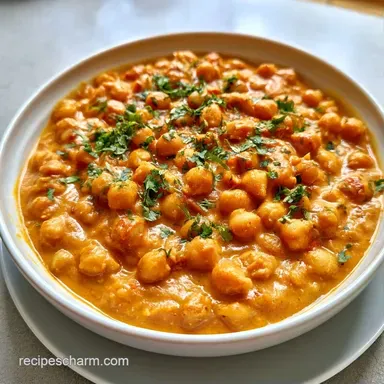
High Protein Chickpea Curry One-Pot
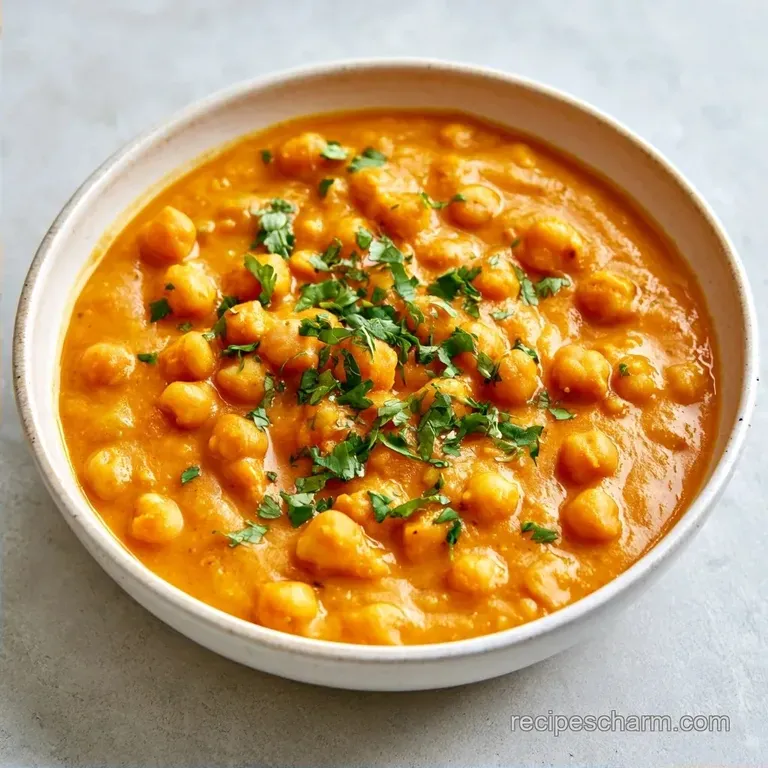
- Prep/Cook: 10 min active + 20 min cook
- Taste & Texture: Creamy and rich with a zesty lime finish and toasted spices
- Best for: Mid-week meal prep or a comforting vegan meal
There is something magical about the smell of cumin and turmeric sizzling in oil an earthy, toasted aroma that makes a whole house feel inviting. In the past, my version of this was essentially chickpeas floating in coconut milk, which felt more like a bean soup than a curry.
It lacked that dense, clingy consistency found in authentic restaurant dishes.
I began experimenting with "legume stacking," a fancy term for simply adding red lentils to the pot. These lentils melt into the sauce, creating a thick and luxurious base. This High Protein Chickpea Curry isn't just more flavorful; it's also significantly more filling.
You can look forward to a dish that is savory, protein dense, and brightened by a squeeze of lime. The process is easy, but a couple of small adjustments to how the spices are treated make all the difference in the end.
Making a High Protein Chickpea Curry
| Goal | What to change |
|---|---|
| More Heat | Add 1/2 tsp cayenne |
| Lower Calorie | Use light coconut milk |
| Extra Veggies | Stir in diced carrots |
Right then, let's look at what we're working. This recipe is designed for efficiency, getting everything done in one pot so you aren't scrubbing dishes for an hour.
Deep Dive Into Ingredients
| Ingredient | What It Does | Best Swap |
|---|---|---|
| Red Lentils | Thicken sauce & add protein | Yellow split peas (cook longer) |
| Coconut Milk | Adds creaminess and fat | Cashew cream |
| Chickpeas | Provides main texture/bulk | Cannellini beans |
| Curry Powder | Base flavor profile | Garam Masala |
The red lentils are the real workhorse here. While the chickpeas provide the bite, the lentils break down completely during the 15 minute simmer. This creates a thick, velvety base that carries the spices better than just using coconut milk alone.
Tools You'll Need
Standard kitchen tools are all you need. A deep skillet or a large pot is ideal. My go-to is a Dutch oven for its consistent heat distribution, though any heavy bottomed vessel works. Grab a sharp knife for the aromatics and a strong spoon for mixing.
This High Protein Chickpea Curry is an excellent choice for meal prepping in glass containers. If you want a different protein option, check out my Ground Beef Bowl meal prep, which follows a similar one-pot approach.
Steps From Prep to Plate
Phase 1: Building the Base
Warm 1 tbsp coconut oil over medium heat. Sauté the diced onion for 5–7 minutes until it becomes translucent and slightly golden. Stir in the minced garlic and grated ginger, cooking for 60 seconds until the aromatics are fragrant.
Phase 2: Toasting the Spices
Stir in 1 tbsp curry powder, 1 tsp turmeric, 1 tsp cumin, ½ tsp chili powder, and 1 tsp salt. Mix constantly for 1 minute until the spices smell toasted. This "blooming" method activates the oils in the spices, which provides the deep flavor.
Phase 3: The Simmer
Add 2 cans of chickpeas, ½ cup dry red lentils, 1 can of diced tomatoes, and 1 cup vegetable broth. Bring the mixture to a gentle boil, then lower the heat. Cover and simmer for 15 minutes until the lentils have softened and the liquid has thickened.
Phase 4: The Final Touch
Mix in 1 can of full fat coconut milk and simmer for 2–3 minutes. Fold in 2 cups of baby spinach, stirring until the leaves are just wilted. Remove from heat and stir in 1 tbsp lime juice. Garnish with ½ cup chopped fresh cilantro.
Why This Version Works
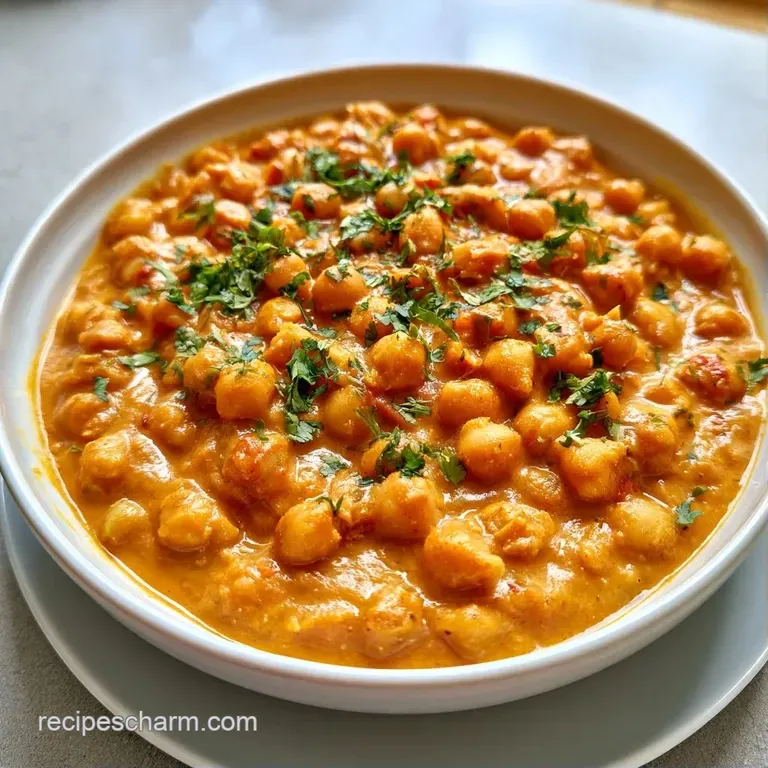
I've noticed a lot of vegan curries end up watery. The trick here is using dry red lentils as a natural thickener.
Lentil Breakdown: Red lentils dissolve as they cook, releasing starches that bind the water and fat together. This creates a thick sauce without needing a flour based roux.
Spice Blooming: Frying the spices in coconut oil for 60 seconds before adding liquids extracts fat soluble flavor compounds. This stops the curry from tasting like "raw" powder.
Fixing Common Curry Issues
Dealing with Excess Heat
If you accidentally went too heavy on the chili powder, don't panic. Stir in an extra tablespoon of coconut milk or a tiny pinch of sugar. The fats in the coconut milk bind to the capsaicin, neutralizing the burn on your tongue.
Fixing Thin Sauce
If the sauce is still too runny after 15 minutes, it's usually because the lentils didn't break down enough. Simmer uncovered for another 5 minutes to let the liquid reduce. You can also mash a few of the chickpeas against the side of the pot with your spoon to release more starch.
Handling Bitter Spices
A bitter taste usually means the turmeric or curry powder scorched in the oil. Next time, make sure the heat is medium low when adding the spices and keep them moving. For the current batch, a squeeze of extra lime juice or a splash of coconut milk helps mask the bitterness.
Preventing Brown Spinach
Adding spinach at the very end is key. If you boil it for too long, it loses its bright green color and becomes slimy. Fold it in just before removing the pot from the heat so it stays vibrant.
Storage and Reheating Tips
This High Protein Chickpea Curry is even more delicious the following day, as the flavors deepen while chilling. Keep it refrigerated in a sealed container for as long as 4 days.
Reheat the curry on the stove over medium low heat. Should the sauce become too thick (as lentils tend to absorb more liquid), simply stir in a bit of water or vegetable broth to restore the consistency.
This meal is also freezer friendly and remains fresh for around 3 months. For the best results, thaw it in the refrigerator overnight before reheating. Note that while the spinach may soften slightly after freezing, the flavor remains unchanged.
To minimize waste, shake your coconut milk can and scrape out the remaining cream to use in your morning coffee. You can also finely chop any leftover cilantro stems and sauté them with the onions at the beginning to add extra richness.
Creative Twists and Swaps
This recipe is highly versatile and easy to adapt. For a lighter, fresher meal, pair it with a Vegan Buddha Bowl and a drizzle of tahini sauce.
| Original Ingredient | Substitute | Why It Works |
|---|---|---|
| Coconut Oil | Olive Oil | Neutral fat, though you lose the coconut aroma |
| Vegetable Broth | Water + Salt | Works in a pinch, but lacks depth |
| Baby Spinach | Kale | Heartier greens; add them 5 mins earlier |
| Lime Juice | Lemon Juice | Similar acidity, slightly different citrus note |
To introduce a nuttier profile, whisk in a tablespoon of almond butter right before serving. This creates an earthy richness that complements the turmeric. If you prefer a more traditional Indian flavor, replace the curry powder with a combination of coriander and garam masala.
To boost the protein content, fold in cubed seitan or tofu during the last few minutes of simmering. This makes the High Protein Chickpea Curry even more substantial and satisfying.
Serving and Presentation
To make this look like something from a cafe, don't just plop it in a bowl. Start with a base of basmati rice or warm naan bread. Ladle the curry in the center and leave a little room around the edges.
Add a swirl of coconut cream on top using a spoon. This creates a visual contrast against the deep orange of the sauce. Top with a generous handful of fresh cilantro and a few thin slices of fresh red chili if you like the look (and heat) of it.
Serving this in a shallow bowl helps the sauce stay warm longer. If you're hosting, placing the pot in the center of the table with a side of sliced cucumbers and red onions adds a fresh, crunchy element that cuts through the richness of the coconut milk.
One final tip: serve it with a wedge of lime on the side. Let your guests squeeze their own juice over the top. The fresh acid hits the nose first and makes the whole High Protein Chickpea Curry feel lighter and more vibrant.
Recipe FAQs
How to make this curry even higher in protein?
Increase the amount of red lentils. Adding a few extra tablespoons of lentils boosts the protein density without altering the core flavor profile.
Are chickpeas actually high in protein?
Yes, they are a powerhouse for plant based protein. They provide significant satiety and essential amino acids per serving.
What mistakes lead to a watery sauce?
Rushing the simmer step. The red lentils require a full 15 minutes to soften and naturally thicken the base.
Is it true that canned chickpeas need to be soaked?
False. They are already cooked; simply drain and rinse them before adding to the pot.
Which curry is best for high protein?
This combination of chickpeas and lentils is ideal. If you enjoyed the protein packing logic of combined legumes here, see how a similar approach to filling density works in our stuffed peppers.
Can this dish be frozen?
Yes, it remains high quality for 3 months. Thaw overnight in the refrigerator before reheating on the stovetop.
Why does the curry thicken after chilling?
Lentils continue to absorb liquid over time. Stir in a splash of vegetable broth while reheating to restore the creamy texture.
High Protein Chickpea Curry