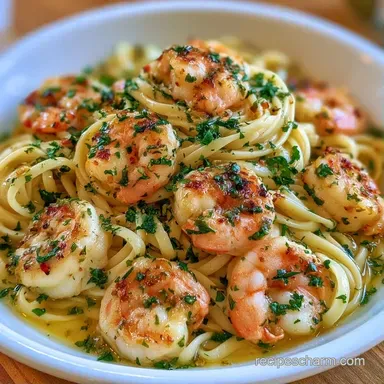
One Pan Garlic Butter Shrimp Pasta
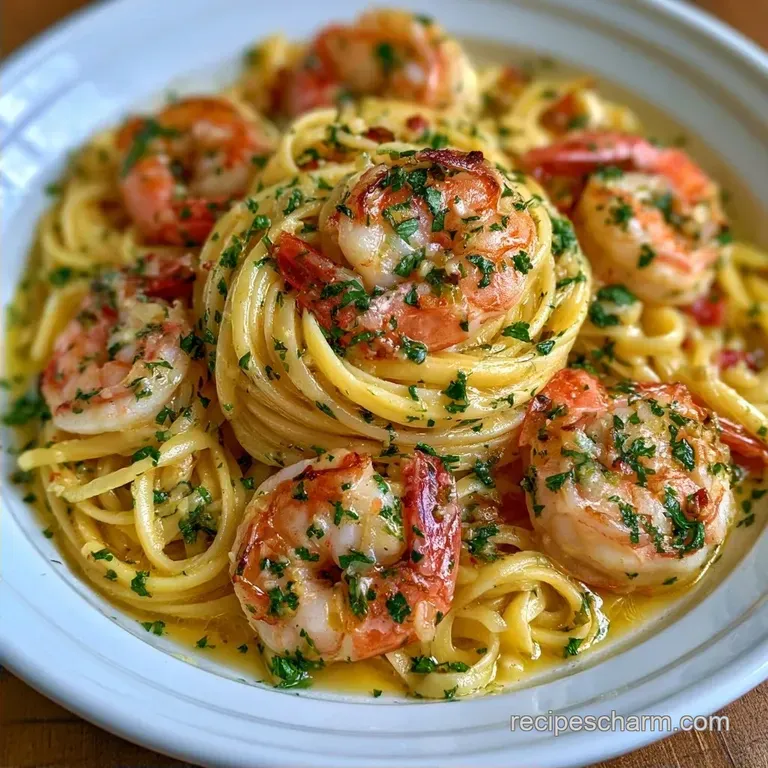
- Time: 5 min active + 20 min cook
- Flavor/Texture Hook: Rich, garlicky sauce with a bright lemon finish
- Perfect for: Busy weeknight family dinners
That loud sizzle when the shrimp hits the hot butter is the best part of my Tuesday nights. It's that specific sound that tells me dinner is actually happening, even if I've spent the last hour dealing with kids' homework and a mountain of laundry.
I used to spend way too much time boiling a giant pot of water just to drain it all away, losing all that liquid gold. This One Pan Shrimp Pasta changes that by cooking the noodles right in the broth, which makes the sauce cling to every strand of linguine.
You can expect a meal that tastes like it took an hour, but actually finishes in about 25 minutes. It's hearty, flavor packed, and doesn't leave you with a sink full of dishes.
One Pan Shrimp Pasta
The logic here is pretty simple. Instead of boiling the pasta in plain water, we use chicken broth. As the pasta cooks, it releases starch directly into the broth, which creates a natural thickness.
Starch Binding: The linguine releases starch that binds the butter and broth together into a sauce. Residual Heat: Stirring in the cheese and lemon at the end prevents the dairy from breaking or the lemon from turning bitter.
The difference between using fresh or shortcut ingredients is mostly about prep time and a bit of punch in the flavor.
| Ingredient Type | Fresh Option | Shortcut Option | Impact |
|---|---|---|---|
| Shrimp | Fresh, shell on | Frozen, peeled/deveined | Frozen is faster; fresh has more depth |
| Parsley | Fresh bunch | Dried flakes | Fresh adds brightness; dried is duller |
| Lemon | Fresh fruit | Bottled juice | Fresh zest is mandatory for the "pop" |
The Starch Magic
This part is where most people get confused. You aren't just boiling pasta; you're building a sauce. The broth isn't just for flavor, it's the vehicle for the starch.
Broth Selection: Using low sodium broth prevents the dish from becoming a salt bomb as the liquid reduces. Butter Timing: Adding some butter at the start for searing and some at the end for the sauce gives you two different layers of richness.
Ingredient Deep Dive
| Ingredient | What It Does | Best Swap |
|---|---|---|
| Linguine | Provides structure and thickens sauce | Spaghetti or Fettuccine |
| Chicken Broth | Creates the poaching liquid | Vegetable broth or clam juice |
| Parmesan | Adds salty, nutty depth | Pecorino Romano (saltier) |
| Lemon Zest | Cuts through the butter fat | Lime zest (more tropical) |
Pantry Essentials List
Grab these before you start. I find it's way easier to have everything measured out so you aren't scrambling while the garlic is browning.
- 1 lb large shrimp, peeled and deveined Why this? Large shrimp hold their shape and don't overcook as fast.
- 4 tbsp unsalted butter, divided Why this? Allows you to control the salt level yourself.
- 2 tbsp extra virgin olive oil Why this? Raises the smoke point for the initial sear.
- 5 cloves garlic, minced Why this? Garlic is the backbone of the flavor profile.
- 1/2 tsp red pepper flakes Why this? Adds a tiny hint of warmth without being "spicy."
- 12 oz linguine Why this? Flat noodles grab onto the sauce better than rounds.
- 4 cups low sodium chicken broth Why this? Provides the liquid for the one pot method.
- 1 tsp salt Why this? Basic seasoning for the broth.
- 1/2 tsp black pepper Why this? Adds a subtle earthy heat.
- 1/2 cup freshly grated Parmesan cheese Why this? Pre shredded stuff has cornstarch and won't melt right.
- 2 tbsp fresh lemon juice Why this? Brightens the whole dish.
- 1/4 cup fresh parsley, chopped Why this? Adds a fresh, green finish.
- Zest of 1 lemon Why this? The oils in the skin have the most aroma.
If you're looking for a budget friendly swap, frozen shrimp is usually much cheaper than fresh. Just make sure to thaw them completely and pat them dry with a paper towel, or they'll steam instead of searing.
| Original Ingredient | Substitute | Why It Works |
|---|---|---|
| Linguine (12 oz) | Penne or Fusilli | Still works, but you may need 1/2 cup more broth |
| Chicken Broth | Vegetable Broth | Same salt/liquid profile. Note: Lacks the meatiness |
| Parmesan | Grana Padano | Very similar flavor; slightly milder |
| Butter | Margarine | Similar fat content. Note: Lacks the creamy butter taste |
Essential Kitchen Tools
You don't need a professional setup here. A large, deep skillet or a wide pot is the only thing that really matters. If the pan is too small, the pasta will clump together.
Chef: Use a stainless steel or cast iron pan if you have one. They hold heat better, which gives the shrimp a better crust.
Cooking Process Steps
Right then, let's get into it. This One Pan Shrimp Pasta comes together fast, so keep your ingredients within reach.
For the Protein & Aromatics
- Heat the olive oil and 1 tbsp of butter over medium high heat.
- Add the shrimp in a single layer and sear for 1-2 minutes per side until just pink and opaque. Note: Don't overcrowd the pan or the shrimp will boil in their own juices.
- Transfer shrimp to a plate and set aside.
- Sauté minced garlic and red pepper flakes for 30 seconds until the garlic smells fragrant but isn't brown.
For the Pasta Base
- Pour in the broth, salt, pepper, and the remaining 3 tbsp of butter.
- Increase heat to bring to a boil, then add the linguine.
- Reduce heat to medium and simmer uncovered, stirring occasionally for 9-12 minutes until the pasta is al dente and the liquid has reduced to a thick sauce. Note: Stirring prevents the noodles from sticking to the bottom.
For the Healthy Finish
- Turn off the heat.
- Stir in the Parmesan cheese, lemon juice, and lemon zest until melted and velvety.
- Fold the seared shrimp and chopped parsley back into the pan and toss gently until warmed through.
Fixing Common Issues
Even with a simple recipe, things happen. Usually, it's a matter of heat or timing. If you're just looking for a quick shrimp protein without the pasta, you can try some Sautéed Shrimp instead.
Troubleshooting Common Issues
| Issue | Solution |
|---|---|
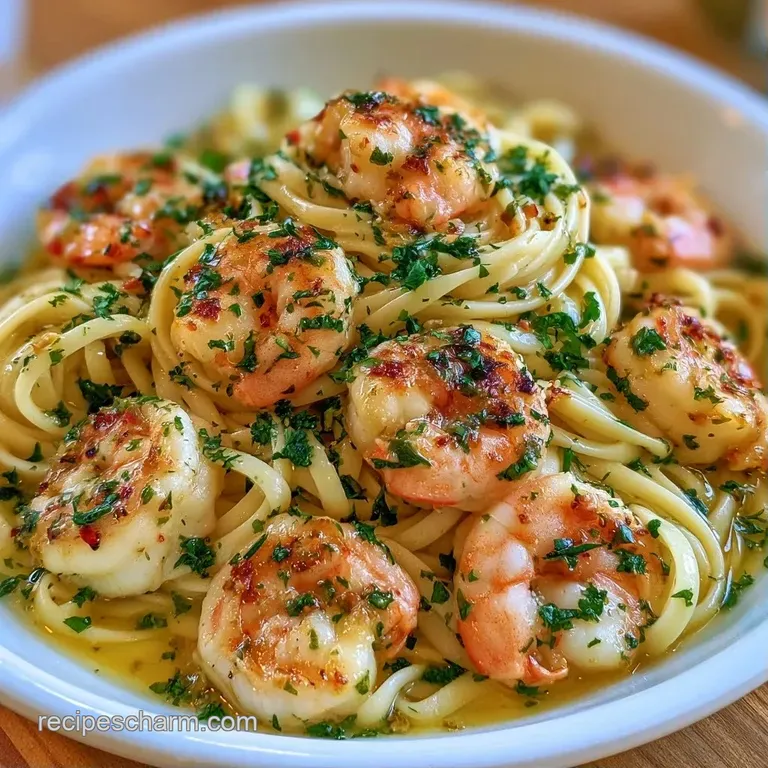
| Why Your Shrimp is Rubbery | This happens when the shrimp stay in the pan too long. Shrimp cook incredibly fast. As soon as they curl into a "C" shape, they're done. If they curl into an "," they're overcooked. |
| Why the Sauce is Too Thin | If your liquid hasn't reduced enough, the sauce will feel like soup. This usually happens if the heat was too low or the lid was left on. The pan must be uncovered so the water can evaporate. |
| Why the Pasta is Sticking | Sticking happens when the starch isn't moving. You don't need to stir constantly, but a quick swirl every 2 minutes keeps the noodles separate. |
Flavor Twist Ideas
Depending on what's in your fridge, you can change the vibe of this One Pan Shrimp Pasta quite easily.
- For a Creamy Alfredo Twist: Stir in 1/4 cup of heavy cream at the same time as the Parmesan. It makes the sauce richer and more indulgent.
- For a Zesty Tomato Version: Add 2 tbsp of tomato paste when you sauté the garlic. It gives the dish a reddish hue and a deeper, sweeter base.
- For a Low Carb Alternative: Swap the linguine for zucchini noodles. Since you aren't simmering these for 10 minutes, just add them at the very end for 2 minutes to soften.
If you want a different style of dinner entirely, a Garlic Butter Shrimp Dinner is a great way to use similar ingredients but a different presentation.
Scaling the Recipe
Adjusting this for a crowd or a solo meal is pretty straightforward, but don't just double everything blindly.
Scaling Down (Half Batch): Use a smaller skillet so the liquid doesn't evaporate too quickly. Reduce the broth by about 10% because smaller amounts of liquid evaporate faster. Your cook time will likely drop by 1-2 minutes.
Scaling Up (Double Batch): Work in batches for the shrimp. If you crowd the pan with 2 lbs of shrimp, they'll release too much water and you'll lose the sear. When doubling the pasta and broth, keep the salt and red pepper flakes at 1.5x instead of 2x, then taste and adjust at the end.
Truth About Pasta Myths
There are a few things people tell you about pasta that just aren't true in my kitchen.
One big one is that you have to boil pasta in a separate pot of salted water to get the right texture. That's not true for "one pan" methods. Cooking in broth actually adds more flavor to the noodle itself, and the starch creates a better sauce.
Another myth is that frozen shrimp are inferior. Honestly, most "fresh" shrimp at the store were frozen on the boat anyway. As long as you thaw them properly and dry them off, the result is the same.
Storage and Waste
This One Pan Shrimp Pasta is great, but like all pasta, it loves to soak up sauce as it sits.
Fridge Storage: Keep it in an airtight container for up to 3 days. When you reheat it, add a splash of water or broth to loosen the sauce back up.
Freezing: I don't recommend freezing this. The creaminess of the Parmesan and the texture of the shrimp don't hold up well after thawing.
Zero Waste Tips: Don't toss the shrimp shells if you bought shell on shrimp. Throw them in a freezer bag. Once you have enough, boil them with some onion and carrot to make a quick shrimp stock for your next meal.
If you have leftover parsley stems, chop them finely and throw them into the initial sauté with the garlic for extra flavor.
Best Side Pairings
Since this is a hearty dish, you want sides that cut through the richness of the butter and cheese.
A crisp green salad with a sharp lemon vinaigrette is the go to move. The acidity cleanses the palate between bites of the creamy pasta. You could also serve some charred broccolini or roasted asparagus to add some crunch.
If you have some crusty sourdough or a baguette, toast it with a bit of olive oil. It's the only way to make sure not a single drop of that garlic sauce goes to waste. This One Pan Shrimp Pasta is filling enough to be the star, so keep the sides light and fresh.
High in Sodium
810 mg 810 mg of sodium per serving (35% 35% of daily value)
The American Heart Association recommends a daily sodium limit of no more than 2,300 mg for most adults to maintain heart health.
Tips to Reduce Sodium
-
Swap for No-Sodium Broth-30%
Replace the low-sodium chicken broth with no-sodium chicken broth or a homemade salt free vegetable stock.
-
Eliminate Added Salt-25%
Remove the 1 tsp of salt entirely. The cheese and broth provide enough baseline salinity for the dish.
-
Reduce Parmesan Cheese-15%
Use only 1/4 cup of Parmesan instead of 1/2 cup, or choose a sharp, aged variety to get more flavor with less cheese.
-
Enhance with Acid and Herbs
Increase the lemon juice, zest, and fresh parsley to create a bright flavor profile that reduces the need for salt.
Recipe FAQs
How to make this shrimp pasta in one pan?
Sear shrimp in olive oil and butter, then sauté garlic and red pepper flakes. Boil broth in the same pan and simmer linguine for 9-12 minutes before stirring in Parmesan, lemon, and the cooked shrimp.
Is this a garlic shrimp pasta recipe?
Yes, it features a bold garlic base. We use five minced cloves to create a fragrant, savory foundation for the broth and pasta.
Why is my shrimp rubbery?
You likely overcooked the shrimp. Sear them for only 1-2 minutes per side; as soon as they curl into a "C" shape, they are finished.
Why is the sauce too thin?
The liquid did not reduce enough. Ensure the pan remains uncovered during the simmer so the broth can evaporate and thicken into a velvety sauce.
Is it true that I need to boil the linguine separately first?
No, this is a common misconception. Cooking the linguine directly in the chicken broth allows the pasta to absorb more flavor while naturally thickening the sauce with starch.
How to store leftovers?
Keep them in an airtight container in the fridge for up to 3 days. Add a splash of broth when reheating to loosen the sauce. If you need something faster next time, try our shrimp in 10 minutes.
Can I freeze this pasta for later?
No, freezing is not recommended. The texture of the shrimp and the creaminess of the Parmesan cheese degrade significantly after thawing.
One Pan Shrimp Pasta