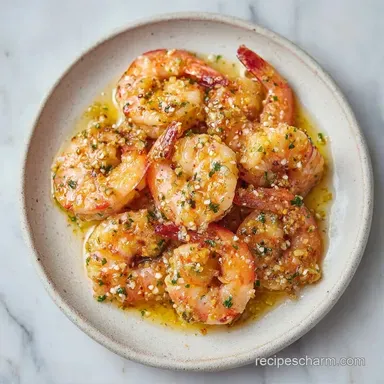
Garlic Butter Sautéed Shrimp: Tender and Golden
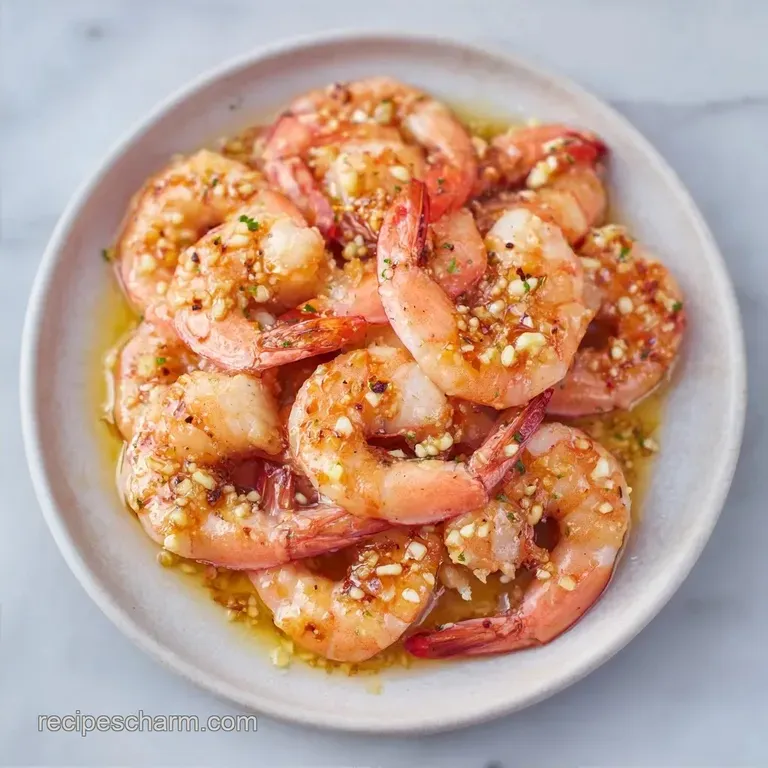
- Time: 5 min active + 5 min cooking
- Flavor/Texture Hook: Velvety garlic butter with a golden sear
- Perfect for: Fast weeknight dinner or low carb protein
- The Secret to Better Sautéed Shrimp
- Quick Sautéed Shrimp Guide
- Why the Butter Split Works
- Ingredients and Flavor Basics
- Tools for a Fast Sauté
- Step by Step Cooking Flow
- Fixing Common Shrimp Problems
- Troubleshooting Common Issues
- Different Ways to Season
- Storage and Zero Waste
- What to Serve with It
- Recipe FAQs
- 📝 Recipe Card
The Secret to Better Sautéed Shrimp
That loud, aggressive sizzle is the first sign you're doing it right. I remember the first time I tried making shrimp for a date. I dumped everything in the pan at once, and instead of a sear, I got a grey, watery mess that tasted like boiled rubber.
It was a disaster, mostly because I didn't realize that moisture is the enemy of a good crust.
The trick is all in the prep and the patience. Once you learn how to manage the pan temperature, Sautéed Shrimp becomes the fastest way to get a high end meal on the table. You don't need fancy tools, just a heavy pan and a few minutes of focus.
You can expect a dish that has a deep golden color and a buttery finish. We're aiming for that specific "C" curve that tells you the protein is just cooked through. If they curl into a tight "O", you've gone too far. Let's get into how to actually nail this.
Quick Sautéed Shrimp Guide
Right then, let's look at the plan. This isn't a slow process, so you have to be ready. I like to follow a three step flow: the dry and dust prep, the over high heat sear, and the butter glaze finish. This ensures the shrimp don't stew in their own juices.
For the best results, use large shrimp. They have more surface area for the paprika and salt to cling to, and they don't overcook as quickly as the tiny salad shrimp. If you're looking for something even faster, you might like this 10 minute garlic shrimp variation.
- 1. Prep (5 mins)
- Pat shrimp dry, season, and mince garlic.
- 2. Sear (2 mins)
- High heat, single layer, no touching.
- 3. Glaze (2 mins)
- Add fresh butter, garlic, and finish with lemon.
Decision Shortcut:
- If you want more crunch, use a cast iron skillet.
- If you want a lighter sauce, double the lemon juice.
- If you're serving a crowd, work in two batches to avoid crowding the pan.
Why the Butter Split Works
The Fat Hybrid: Mixing olive oil with butter prevents the butter from burning at high temperatures. The oil raises the smoke point, allowing for a better sear.
Protein Tightening: Shrimp proteins contract quickly when heated. Stopping at the "C" shape prevents the fibers from squeezing out all the moisture.
Acid Balancing: Adding lemon juice at the very end cuts through the heavy butter. If you cook the lemon juice, it can turn bitter and lose that bright punch.
| Method | Time | Texture | Best For |
|---|---|---|---|
| Stovetop | 10 mins | Seared & Velvety | Weeknight dinners |
| Oven | 12 mins | Uniform & Soft | Large party trays |
Ingredients and Flavor Basics
The goal here is to enhance the natural sweetness of the seafood, not mask it. I always use unsalted butter because I want to control the salt levels myself. If you use salted butter, skip the extra salt in the seasoning mix.
Component Analysis
| Ingredient | Science Role | Pro Secret |
|---|---|---|
| Shrimp | Primary Protein | Pat them bone dry for a better crust |
| Butter | Flavor & Emulsion | Add in two stages to prevent burning |
| Lemon Juice | PH Balancer | Stir in off heat to keep it zesty |
| Paprika | Color & Earthiness | Use smoked paprika for a grill flavor |
The Shopping List
- 1 lb (450g) large shrimp, peeled and deveined Why this? Large size prevents overcooking
- 1 tbsp (15ml) olive oil Why this? High smoke point for searing
- 3 tbsp (42g) unsalted butter Why this? Creates the velvety pan sauce
- 4 cloves (20g) garlic, minced Why this? Fresh is non negotiable here
- 1/2 tsp (3g) salt
- 1/4 tsp (1g) black pepper
- 1/4 tsp (1g) paprika
- 1 tbsp (15ml) fresh lemon juice Why this? Fresh acid brightens the fat
- 1 tbsp (3g) fresh parsley, chopped
Substitution Table
| Original Ingredient | Substitute | Why It Works |
|---|---|---|
| Unsalted Butter | Ghee (Clarified Butter) | Higher smoke point. Note: Less "milky" flavor |
| Olive Oil | Avocado Oil | Even higher heat tolerance. Note: Neutral taste |
| Fresh Parsley | Fresh Cilantro | Adds a citrusy, herbal note. Note: Changes profile to Mexican/Thai |
| Lemon Juice | Lime Juice | Similar acidity. Note: Pairs better with chili or cumin |
I've found that using a mix of fats is the only way to get that restaurant style finish. If you're doing a fast garlic butter shrimp style, the butter really is the star of the show.
Tools for a Fast Sauté
You don't need a professional kitchen, but the pan matters. A stainless steel or cast iron skillet is best because they hold heat. Non stick pans work, but you won't get that same deep brown sear on the Sautéed Shrimp.
Use a wide pan. If the shrimp are crowded, they'll release steam and boil instead of searing. You want at least half an inch of space between each piece. A sturdy spatula is also a must for flipping them quickly.
I suggest a fine grater or a press for the garlic. The smaller the garlic pieces, the faster they infuse into the butter without burning. If the chunks are too big, they'll stay raw while the butter browns.
Step by step Cooking Flow
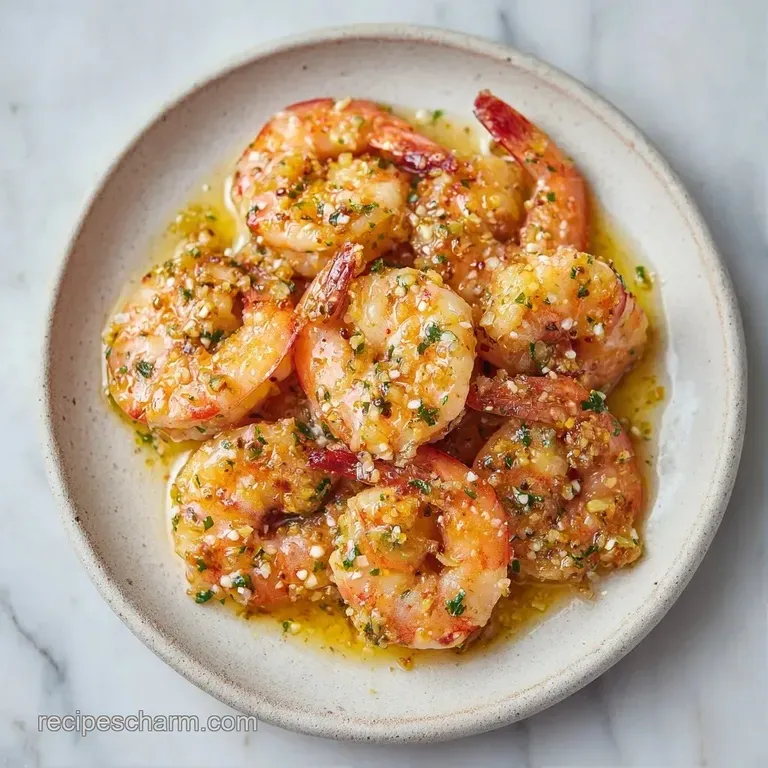
- Prep the shrimp. Pat the shrimp completely dry with paper towels. In a bowl, toss the shrimp with salt, pepper, and paprika until evenly coated. Note: Removing surface moisture is the only way to get a sear.
- Heat the base. Heat olive oil and 1 tbsp (14g) of the butter over medium high heat until the butter foams and just begins to brown.
- The first sear. Add shrimp in a single layer and sauté for 2 minutes without moving them until they have a deep brown crust.
- The flip. Flip the shrimp over using a spatula.
- Add aromatics. Immediately add the remaining 2 tbsp (28g) of butter and minced garlic to the pan.
- The butter baste. Sauté for another 1-2 minutes, spooning the melting garlic butter over the shrimp until they form a 'C' shape.
- Final touch. Remove from heat.
- Brighten the sauce. Stir in lemon juice and parsley off heat until the sauce looks velvety.
Chef's Tip: Freeze your butter for 10 minutes before adding it to the pan. This slows the melting process and gives you more time to baste the shrimp before the butter separates.
Fixing Common Shrimp Problems
The most common issue is texture. Shrimp can go from "perfect" to "rubber band" in about 30 seconds. It's all about the carryover heat. Even after you take them off the pan, they keep cooking for another minute.
Troubleshooting Common Issues
| Issue | Solution |
|---|---|
| Why are my shrimp rubbery | This happens when the proteins are over tightened by too much heat or too much time. You've likely pushed them past the "C" shape into an "O" shape. |
| Why is there liquid in my pan | This usually means the pan wasn't hot enough or you crowded the shrimp. When shrimp aren't seared instantly, they release water. Use a larger pan or cook in batches to keep the heat high. |
| Why did my garlic burn | Garlic has a very low burn point. If you add it at the start, it will turn bitter and black. Always add the garlic with the second addition of butter toward the end of the process. |
Common Mistakes Checklist
- ✓ Adding shrimp to a cold pan
- ✓ Stirring the shrimp too often during the first sear
- ✓ Adding lemon juice while the pan is on high heat
- ✓ Using frozen shrimp without thawing them first
- ✓ Overcooking until they curl into a tight circle
Different Ways to Season
Once you've nailed the basic Sautéed Shrimp, you can swap the seasonings. The technique stays the same, but the flavor profile changes. I often do this based on what I'm serving it with.
Spicy Cajun Twist Swap the paprika for a Cajun spice blend. I like to add a pinch of cayenne pepper for a real kick. This is great over a bowl of steamed white rice.
Honey Garlic Glaze Stir in 1 tbsp of honey along with the second batch of butter. The honey caramelizes quickly, giving the shrimp a sticky, sweet coating that kids absolutely love.
Healthy Sautéed Shrimp Replace the butter with a high-quality extra virgin olive oil. According to Serious Eats, using a slower cook with oil can still produce great results, though you lose that buttery richness.
Dairy-free Alternative Use a vegan butter substitute or just stick to olive oil and add a splash of coconut milk at the end for creaminess.
Simple Sautéed Shrimp for Salad Keep the seasoning light on the paprika and heavy on the lemon. Let them cool for 5 minutes before tossing them onto a bed of arugula with feta cheese.
Simple Sautéed Shrimp for Alfredo Sauté them separately from the pasta. Toss them into the creamy sauce at the very last second so they stay plump and don't overcook in the sauce.
Storage and Zero Waste
If you have leftovers, store them in an airtight glass container in the fridge for up to 3 days. To reheat, don't use a microwave if you can avoid it, as it makes shrimp rubbery. Instead, toss them in a hot pan for 60 seconds just to warm through.
You can freeze Sautéed Shrimp for up to 2 months, but the texture changes slightly. I recommend freezing them in a single layer on a baking sheet first so they don't clump together into one giant shrimp ball.
Don't throw away the shrimp shells if you bought them head on. I put my shells and heads in a freezer bag. Once I have enough, I simmer them with an onion and a carrot to make a quick seafood stock for risotto or paella.
What to Serve with It
Since the sauce is so velvety and rich, you need something to soak it up. I usually go for a crusty baguette or some sautéed spinach. The acidity of the lemon in the shrimp cuts right through the bitterness of the greens.
For a more filling family dinner, serve this over a bed of quinoa or jasmine rice. If you're keeping it low carb, zucchini noodles or roasted cauliflower are the way to go. The garlic butter acts as a sauce for whatever you pair it with.
I also love serving these as an appetizer with a side of aioli. Just dip the warm shrimp into a cool garlic mayo for a great contrast in temperature and texture. It's a simple way to make a quick meal feel like a special occasion.
Recipe FAQs
What is the best way to sauté shrimp?
Pat them completely dry and sear in a single layer. This prevents steaming and creates a deep brown crust. Remove them from the heat as soon as they form a 'C' shape.
Is it better to sauté shrimp in butter or oil?
Use a combination of both. Olive oil raises the smoke point to prevent burning, while butter adds a rich, nutty flavor. This blend ensures a high heat sear without scorching the fat.
How to make your shrimp juicy?
Avoid overcooking them past the 'C' shape. Once they curl into a tight 'O', the proteins tighten and the meat becomes rubbery. If you want to master this texture, see how the same principle applies to our garlic shrimp.
What are good seasonings for sautéed shrimp?
Use a mix of salt, black pepper, and paprika. These basics enhance the natural sweetness of the shrimp without overpowering it. Stirring in fresh parsley and lemon juice off-heat provides a bright, velvety finish.
How to sauté shrimp with garlic without burning it?
Add minced garlic only after flipping the shrimp. Garlic has a very low burn point and will turn bitter if added at the start. Adding it toward the end allows it to become fragrant while the shrimp finish cooking.
Is it true that shrimp are overcooked when they form an 'O' shape?
Yes, this is a primary indicator of overcooking. When shrimp curl into a tight circle, they have lost too much moisture and will be rubbery. Aim for a loose 'C' shape for maximum tenderness.
How to keep shrimp from releasing liquid in the pan?
Heat the pan over medium high until the butter foams and avoid crowding. If the pan is too cool or too full, the shrimp will steam in their own juices rather than sear. Cook in batches if your pan is small to keep the temperature high.
Sautéed Shrimp in 10 Minutes