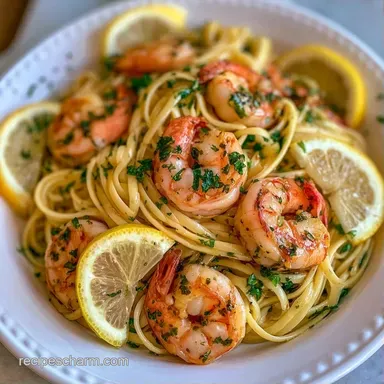
Creamy Lemon Garlic Shrimp Pasta
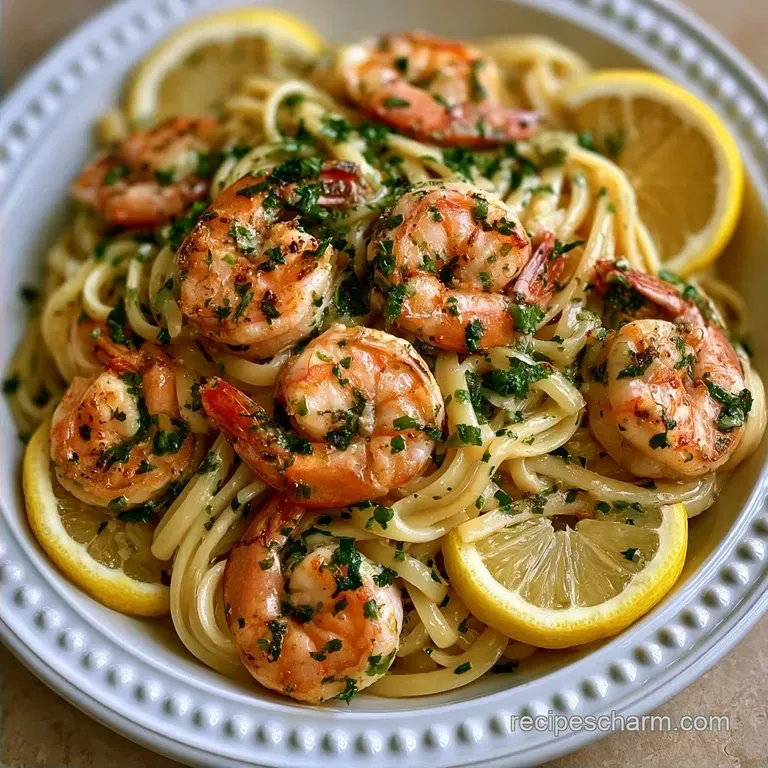
- Time: 10 min active + 15 min cook
- Flavor/Texture Hook: Silky cream sauce with a zesty lemon punch
- Perfect for: Weeknight dinner or a simple date night
The smell of searing shrimp and toasted garlic is something that takes me straight back to the coastal towns of Italy. In those regions, seafood pasta isn't about complex techniques. It's about using what's fresh from the water and brightening it with a squeeze of lemon.
It's a tradition of simplicity that treats the ingredients with respect.
I used to think you needed a fancy restaurant kitchen to get that glossy, clingy sauce. But honestly, you just need a bit of starchy pasta water and the right timing. This Lemon Garlic Shrimp Pasta is my go to when I want something that feels like a treat but doesn't leave me with a mountain of dishes.
You can expect a dish that hits every note. The red pepper flakes add a tiny bit of heat, the Parmesan adds depth, and the spinach keeps it from feeling too heavy. It's a family favorite because it's filling and doesn't require any specialized equipment.
The Logic Behind the Flavor
- Pasta Water: The starch in the reserved water acts as a bridge, helping the creamy sauce stick to the noodles instead of pooling at the bottom.
- Acid Balance: The lemon juice cuts through the heavy cream and butter, which stops the dish from tasting overly rich.
- Shrimp Searing: Cooking the shrimp quickly at high heat creates a brown crust that adds a savory depth the sauce needs.
Fast vs Classic Comparison
Depending on how much time you have, you can tweak the approach. Some people prefer a long simmered seafood base, but for a Tuesday night, the fast method is the way to go.
| Feature | Fast Method (This Recipe) | Classic Method |
|---|---|---|
| Prep Time | 10 minutes | 30+ minutes |
| Sauce Base | Cream and Butter | Reduced Seafood Stock |
| Texture | Rich and | Light and Brothy |
| Best For | Family Dinner | Slow Sunday Lunch |
Ingredient Deep Dive
Understanding what each part does helps when you're missing something in the pantry.
| Ingredient | What It Does | Best Swap |
|---|---|---|
| Heavy Cream | Provides thickness and richness | Full fat Coconut Milk |
| Dry White Wine | Adds acidity and brightness | Chicken Broth + Lemon |
| Parmesan | Adds salt and umami | Pecorino Romano |
| Linguine | Holds the sauce on its surface | Fettuccine or Spaghetti |
The Pantry List
Get everything laid out before you turn on the stove. It makes the 15 minutes of cooking much less stressful.
- 1 lb (450g) linguine Why this? Flat noodles hold the cream sauce better
- 1 tbsp (15ml) salt (for pasta water)
- 1.5 lbs (680g) large shrimp, peeled and deveined Why this? Large shrimp don't overcook as fast
- ½ tsp (3g) salt
- ¼ tsp (1g) black pepper
- 2 tbsp (30ml) olive oil
- 4 tbsp (56g) unsalted butter
- 5 cloves (25g) garlic, minced
- ½ cup (120ml) dry white wine Why this? Cuts through the dairy fat
- 1 cup (240ml) heavy cream
- ¾ cup (75g) Parmesan cheese, freshly grated
- 1 medium lemon, zested and juiced
- 2 cups (60g) fresh baby spinach
- ¼ tsp (1g) red pepper flakes
Essential Kitchen Tools
You don't need a professional setup for this. A few basic tools will do the job.
- Large pot (for the pasta)
- Colander (for draining)
- Large skillet or sauté pan (must be wide enough for shrimp in one layer)
- Tongs or a pasta fork
- Measuring cups and spoons
- Microplane or grater (for the lemon zest and cheese)
Step-by-step Cooking
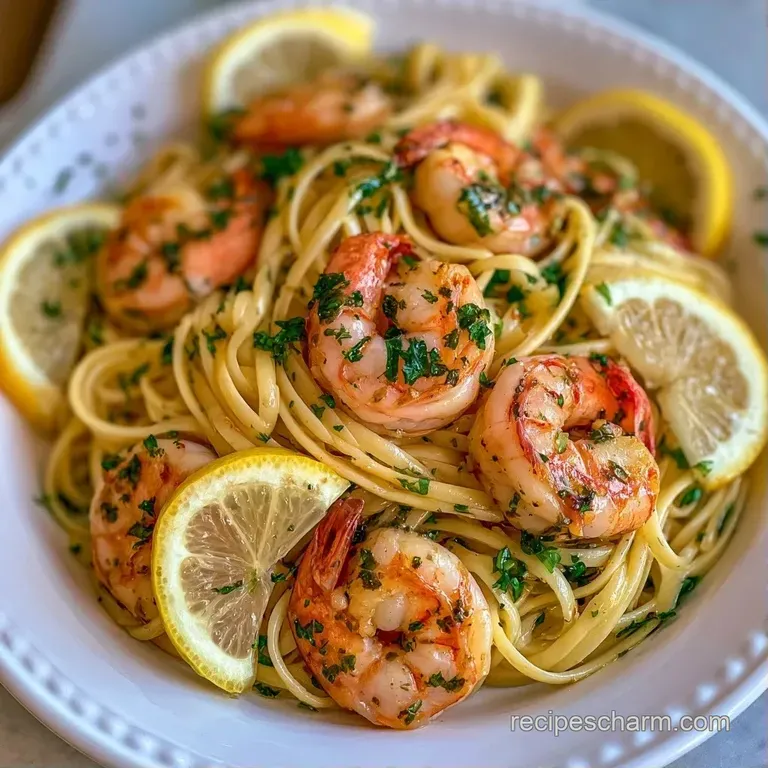
Let's get into it. The key here is not to overcrowd the pan with shrimp, or they'll steam instead of sear.
1. Boiling the Pasta
Bring a large pot of salted water to a boil. Add the linguine and cook until al dente, usually 1–2 minutes less than the package says. Before you drain it, dip a measuring cup in and reserve 1 cup (240ml) of that cloudy pasta water.
2. Searing the Shrimp
Pat the shrimp completely dry with paper towels. This is the trick to getting a good sear. Season them with salt and pepper. Heat olive oil in a large skillet over medium high heat. Add the shrimp in a single layer and cook for 1–2 minutes per side until they are pink and opaque.
Remove the shrimp from the pan and set them on a plate.
3. Building the Sauce Base
Lower the heat to medium and melt the butter in that same skillet. Add the minced garlic and red pepper flakes. Sauté for 1 minute until the garlic smells fragrant but isn't brown. Pour in the white wine and simmer for 2–3 minutes until the liquid reduces by about half.
4. Creating the Creamy Emulsion
Stir in the heavy cream and lemon juice. Bring the mixture to a gentle simmer for 2 minutes. Whisk in the Parmesan cheese until it's melted and smooth. Stir in the baby spinach and cook for about 60 seconds until the leaves just start to wilt.
5. The Final Assembly
Toss the cooked linguine and seared shrimp back into the sauce. If the sauce looks too thick, splash in some of that reserved pasta water. Stir over low heat for a minute until the sauce coats every strand of pasta.
Fixing Common Issues
Even with a simple Lemon Garlic Shrimp Pasta, things can go sideways. Usually, it's a matter of heat management.
The Rubbery Shrimp Problem
If your shrimp feel like pencil erasers, you likely overcooked them or crowded the pan. When shrimp are packed too tight, they release moisture and boil in their own juices. Always sear them in batches if your pan is small.
The Broken Sauce Fix
Sometimes the fat separates from the cream, leaving an oily layer on top. This happens if the heat is too high. For a different take on a pan sauce, look at my garlic shrimp sauce method. To fix a broken sauce, whisk in a tablespoon of pasta water over low heat.
The Burnt Garlic Issue
Garlic burns in seconds, and burnt garlic tastes bitter. If you see it turning dark brown, pull the pan off the heat immediately.
| Problem | Root Cause | Solution |
|---|---|---|
| Rubbery Shrimp | Overcooked / Crowded pan | Cook in batches, 2 mins per side |
| Oily Sauce | Heat too high | Whisk in pasta water on low heat |
| Bitter Taste | Burnt garlic | Lower heat, sauté for only 60 seconds |
Making Your Own Version
This recipe is a great base, but you can easily change the vibe based on what's in your fridge.
For a lighter version: Swap the heavy cream for a mixture of pasta water and an extra knob of butter. It won't be as rich, but the lemon will shine more.
Adding a veggie boost: Add sun dried tomatoes or sautéed mushrooms along with the garlic. If you have extra shrimp, you might try my juicy sautéed garlic shrimp as a separate appetizer for guests.
Dietary shifts: For a gluten-free option, use a high-quality brown rice or chickpea pasta. Just be careful, as these pastas release more starch and may require less reserved pasta water.
Adjusting the Portion: Cutting in half: Use a smaller skillet. Reduce the garlic to 3 cloves and the wine to 1/4 cup. Doubling it: Work in batches for the shrimp. Do not double the salt or red pepper flakes exactly; start with 1.5x and taste as you go.
Use a very large pot for the pasta to avoid sticking.
Kitchen Myths Debunked
I've heard a lot of "rules" about seafood pasta that just aren't true in a home kitchen.
One common myth is that you must use expensive "fresh" pasta for a dish like this. While fresh pasta is great, dried linguine actually holds up better in a creamy sauce and provides a better "bite."
Another misconception is that you need to "seal" the shrimp. Searing isn't about sealing in juices, it's about creating flavor through browning. Whether you sear or poach, the moisture loss is similar, but the taste is totally different.
Storage and Waste Tips
Leftovers are still good, but cream sauces can get thick in the fridge.
Fridge: Store your Lemon Garlic Shrimp Pasta in an airtight container for up to 2 days.
Freezing: I don't recommend freezing this. The cream can split and the shrimp often become mealy after thawing.
Reheating: Heat in a pan over medium low. Add a splash of milk or water to loosen the sauce back up. Avoid the microwave if you can, as it tends to overcook the shrimp further.
Zero Waste: Don't toss the lemon peels or shrimp shells. You can freeze the peels for zesting later or simmer the shells with some onion and carrot to make a quick seafood stock for a future risotto.
Serving Suggestions
To make this feel like a full meal, I like to serve it with a simple side of roasted asparagus or a crisp arugula salad with a light vinaigrette. The bitterness of the greens balances the richness of the cream.
Plating Tip: Use tongs to swirl the pasta into a nest in the center of the plate. Arrange the shrimp on top so they're visible, and finish with a fresh sprinkle of lemon zest and a pinch of parsley. It makes a huge difference in how the dish feels.
This Lemon Garlic Shrimp Pasta is the kind of meal that proves you don't need a lot of tools to make something that tastes expensive. Just keep your heat in check and don't forget that pasta water. Enjoy!
High in Sodium
840 mg 840 mg of sodium per serving (37% 37% of daily value)
The American Heart Association recommends a daily sodium limit of no more than 2,300 mg, and ideally closer to 1,500 mg for most adults.
Tips to Reduce Sodium
-
Reduce Pasta Water Salt-30%
Reduce the 1 tbsp of salt in the boiling water to 1 tsp or eliminate it entirely; much of this sodium is absorbed by the pasta.
-
Season Shrimp Differently-25%
Cut the salt on the shrimp in half and substitute with smoked paprika or garlic powder for a savory flavor without the sodium.
-
Limit Parmesan Cheese-15%
Use half the amount of Parmesan cheese or substitute with a small amount of a lower sodium hard cheese.
-
Boost Citrus and Spice
Increase the lemon zest and red pepper flakes to add brightness and heat, which naturally enhances the perception of saltiness.
Recipe FAQs
What type of pasta is best for lemon shrimp pasta?
Linguine is the ideal choice. Its flat, narrow shape holds the creamy lemon garlic sauce more effectively than round pasta shapes.
How to make lemon garlic shrimp pasta?
Sauté seasoned shrimp in olive oil, then simmer a sauce of butter, garlic, white wine, heavy cream, and Parmesan. Toss the cooked linguine, seared shrimp, and spinach into the sauce until emulsified.
What pairs well with lemon garlic shrimp pasta?
Crusty garlic bread or a crisp green salad. These options complement the richness of the cream sauce and the acidity of the lemon.
What sauce goes best with shrimp pasta?
A lemon garlic cream sauce. The brightness of the lemon cuts through the heavy cream and Parmesan to balance the natural sweetness of the shrimp.
How to make shrimp alfredo pasta easily?
Simmer heavy cream and whisk in Parmesan cheese until smooth. If you enjoyed the quick sear technique here, you can apply the same method to our garlic shrimp for a similar flavor profile.
Is it true that you should boil shrimp in the pasta water to save time?
No, this is a common misconception. Boiling shrimp often makes them rubbery; searing them in olive oil first ensures a better texture and deeper flavor.
How to keep the cream sauce from splitting when reheating?
Heat slowly over medium low heat in a pan. Add a splash of water to loosen the sauce and avoid the microwave to prevent the shrimp from overcooking.
Lemon Garlic Shrimp Pasta